
The Empire in the Clouds
The Inca civilization, nestled high in the Andes Mountains, was one of the most advanced societies of the pre-Columbian world. From their capital city of Cusco, they built an empire that stretched over 4,000 kilometers — spanning modern-day Peru, Ecuador, Bolivia, Chile, and Argentina.
Their stone cities, like Machu Picchu, continue to baffle scientists and architects with their precision engineering. Without iron tools or the wheel, the Incas carved terraces into impossible slopes and built earthquake-resistant walls that still stand today.
But beyond their monumental architecture, the true brilliance of the Inca lay in their systems of connection — a vast network of roads, messengers, and quipu (knotted cords used for record keeping). These innovations formed the backbone of an empire bound not by writing, but by memory, mathematics, and movement.
Marcel Sebastian
The Inca saw no division between people and planet. Every mountain, river, and valley was alive — a sacred entity known as Pachamama, or Mother Earth. Their agricultural terraces were more than farming plots; they were living laboratories that balanced soil, climate, and altitude to grow hundreds of crop varieties, including potatoes, quinoa, and maize.
This deep ecological wisdom allowed the Incas to thrive in environments that would challenge even modern agriculture.



A Living Legacy
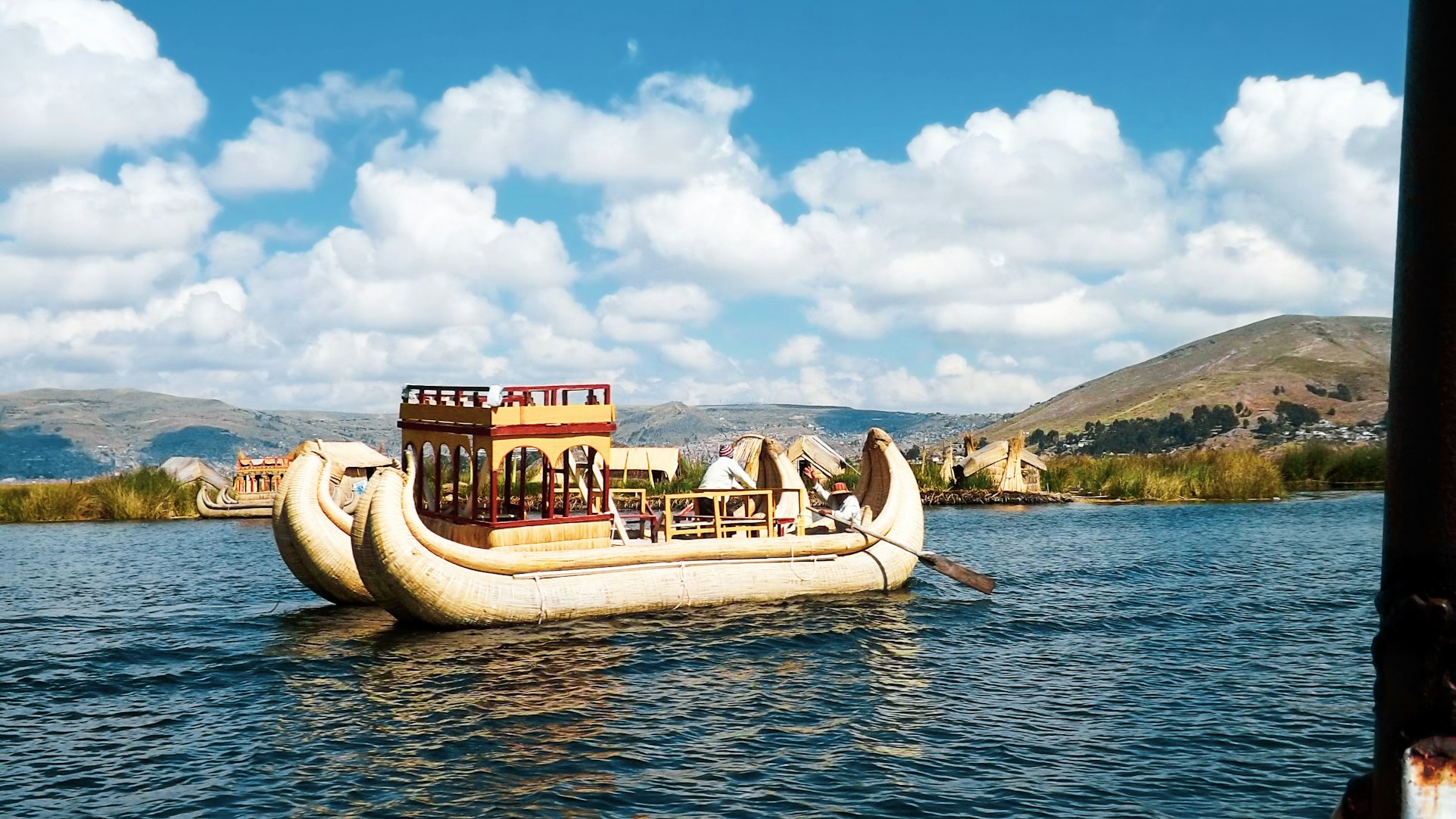
Today, exploring the Andes is like walking through history itself. The terraces of the Sacred Valley still shimmer in the morning light. The floating islands of Lake Titicaca continue to drift, held together by reeds and tradition. And in the faces of Andean farmers and artisans, the Inca legacy endures — humble, resilient, and wise.