
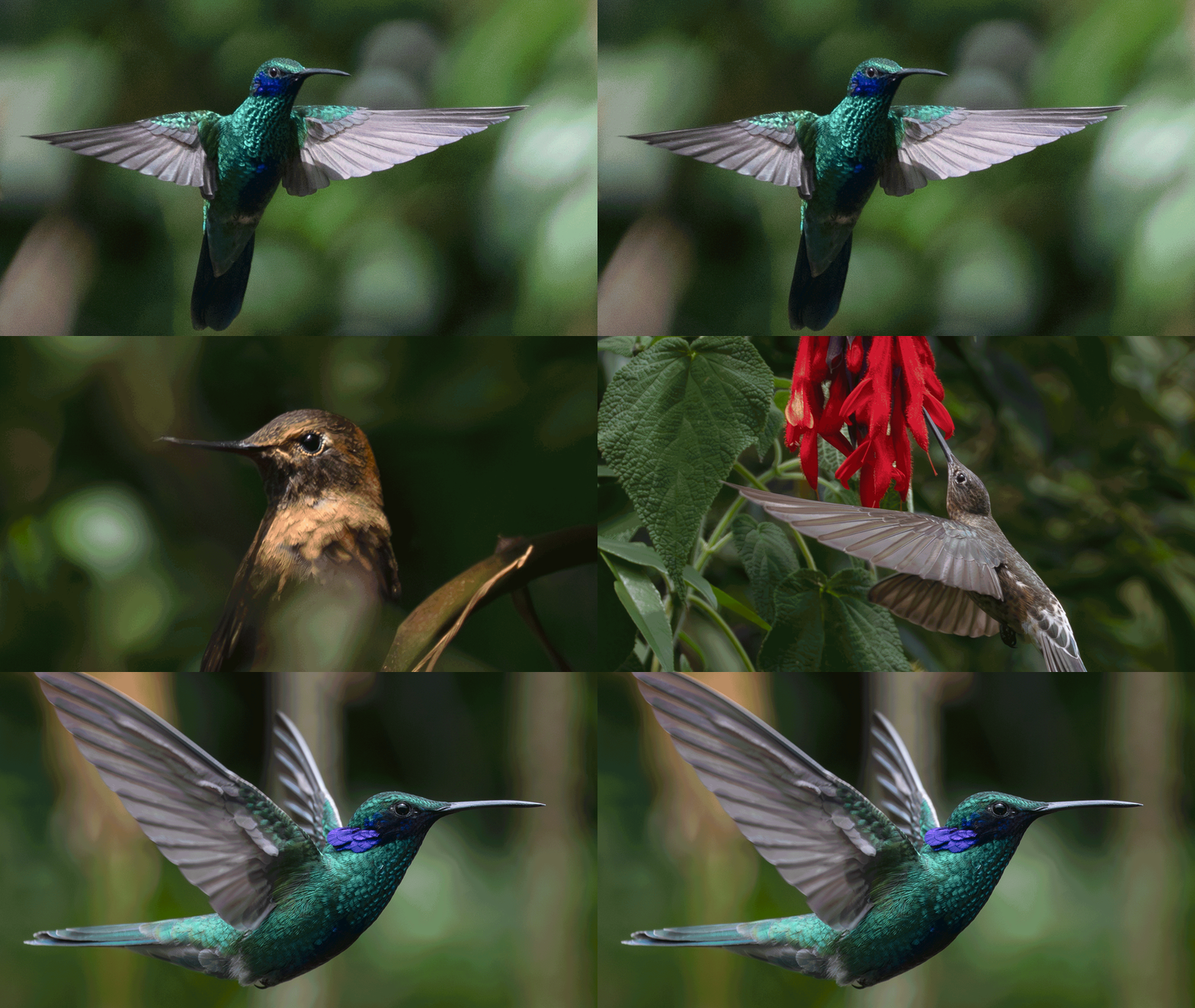
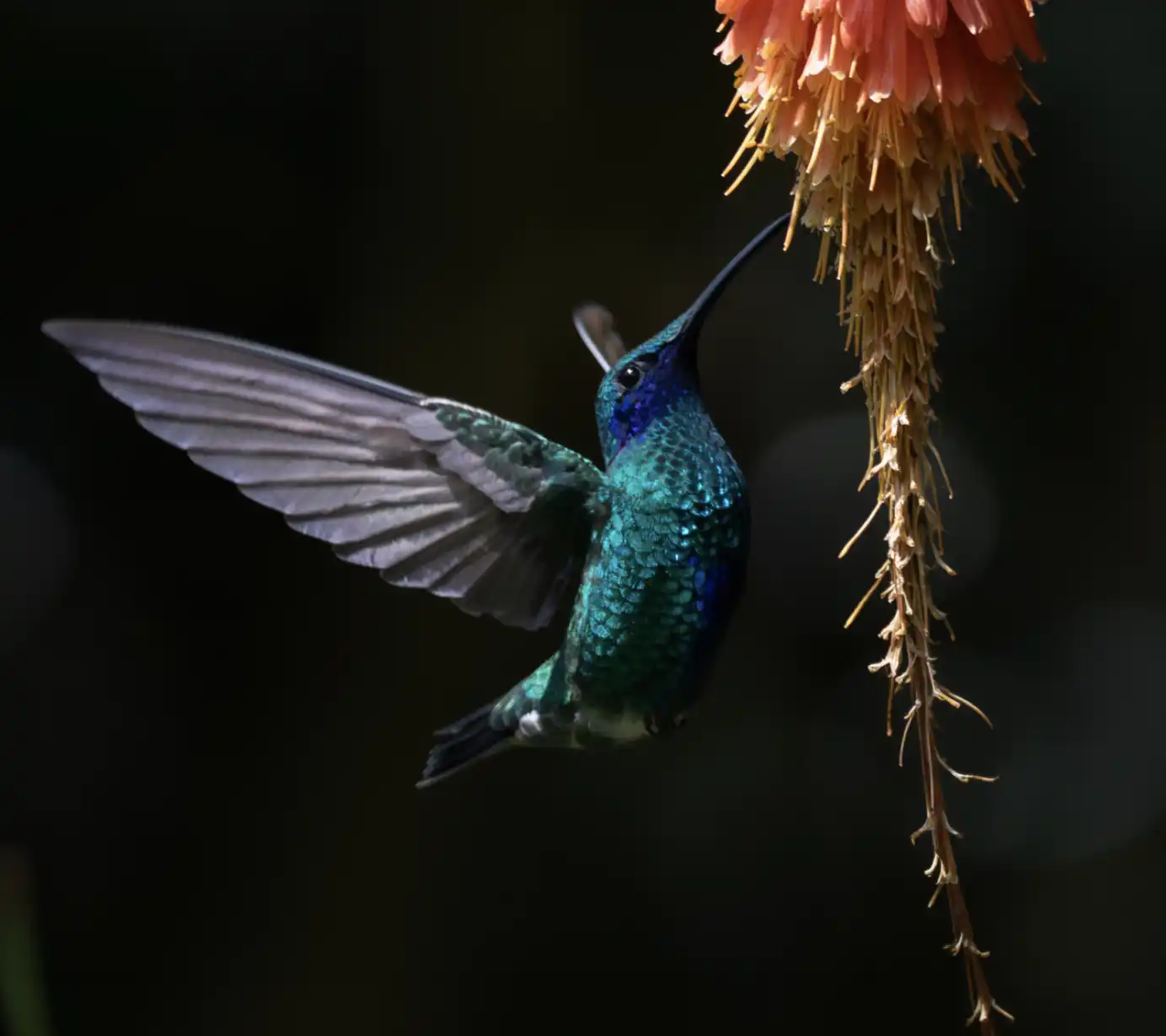
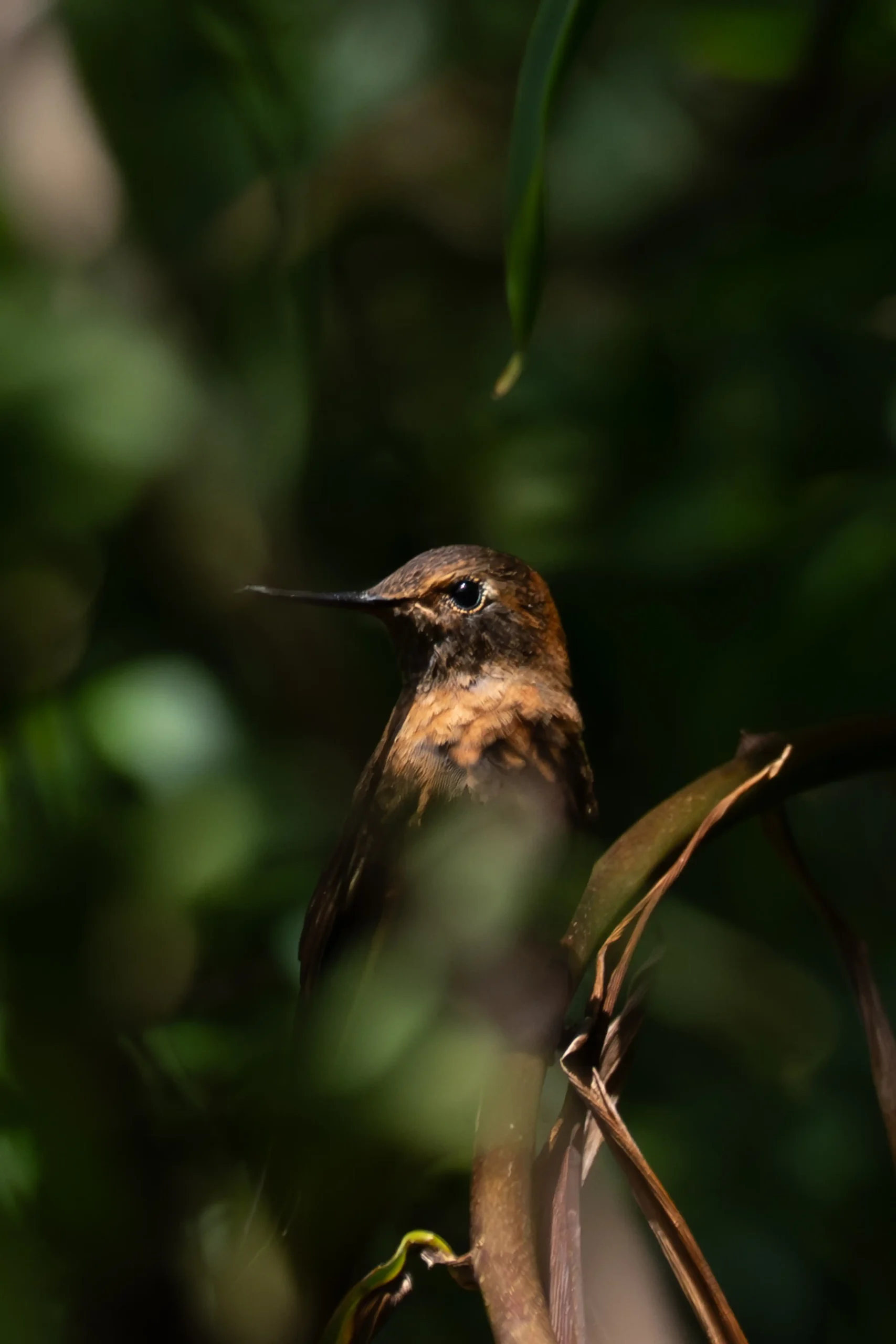
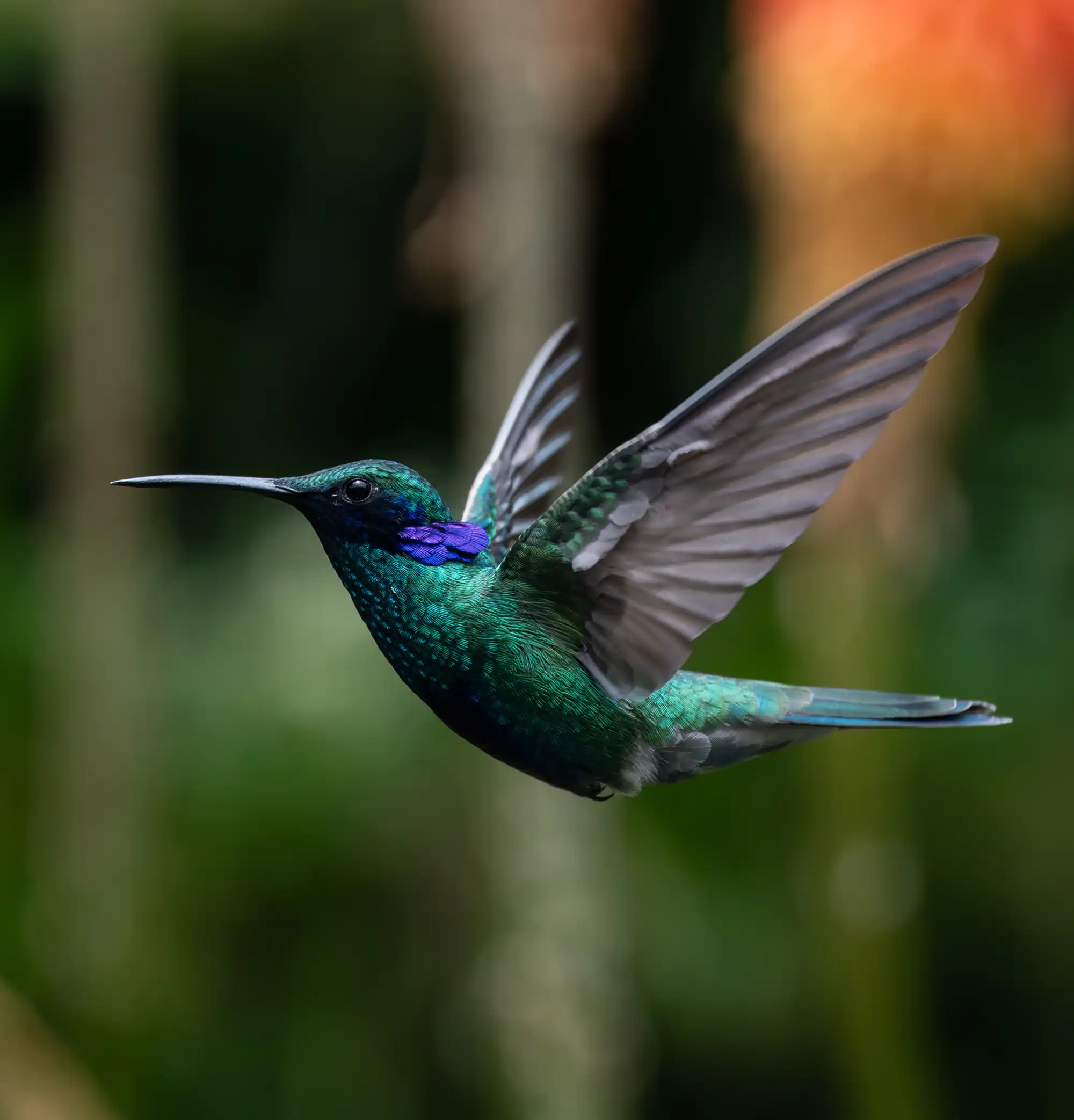
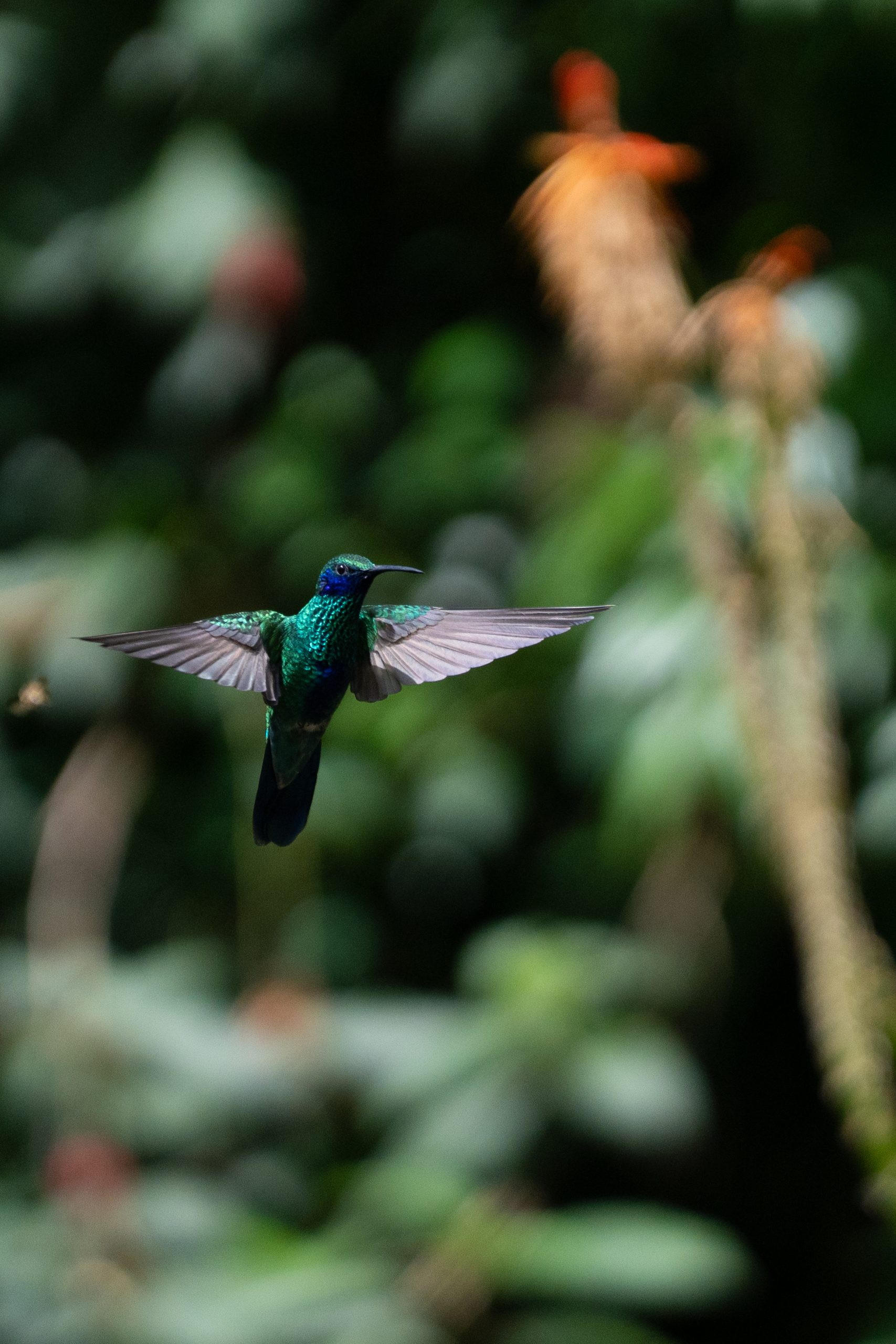
These hummingbirds can fit in the palm of a hand and weigh less than a coin. Inside that tiny body, their hearts can beat more than 1,000 times per minute, while their wings can flap up to seventy times per second, so fast that the human eye can barely perceive more than a blur accompanied by a faint buzz.
Yet this physiology operates at 4,000 meters above sea level, where air pressure is roughly 40 percent lower than at sea level and temperatures drop sharply as soon as the sun sets. Maintaining such a pace under these conditions demands a constant effort from southern Andean hummingbirds.
Here are five facts that help explain how they do it.
1. All Heart
In these birds, the heart is extraordinarily large relative to body size. According to New Scientist, it is the largest in the animal kingdom in proportion to body mass, accounting for around 2.5 percent of their total weight, while beating at more than 1,000 times per minute. During flight, the rate can rise even higher. For a human, the equivalent would be carrying a soccer ball inside the chest.
2. Not the Friendly Type
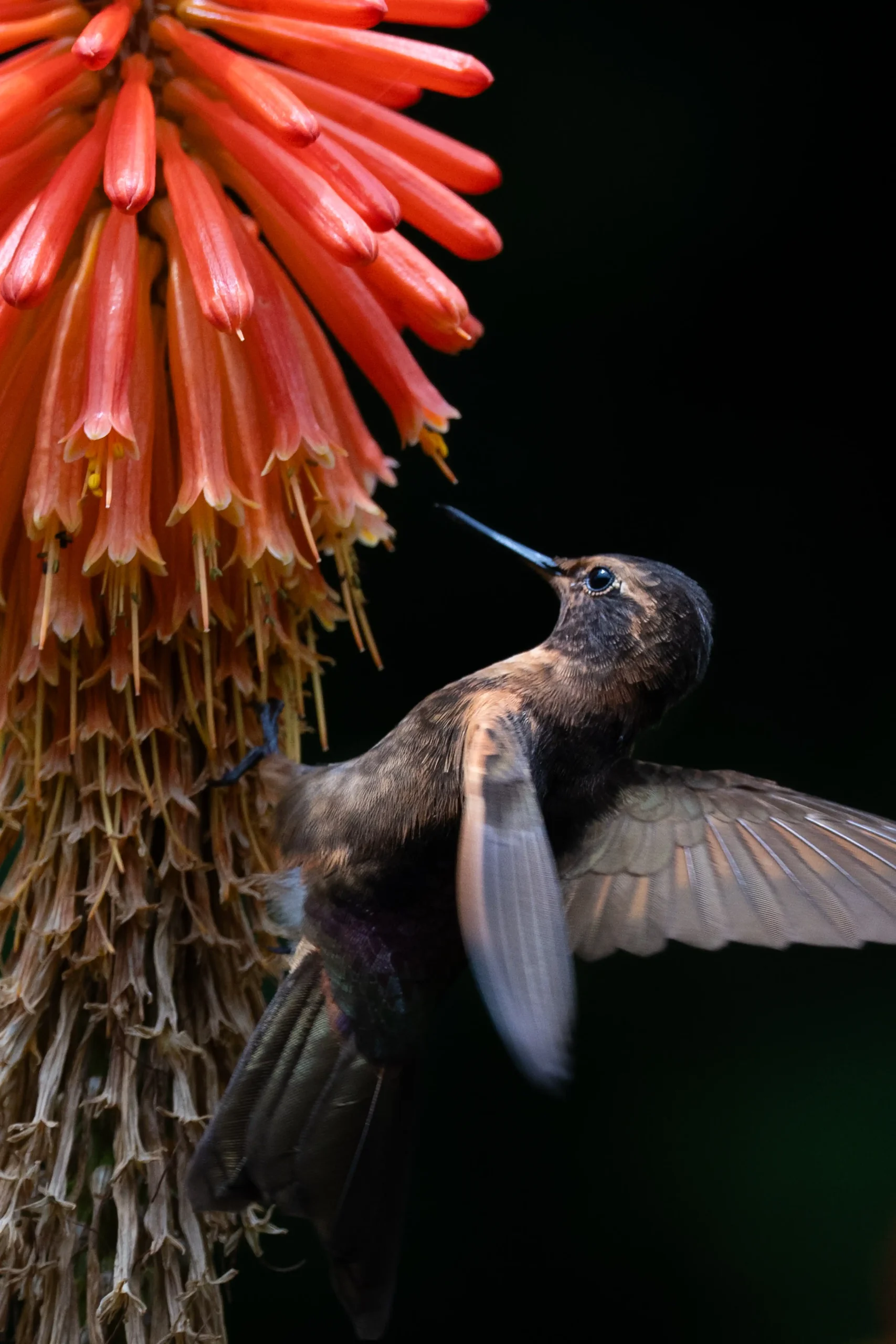
Hummingbirds do not fly in flocks. Instead, they defend territories around flowers rich in nectar. When another hummingbird enters their area, they may engage in fast and direct aerial confrontations. Such disputes are well documented within the Trochilidae family. Chasing an intruder requires considerable energy, so the bird constantly weighs the cost against the value of the resource. They defend a flower while it remains worthwhile, and when the energy spent driving rivals away approaches the energy gained from the nectar, they become less aggressive, replacing pursuit with displays and calls, or moving elsewhere.
3. Remarkable Memory
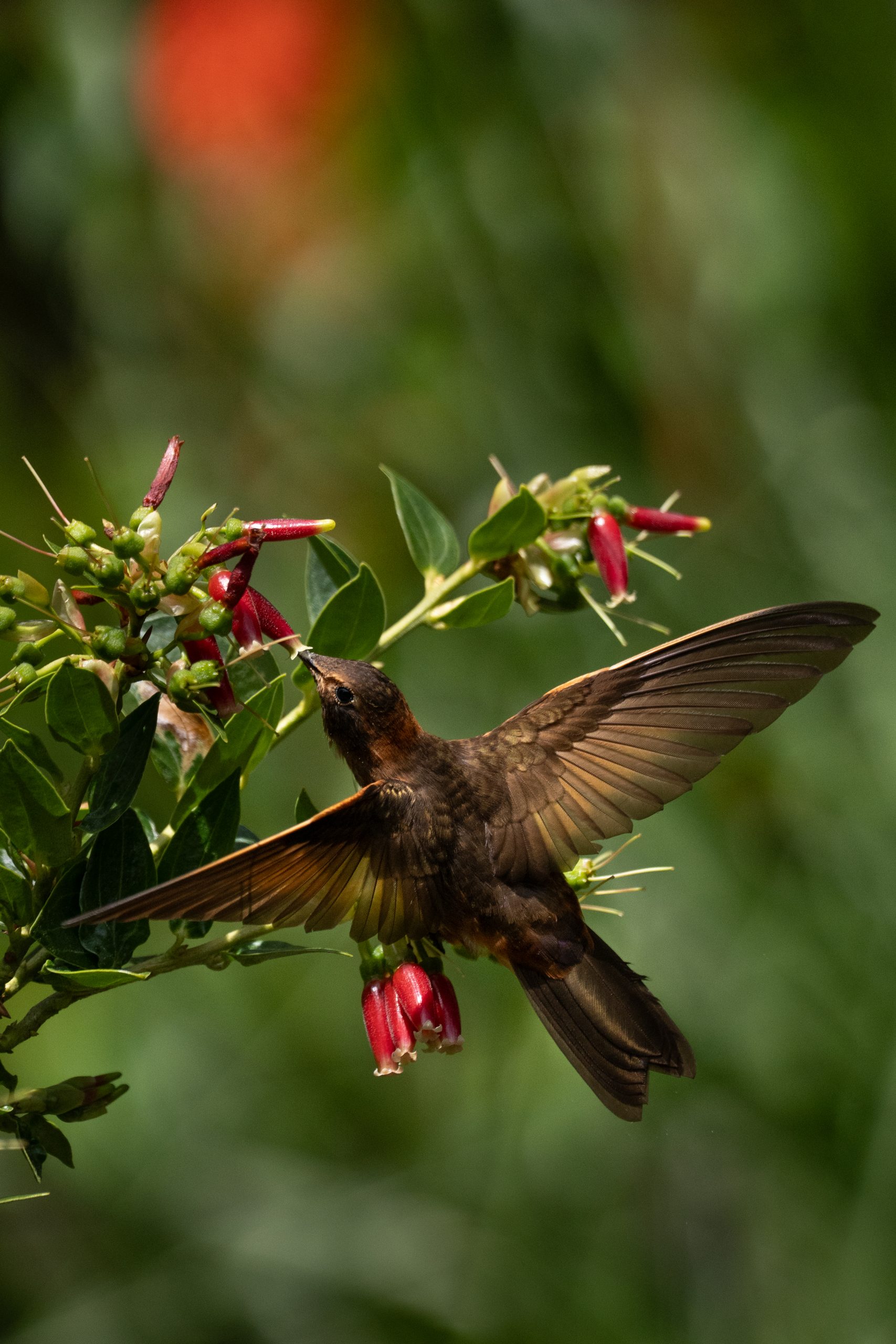
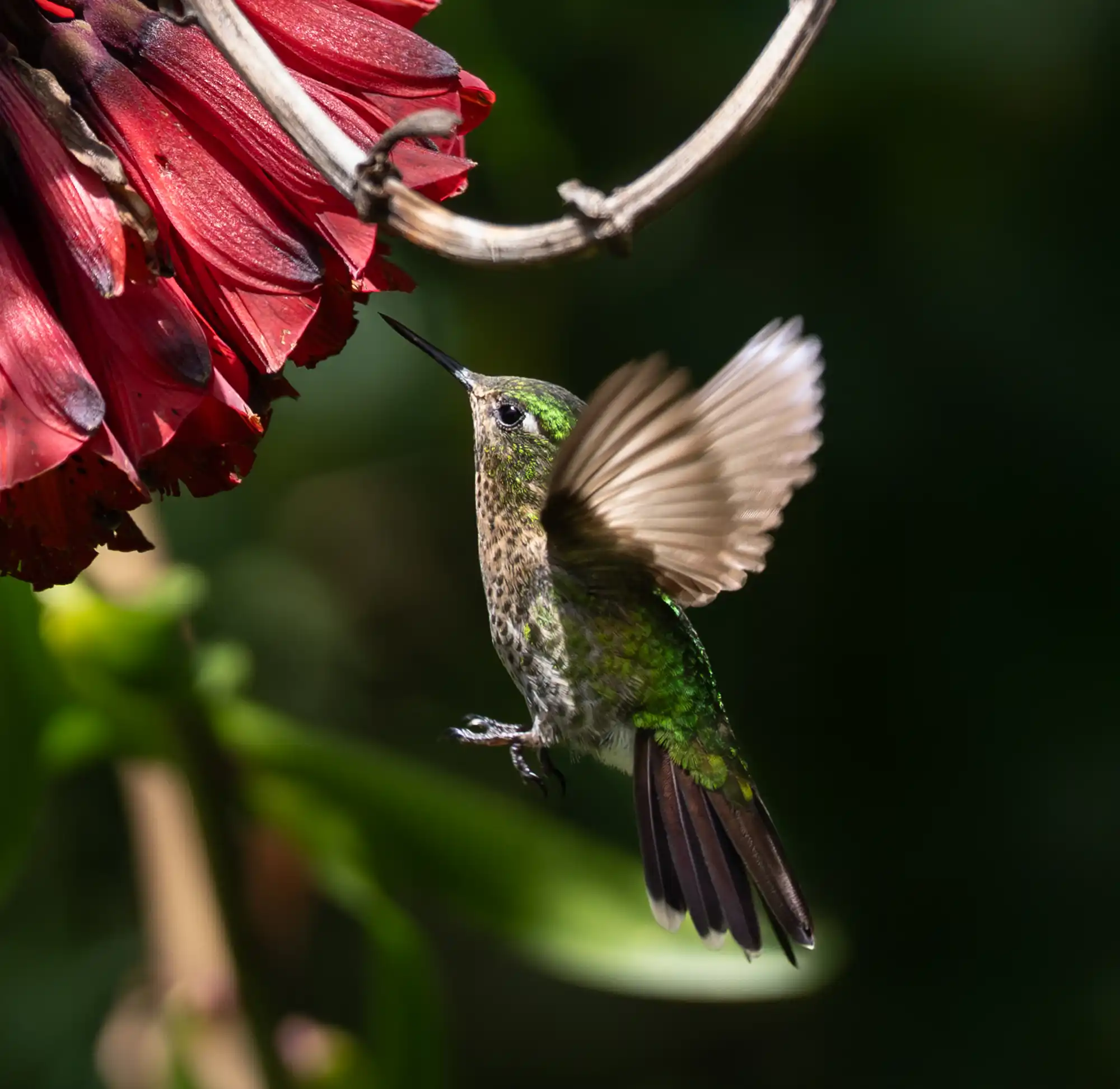
Hummingbirds have evolved to remember the locations of the flowers they visit. Behavioral experiments have shown that they can memorize which flowers they have already emptied and return when the nectar has replenished, timing their visits according to the refill rate of each flower. This spatial memory has been documented even in South American species such as the green-backed firecrown of southern Chile.
The foundation of this ability lies in the brain. The hippocampus, the region associated with spatial memory, is more developed in birds that depend on locating scattered resources. In hummingbirds, the hippocampus is enormous relative to brain size. One study found it to be between two and five times larger than that of other bird species.
4. No Fear of Heights
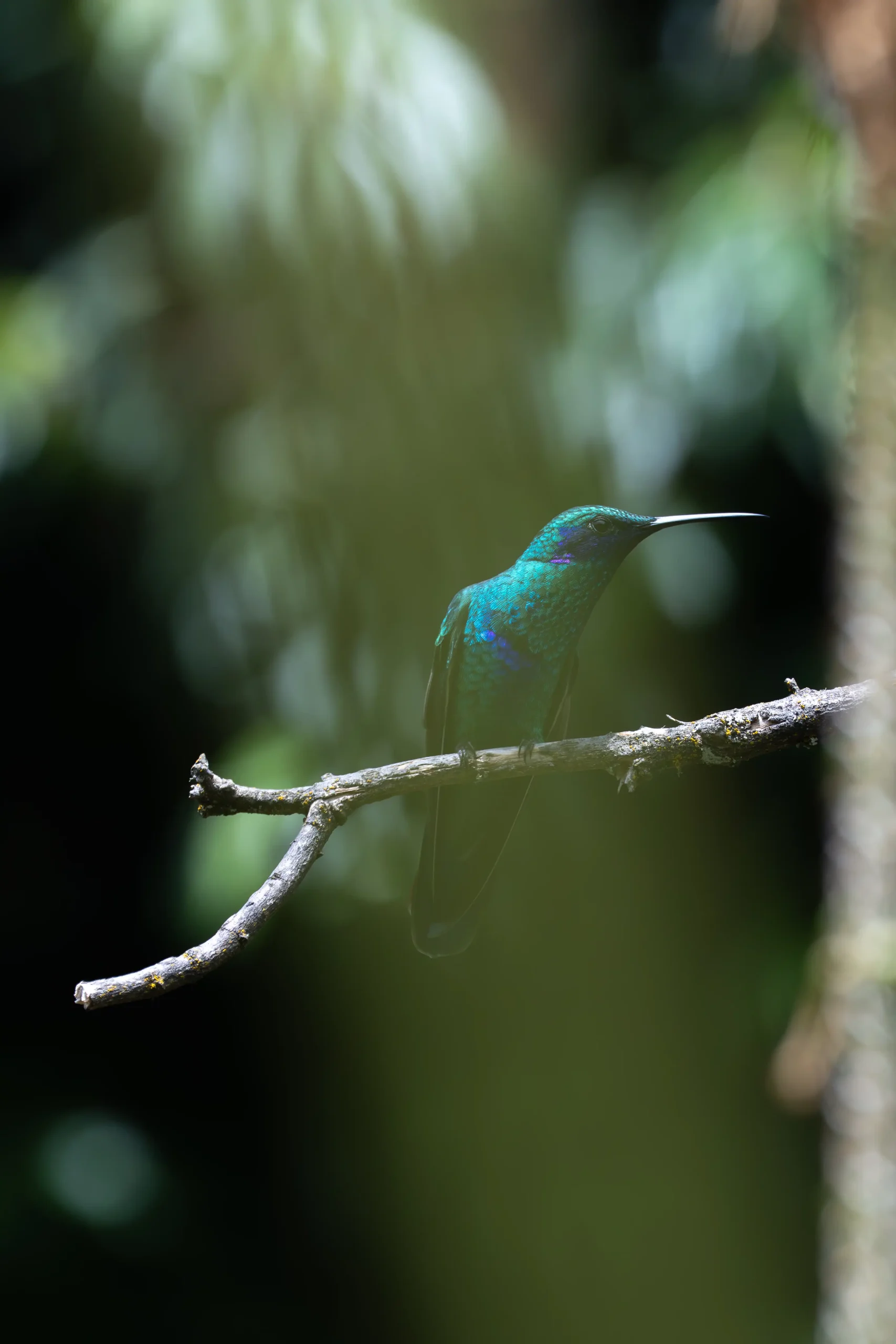
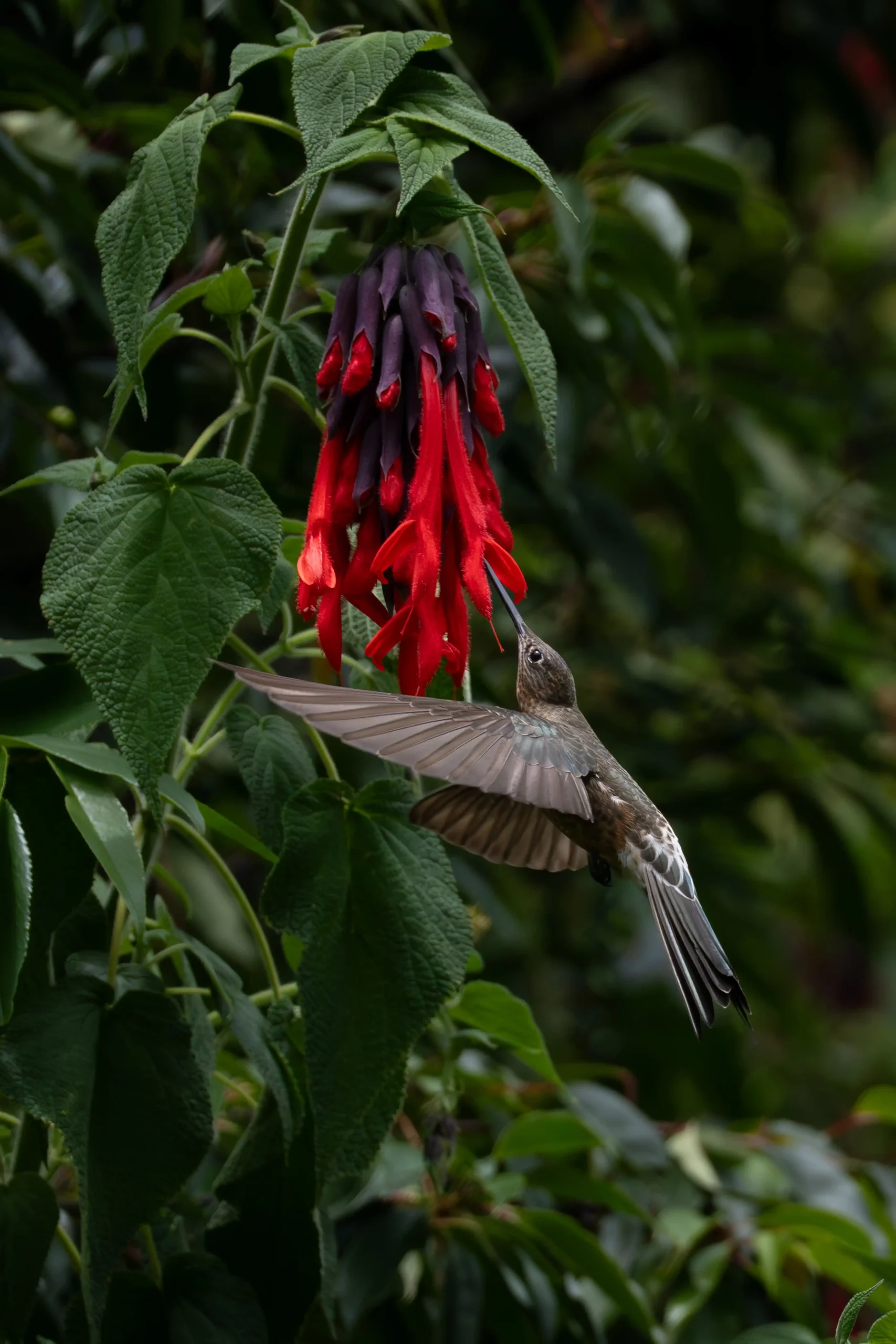
Andean hummingbirds thrive at high elevations. The Andean Hillstar (Oreotrochilus estella) inhabits the puna grasslands and has been recorded at elevations approaching 5,000 meters in the central Andes.
At such heights, oxygen levels are significantly lower than at sea level, making the hovering flight that characterizes hummingbirds especially demanding.
5. Their Problems Are Not Small
Deforestation and land-use change are affecting the high-Andean ecosystems inhabited by many hummingbird species.
The International Union for Conservation of Nature (IUCN) lists several Andean species as threatened or experiencing population declines. Because they are highly specialized pollinators, their disappearance can directly affect plant species whose flowers have evolved in close association with their morphology.
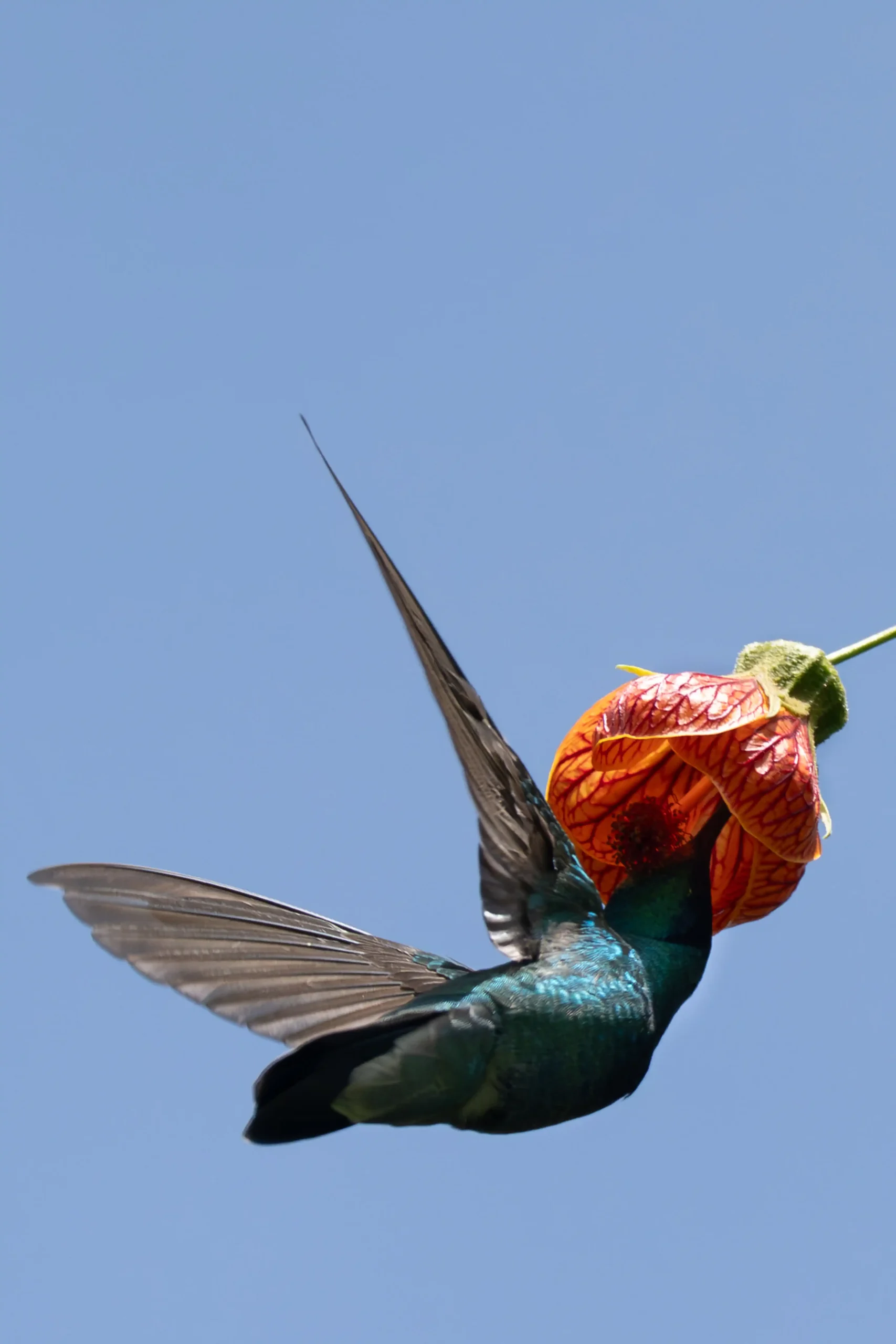
Southern Andean hummingbirds are so extraordinary that they can hardly be contained within five facts. We could also talk about their ability to enter torpor, a state in which they lower their body temperature and heart rate during the night to conserve energy and survive extreme cold. Or about how some high-Andean species have evolved variants of hemoglobin that allow them to capture oxygen more efficiently in thin air. For centuries, they were also associated with Huitzilopochtli, the Aztec god of war, because of their extraordinary ability to remain suspended in midair.
Their existence embodies millions of years of evolution and reminds us how much remains to be understood about the species with which we share the Earth.