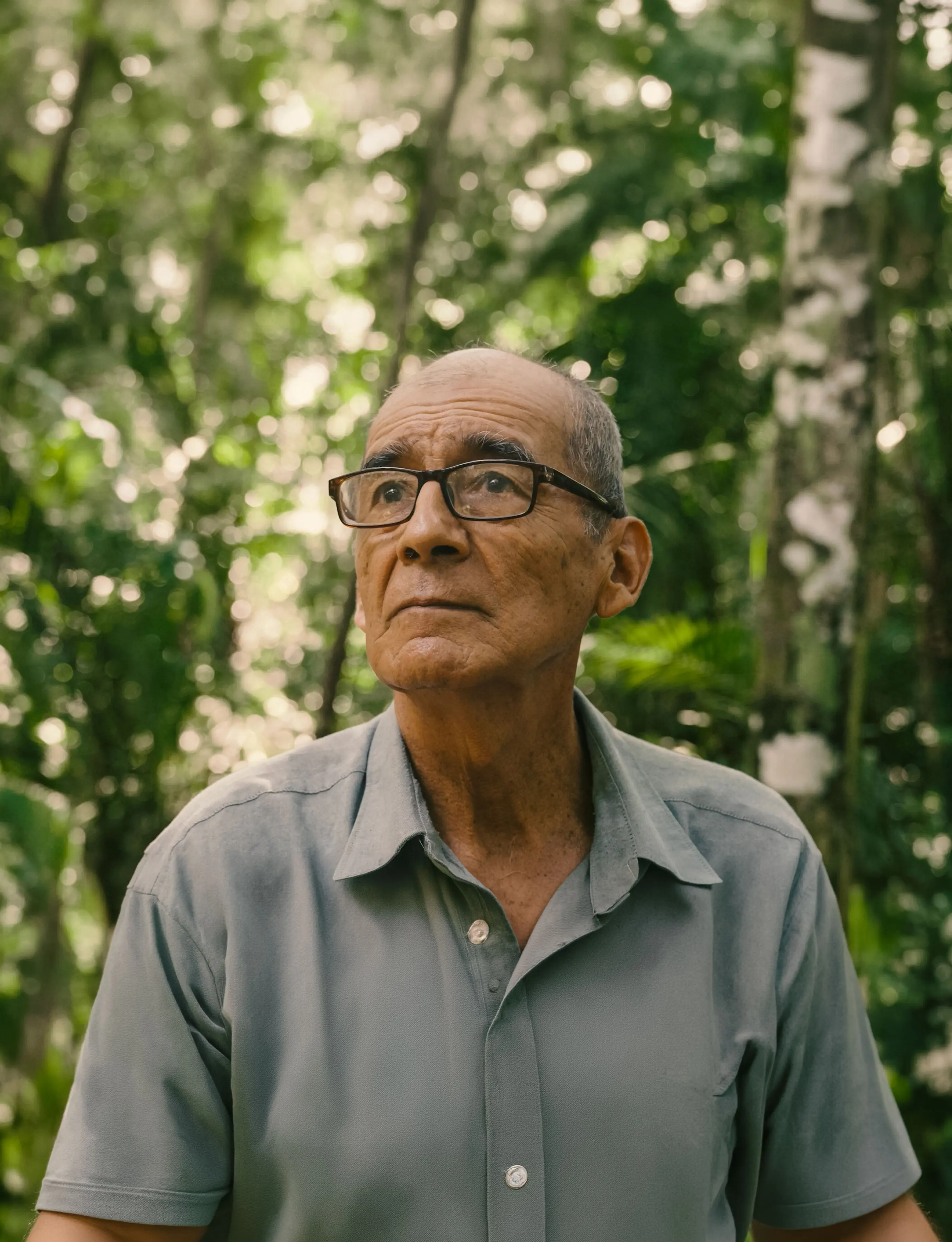
Olivia Bisa
At eleven, she was promised in marriage without anyone asking her. Today she is the first woman to lead the Autonomous Territorial Government of the Chapra Nation in the Peruvian Amazon, and she and her family have survived eight attacks for defending their territory.
Being born a woman among the Chapra
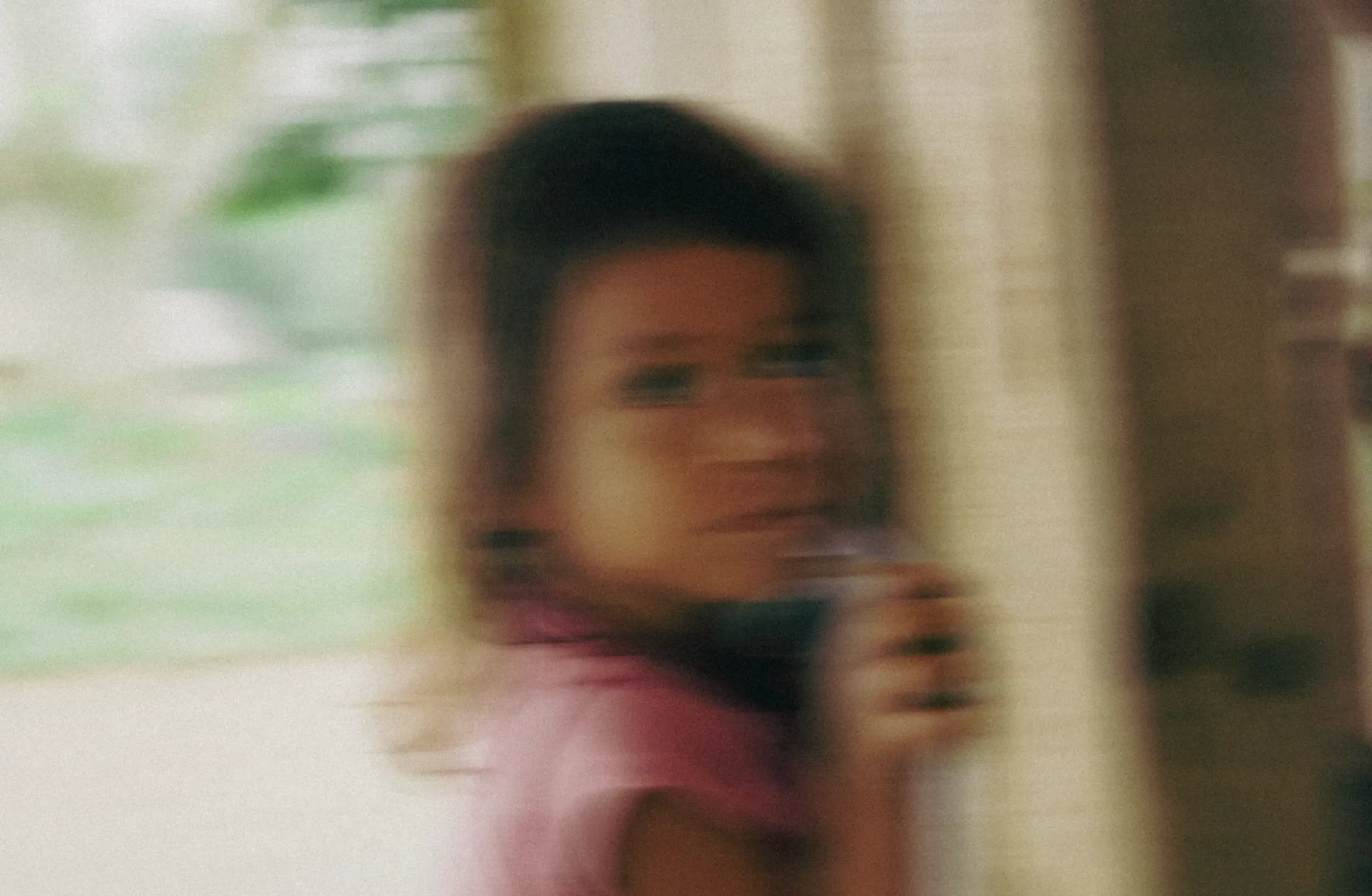
Olivia Bisa Tirko was an eleven-year-old girl when her mother told her it was time to “settle down.” The engagement had been arranged and the man had already been chosen. “For me, it was like a bucket of cold water,” she recalls.
Her family has led the Chapra Nation for generations, and it was her father who founded the first Chapra federation of Morona. “I wanted to be like my dad. From a very young age I watched how he led his people, how he organized the community. I dreamed of doing the same,” she says. “Whenever I talked to my dad, he always told me, ‘you’re absolutely right, but unfortunately you’re a woman.’”
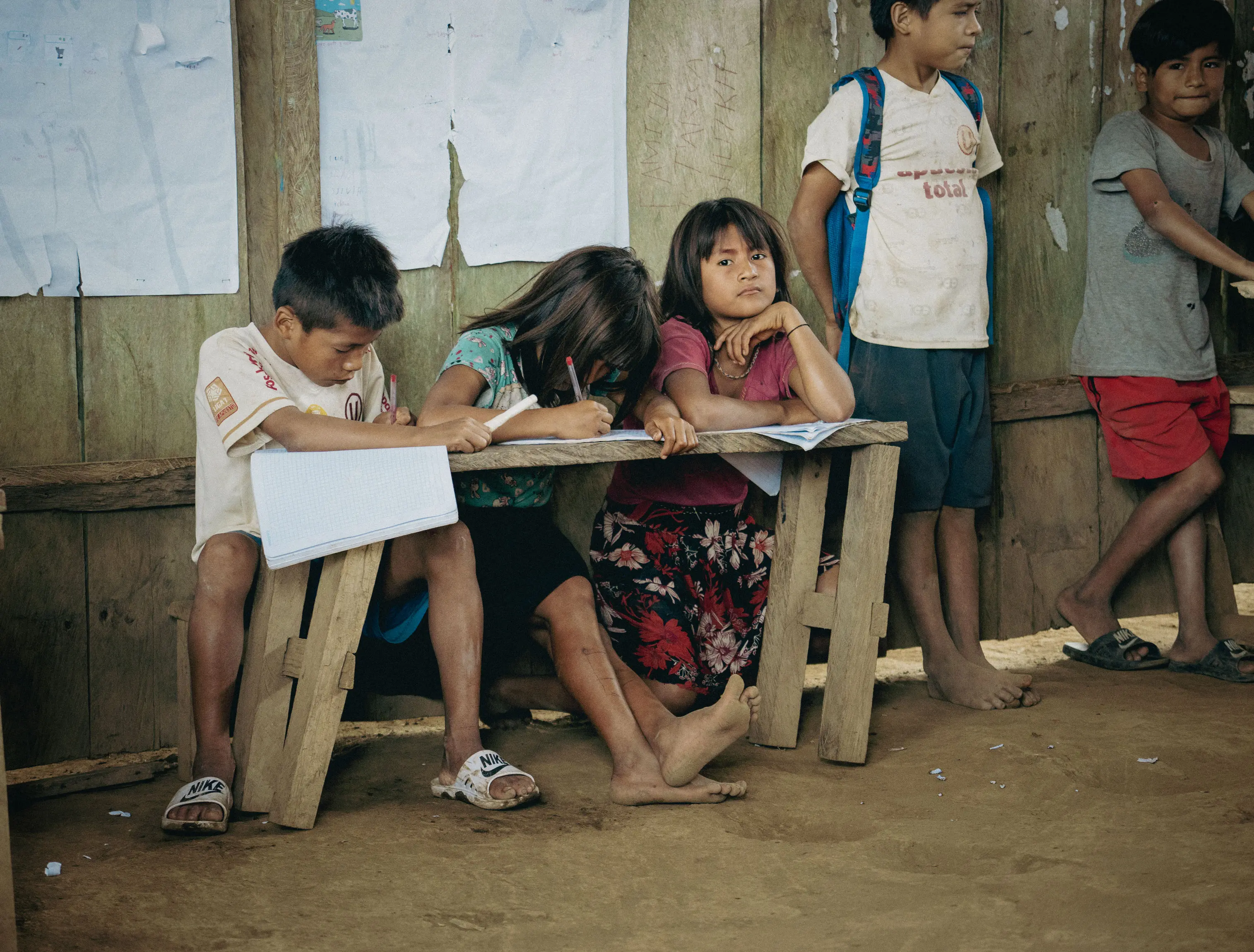
That was how things worked in her community. “They didn’t allow daughters to study. What they taught girls was to cook, to wash, to be a good wife, the things of a woman married off from a young age. I saw my sisters with husbands when they were still very little.”
But girls were not the only ones denied schooling. According to Olivia, 95% of the Chapra people cannot read or write. There is no official figure for her people, but INEI’s 2017 census ranks Datem del Marañón, the province where they live, as the one with the highest illiteracy rate in Loreto.
Saving herself was not enough
“I ran away very far, all the way to the coast, up north, and I worked for five years without being paid a single sol. The truth is they let me study, and for me that was enough. I learned to cook northern food, I finished secondary school and I decided to go back. By then I spoke Spanish very well, I knew how to write, I knew a little about using a computer.” The leader remembers the words her aunt told her before she left home. “She looked at me, took my hand and said, ‘your soul is that of a brave jaguar. If you’re going to do it, do it, and be the example for the many women who are here. Come back for your people.’”
The machismo that shaped her did not make her submissive, but it drove her away from her birthplace and she had to chart her own way back. “If I stayed in the city, what was the point of sacrificing so much if I was the only one who would be safe?” she asked herself. “In the past, when a daughter refused to marry, they killed her, her own father killed her. I didn’t want that future for my children or for my sisters.”
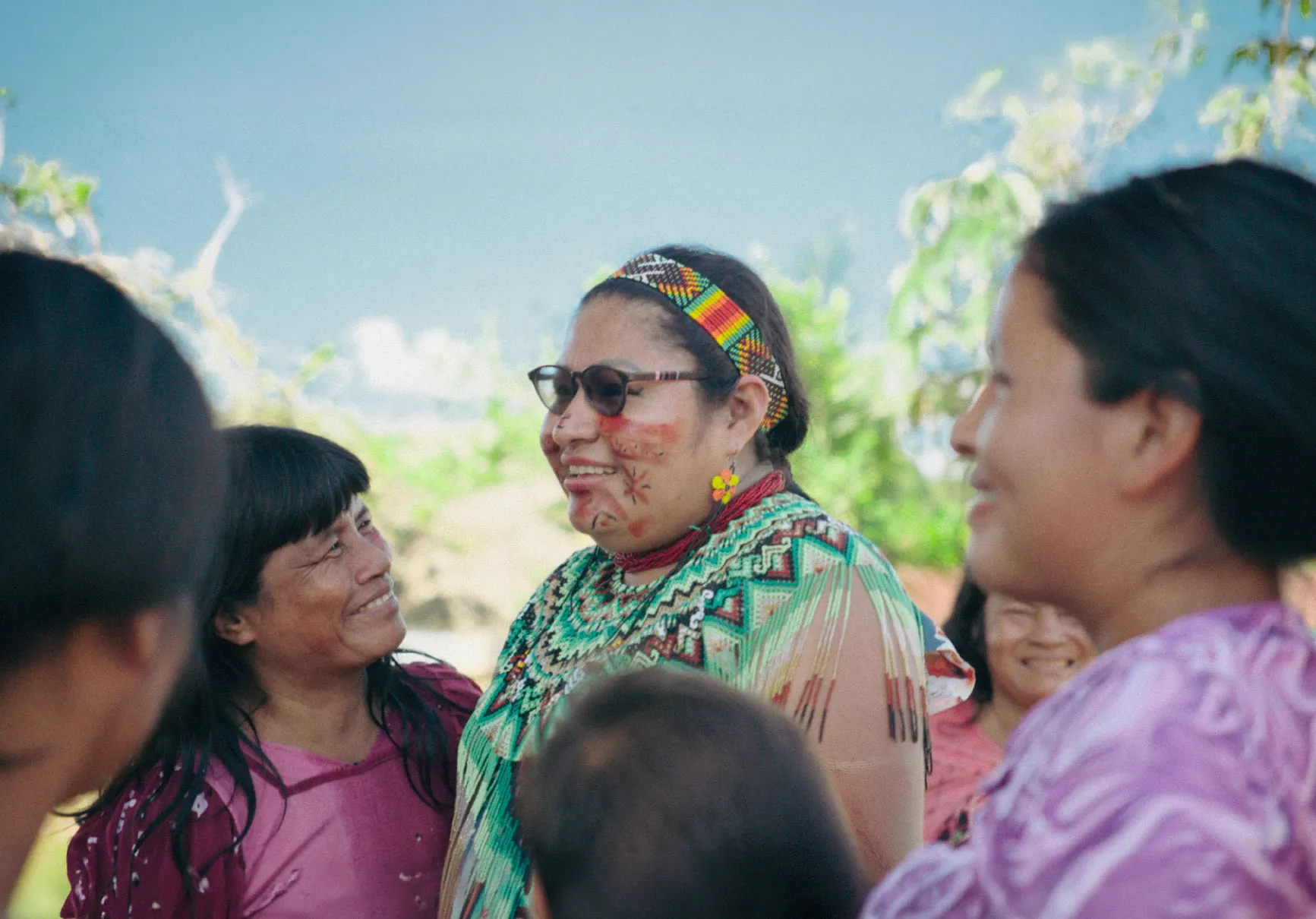
Olivia Bisa
The first woman president
In August 2022 she was elected president. It was the first time in the history of the Autonomous Territorial Government of the Chapra Nation that a woman held the post. Yet for the Chapra this is nothing new. Before colonization, women held a central place in community life and in caring for the territory, until the arrival of settlers, and later extractive industries, disrupted the organization of many Amazonian peoples who, like them, have lived for centuries in the province of Datem del Marañón, in Loreto. Olivia’s leadership is a return to that recognition. “The challenge is twice as hard. When a man makes a mistake, it’s as if everything is fine, it’s over. But when a woman makes a mistake, she’s already condemned.”
Even under that pressure, she stands by the results of her administration and says they have managed to prevent 90% of homicides and femicides. “We have been able to prevent 95% of family violence, something not even the judiciary could achieve in my nation,” she says.
Less than a month after she took office, the Northern Peruvian Pipeline ruptured at kilometer 177 and crude oil contaminated the rivers that several Chapra communities relied on for water and fish, threatening their livelihoods. This event pushed Olivia Bisa into a firm fight to demand environmental remediation of the territory. On top of that is her open opposition to Lot 64, an oil block overlapping her territory in the district of Morona, in the province of Datem del Marañón, which Petroperú wants to exploit. Because the contract was signed in 1995, it is still being debated whether the State is required to consult Indigenous peoples before moving forward.
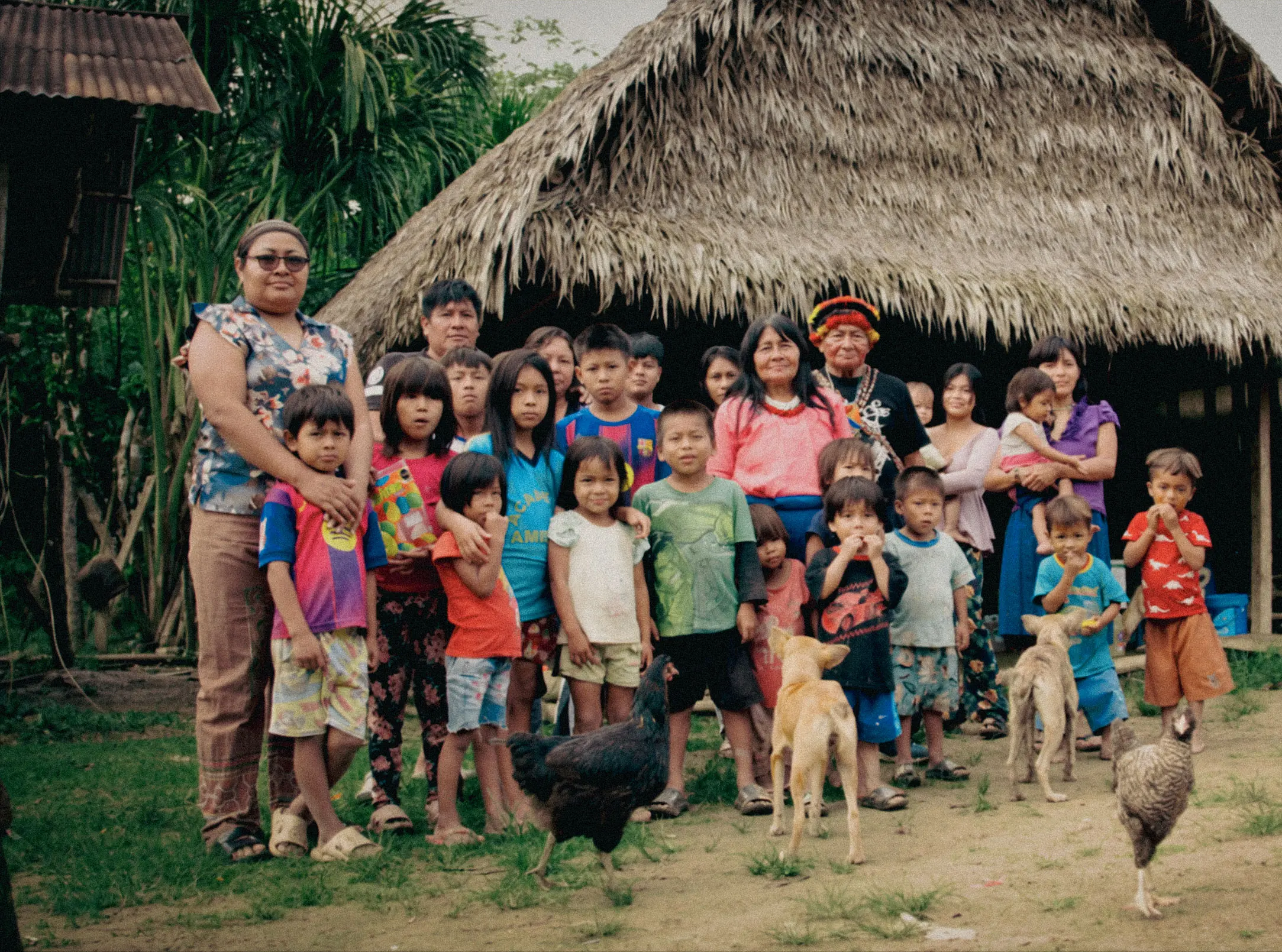
Who protects environmental defenders?
Olivia has denounced oil spills, illegal mining and logging, the arrival of drug traffickers, and a highway, the Iquitos–Saramiriza road, which she says would cross Chapra territory without benefiting her people. These complaints have put her in the sights of criminals.
This year a mototaxi cut in front of the vehicle Olivia was traveling in with her family and forced them to swerve to avoid going over a cliff. According to the Chapra Nation, the occupants followed them to the community of Angamos, where one of them pretended to point a gun at her head.
Olivia has now reported eight attacks against her and her family because of her work. She is recognized as a defender under the State’s intersectoral mechanism, but for Vladimir Pinto, Amazon Watch’s lawyer in Peru, that recognition falls short. “She has filed several complaints over the years for threats she has received, verbal aggression or attempts to break into her family’s home. Very specific actions are taken, she has been given the guarantees the State provides, but that doesn’t translate into effective protection in the territory.”
Her work was recognized in 2025 with the Global Award for Environmental and Climate Justice, granted by the organization Forum Eco-Social Transformations in Vienna. Olivia is preparing to step down in 2026 and places her hopes in the young people of her nation. “Our young people have to start learning what our history is, what our background is. They have to value all this sacrifice, because many men and women even gave their lives to defend our common home.”