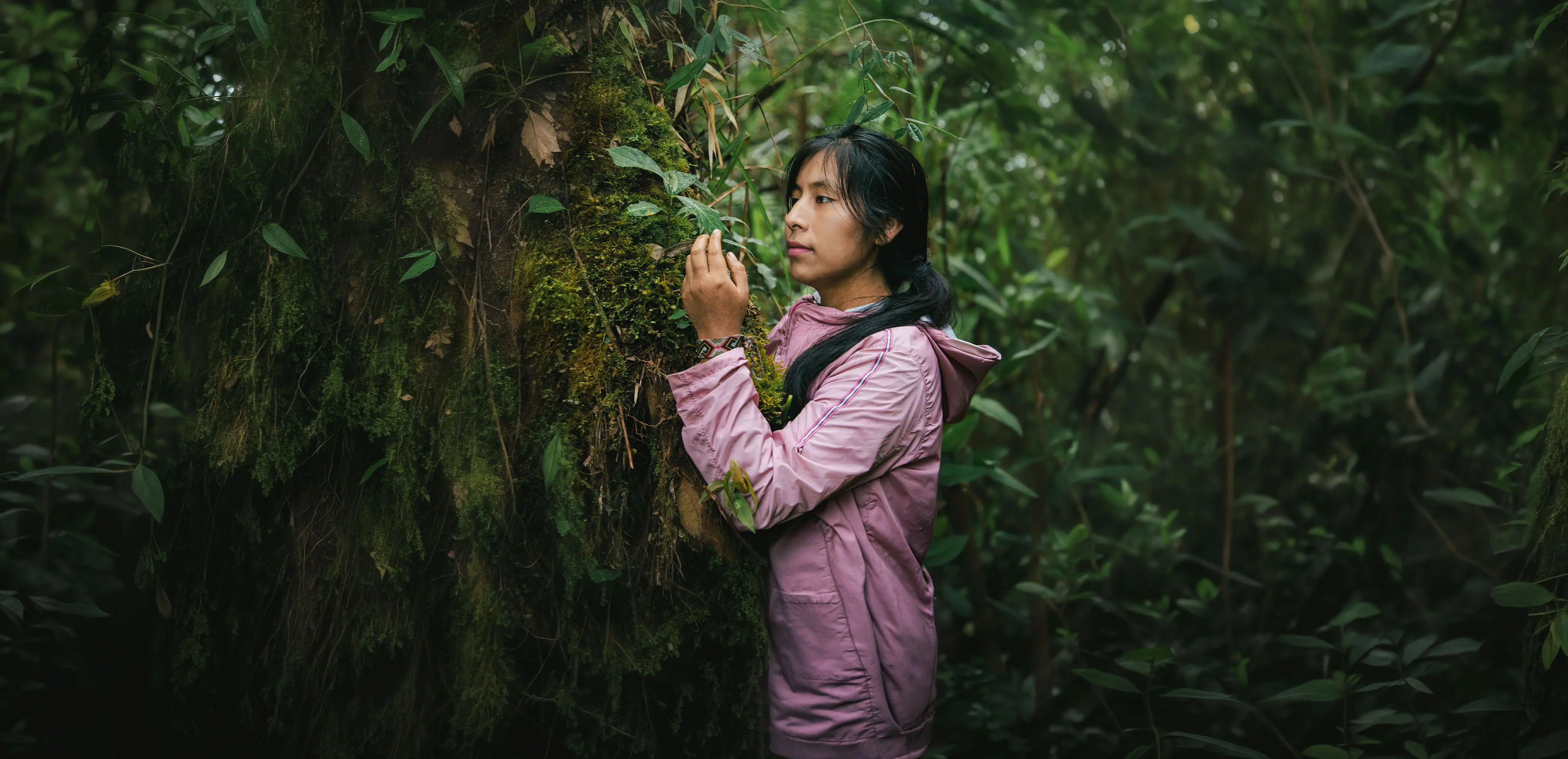
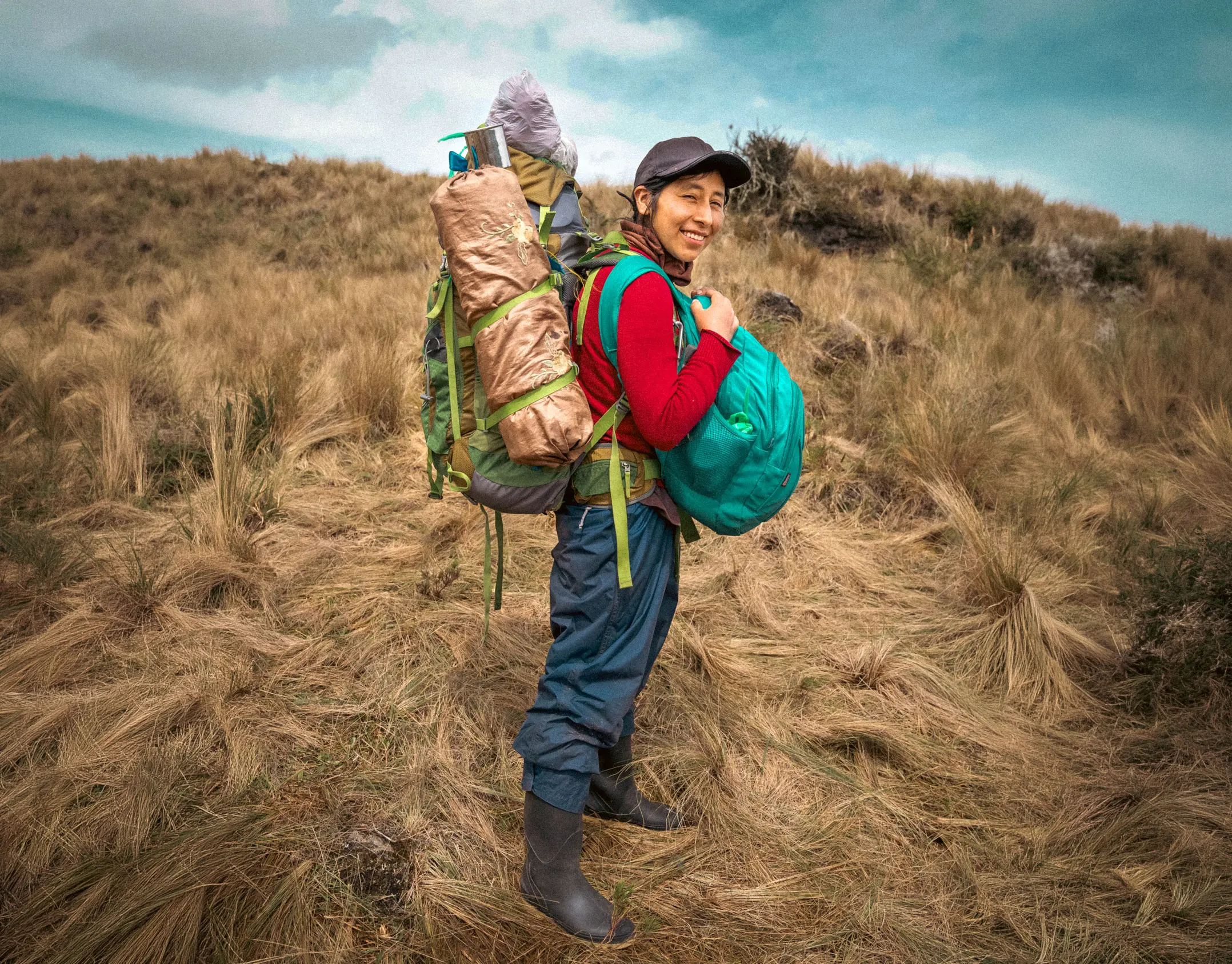
In the Peruvian Amazon, Rosio Vega Quispe buries cups flush with the ground and baits them with human feces. It’s the most effective hook for the species she came to study. The method demands patience and rigorous records, and it has to be repeated at different points and different times for the results to be reliable. “At first the subject disgusted me, the raw material of the project wasn’t exactly appealing,” admits the biologist.
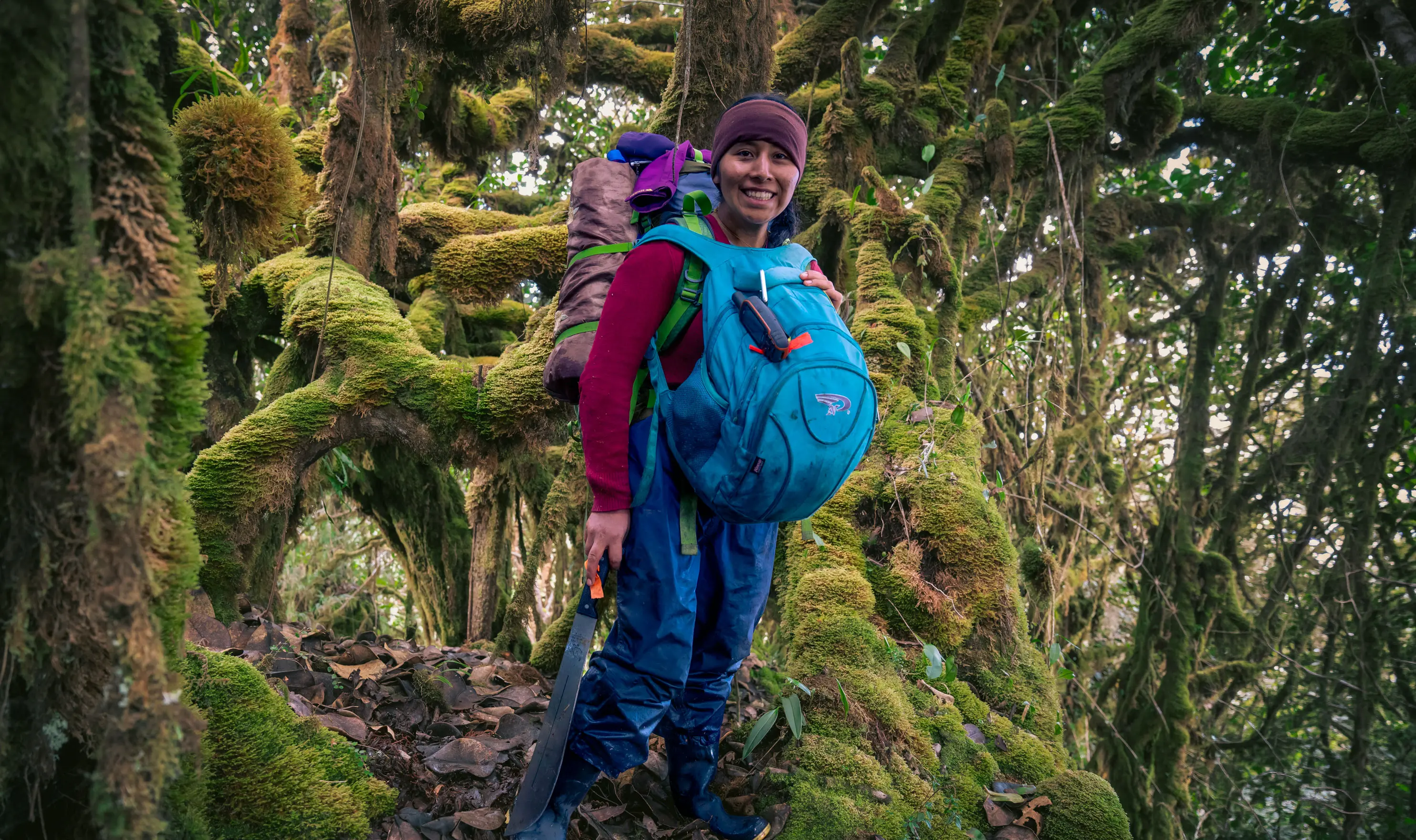
The disgust we feel for them and their raw material has a reason behind it. “It has an adaptive origin,” explains Vega. “It’s an emotion that evolved to protect us from contact with substances that can transmit disease, like rotten food, feces, or decomposing flesh.” That same emotion kept us alive, but it also made us look away from the work these animals do beneath our feet. “It’s made us overlook the fundamental role they play in the forest,” she says.
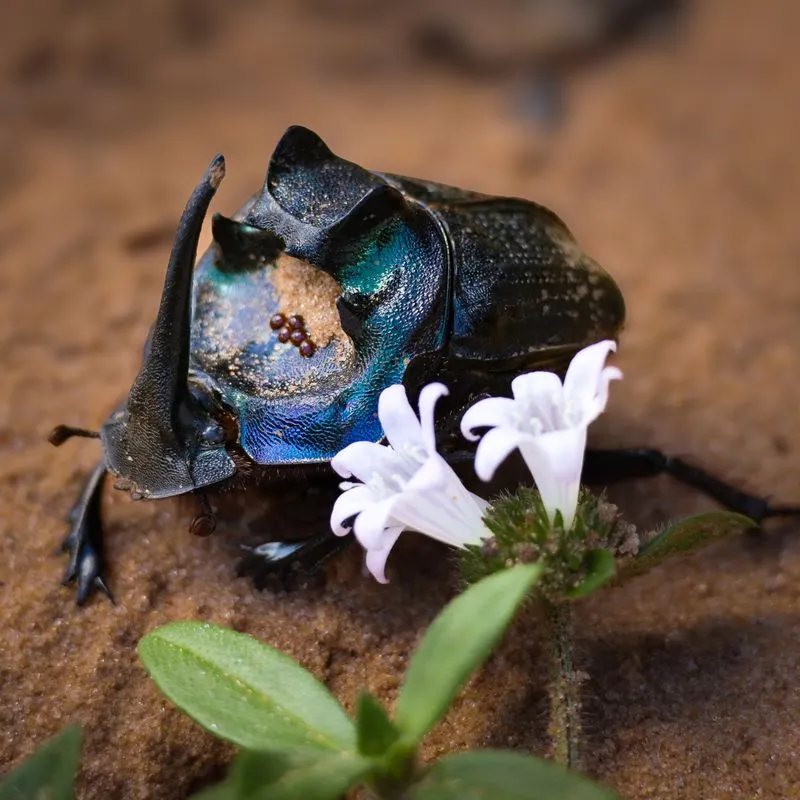
Although Vega went into biology to study plants, after finishing her studies in Cusco she joined the Los Amigos biological station, in the Peruvian Amazon, as part of the team researching dung beetles. Over time, dung stopped being taboo. “It ended up becoming part of our everyday conversations, even while we ate.” Without knowing it, she had arrived in one of the regions with the most dung beetle species in the world, around 205. “That was mind-blowing. Metallic colors, incredible shapes, surprising horns.” What started with plants stayed with the bugs. “I fell in love with bugs in general. It was like discovering a new dimension of nature, full of shapes, functions, and invisible connections.”
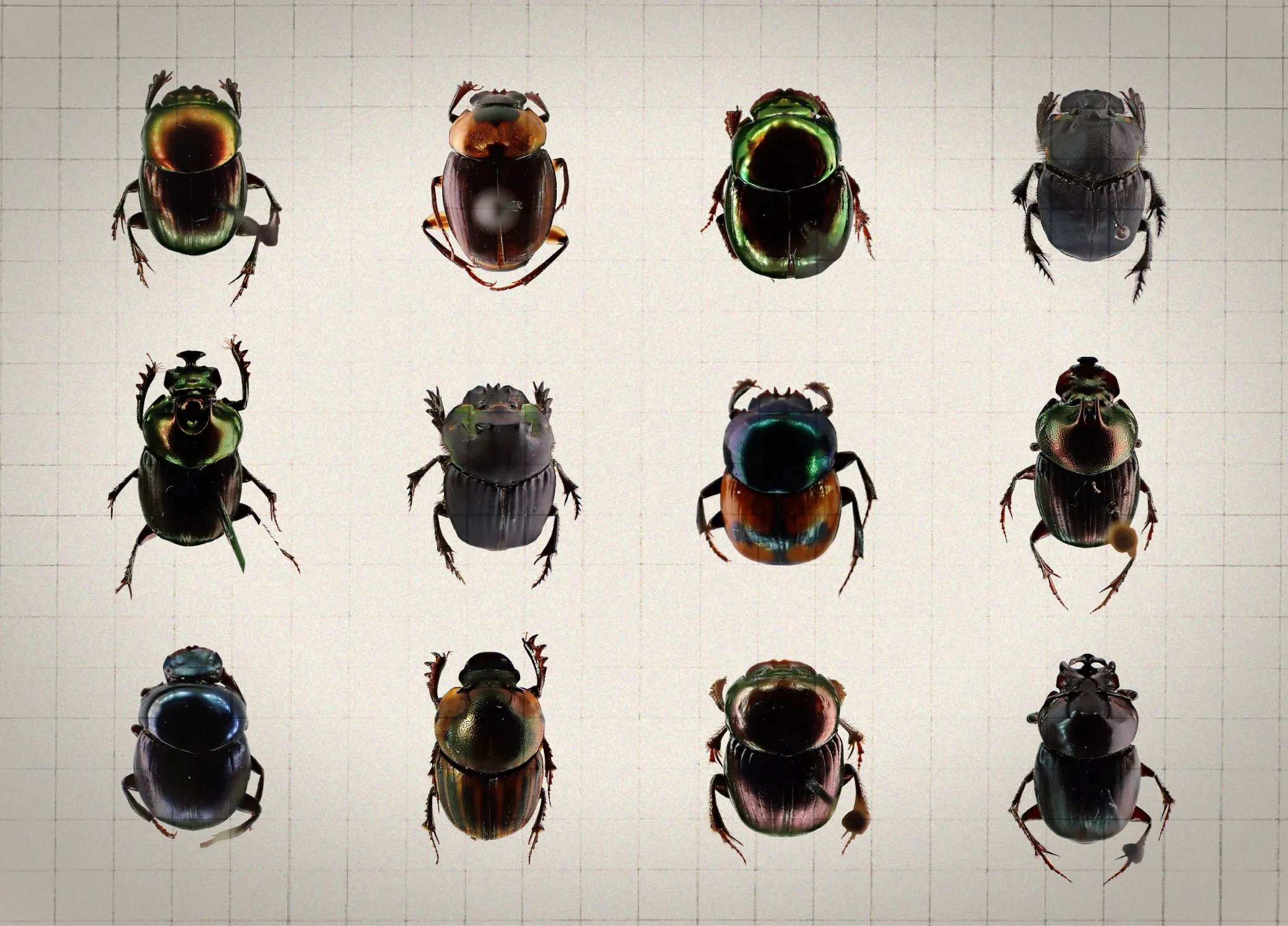
What fascinated Vega about beetles is also what keeps the forest healthy. By burying and recycling organic matter, these insects do quiet but essential work for the ecosystem. “When dung beetles are present, the forest tends to be in good shape,” says the biologist. “When they’re missing, or a single species dominates, something is wrong with the ecosystem.” By moving dung around, these beetles disperse seeds and fertilize the soil. By burying decomposing matter, they slow the buildup of pathogens. Some species stand out especially at this task. Coprophanaeus lancifer, the largest in South America, grows up to 55 millimeters and weighs up to 10 grams, more than most hummingbirds, and can bury an entire dead animal before it rots out in the open. Others stand out for how specialized they are. “There are beetles that live in the fur of titi monkeys, others that hunt centipedes, some that live in symbiosis with leaf-cutter ants.”
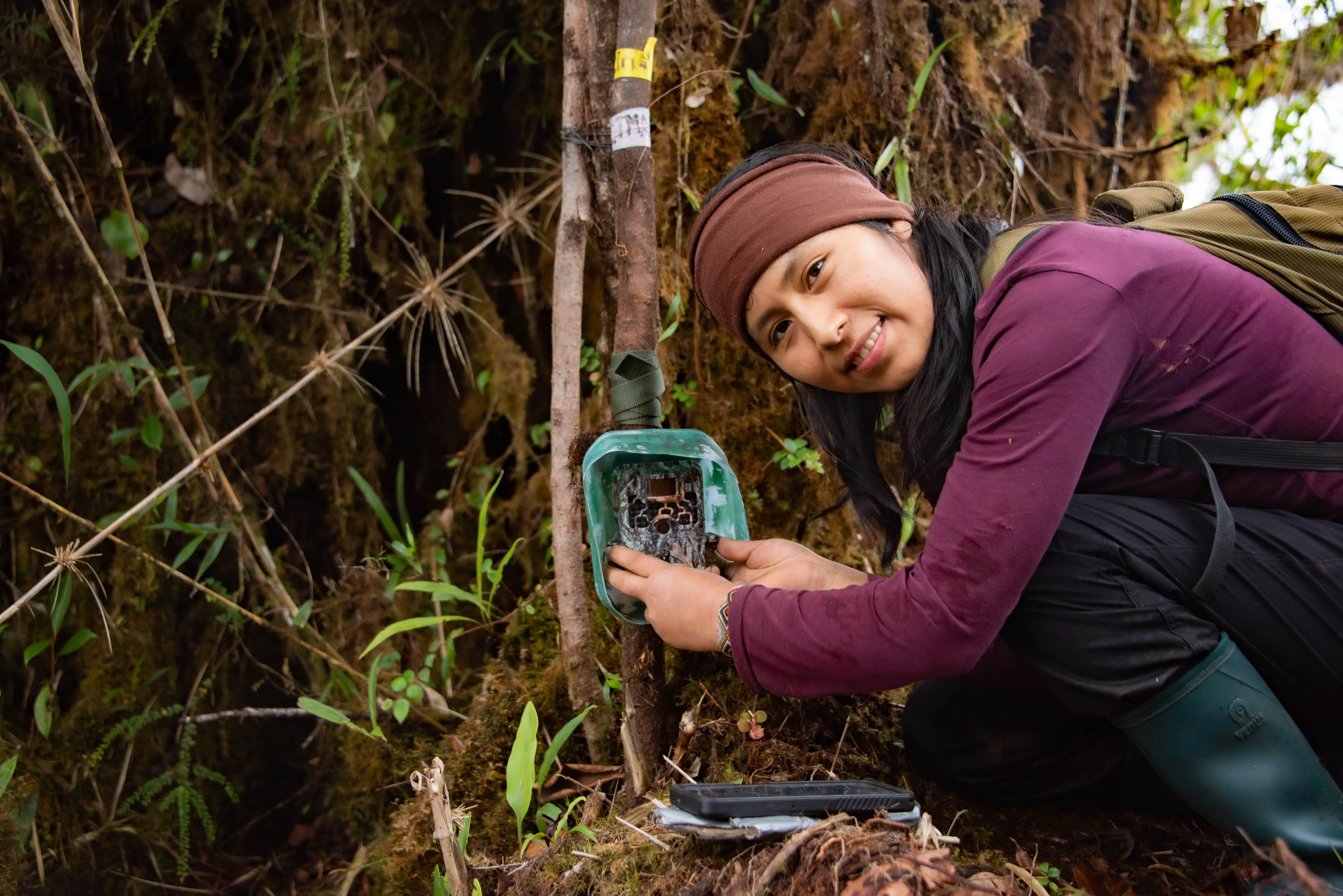
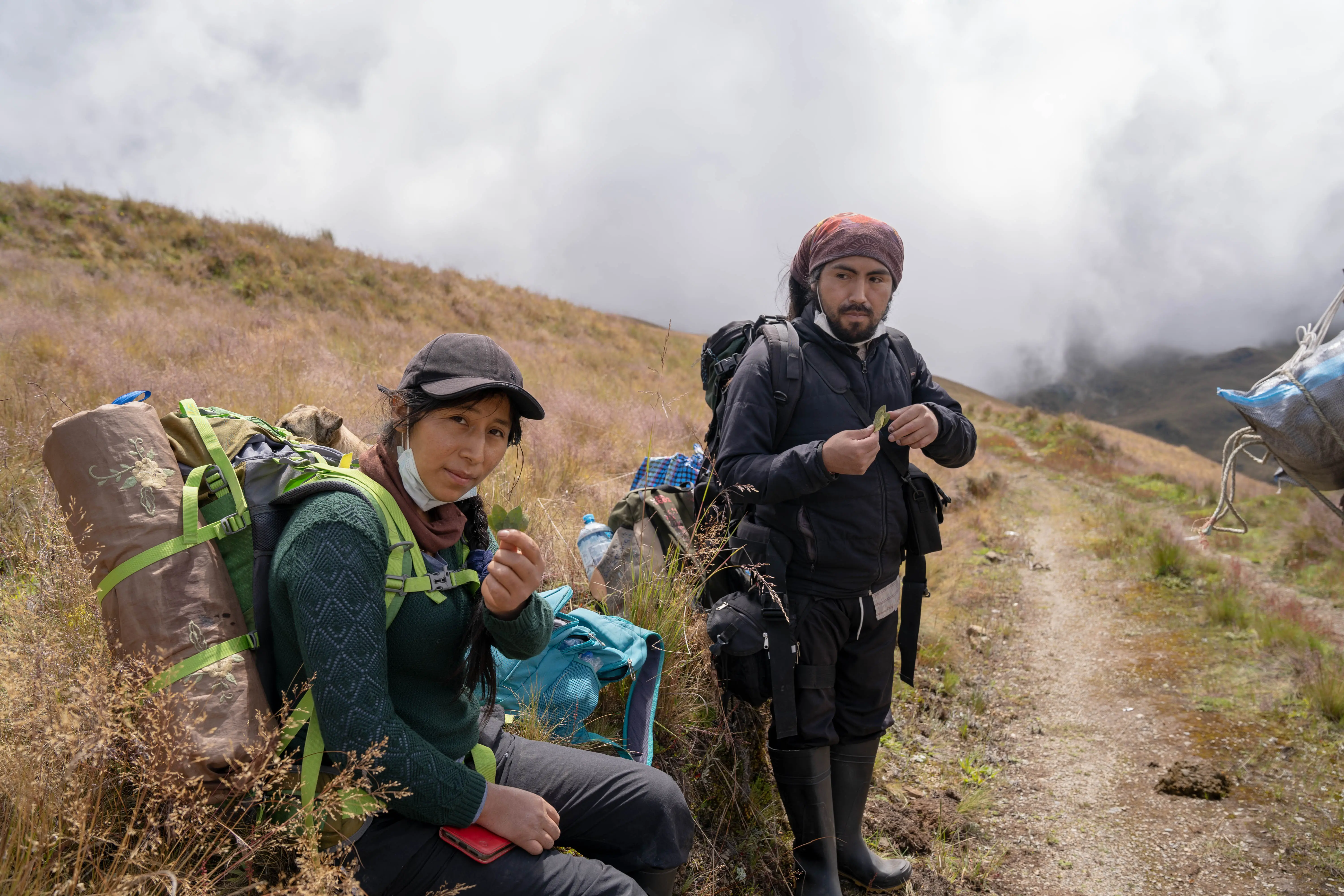
The best proof of what they’re for is what happens when they’re gone. In Costa Rica, a researcher brought Vega into a study built around an unsettling question. What would happen if vultures disappeared? Could flies and beetles handle the carcasses on their own? The study, now published, found that they could, but at a cost. The process took twice as long, and the number of flies on the bodies doubled. Removing one piece doesn’t stop the system, it makes it sick. “Each species plays a key role, and losing them has deep consequences for the balance of ecosystems.”
Finding so much variety in the field, Vega assumed a guide to identify these beetles must already exist. It didn’t. “So I decided to roll up my sleeves and make one,” she says. She put it together with colleagues at Osa Conservation, in Costa Rica. The guide covers more than 60 species and is available online. “We decided to create this guide to help other dung beetle lovers recognize them, appreciate them, and why not, fall in love with them the way we did.”
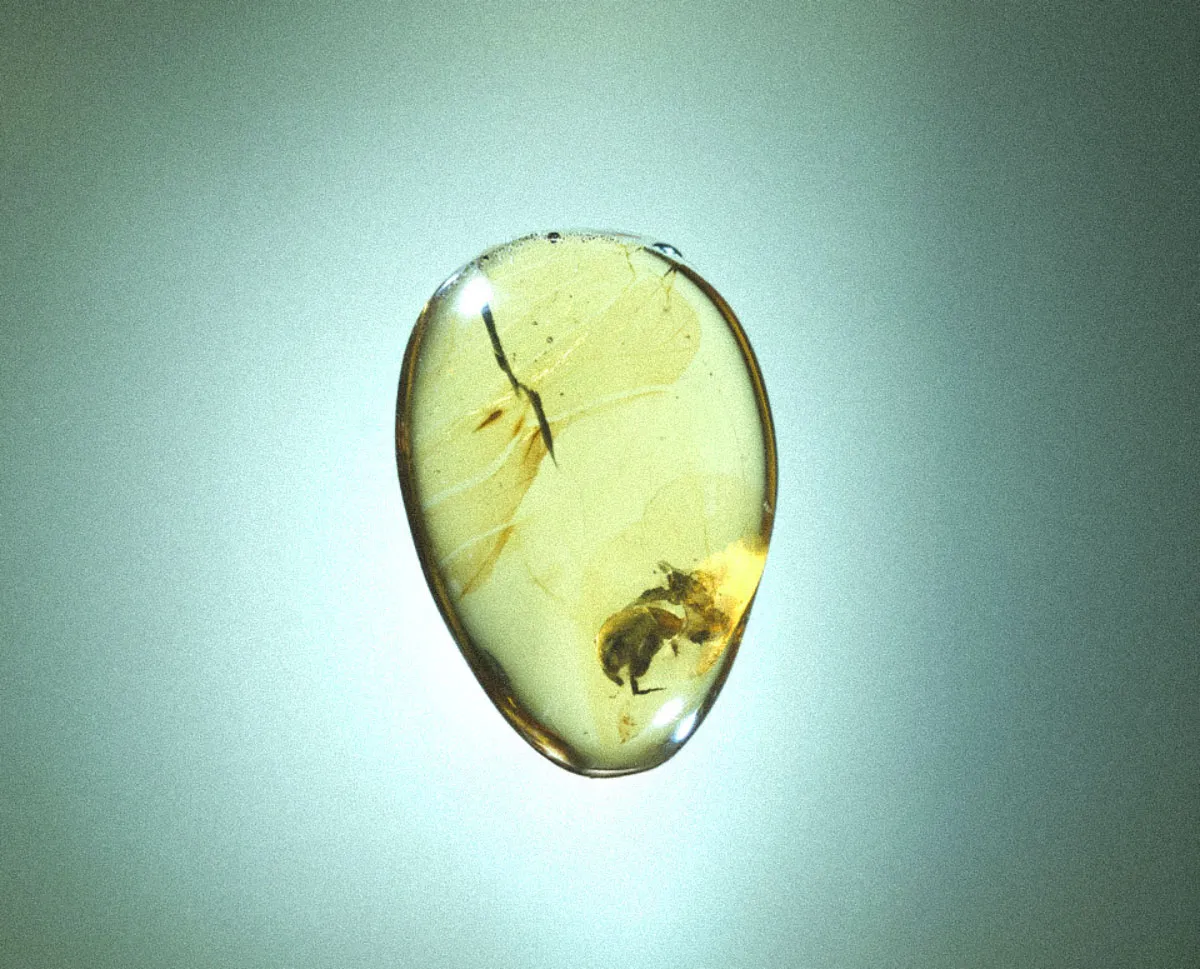
Their story is older and stranger than we tend to imagine. Beetles are the most diverse insect order on Earth, with close to 400,000 described species and many more still undescribed. And long before bees existed, beetles were already pollinating. A 99-million-year-old fossil trapped in amber from Myanmar preserves one covered in cycad pollen, the oldest evidence we have of a pollinating beetle, documented in the journal Current Biology. They were pollinating plants that existed before flowers did.
We’re generally bad at noticing the small things. We look up at the stars and miss what’s happening in the ground beneath us. Vega’s work is to do the opposite, and to help others see what she found in the earth: an entire universe operating under our feet.