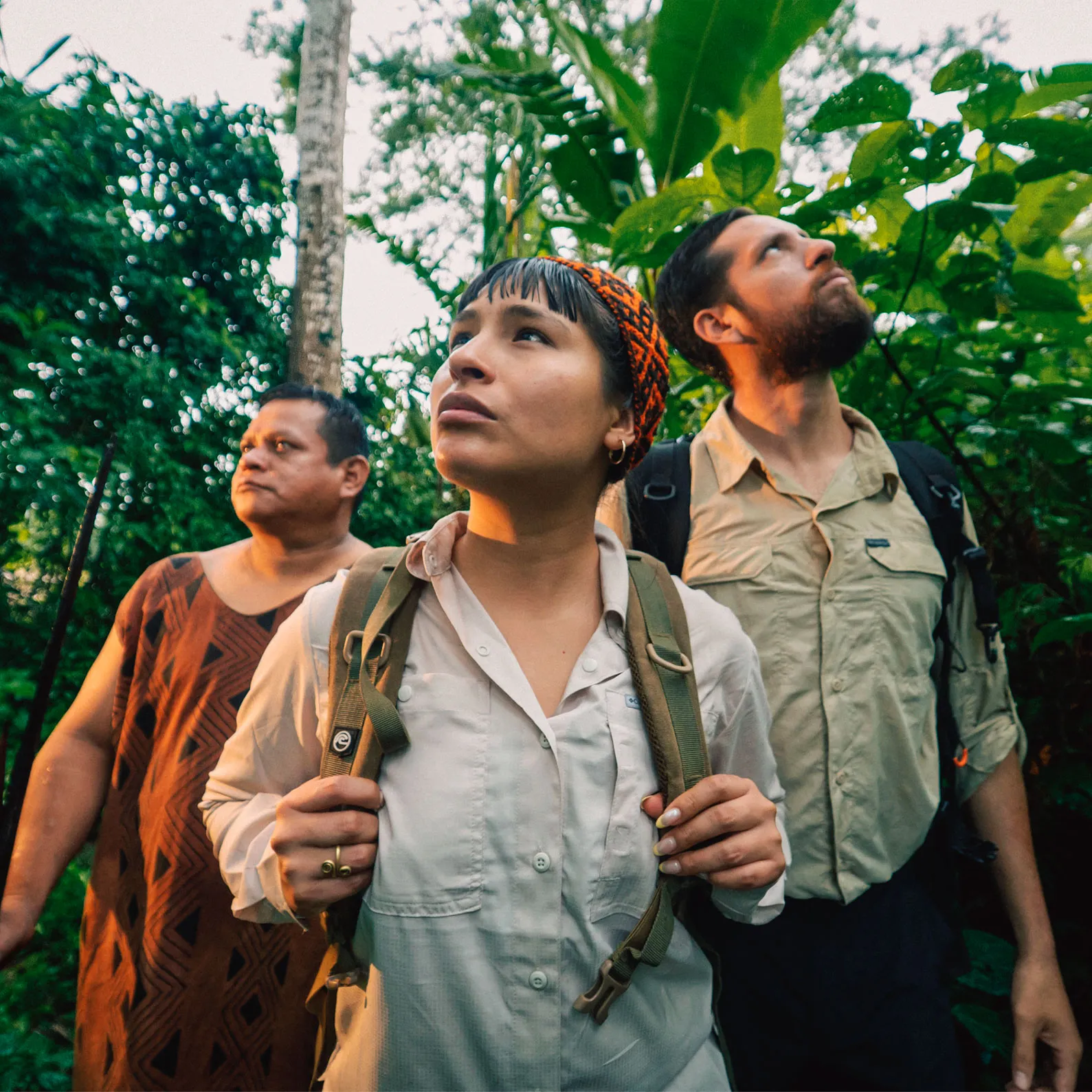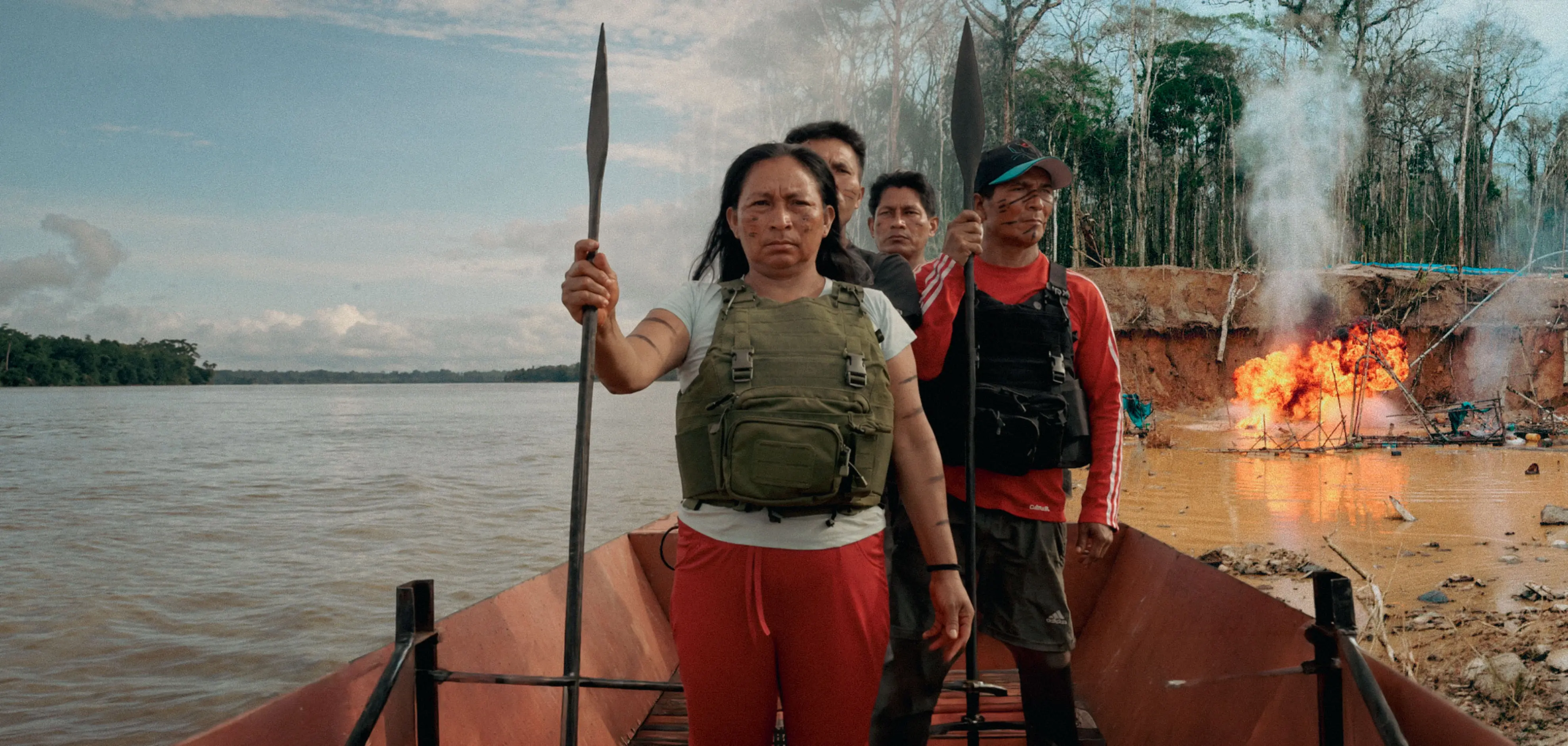
A new Amazon Watch report reveals that Indigenous peoples in the Amazon are living under double pressure. On one side, organized crime is advancing into their territories through illegal mining, drug trafficking and logging. On the other, governments are responding by sending in the military, a strategy that fails to stop these networks and often ends up hurting the communities themselves.
The problem already reaches much of the region. According to the report, criminal networks or armed groups are present in two out of every three Amazonian municipalities, and the violence keeps spreading.
How the business works
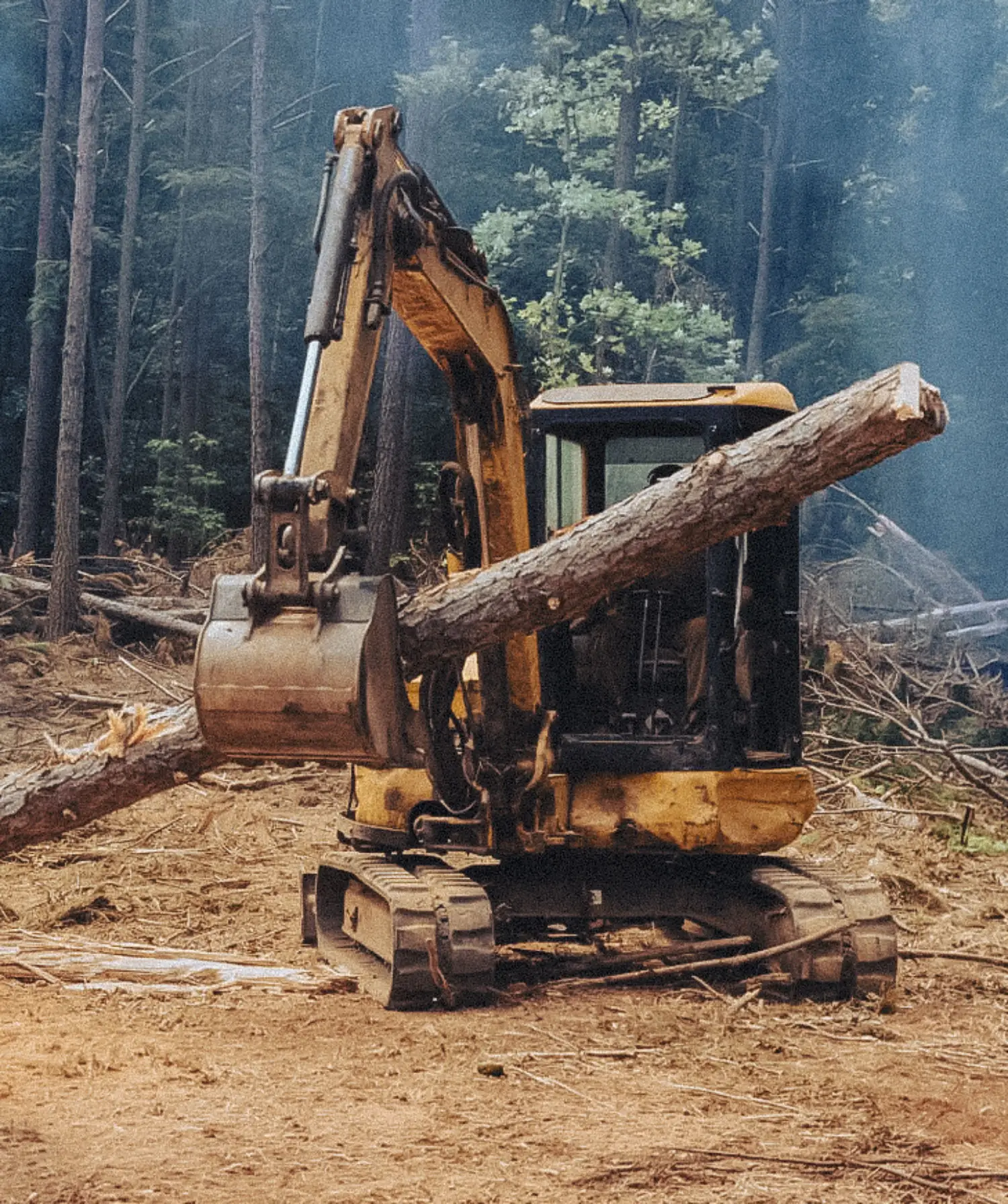
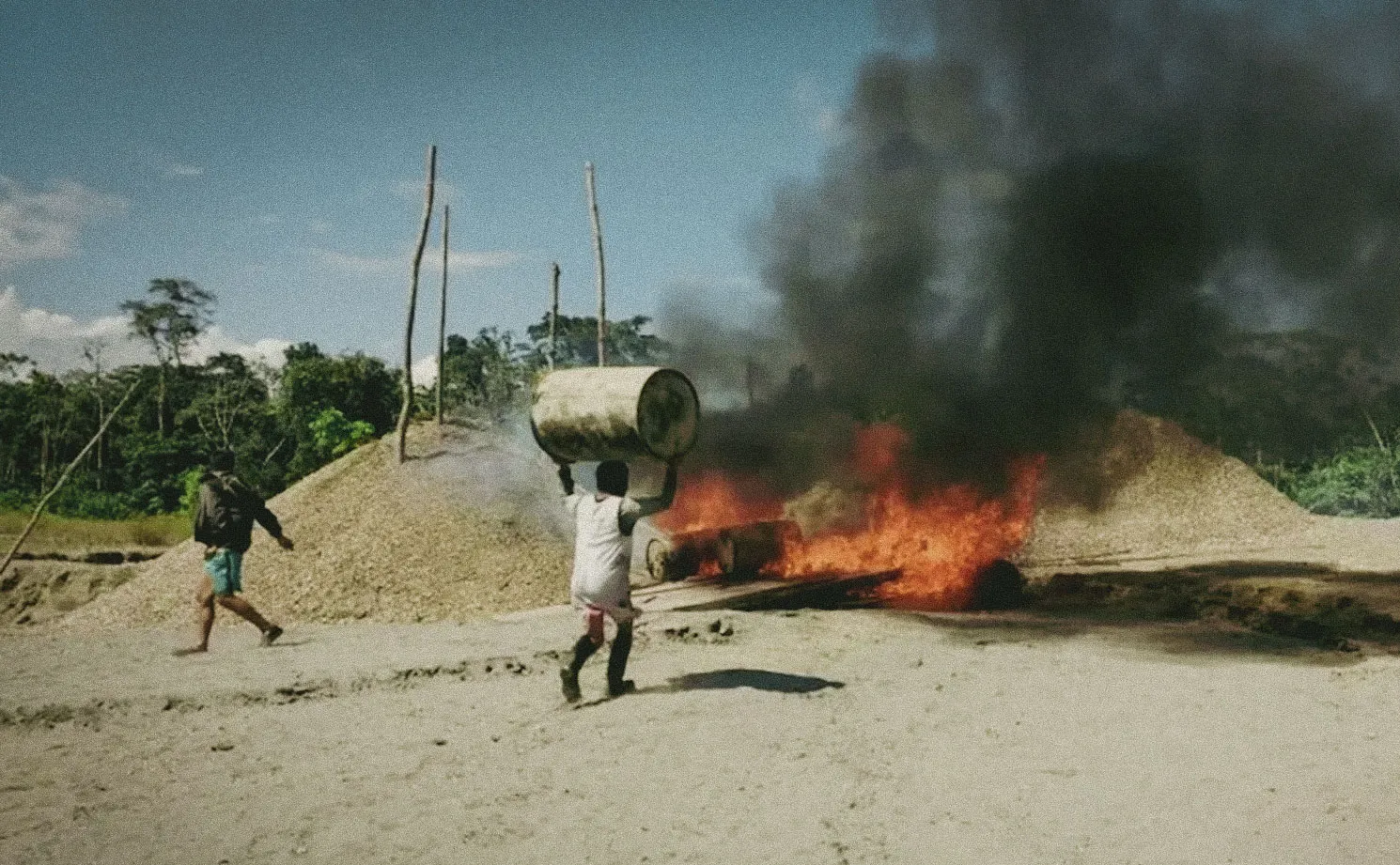
These groups operate as transnational networks. They ignore borders and cooperate with one another, which is why no country can take them on alone. In Brazil, the country’s major criminal factions are behind illegal gold mining in Indigenous territories. In Colombia and Venezuela, dissident factions of the former FARC and other armed groups control routes and territory. Gangs like Los Lobos and Los Choneros, which originated in Ecuador, now also operate in the Peruvian Amazon, while Colombian groups move easily into Ecuador.
According to evidence gathered by Amazon Underworld with Amazon Watch, drug money is reinvested in illegal mining, and all of it is tied to human trafficking, sexual exploitation and money laundering. Gold extracted illegally from Amazonian rivers is also mixed with legal gold at formal refineries, becoming a currency of exchange or cash for criminal groups.
Global Witness, 2026
Defending the land costs lives
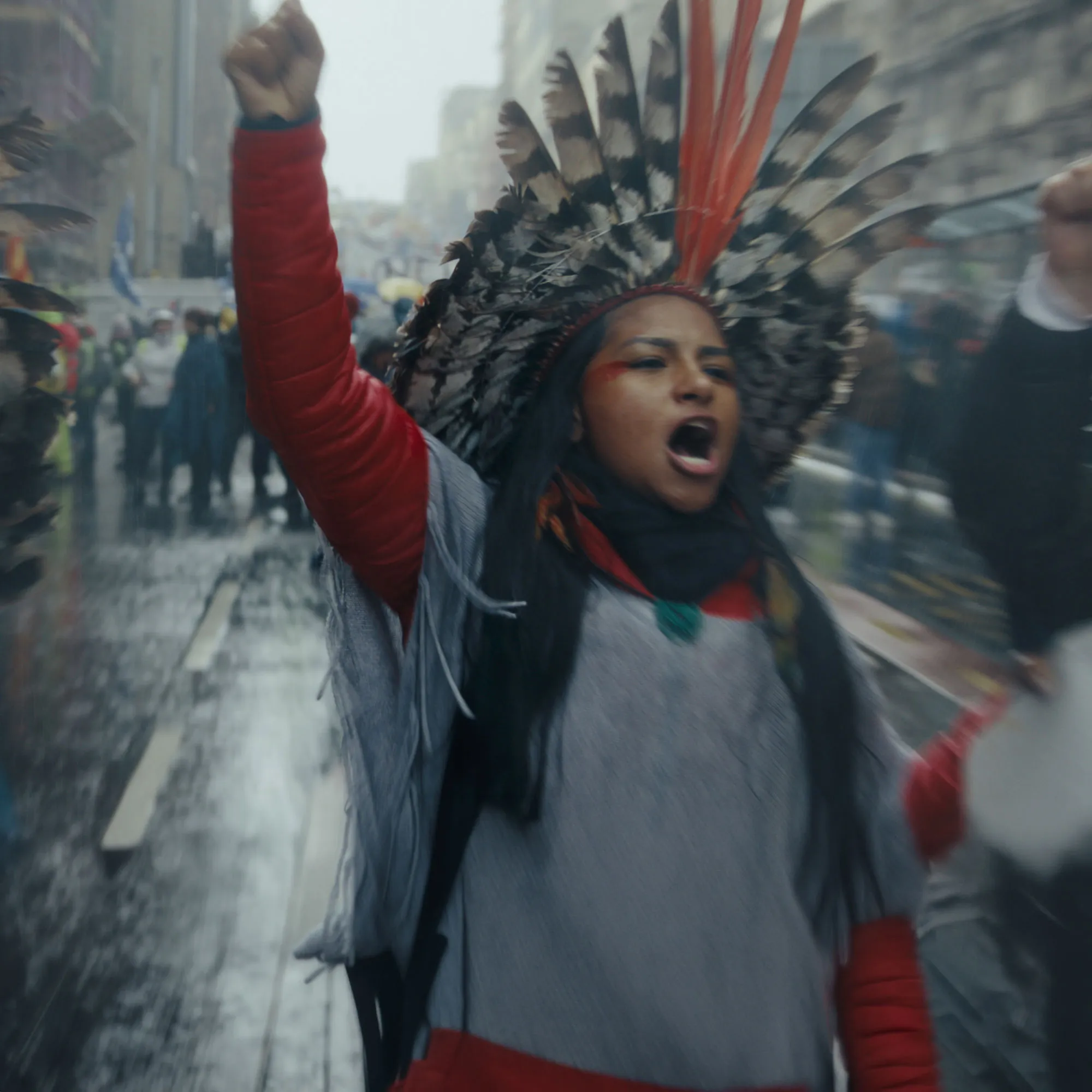
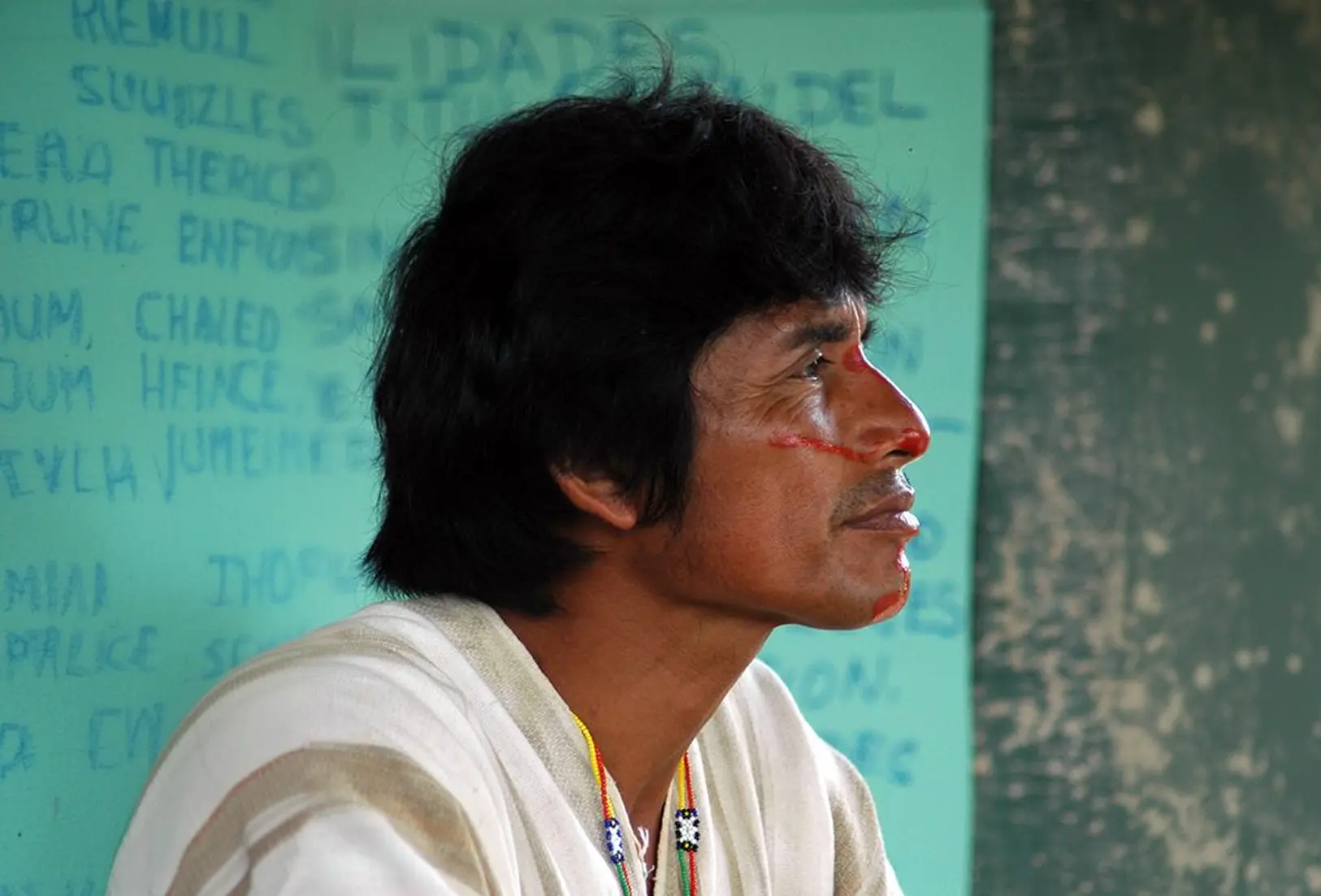
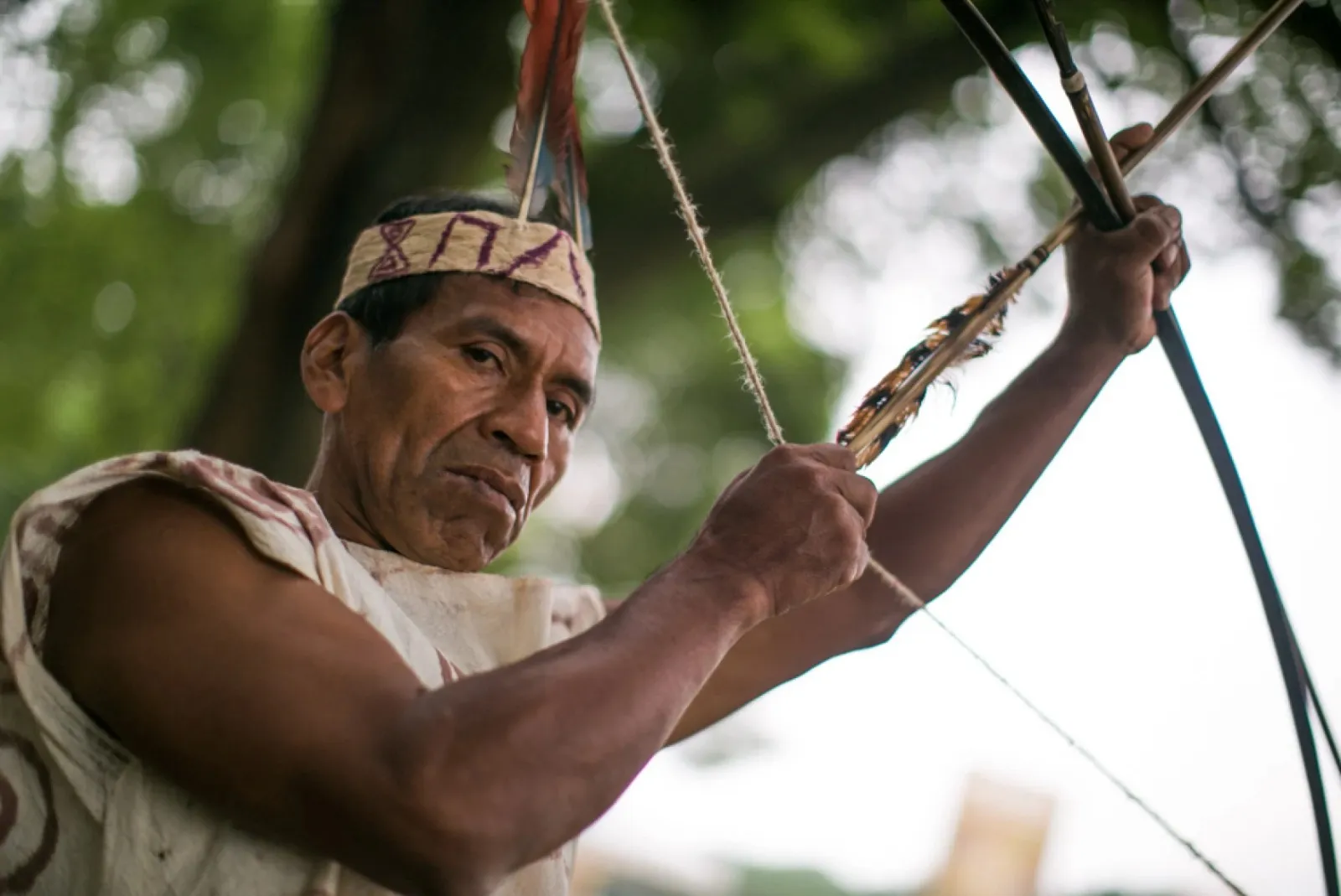
Indigenous leaders who defend their territories are the first to be targeted. According to Global Witness, nearly 85% of killings of environmental defenders worldwide take place in Latin America. In Peru, according to AIDESEP, 25 of the 35 Indigenous leaders murdered over the past fifteen years were killed since 2020.
Women and children also pay a heavy price, exposed to trafficking and exploitation in mining areas. The Autonomous Territorial Government of the Wampís Nation in Peru has even reported that illegal miners use children as human shields to block enforcement operations.
The mistake of relying on militarization alone
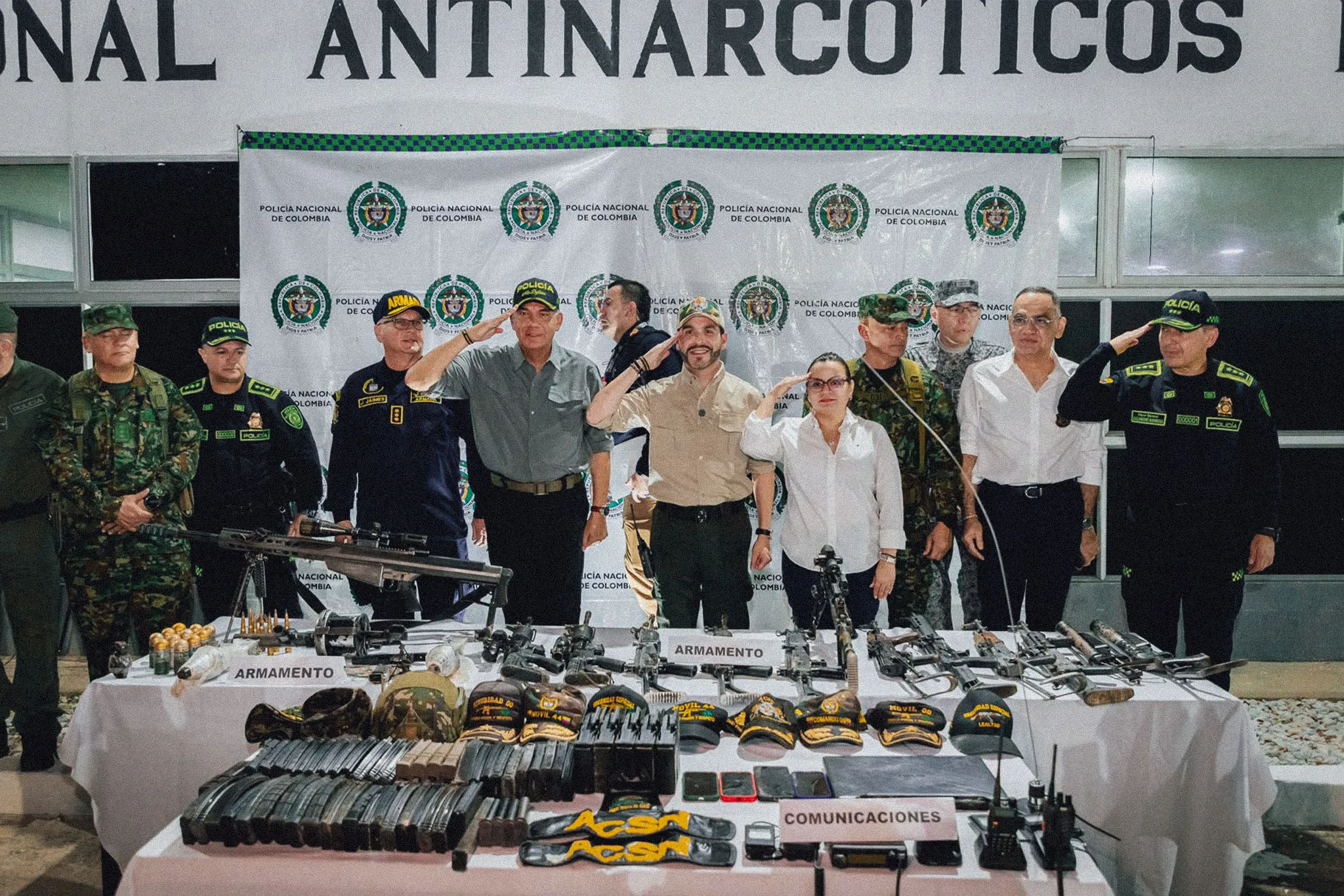
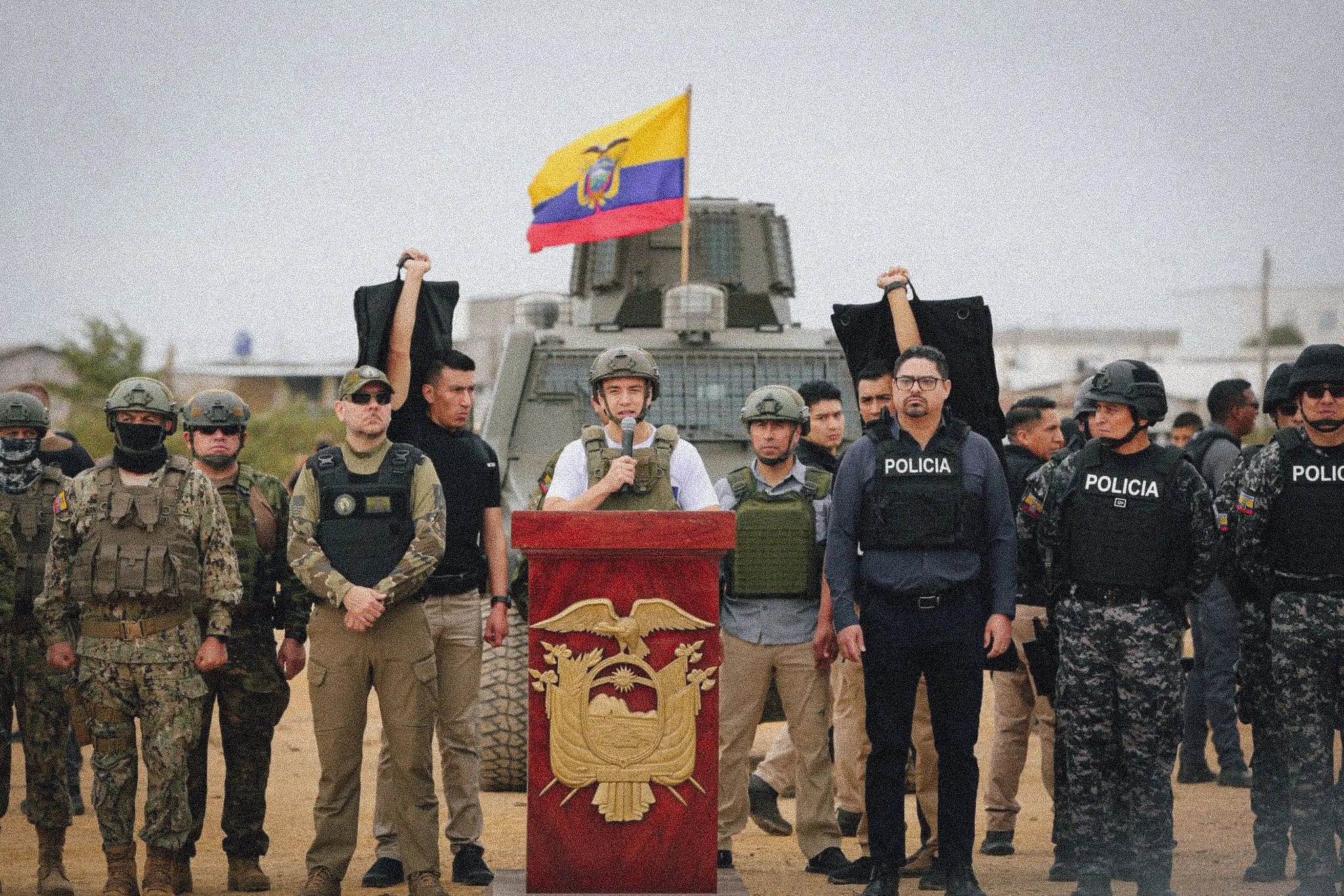
Sending in troops can deliver visible blows for the cameras, but it doesn’t touch what keeps the business alive. Criminal networks thrive where the state fails to bring healthcare, education or opportunity, and where authorities are corrupt.
Indigenous peoples also warn that a military presence only increases violence. In Colombia, a military operation in Putumayo left at least six civilians dead, and in Ecuador a bombing struck a rural farming community in the Amazon.
Join the call of Indigenous peoples
From October 19 to 23, member states of the United Nations Convention against Transnational Organized Crime, known as UNTOC, will meet in Vienna, Austria. There they will negotiate an agreement to prosecute environmental crimes such as illegal mining and wildlife trafficking. Indigenous leaders from the Amazon will travel to be present at that table, because they are the ones confronting these networks on the front lines. Visit this link and demand that they play a central role in the fight against transnational crime in Vienna.