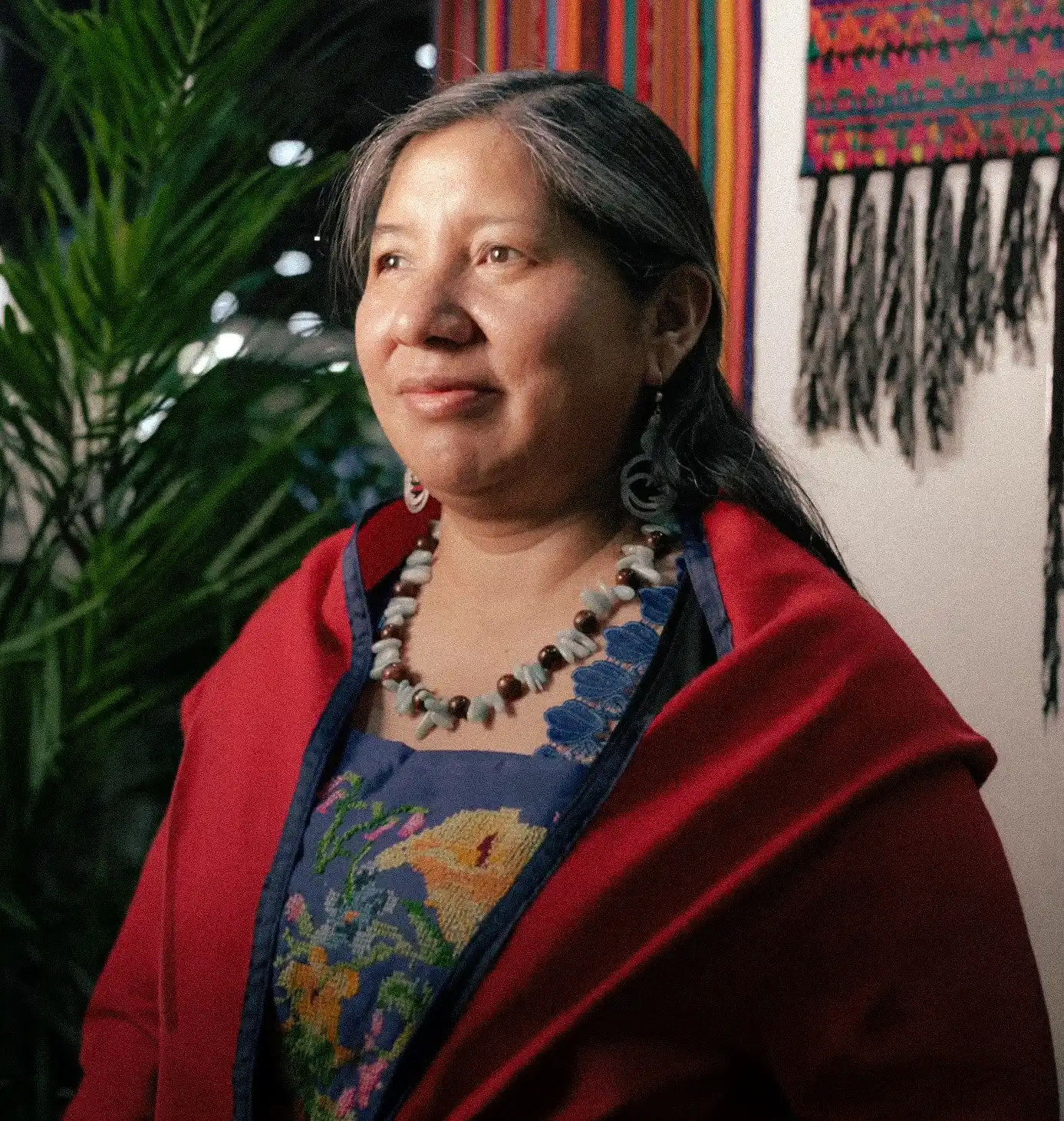

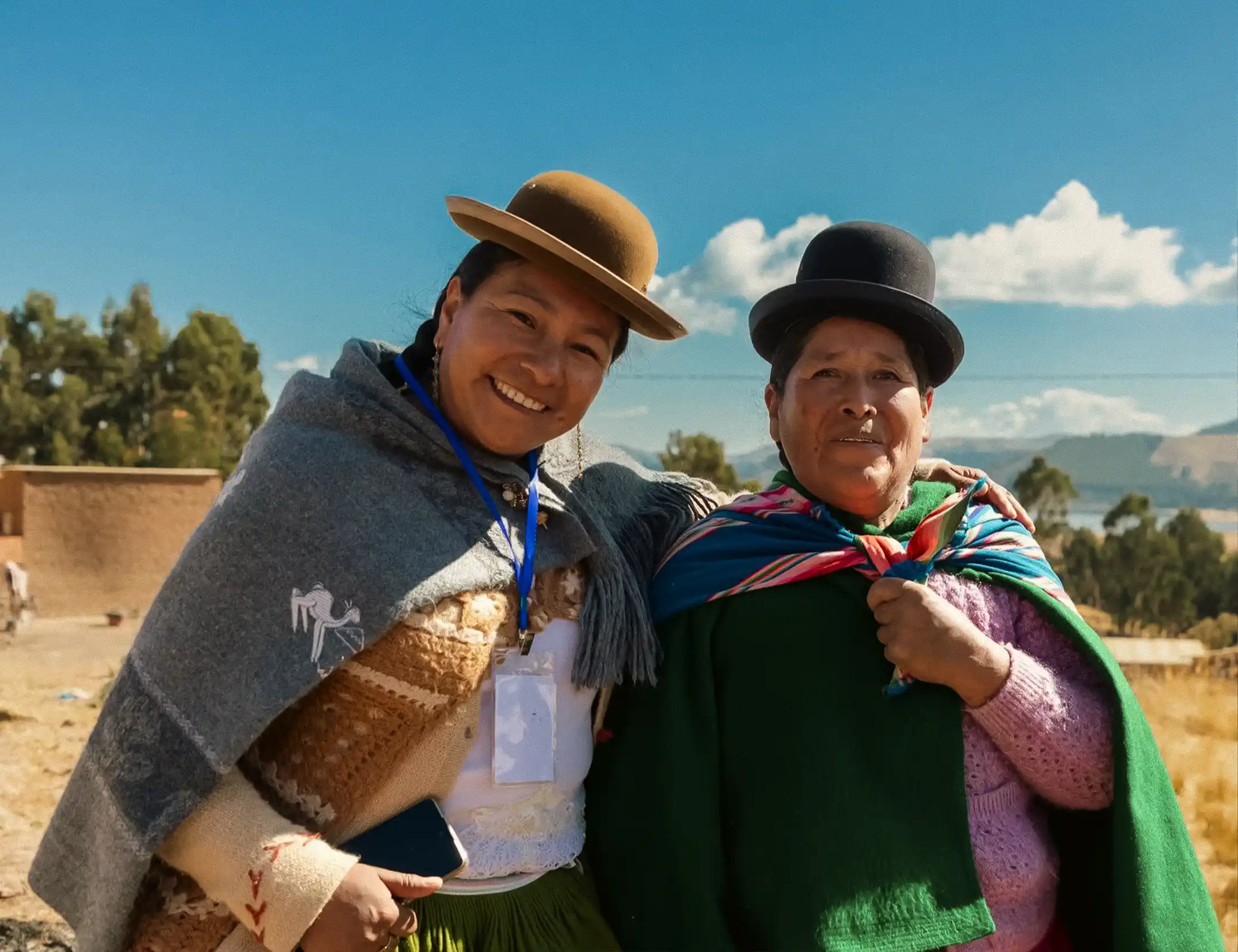
For the Aymara and Quechua women of the Network of Women Leaders United in Defense of Water, the lake is far more than a natural resource. It is a living being that occupies a central place in their spiritual life and with whom they maintain a debt of reciprocity.
Ancestral knowledge, science, and law
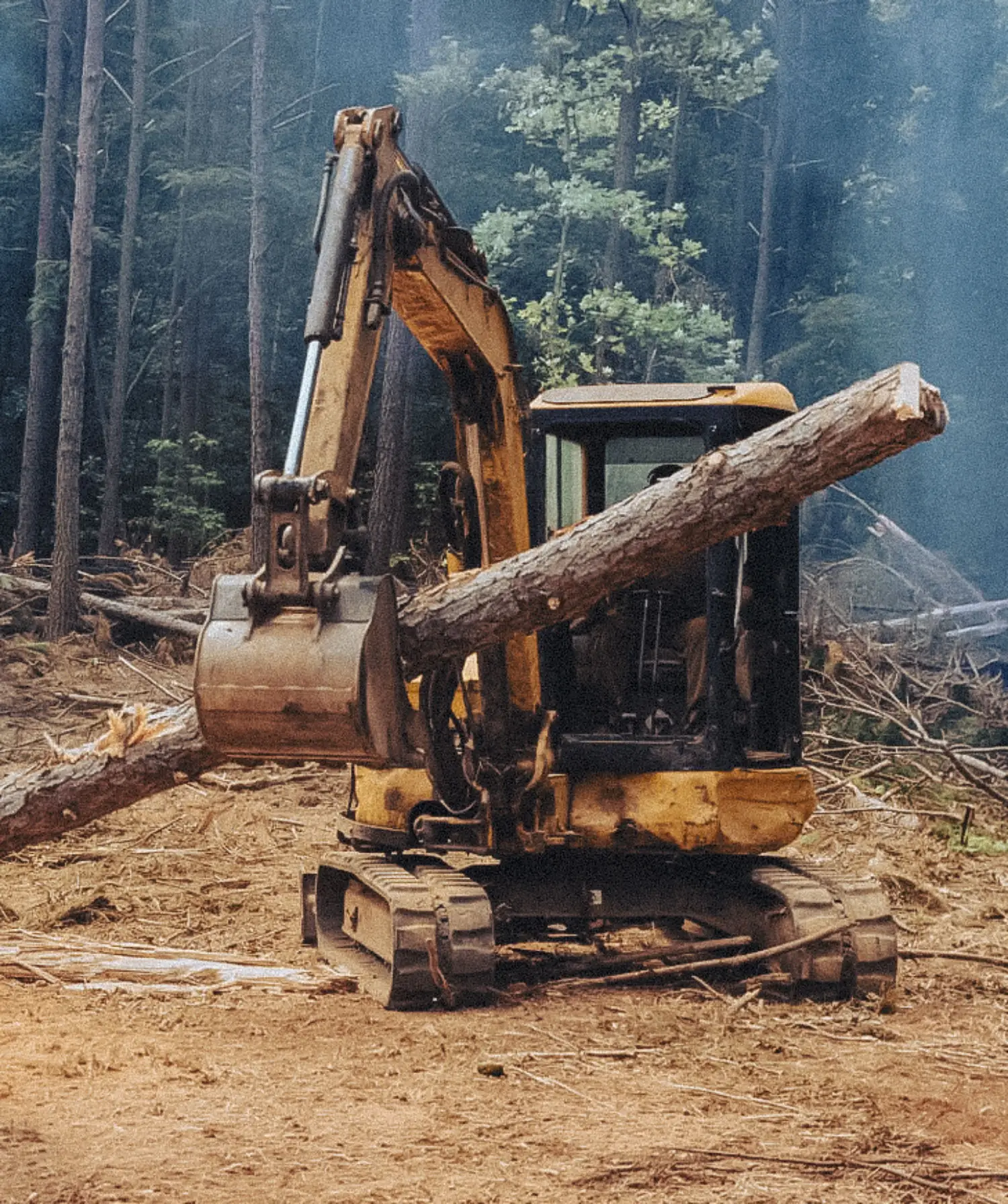
The State was not doing enough, and they knew it. In 2017, the National Water Authority counted 172 wastewater discharges in the basin. The rivers that feed the lake flow heavy with heavy metals, dragged from mining waste and informal mining operations. Add to that the household garbage accumulated on the shores and at the bottom. To date, even the fish have microplastics in their intestines.
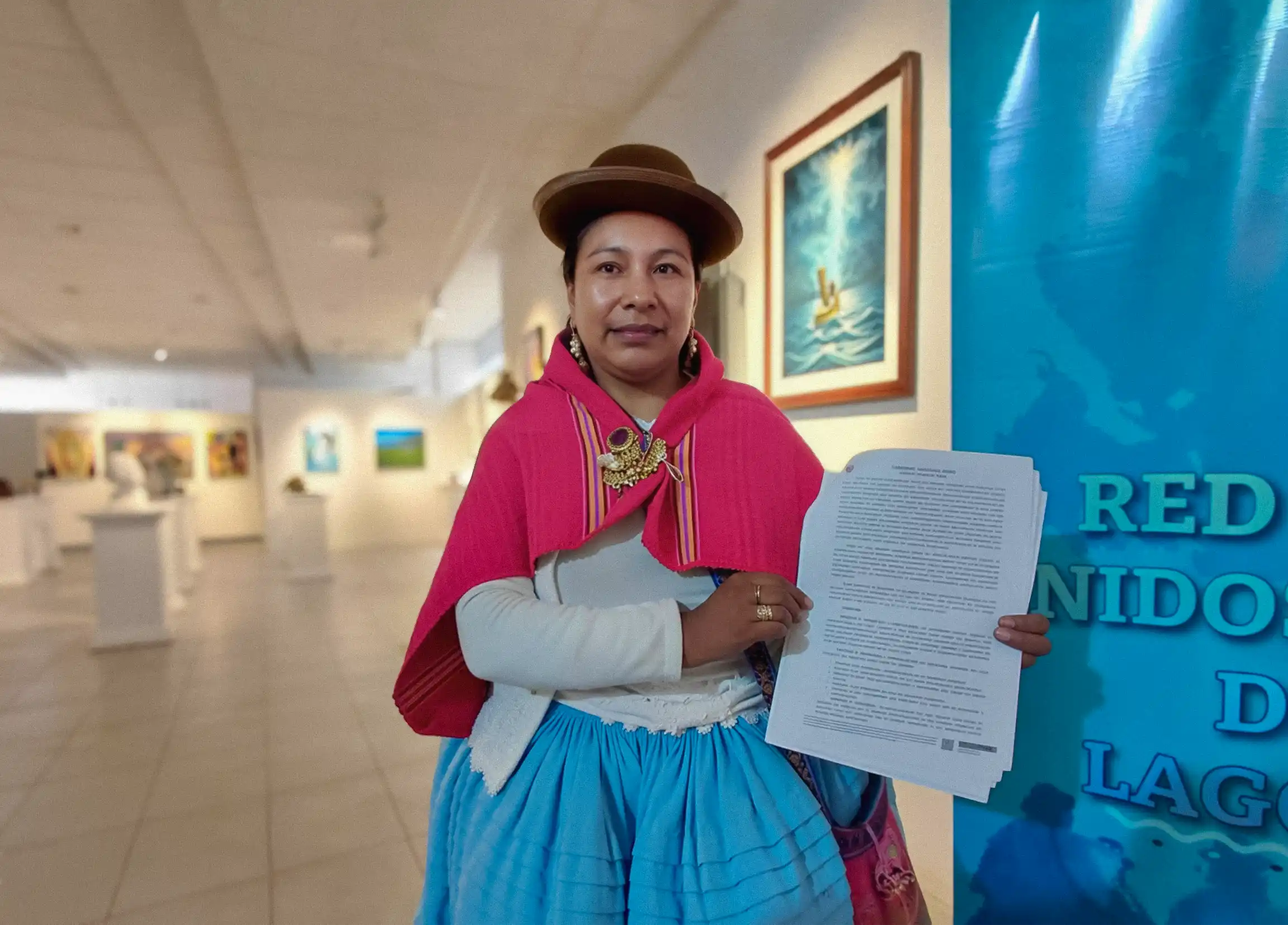
These women decided to act as an organized group and opened three fronts. Ancestral knowledge, water monitoring, and legal action. To understand contamination levels they brought in biologists. To halt the damage they filed complaints, ran awareness campaigns, and organized cleaning efforts along the riverbanks. For four years they cared for the lake and educated themselves in the laws they needed to master, among them the Water Resources Law (Law No. 29338). All of this done as volunteers. With that groundwork built, they brought their request to the Puno Regional Council, which on April 24, 2025 approved it unanimously and recognized Lake Titicaca as a subject of rights.
But what does it mean for a lake to be a subject of rights?
The idea that a river or lake has its own rights can sound strange within the legal model most people know. In that model, nature is treated as property, something to be used, exploited, administered, and it is taken for granted that rights belong to people, not to trees or rivers. But there is a detail that shows the idea is far from far-fetched. Companies are not people either, and for centuries the law has recognized them as having legal personality, allowing them to own property, sue and be sued. So if a company can have rights, why not a lake on which millions of living beings depend?
While the traditional model protects nature only when it serves a human interest, the approach of rights of nature holds that ecosystems have value in themselves and the right to exist, maintain themselves, and regenerate their cycles. The lake is not protected because it holds exploitable resources. It is protected because it is alive and has the right to remain so.
What changes for Titicaca?
Before the law, the lake stopped being an objective and that means several concrete things. First, Titicaca now has someone to represent it, a voice that can bring its case to the courts, just as a lawyer defends a person. If someone contaminates it, it is no longer just environmental damage, but the violation of a right that can be claimed in justice.
The ordinance recognizes for the lake the right to exist free from contamination and to be fully restored. And it places obligations on the State, which now must answer for its care. It also protects something that for Aymara and Quechua communities is inseparable from water, its ecological balance, its biodiversity and the cultural and spiritual value the lake holds for the peoples who live around it.
There is another change, and it defines who decides about the lake. The norm proposes creating a Titicaca Basin Council where indigenous peoples and community organizations have binding voice, not merely advisory. It includes intercultural education programs and public funds to monitor the state of the water. And it establishes that any decision affecting the lake will have to be consulted first with indigenous peoples, as mandated by ILO Convention 169. The recognition was historic, but regulation and implementation are still pending, and real restoration actions, water treatment, and mining control depend on them.
An expanding legal movement
Before Titicaca, Peru already had a recent precedent, the Marañón River. The Mixed Court of Nauta, in the Loreto region, recognized it in 2024 as a rights holder in a ruling that linked the health of the river with the rights of the indigenous peoples who depend on it.
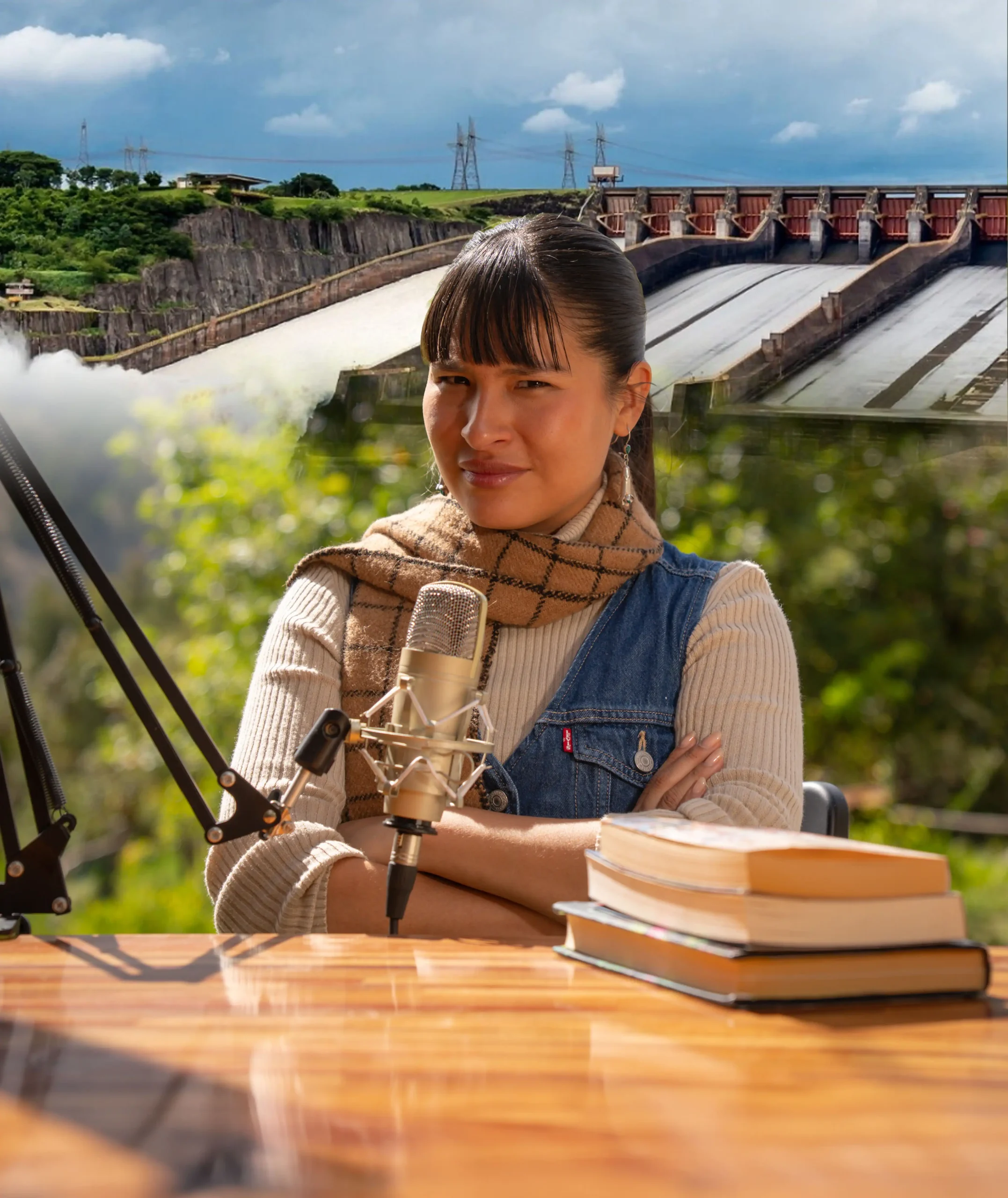
These cases shed light on a legal transformation that has been advancing for decades and in 2025 took a regional leap. The Inter-American Court of Human Rights, in its Consultative Opinion OC-32/25 on climate emergency, recognized for the first time that nature can be a holder of rights. It also noted that this recognition empowers indigenous peoples, who have cared for these ecosystems for centuries. The opinions of the Inter-American Court guide courts throughout the region, so they support, from international law, what the women of Puno achieved at the local level.
The central government still does not accept it
The recognition of the lake did not sit well with the Executive. In May 2025, during the administration of Dina Boluarte, the ministries of Environment, Agricultural Development and Irrigation, Justice and Human Rights, and Culture signed a joint statement against the ordinance. The central argument was that a regional authority cannot grant rights to an ecosystem without national legal backing and that the ordinance clashed with the Constitution. Since then the Executive has changed hands twice and has not weighed in on the issue again.