
For millennia, human beings lived as an integral part of the ecosystems they inhabited. Only in the last two centuries, with the Industrial Revolution, did we begin treating them as external resources to exploit. That conceptual inversion carries a cost we are only beginning to calculate. The lesson our greatest “entrepreneurs” seem to have forgotten is that the economy is not the system that contains nature. It’s the other way around.
Nobody lives without money, that’s true.
According to the World Economic Forum, more than 50% of global GDP, some 44 trillion dollars, depends on biodiversity and ecosystem services. And yet, the argument of “development” continues to be used to justify its systematic destruction. But reducing this to a number is, in its own way, part of the problem.
Every atom of oxygen entering our lungs was produced by a plant. Every calorie that moves our muscles emerged from soil. The water circulating through our veins passed first through rivers, clouds and roots. We don’t depend on nature the way we depend on a supplier. Nature is not external to us. We are, in strictly biological terms, one of its most recent expressions.
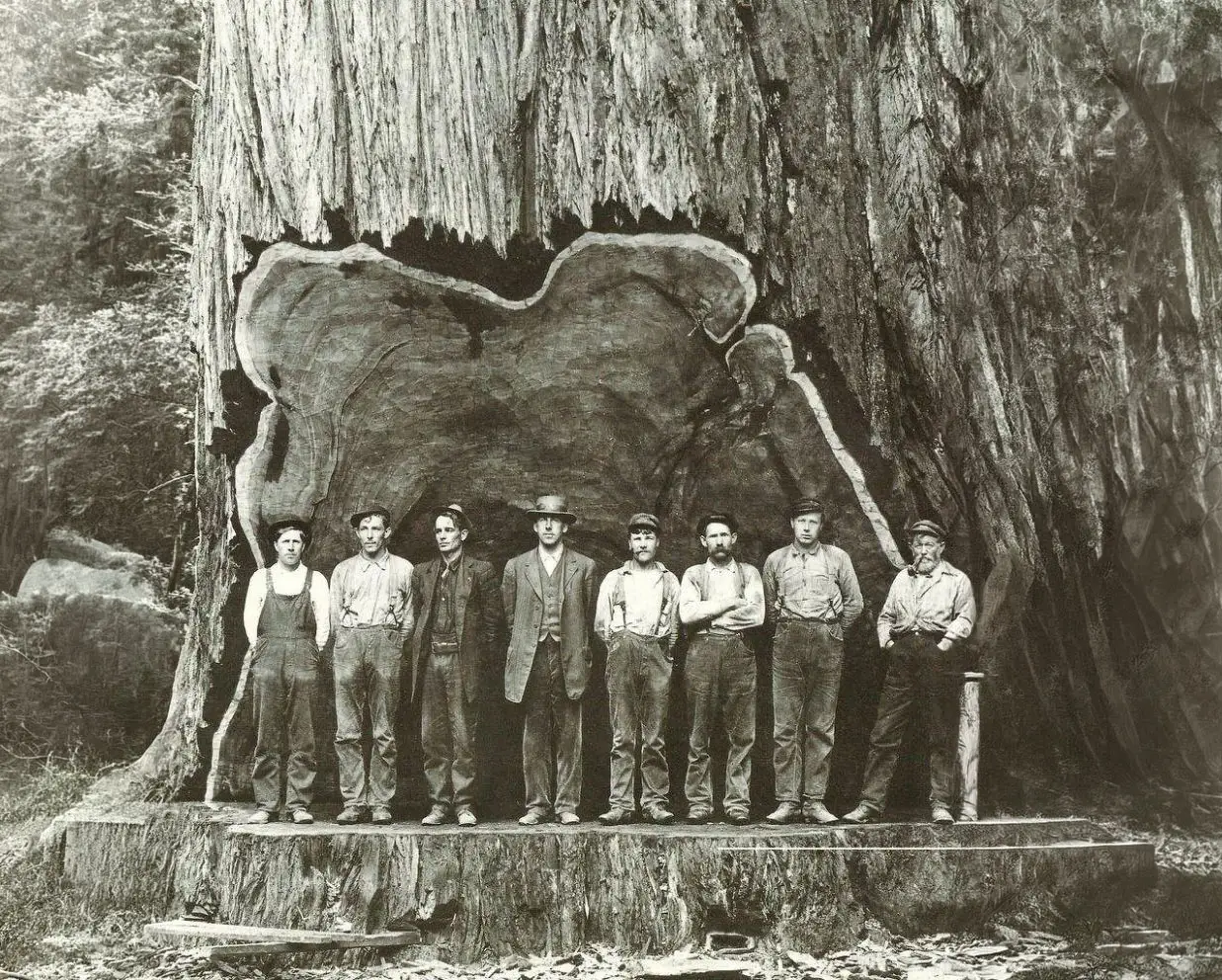
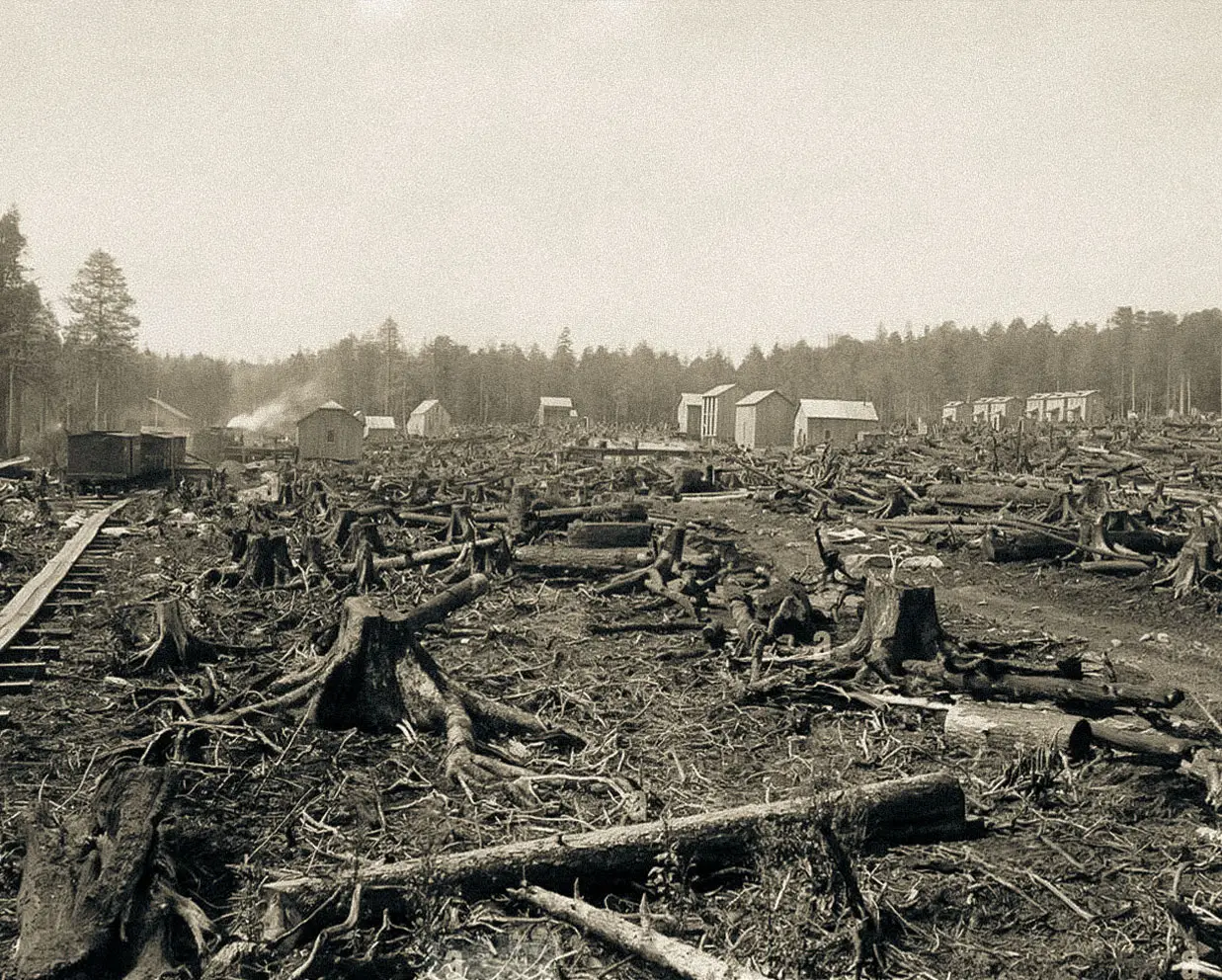
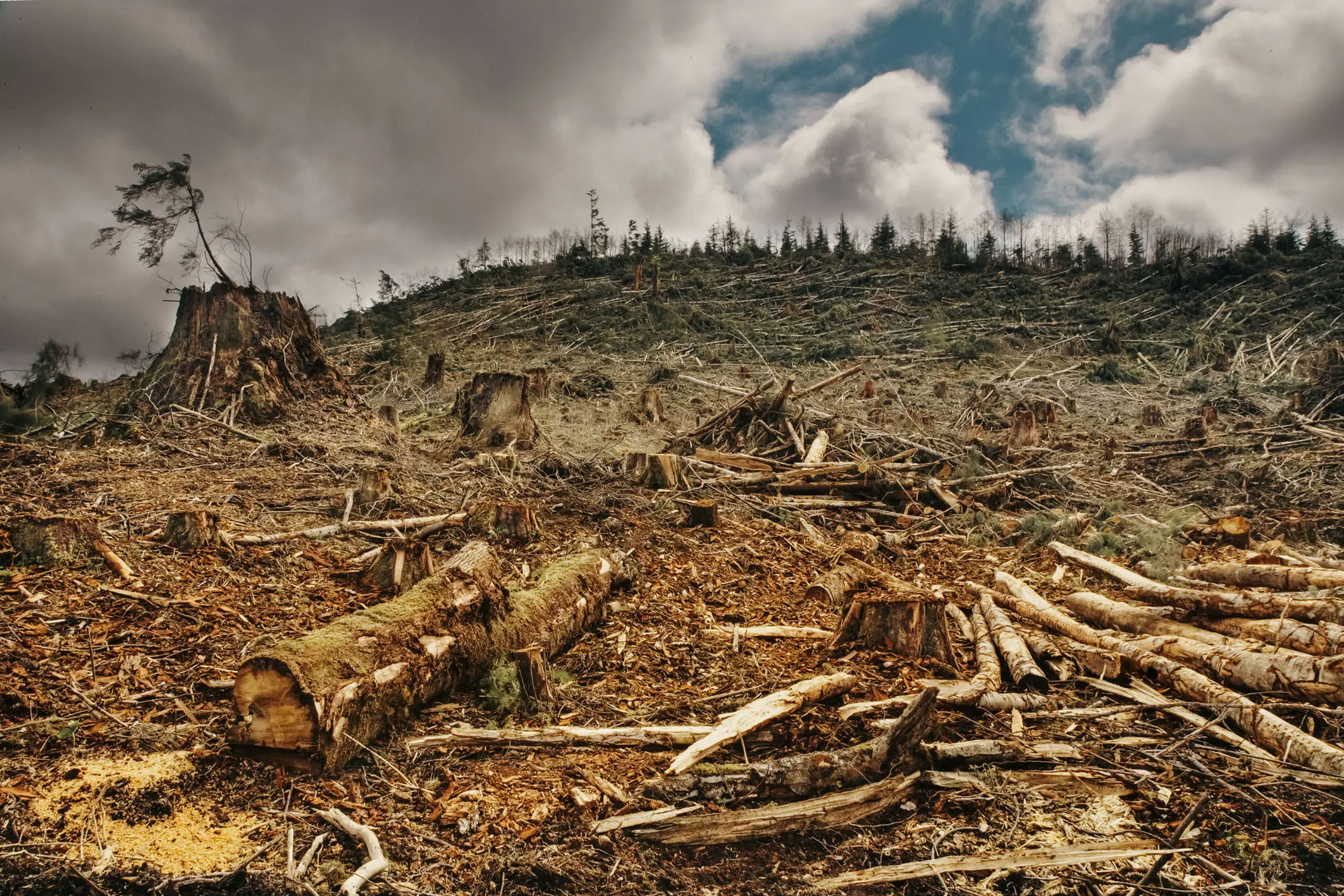
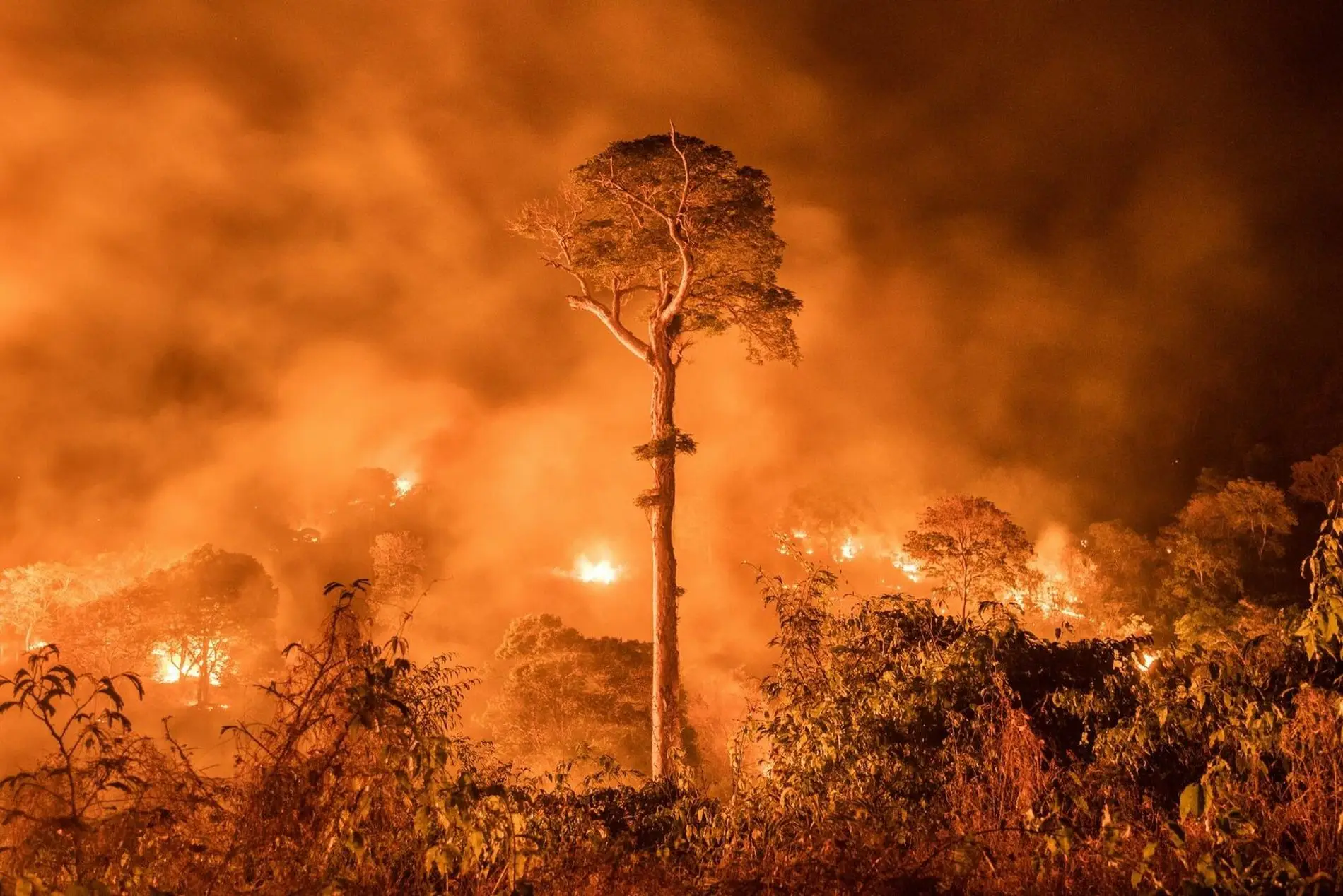
Economic systems are even more recent inventions. The market, currency, GDP — all are constructions our species developed in the blink of evolutionary history. The biosphere, by contrast, has spent 3.8 billion years perfecting its equilibria. Economist Kate Raworth, a researcher at Oxford, has spent years warning that the dominant economic model operates as if the planet’s limits did not exist. In her book Doughnut Economics, she proposed a framework in which no economic activity can be justified if it destroys the natural systems that make it possible. Under that logic, when someone deforests the Amazon under the pretext of growth, they are not generating wealth. They are liquidating the natural capital that makes all future wealth possible. The result is not poverty in the conventional economic sense. It is a world where access to clean water, food and breathable air becomes a privilege. And that is not a dystopian scenario. It is happening right now, in Peru.
The law that legalizes destruction
Years have passed since the modification of Articles 29 and 33 of the Forest and Wildlife Law, approved in December 2023 by insistence, without being on the agenda, following a “debate” of less than ten minutes. Known as the “Anti-Forest Law,” it eliminated key technical requirements such as forest zoning and land-use change authorizations. According to the Peruvian Society of Environmental Law (SPDA), the measure allows “the forest heritage of all Peruvians to be legalized in favor of whoever deforested it.”
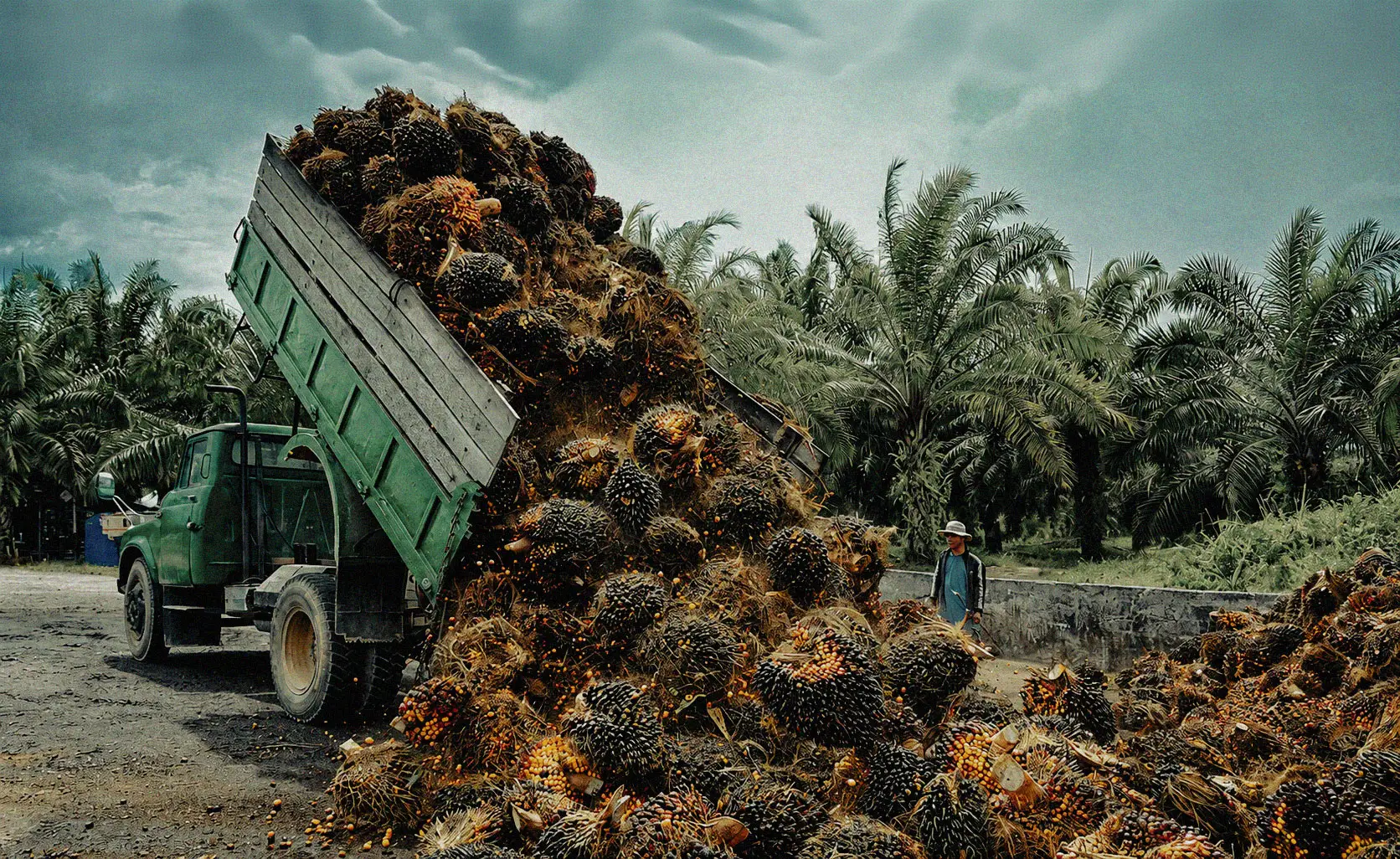
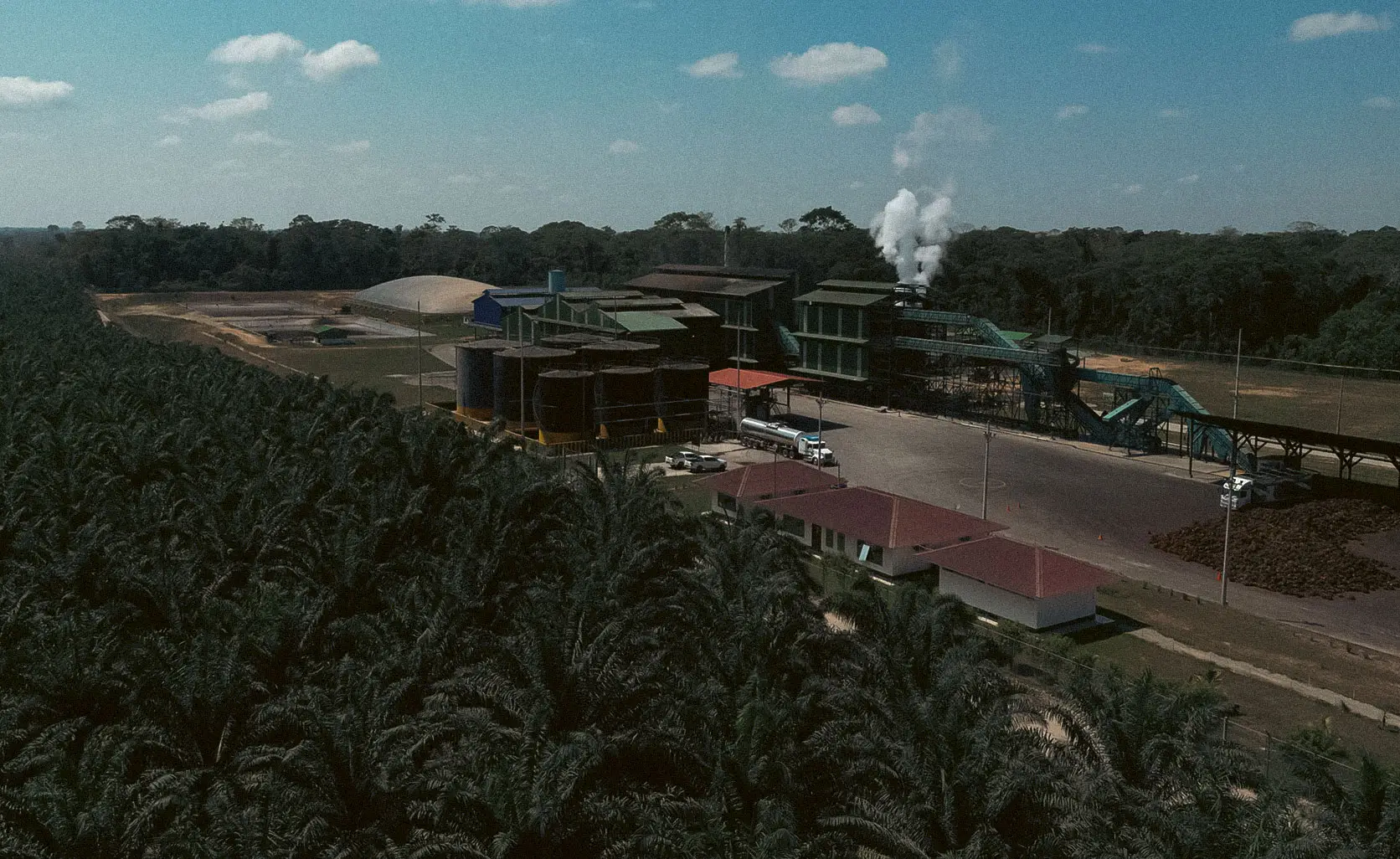
Furthermore, according to the Oxfam Peru report El laberinto verde, approximately 11 million hectares shifted from the forest regime to the agricultural regime under that single law. The same report documents that palm oil plantations in the Peruvian Amazon have released 2,859,535 metric tons of carbon, with 45% coming from just four large plantations: Ocho Sur P, Ocho Sur U, Palmas del Shanusi and Palmas del Oriente.
Although in March 2025 the Constitutional Tribunal declared two of its provisions unconstitutional, the Legal Defense Institute (IDL) warned that the ruling amounted to “constitutionalizing the deforestation that has occurred in the Amazon over recent decades.”
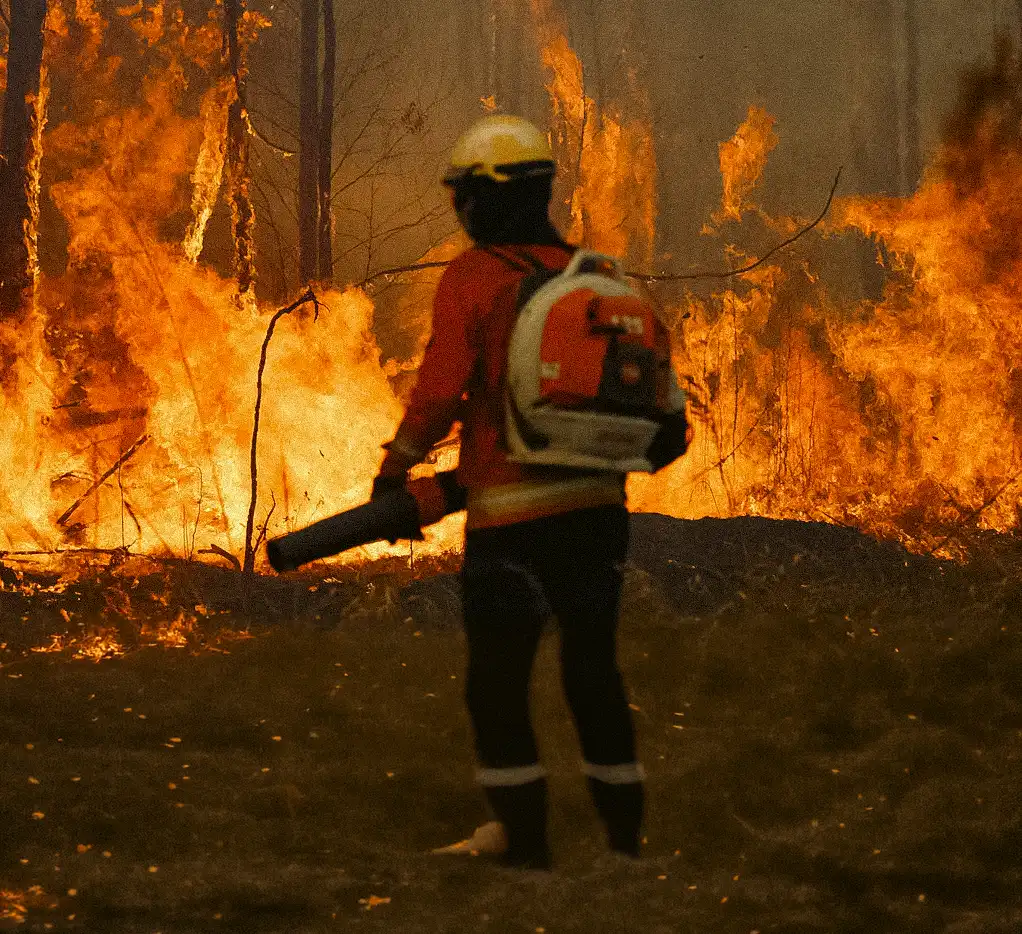
A MapBiomas Peru study revealed that over the past 12 years, fire devastated 2.3 million hectares of natural and agricultural land cover across the country, an area equivalent to burning Metropolitan Lima ten times over. The 2024 forest fires alone affected 20 of the country’s 24 regions, leaving 18 dead and more than 150 injured, according to INDECI.

Those who pay the highest price
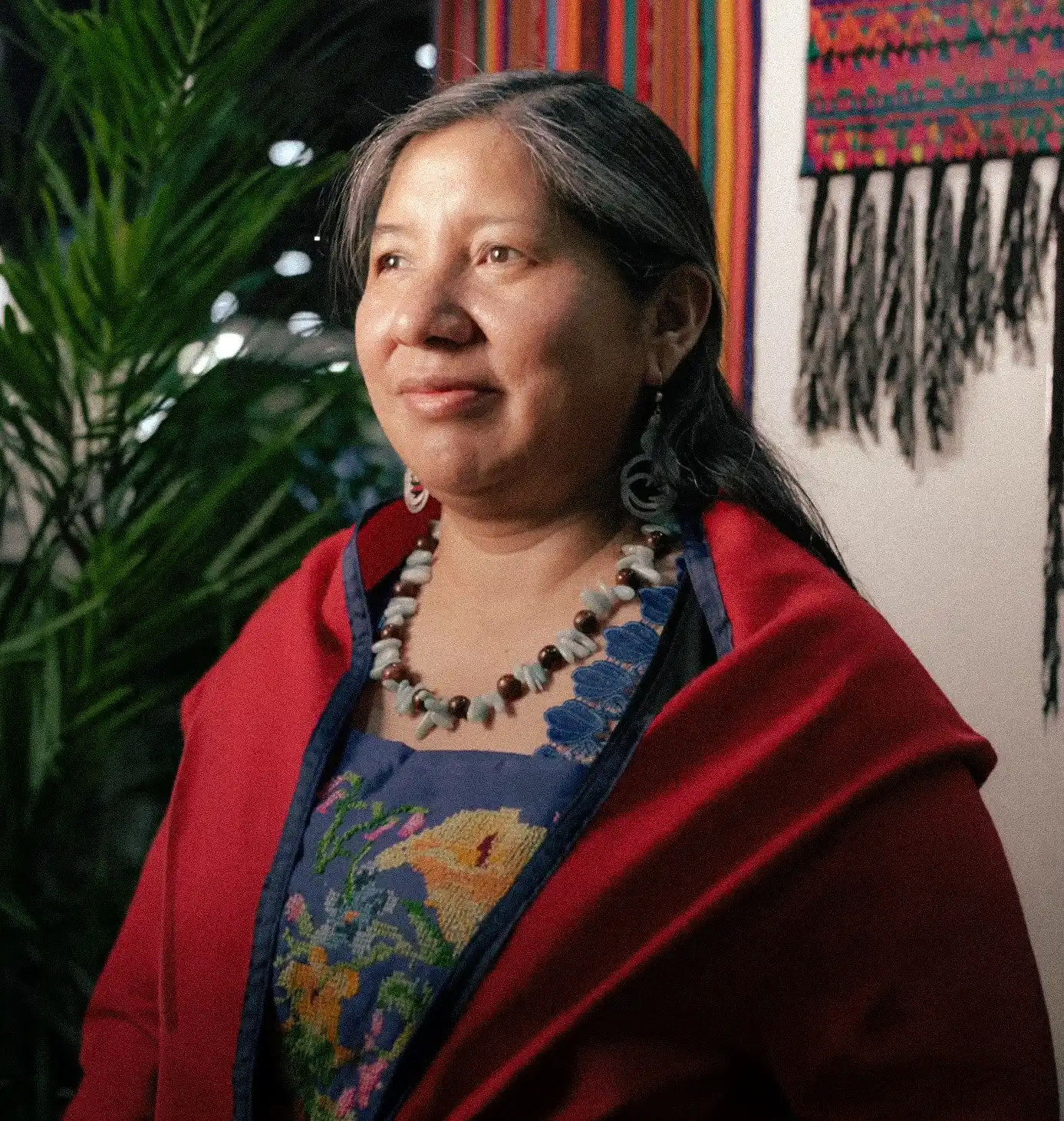
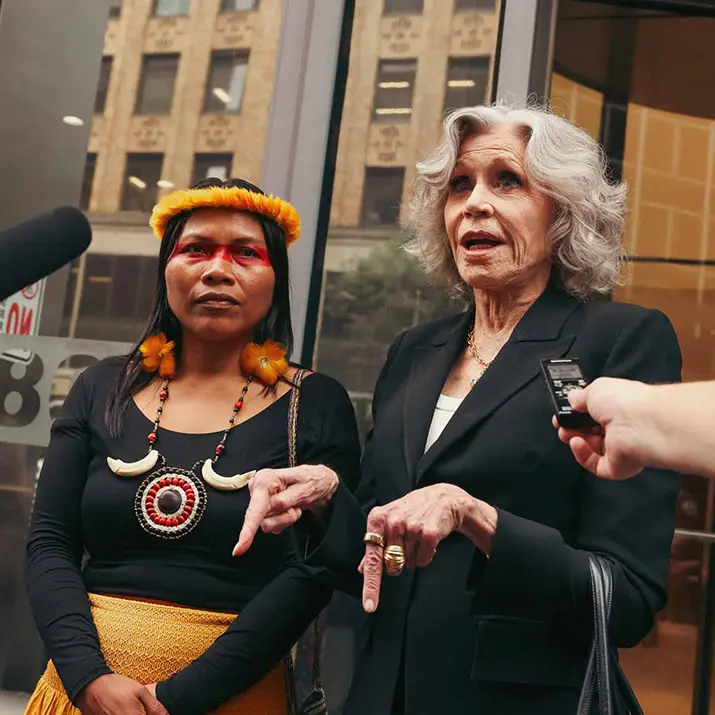
While the forests burn, the people defending them are under attack. According to the Oxfam Peru report Defensoras ambientales en la Amazonía peruana, over the past 20 years the National Human Rights Coordinator recorded 261 attacks against women defenders in the country. Twenty-three percent occurred in the Amazon, where they face harassment, sexual violence, criminalization and exclusion at the hands of actors linked to illegal logging, mining and land trafficking.
This is no coincidence. When a law weakens environmental oversight and strips the right to prior consultation of its content, it also strips of protection those who depend on the forest to live, and those who risk their lives so the rest of us can too.
Beyond political positions, there is something all Peruvians share. We are the same species of ape inhabiting the only planet capable of sustaining our lives. Natural systems are neither infinite nor inexhaustible. They are interconnected networks that support us, and that we, at this moment in history, are dismantling at industrial speed.