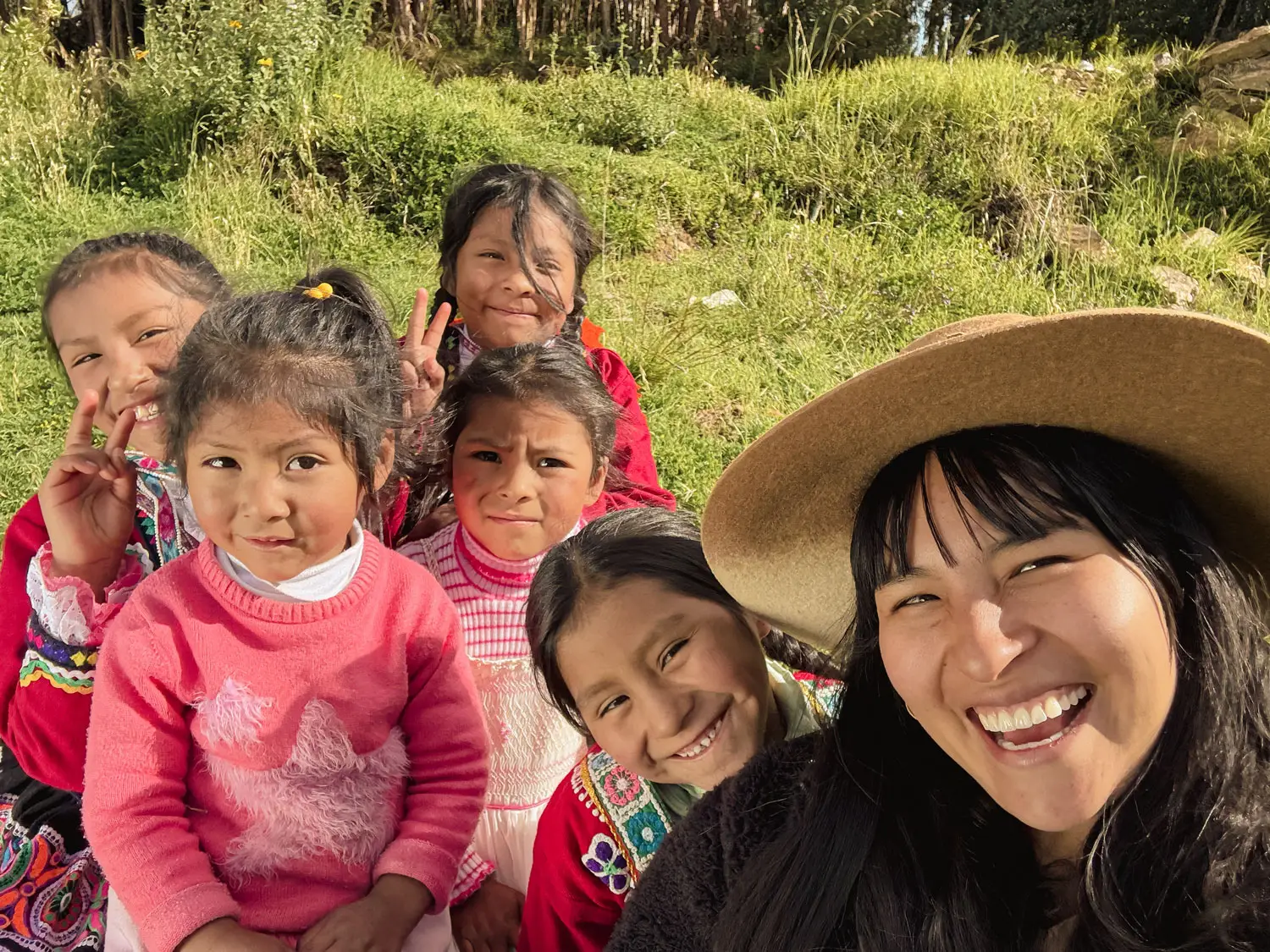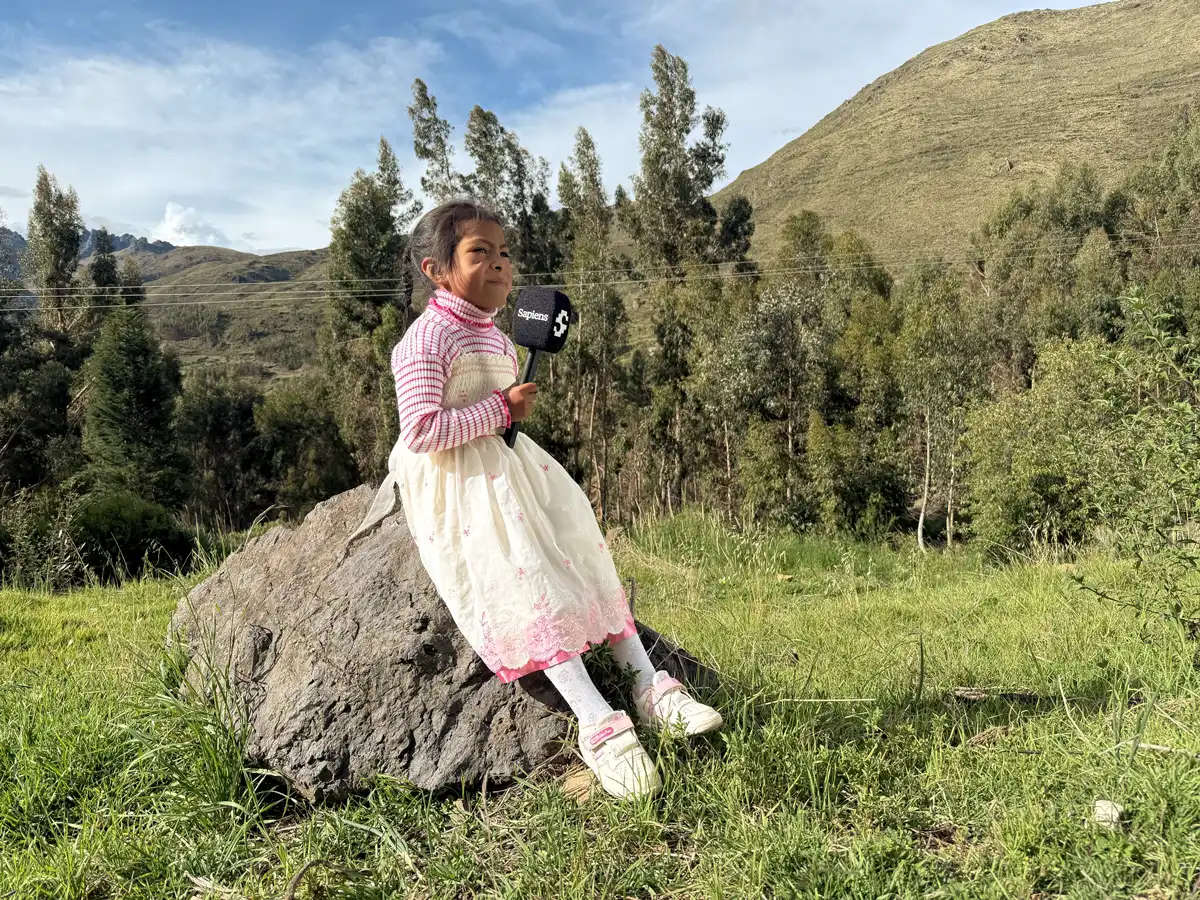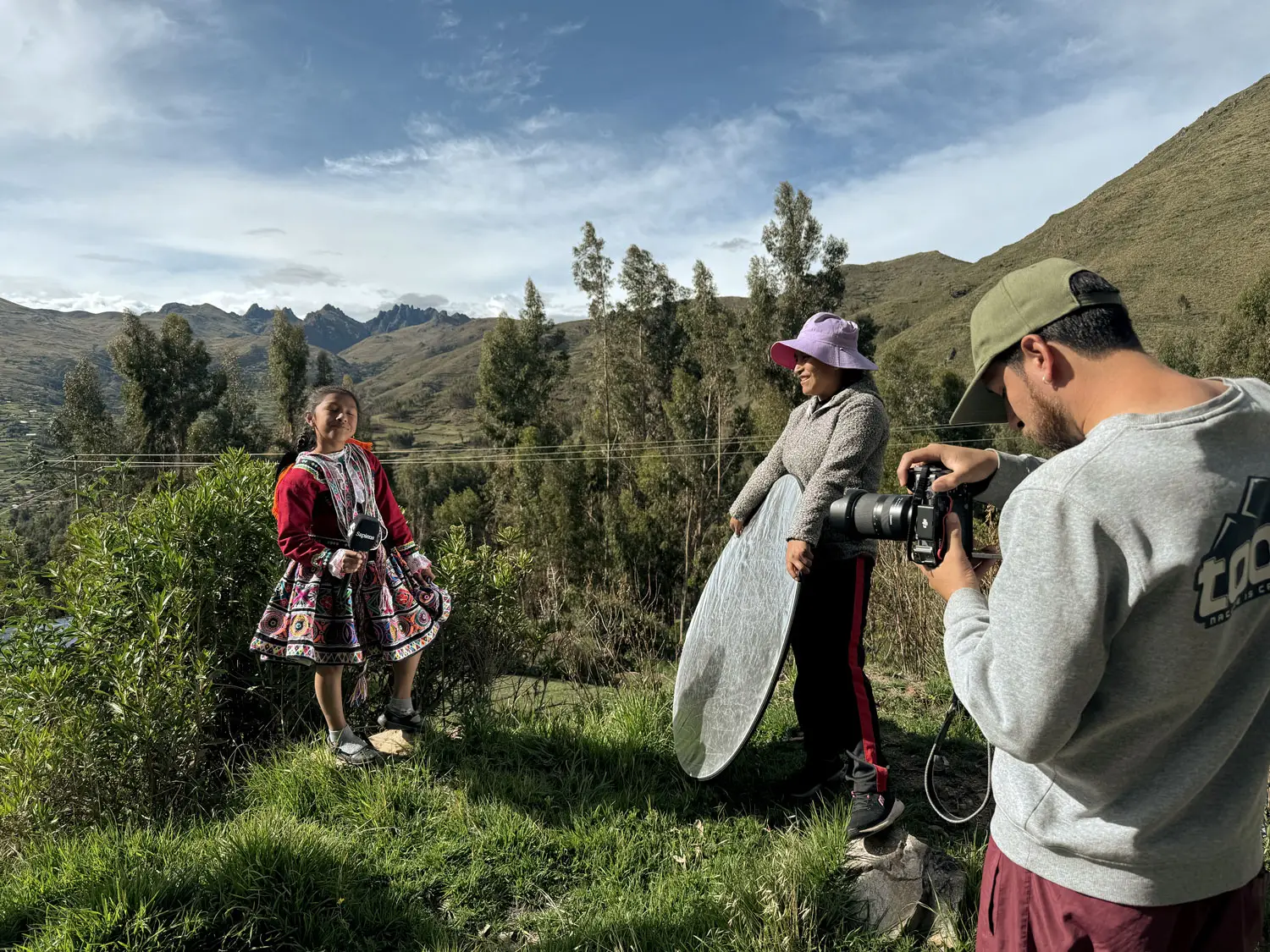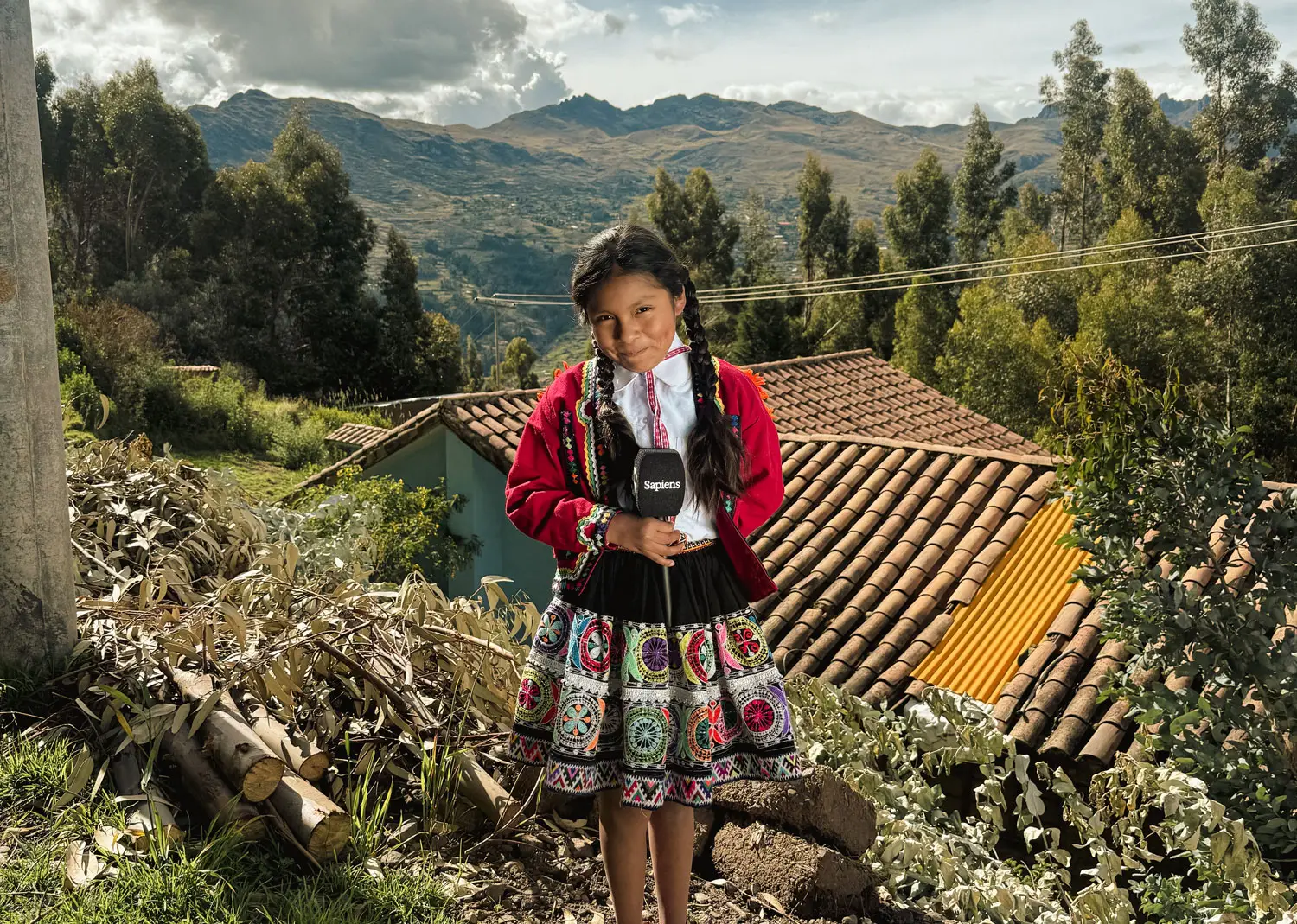

We asked the irqis (the Quechua word for children) to teach us how to name their favorite animals, in the variety they learned at home, Cusco-Collao Quechua.
For them, these names are part of everyday life. They hear them all the time when they head out to the fields with their mothers and grandmothers. The names can also arrive as stories and legends. In Andean tales, for instance, you’ll often hear about the fox (Atuq) who talked a condor into carrying him to a feast in the sky. Some of these animals are part of Quechua astronomy too, like the fox and the llama, constellations that announce the rains, the dry seasons, and the turning of the year.
Why learn Quechua?
Peru is one of the countries with the most Quechua speakers in the region. More than 3.8 million people have Quechua as their mother tongue, around 13% of the population, according to the National Institute of Statistics and Informatics (INEI). Quechua is also recognized as an official language of the country, and it remains alive not only in Andean communities but among the Indigenous migrants who live in the capital.
To value it, learn it, and teach it to children without making them hide it is to overturn a story long tied to shame. It is to find new ways to belong, to understand your own people, and to keep hold of what makes you who you are.
Grown-ups always have a lot to learn from kids. So come learn, alongside Camila and her friends, the names of the animals that live in the mountains, the puna, and the high valleys of the Andes.
How many of these names did you already know? Which of these animals is your favorite?
Thank you to every irqi who participated in this video with such enthusiasm. If you would like to see a second part, leave us a message in the comments.