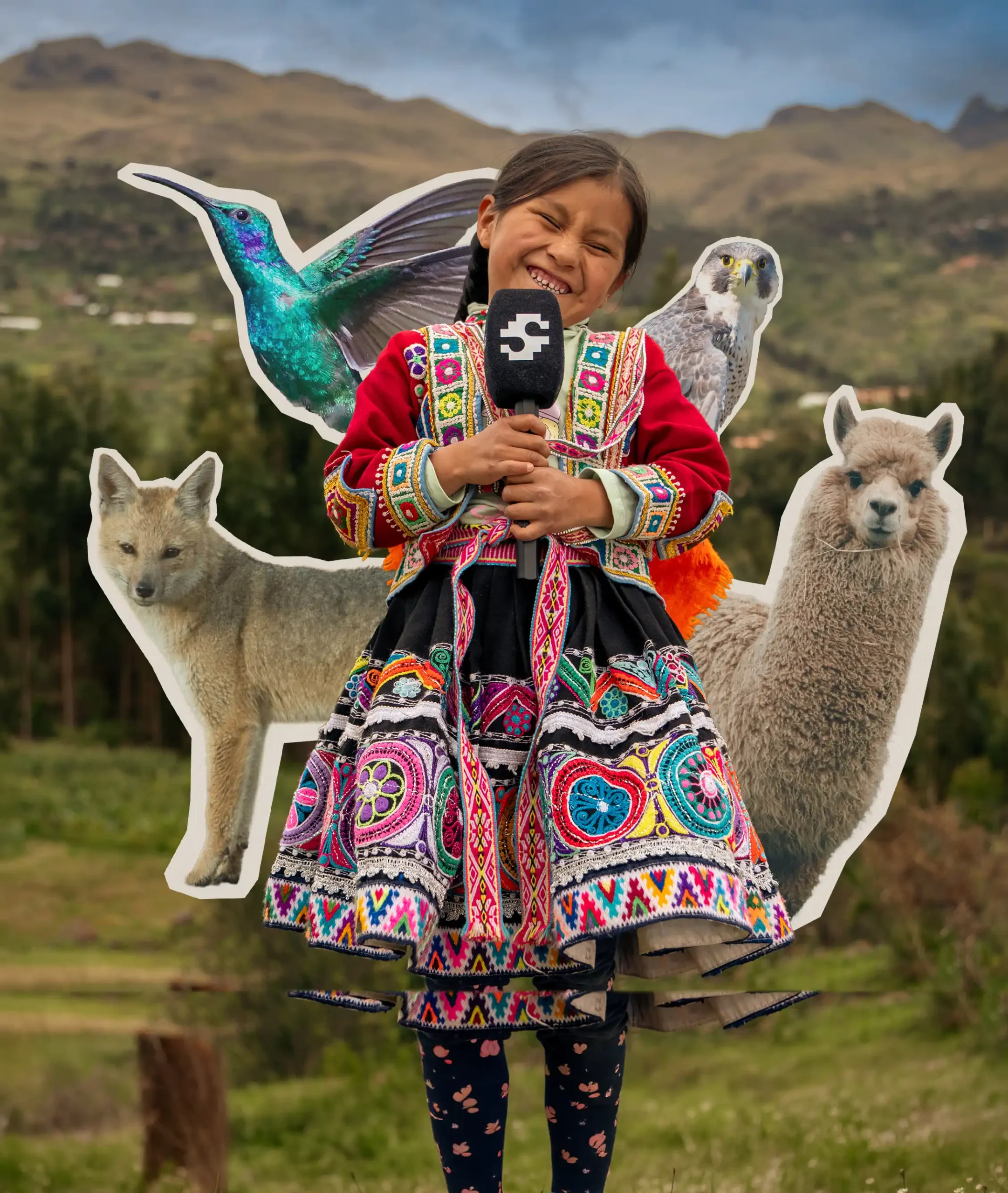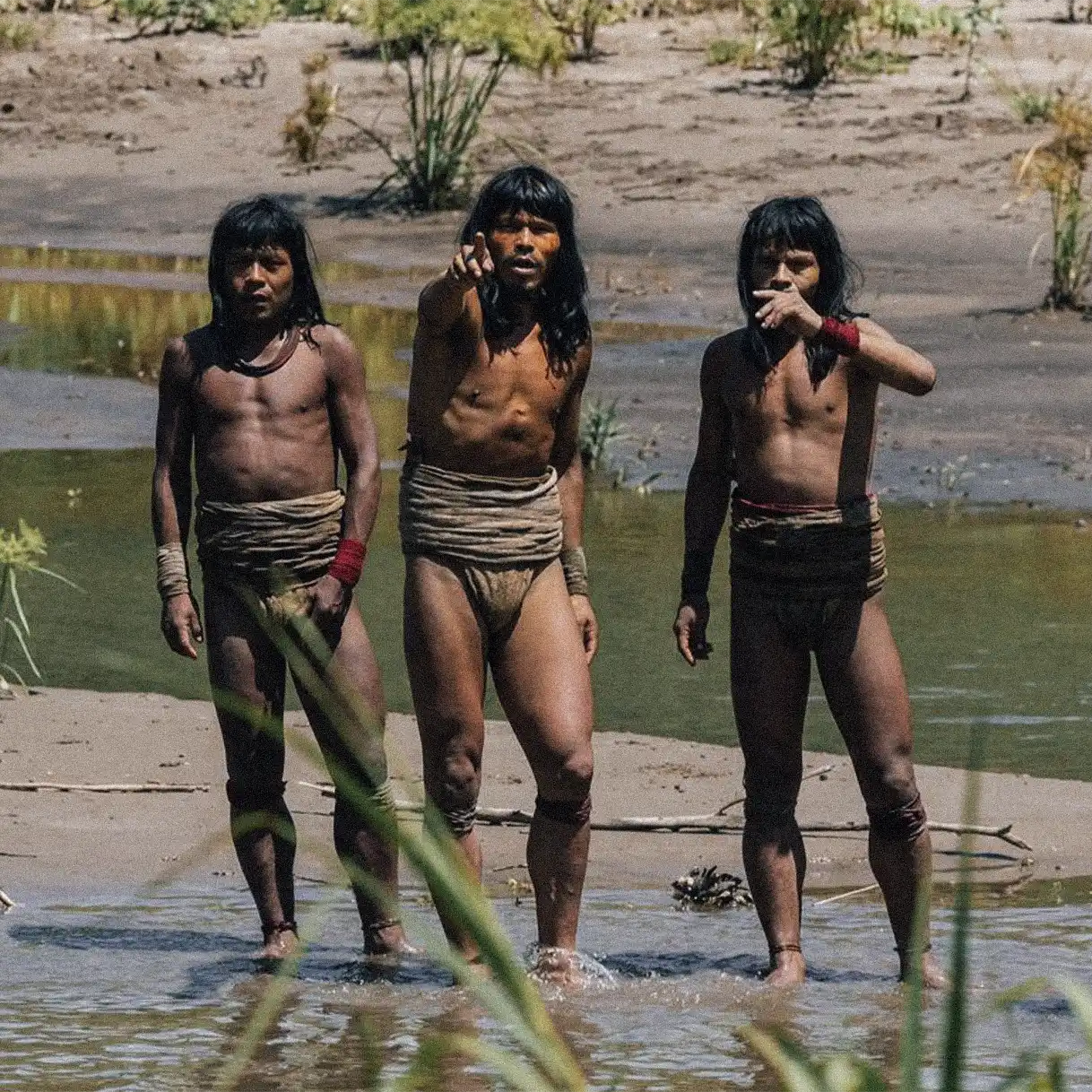

In the Sacred Valley of Cusco, 3,500 meters above sea level, young women from the area are summoned each year to take part in a singular competition, the Aclla Chincherina. Its particular criteria do not come from global trends, but from an ancestral tradition that has endured for 500 years.
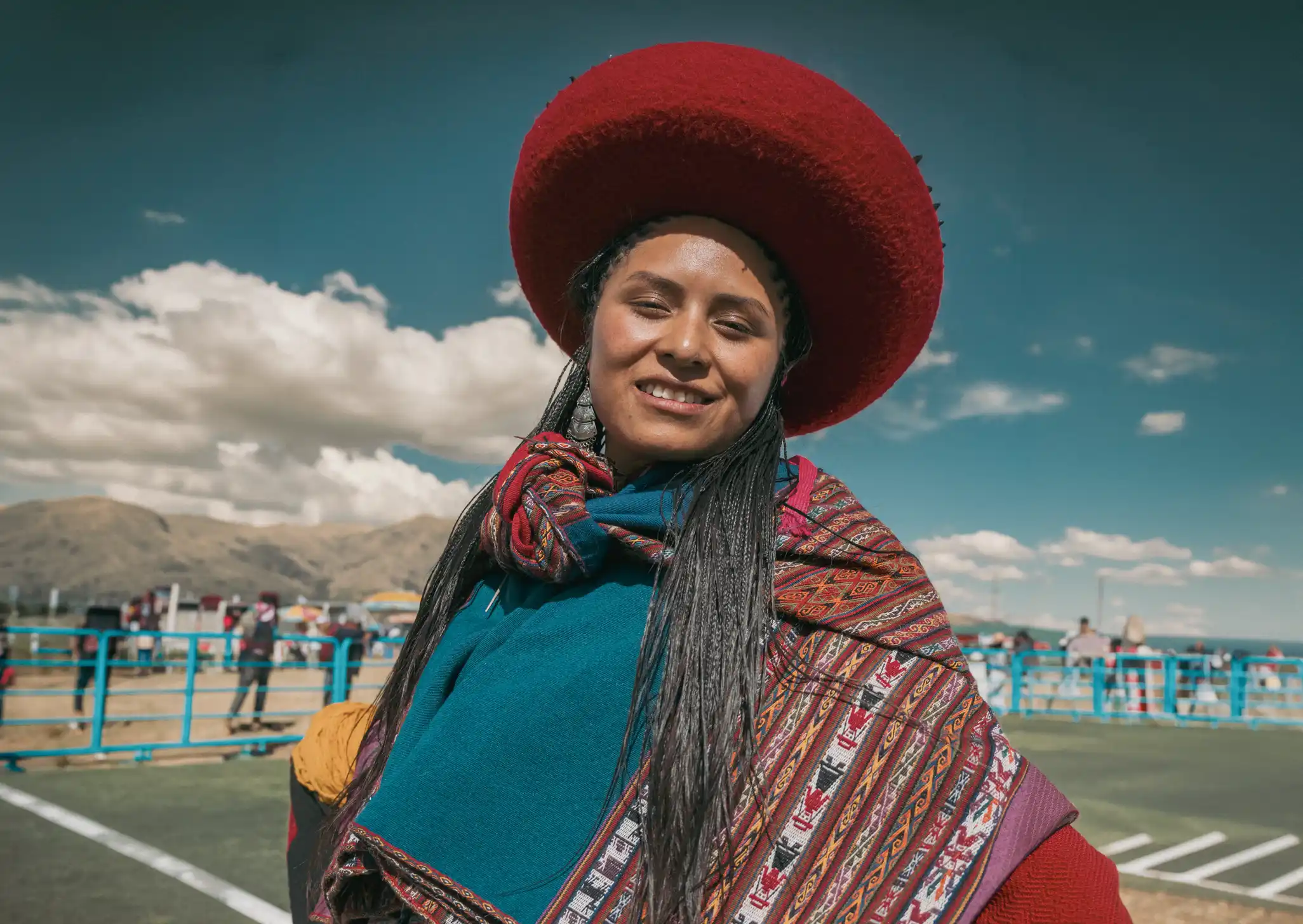
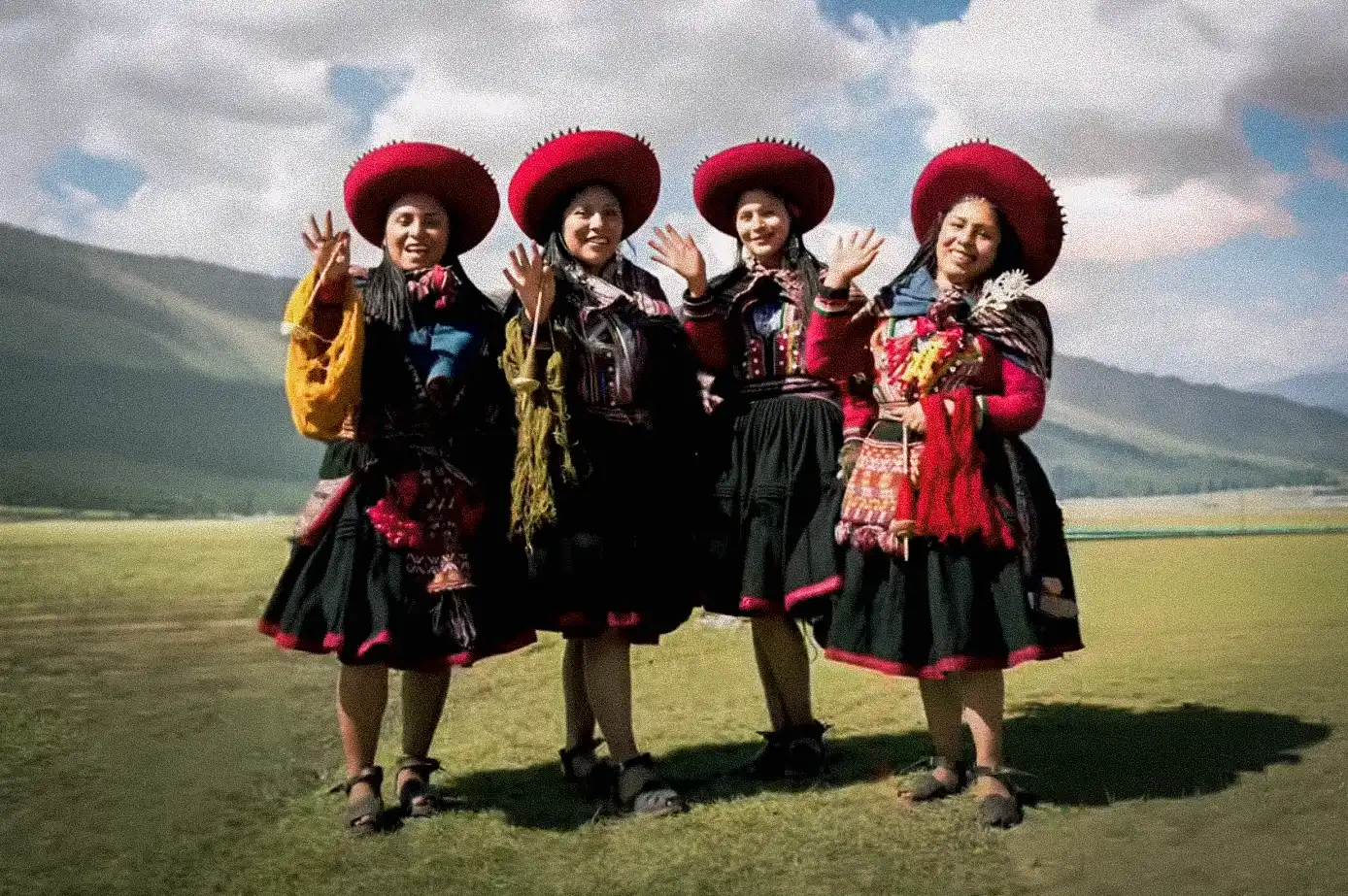
Host announcing a contestant
More than a beauty pageant
When you picture an Andean woman, do you only imagine her with two braids? During the Tahuantinsuyo, Aclla was the name given to Andean women who stood out for their beauty and skills. Even today, young women from the district present themselves with their hair covered in hundreds of fine braids that identify the Chinchero woman, to become the town’s new Aclla.
The competition begins by counting. “641 braids in total,” says one participant. She made them in a single night with the help of three friends. Another estimates she carries more than 500, braided in a single day alongside her mother, aunts and friends.
But the numbers are only the beginning. The winner must speak Quechua with remarkable fluency, wear her complete traditional dress, demonstrate command of the ancestral Chinchero backstrap loom technique, and present herself with talent and grace before the audience.
“Eighteen years old, Gemini. What she does: she studies and works at the same time, and practices ancestral weaving,” says the host, announcing a young woman who walks smiling before the jury and the public.
Being named Aclla is also an effort that involves the whole family. The father of Sarai Quispe Aucca Puma, one of the participants, explains that the dress can cost around 1,500 soles (almost 440 US dollars) and that her mother spent two full days braiding her daughter’s hair. “We have sacrificed for her. I feel proud of my daughter,” he says with joy.
But where does this specific way of valuing an Andean woman come from? Who decided, centuries ago, that this tradition should be preserved?
The Llullaillaco mummies
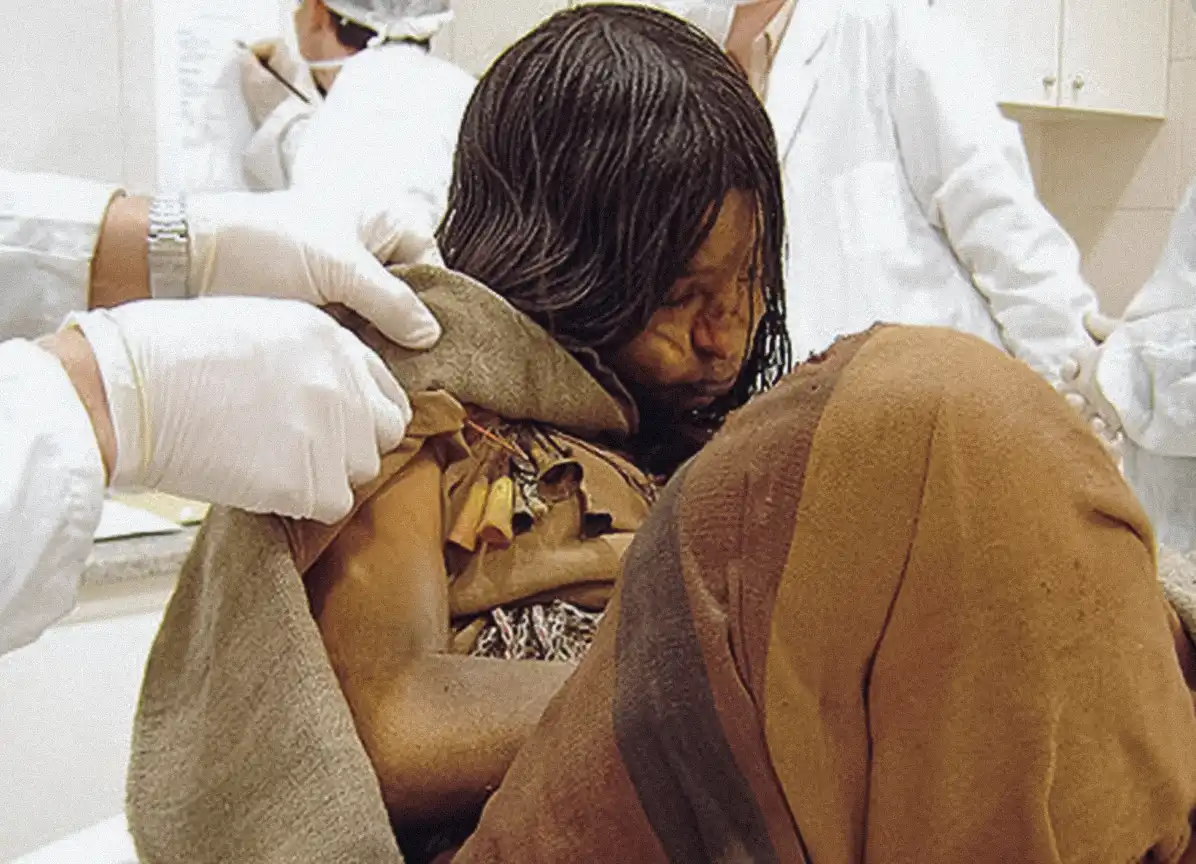
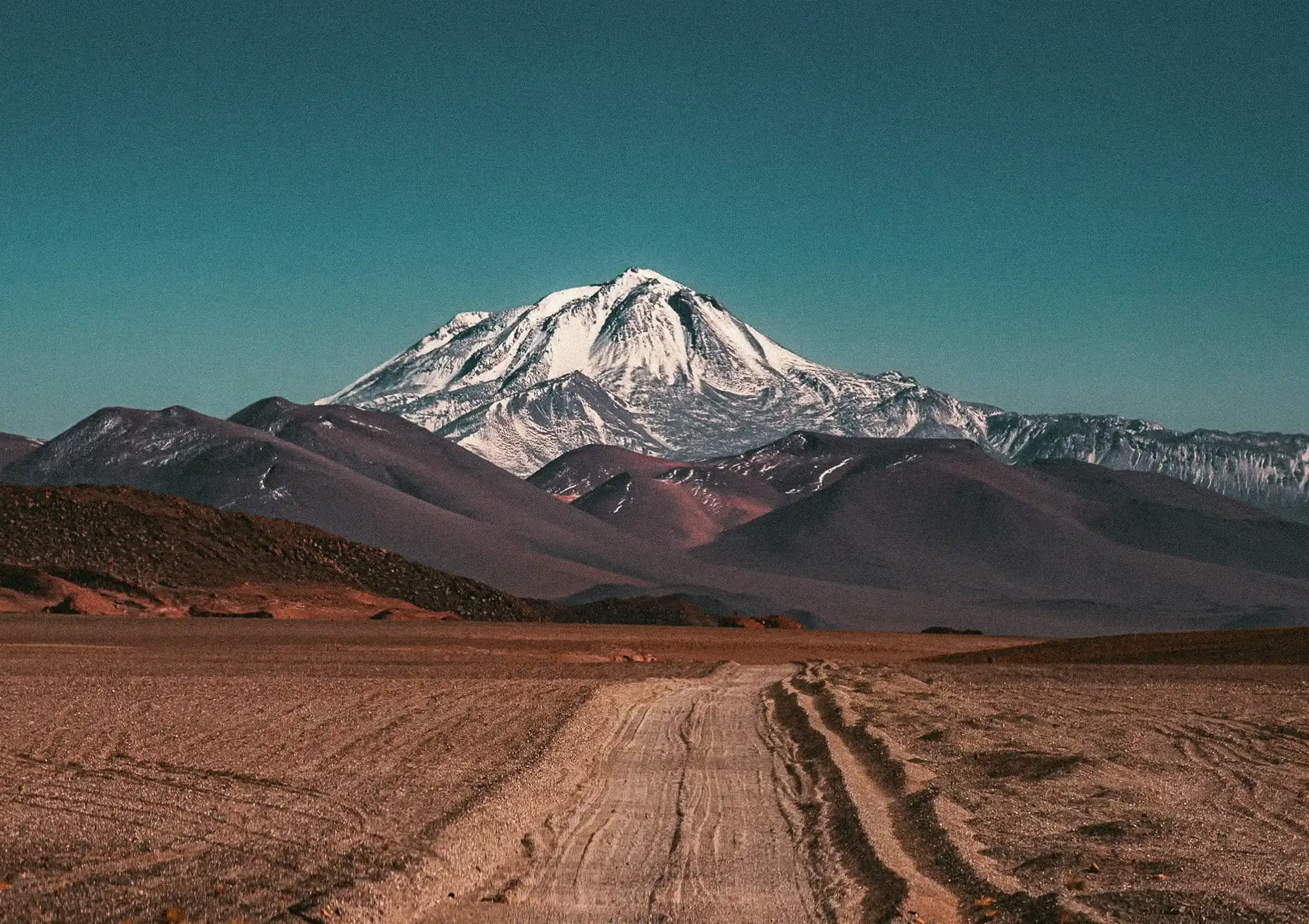
The evidence was frozen in one of the most important findings in world archaeology. In 1999, an expedition funded by National Geographic found, on the summit of the Llullaillaco volcano in Argentina, three Inca children preserved for more than 500 years in one of the coldest and driest regions on the planet.
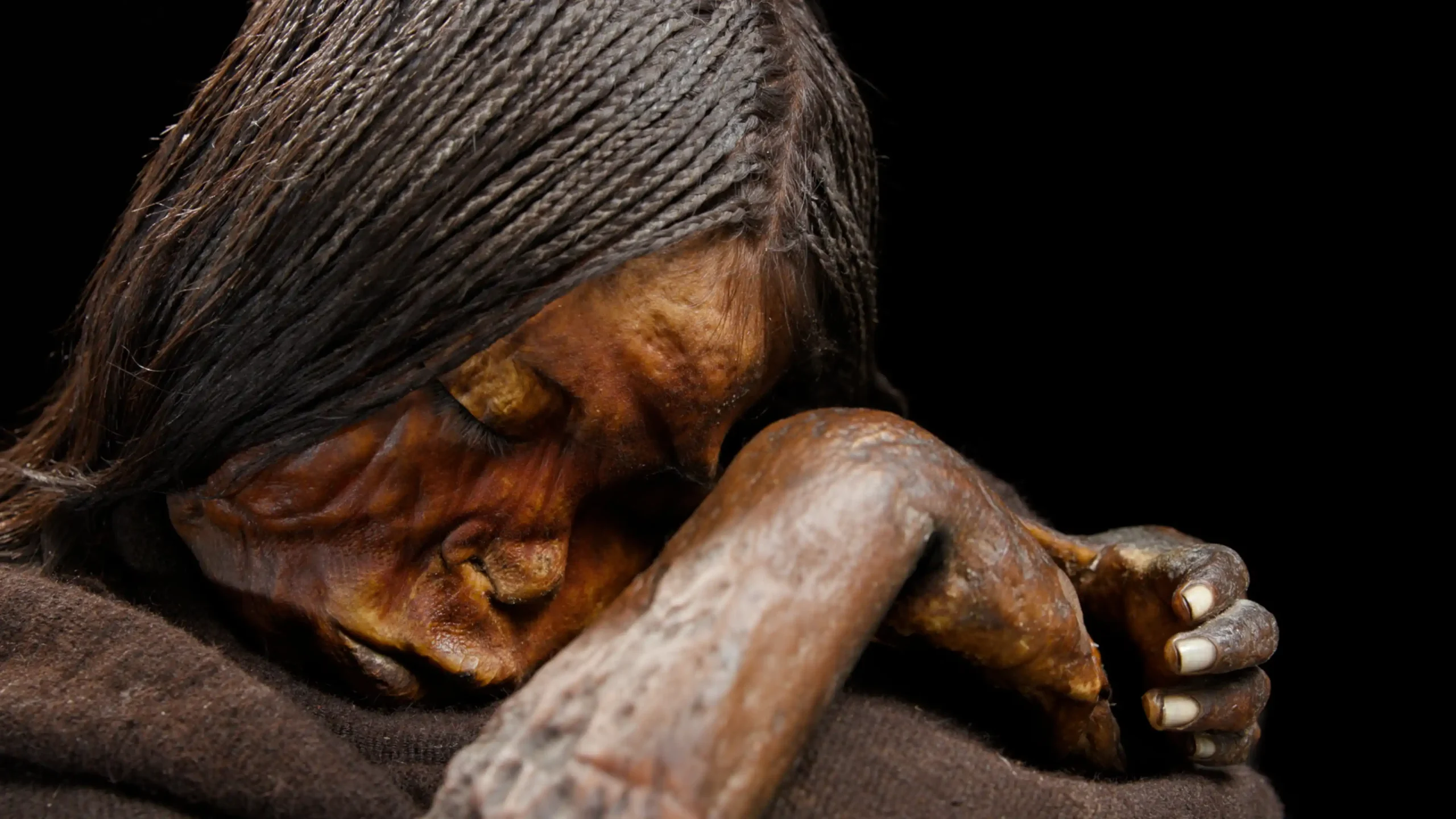
Scientific studies determined that the children took part in the Inca ritual of Capac Cocha, a ceremony in which chosen children were considered “messengers of the gods” and taken to mountain summits to be offered. They had walked from Cusco. Analysis of their hair showed that their diet changed drastically four or five months before the ritual, with greater consumption of maize and coca. The youngest children showed cranial deformation, a mark of elevated social status in Inca culture. They were accompanied on their final journey by 46 objects, including textiles, vessels, gold and silver statues, and coca leaves; pieces that today allow every aspect of their ritual preparation to be reconstructed. Among them was also the so-called Maiden of Llullaillaco, an adolescent of about 15 whose hair still holds tiny, perfectly arranged braids. The extreme cold and the dryness of the place preserved their bodies as if time had stopped.
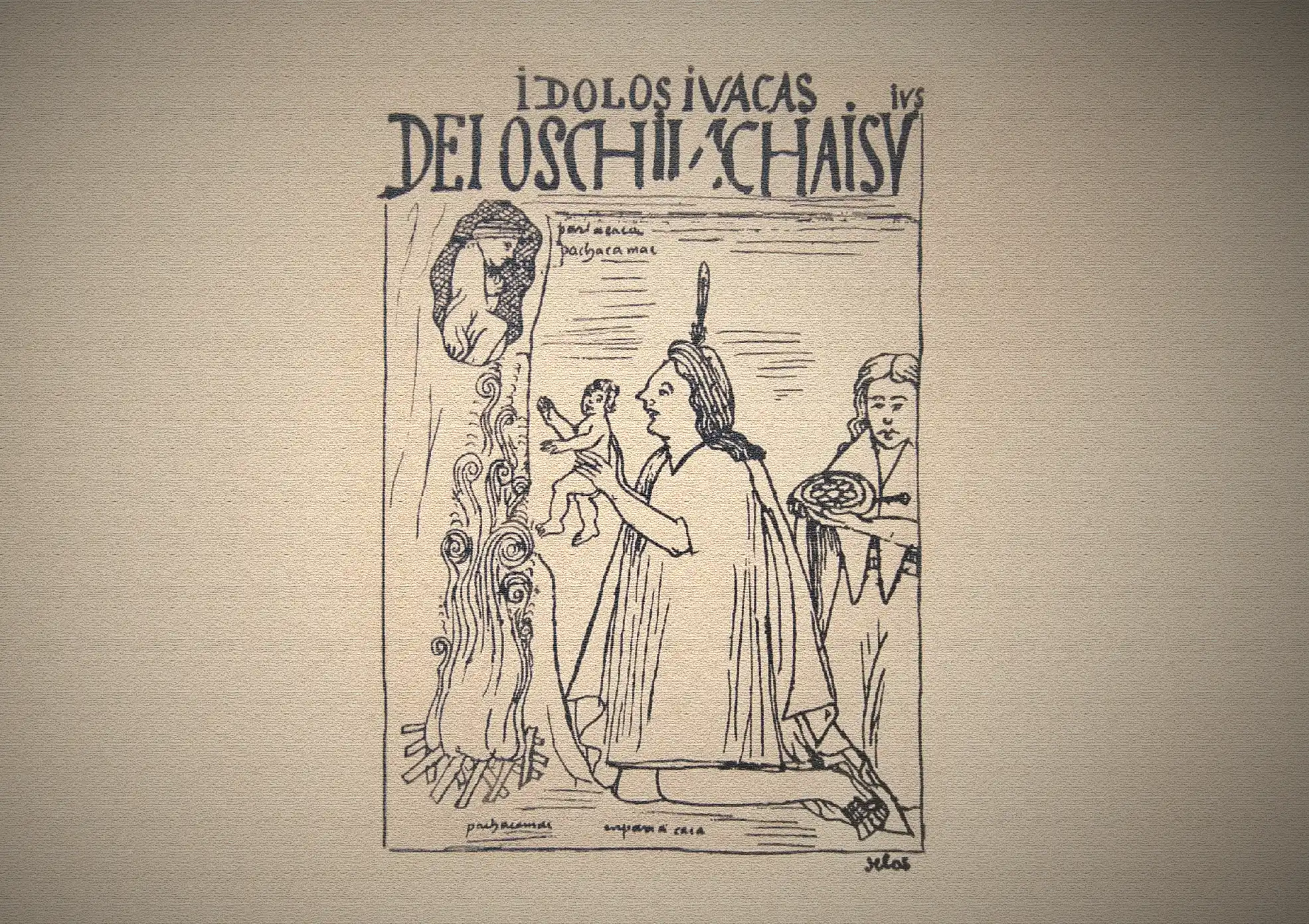
This attention to appearance was no coincidence. The chronicler Inca Garcilaso de la Vega recorded in his book “Royal Commentaries of the Incas,” published in the 16th century, the special care women took with their hair, which they braided and adorned in festive and ceremonial contexts. The small braids, more than a hairstyle, were part of a social and ritual language that marked distinction. “As for the women, the care was even greater. They braided and adorned their hair, especially during festivities and religious rituals,” he describes in his book.
Centuries of conquest, evangelization and oblivion could not erase the way of seeing the world, of inhabiting a body, of belonging to a land. In Chinchero, the Aclla Chincherina contest chooses a local representative each year and, in doing so, displays a tradition that connects the past with modern times, because despite everything, we are still here.