
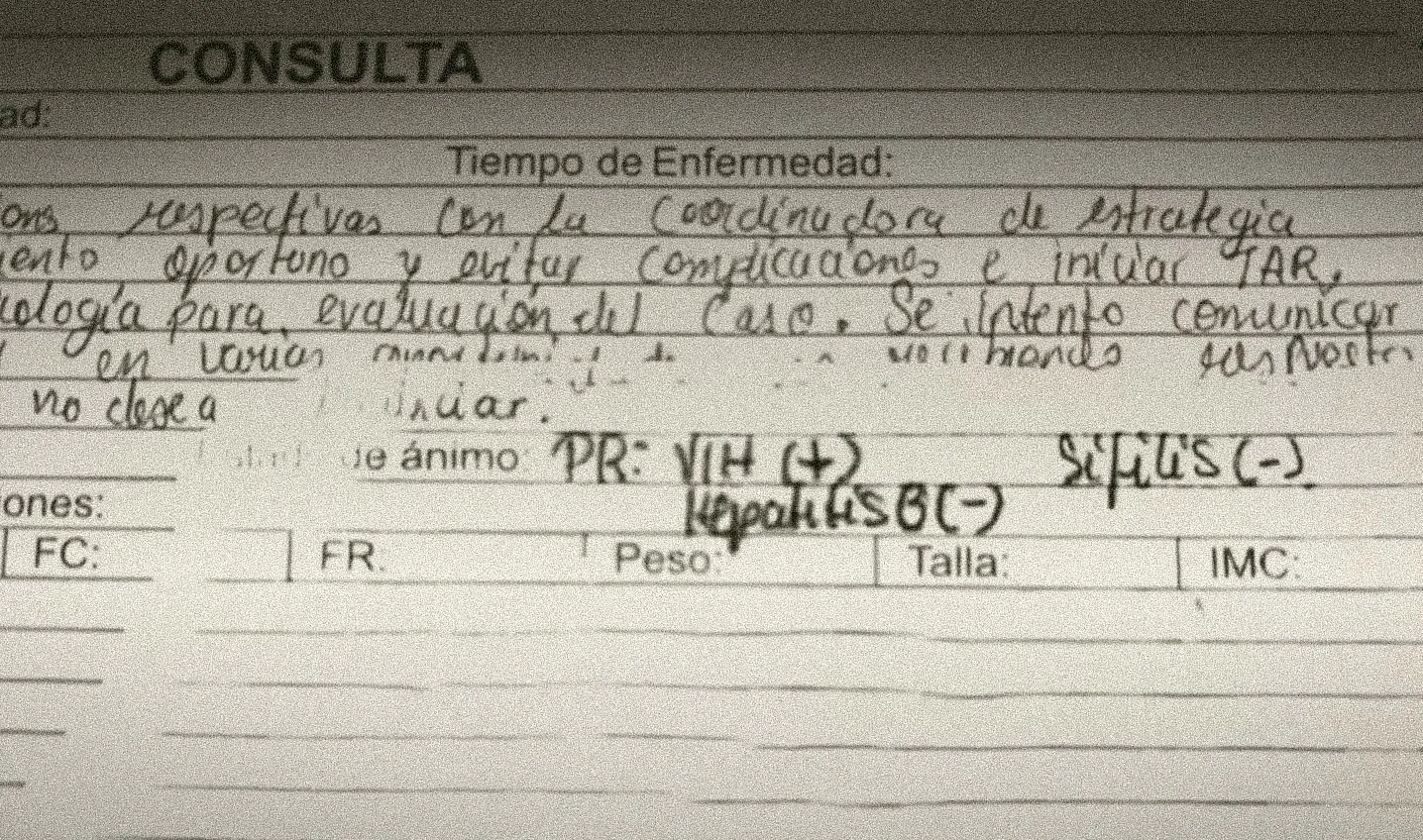
In May 2024, Rosemary Pioc, president of the Council of Awajún Wampís Women (COMUAWUY), revealed that 524 complaints had been filed against teachers for sexual violence against students in Condorcanqui, an Amazonian province of Peru, between 2010 and 2024. Many of the victims reportedly contracted HIV and other sexually transmitted infections. The news sparked outrage across the country. For the first time, violence against Awajún and Wampís children made front pages and national debates. Yet the State’s first reaction was worse than regrettable. Then Education Minister Morgan Quero said the abuse was part of a “cultural practice” of Amazonian peoples, a remark that laid bare the prejudice with which the State views Indigenous communities. Two years later, according to COMUAWUY, the number of sexual abuse cases exceeds 800 and not one has ended in a conviction. Now the women leaders are demanding that the State build a shelter for victims in Santa María de Nieva, the provincial capital.
More than ten years without justice
The first official warning came in 2015. That year, the Ombudsman’s Office published the report “The situation of student boarding schools in the regions of Amazonas and Loreto,” which drew little response from national authorities. In 2025, an Emergency Decree finally authorized funding to implement the National Specialized Justice System (SNEJ) in Condorcanqui, with prosecutors’ offices, courts, police and protection services, according to the Ombudsman’s Office.
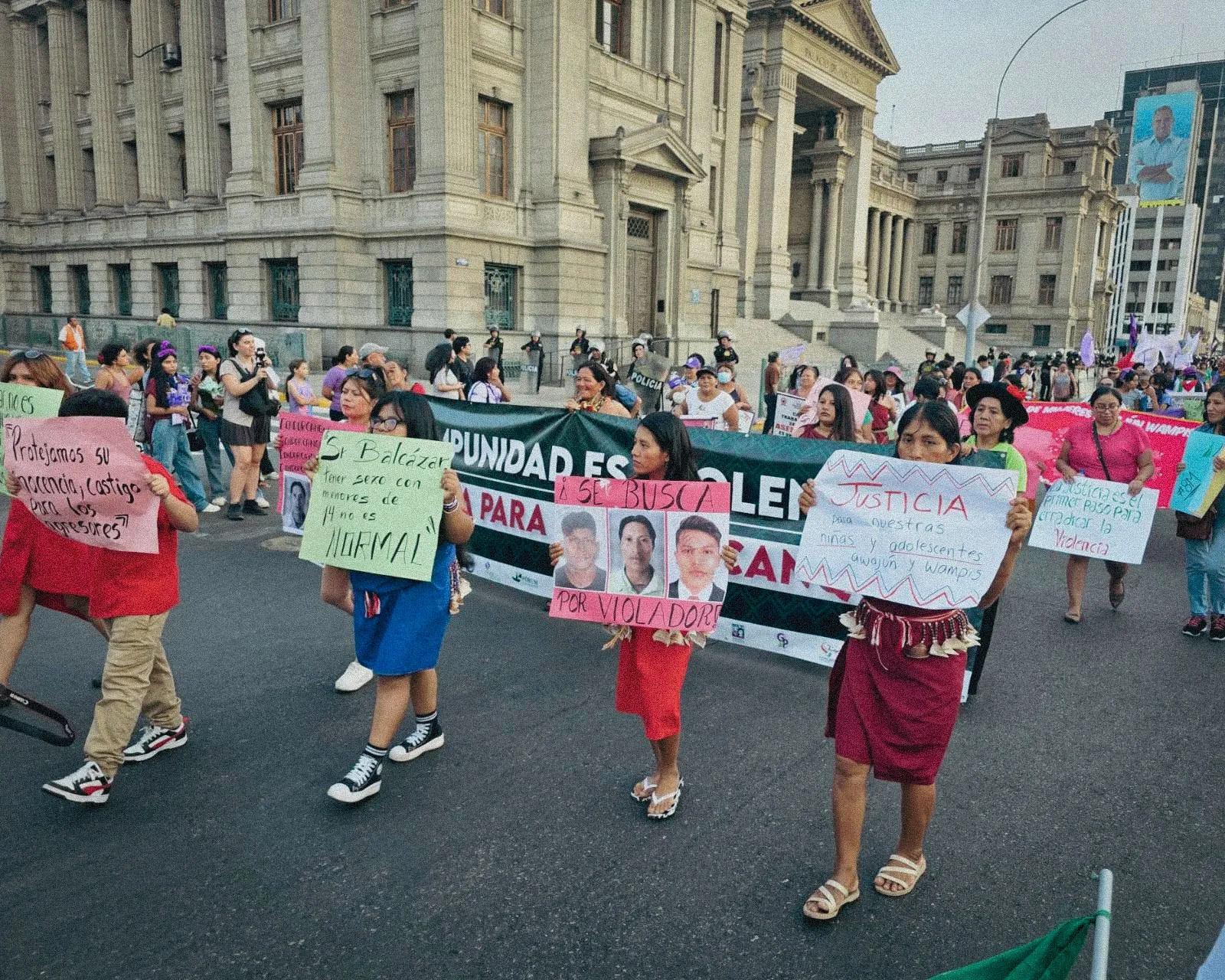
But that progress began to unravel in 2026, when the Public Prosecutor’s Office, citing a lack of funds, shut down the specialized prosecutors’ offices for violence against women in Río Santiago and El Cenepa and dismissed 26 workers. The women leaders took to the streets once again, demanding that the offices stay open and calling for justice for the children of Condorcanqui. The pressure worked, and the Public Prosecutor’s Office announced they would be reactivated.
Raphael Hoetmer | Amazon Watch
International attention arrives before the State
In September 2026, the Organization of American States (OAS), the hemisphere’s main intergovernmental forum, sent a mission to Condorcanqui. Over the course of a week, its delegation traveled through Santa María de Nieva, Río Santiago and El Cenepa, and concluded that sexual violence against girls and adolescents in the province is structural and persistent. It also noted a lack of Gesell chambers and forensic staff, heard testimonies of threats against victims and women leaders, and raised concerns about child pregnancies, early or forced unions, HIV cases affecting girls and adolescent suicides possibly linked to violence and isolation. Of the 525 cases the Public Prosecutor’s Office has opened since 2023, only 33 have reached indictment. The fact that an international body had to come and listen to the victims says a lot about what the State failed to do all these years. “The Peruvian government should have sent a high-level delegation to the area to understand the crisis and bring concrete answers, but it’s still not a priority for them,” says Raphael Hoetmer of Amazon Watch.
The government’s responses once again stigmatized Indigenous communities. The current Minister of Justice, Ernesto Álvarez, told Congress that in those communities “intimate cohabitation with minors is not seen as a crime.” The Minister of Women, María Seminario, pointed the finger at the Regional Government of Amazonas and stated that “this is not a problem of the justice system, the police or the Executive.”
Rosemary Pioc | COMUAWUY
Women leaders demand a shelter in Nieva
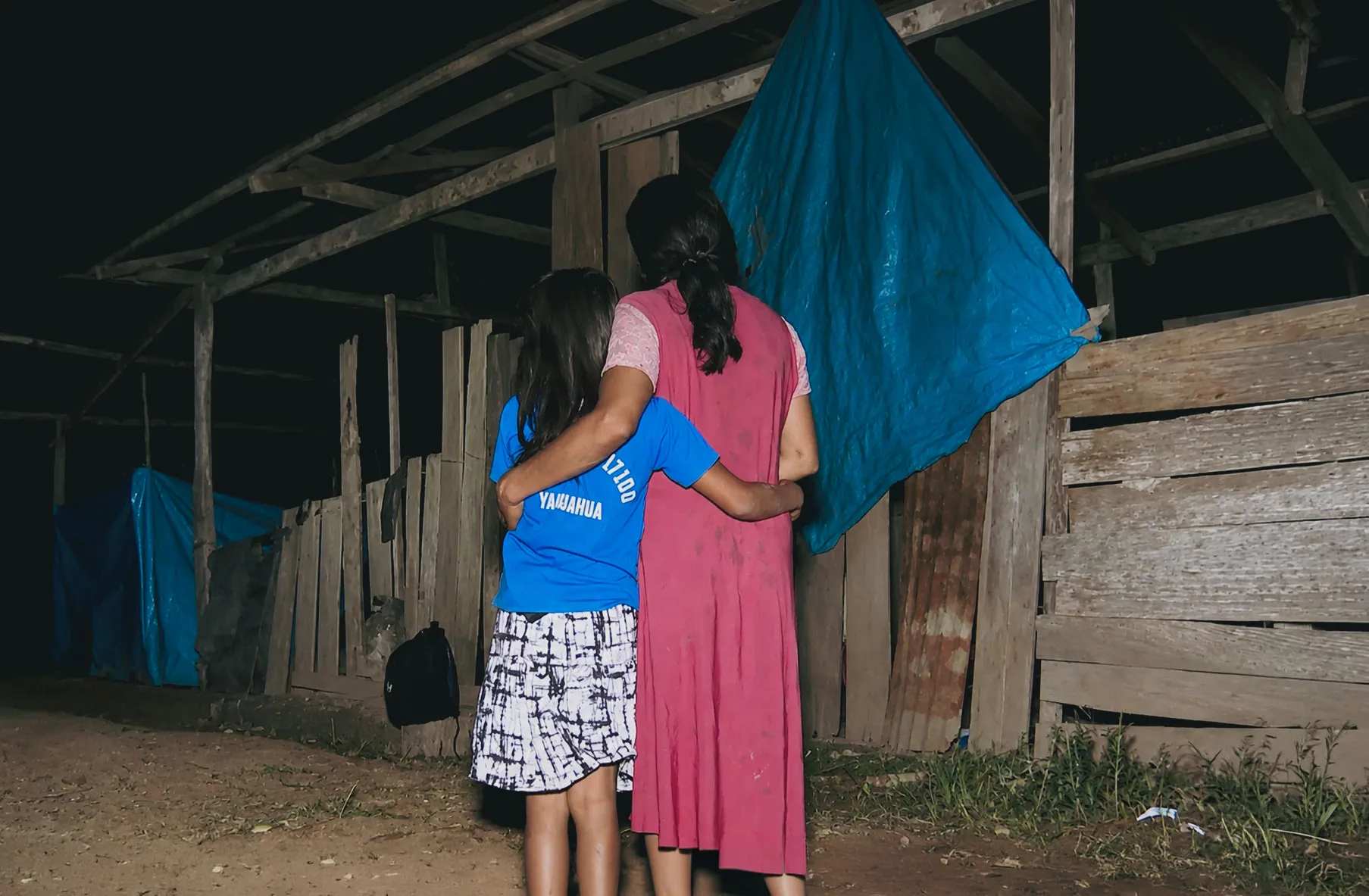
While the State argues over who is responsible, Awajún and Wampís women accompany the victims and pay for their transportation out of their own pockets, even after receiving threats for their work. In 2025 they opened Nuwa Tajimtaji in Nieva, a temporary shelter that has already taken in 140 people and can no longer keep up.
State shelters are located outside the province, in Bagua and Pedro Ruiz. A girl seeking protection is forced to leave her community, her family and her language behind, which, according to COMUAWUY, increases the risk of suicide among victims.
“We demand that this government build a shelter with doctors and psychologists who can care for these victims,” says Rosemary Pioc. The women leaders are asking María Seminario, Minister of Women, and Maritza Canales, Minister of Development and Social Inclusion, for a Temporary Shelter Home in Santa María de Nieva, a High-Level Commission in Condorcanqui and sustainable funding for 2027. “What is needed is to open investigations that are carried through to the very end. To stop tolerating impunity,” Hoetmer adds.
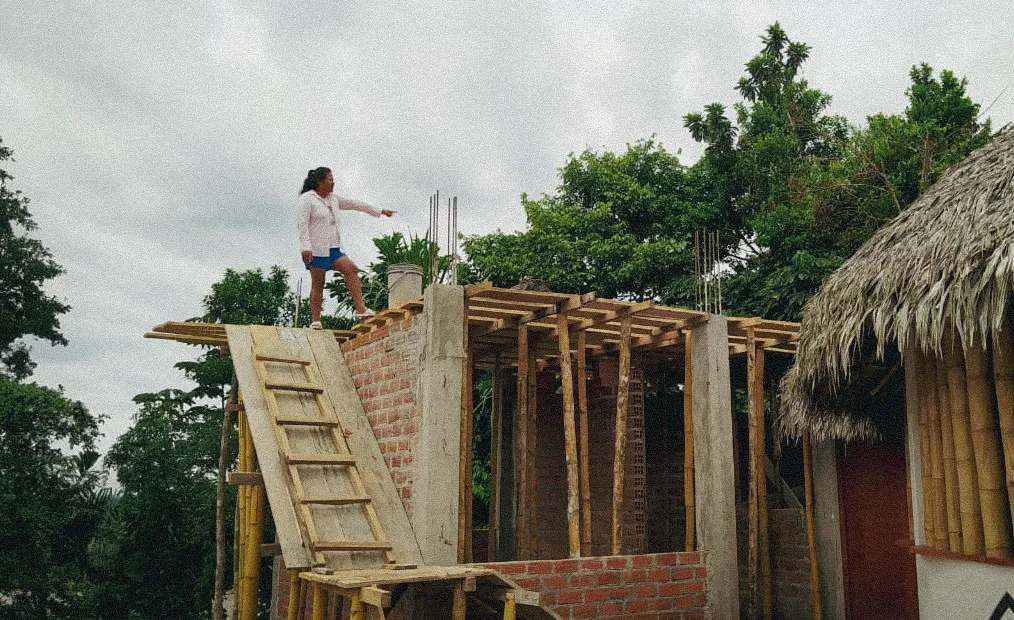
Sign for a shelter for Indigenous children in Nieva
Awajún and Wampís women have already shown that a shelter in the territory is both possible and urgent. Now they are asking Keiko Fujimori’s government to take on its responsibility. You can join their call by signing the COMUAWUY and Amazon Watch petition and by emailing María Seminario, Minister of Women and Vulnerable Populations, and Maritza Canales, Minister of Development and Social Inclusion, to demand a State-run Temporary Shelter Home in Santa María de Nieva.