
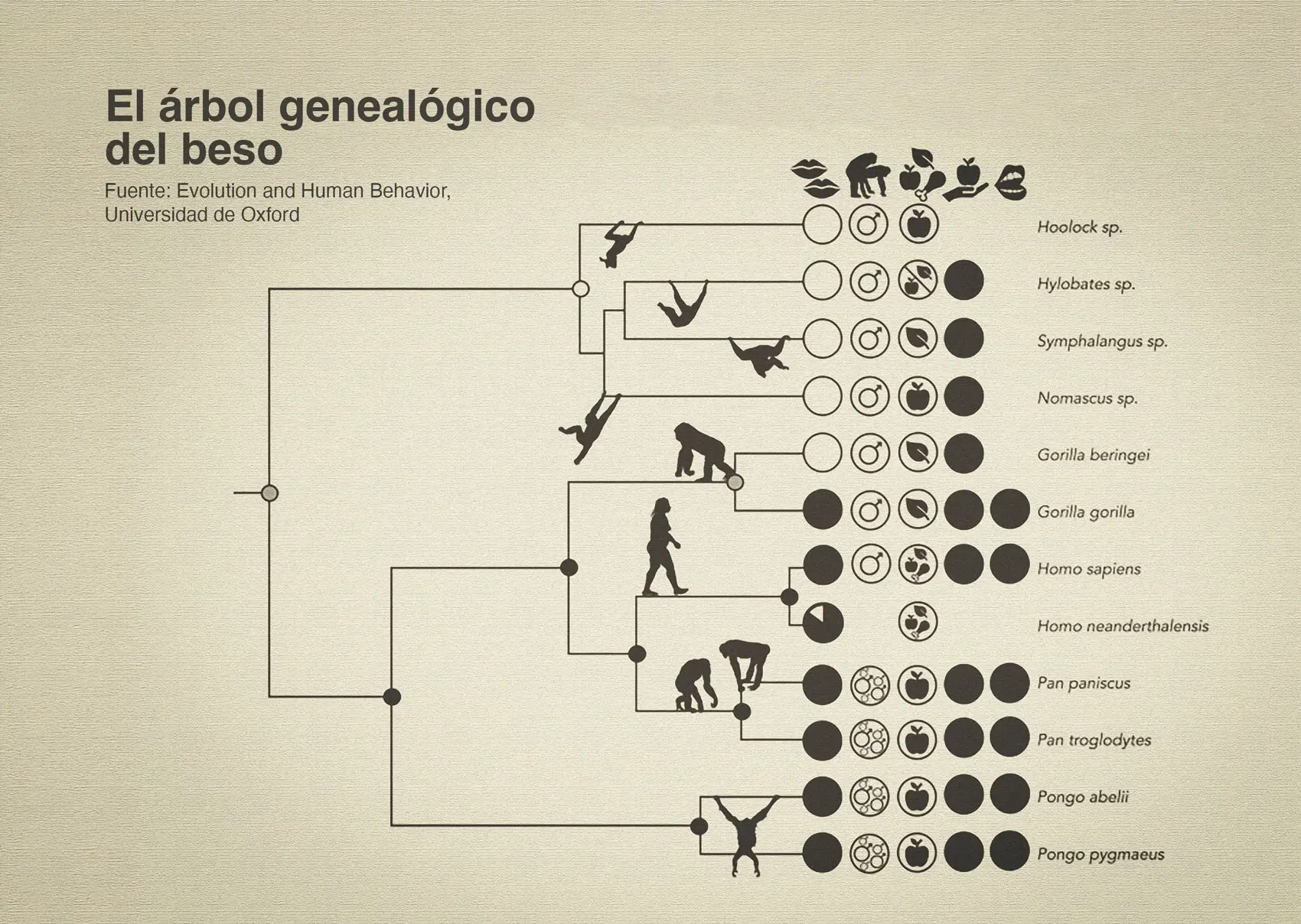
El beso es el momento climático de las películas, la coronación de una victoria, el gesto de la pasión y también el de la traición, el que sella una boda y el de la despedida en la puerta de embarque. El beso puede ser un acto cotidiano, pero casi nunca nos detenemos en lo extraño que es juntar una boca con otra. Un estudio elaborado por científicos de la Universidad de Oxford, publicado en la revista Evolution and Human Behavior, se preguntó por su origen, y la respuesta llevó a los investigadores 21 millones de años atrás.
Buscando el beso más antiguo
Durante mucho tiempo, preguntarse por la antigüedad del beso fue preguntarse por archivos. Y el resultado de esa búsqueda nos lleva a una referencia escrita encontrada en tablillas cuneiformes de la antigua Mesopotamia. El beso más antiguo registrado de la humanidad ocurrió ahí hace 4.500 años.
Pero el registro más antiguo no es el origen. Un beso no deja fósil ni queda atrapado en permafrost, y que aparezca escrito hace miles de años solo prueba que besarse ya era una práctica bien establecida. El origen, el momento en que el acto apareció por primera vez, tiene que estar mucho más atrás.
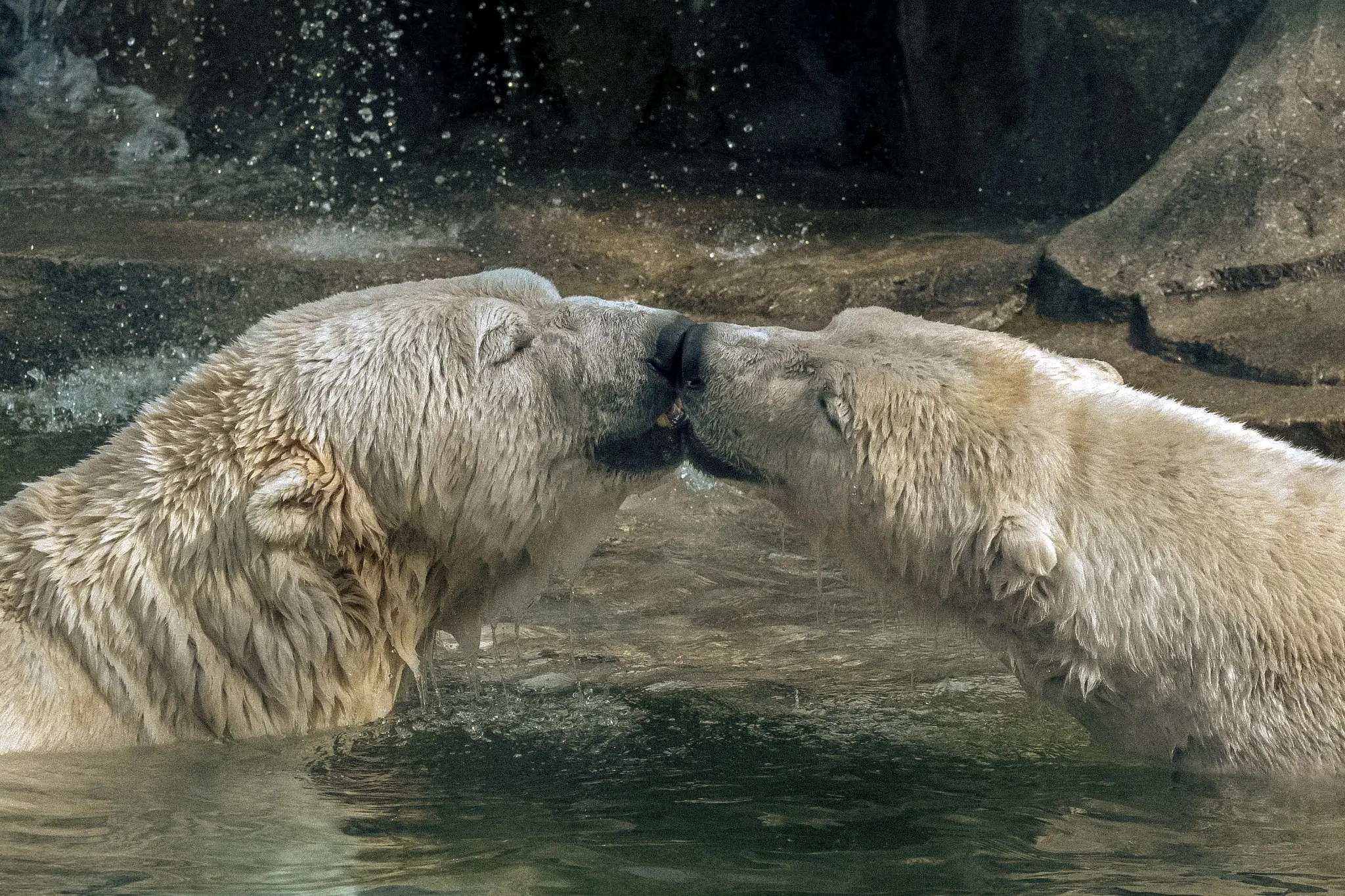
Lo primero que tuvo que hacer el equipo liderado por Matilda Brindle, bióloga evolutiva de la Universidad de Oxford, fue decidir qué cuenta como beso y qué no. Como iban a comparar especies muy distintas, necesitaban una definición que sirviera para todas, así que se quedaron con esta, contacto boca a boca, no agresivo y sin transferencia de alimento. Con esa definición, el equipo encontró besos por todos lados. Documentó contacto boca a boca en chimpancés, bonobos y orangutanes, pero también lejos de los primates, en lobos, perros de la pradera, osos polares y albatros de Galápagos.
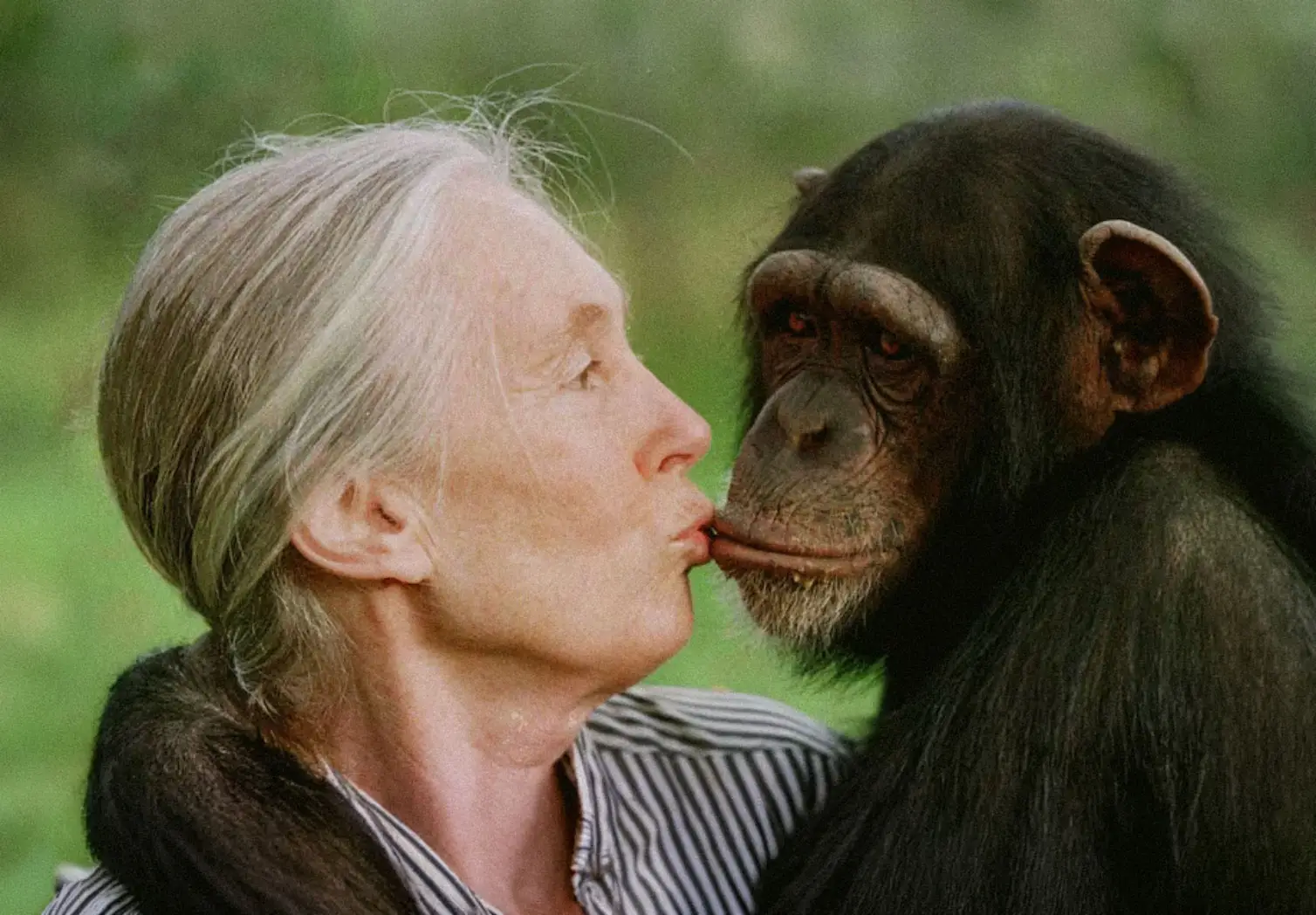
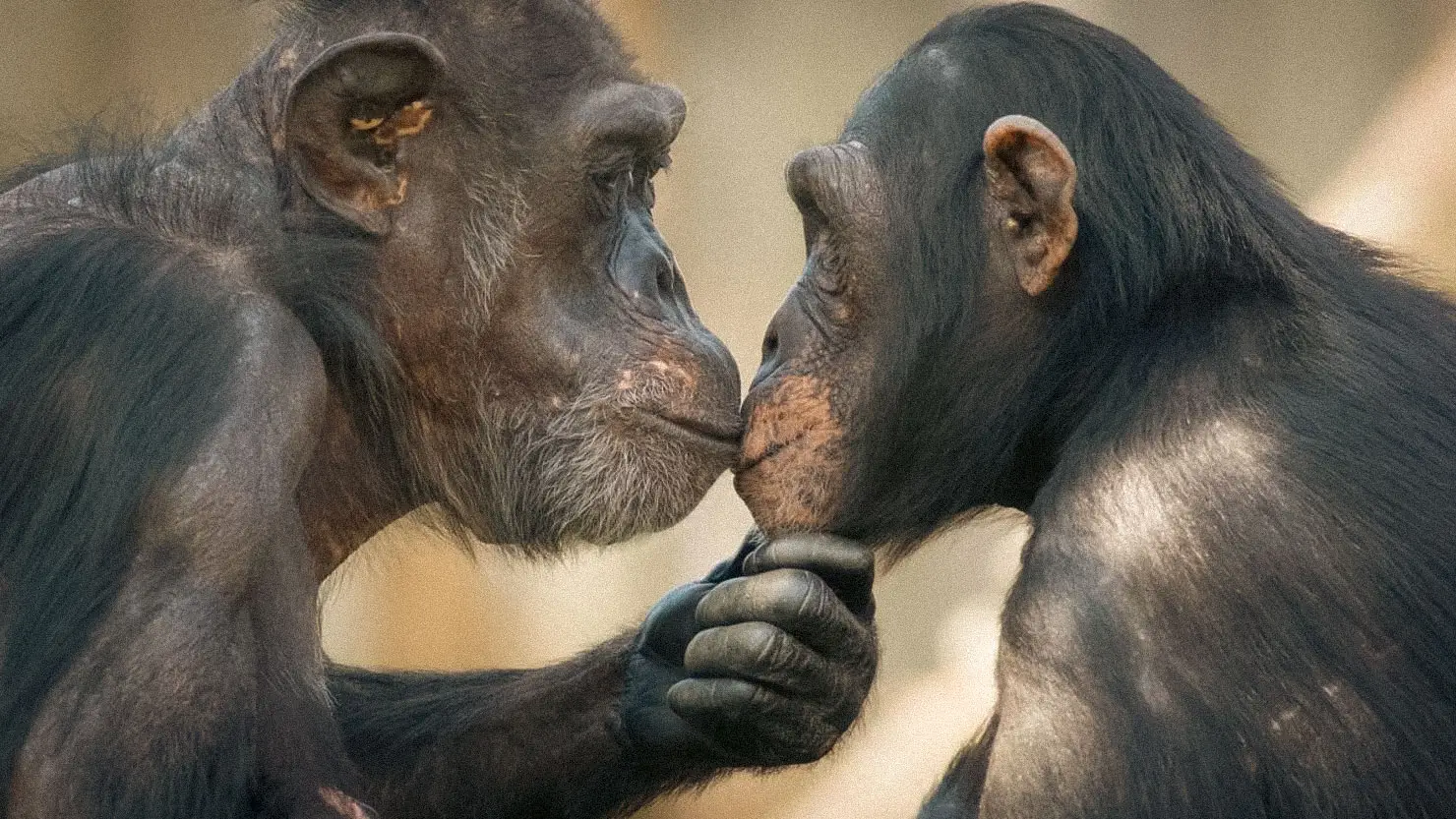
Los bonobos y los chimpancés son los más parecidos a nosotros en esto, porque besan en contexto sexual, platónico y hasta como señal de reconciliación, algunos con lengua. A Brindle la sorprendió lo lejos que llegaba el gesto. «Es importante entender que esto es algo que compartimos con nuestros parientes no humanos» dijo a la BBC, y que no habría que descartarlo como una tontería solo porque en los humanos suene a romance.
El método
Aquí está lo interesante. Los investigadores usaron un método llamado modelado bayesiano, simularon distintos escenarios de evolución a lo largo del árbol de los primates y corrieron el modelo diez millones de veces para que las estimaciones fueran sólidas. En otras palabras, construyeron un simulador del pasado y lo hicieron correr hasta ver en qué punto del árbol familiar pudo aparecer el gesto. Eso sí, conviene no perder de vista que es una reconstrucción muy fundada, pero sigue siendo una estimación de probabilidades.
¿Nos besábamos con neandertales?
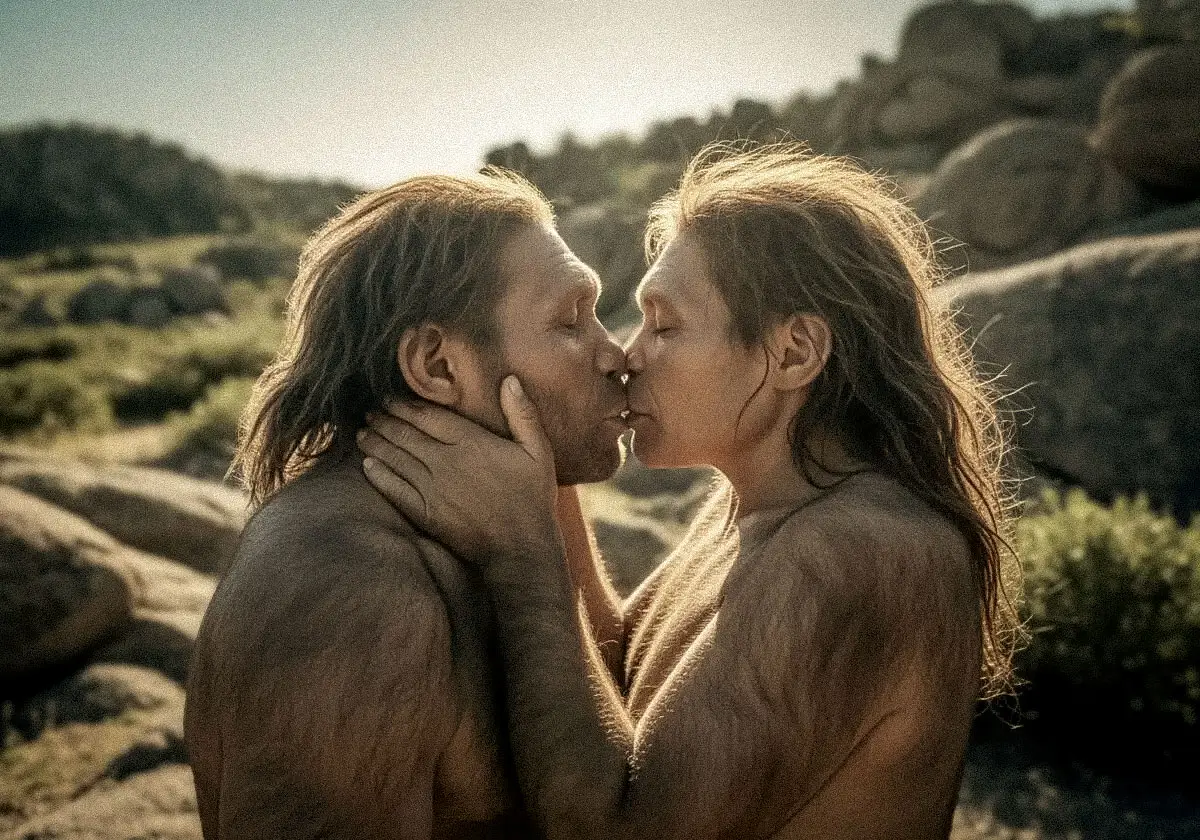
Todos los humanos de ascendencia no africana llevamos entre un 1 y un 2% de ADN neandertal, prueba de que hubo cruce. Pero la señal más sugerente está en la boca. Humanos modernos y neandertales compartimos un microbio oral, el Methanobrevibacter oralis, cuyas cepas se separaron hace entre 112.000 y 143.000 años, mucho después de que las dos especies se dividieran. Que ese microbio siguiera pasando de una especie a otra tanto tiempo después implica contacto íntimo y repetido. Ese intercambio pudo darse de tres maneras, compartiendo comida, por premasticación, o por besos. Según el modelo de Oxford, con un 84,3% de probabilidad, lo más seguro es que también nos hayamos besado.
¿Para qué sirve un beso?
Desde una perspectiva biológica, el beso es casi un contrasentido. Transmite enfermedades, expone a microbios, y no ofrece ninguna ventaja reproductiva evidente. Y sin embargo sigue aquí después de millones de años.
Una de las hipótesis que el estudio repasa es que besar nos permite, nos demos cuenta o no, leer la aptitud genética, la compatibilidad inmunológica, el estado de salud y hasta la fase del ciclo de la otra persona. Otra posible explicación lo entiende como un acto de confianza, una forma de tejer vínculo fraternal.
Pero la pregunta sigue abierta. Catherine Talbot, coautora del estudio, lo resume así. «Aunque besar parezca un comportamiento común o universal, solo está documentado en el 46% de las culturas humanas. Las normas sociales y los contextos varían tanto de una sociedad a otra que cabe preguntarse si besar es un comportamiento evolucionado o una invención cultural.» Y eso, dice, recién se empieza a investigar.
Ese es el misterio de un gesto que sentimos tan nuestro y que sin embargo compartimos con bonobos, con los osos polares y con ancestros lejanos que se besaban en bosques del Mioceno que ya no existen.