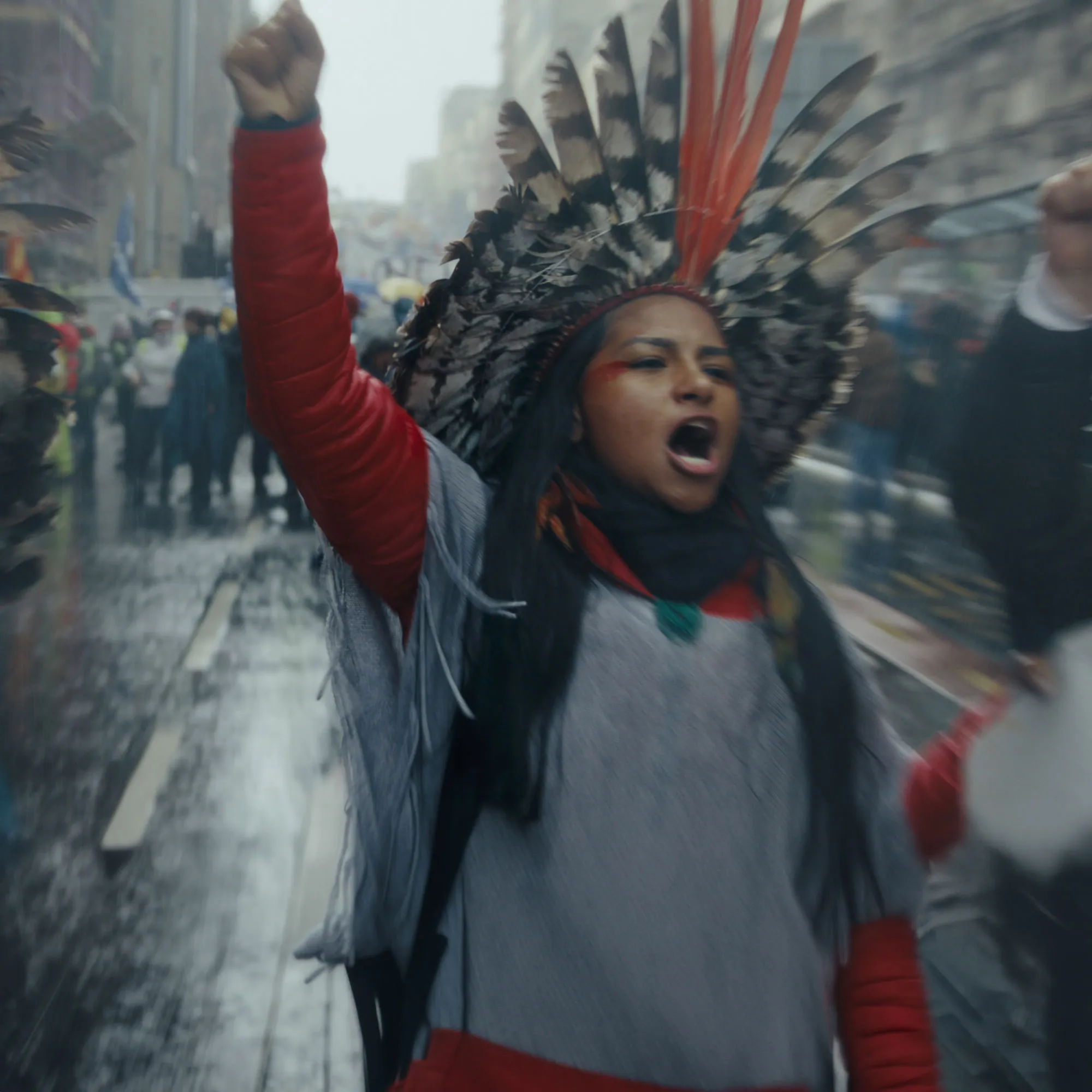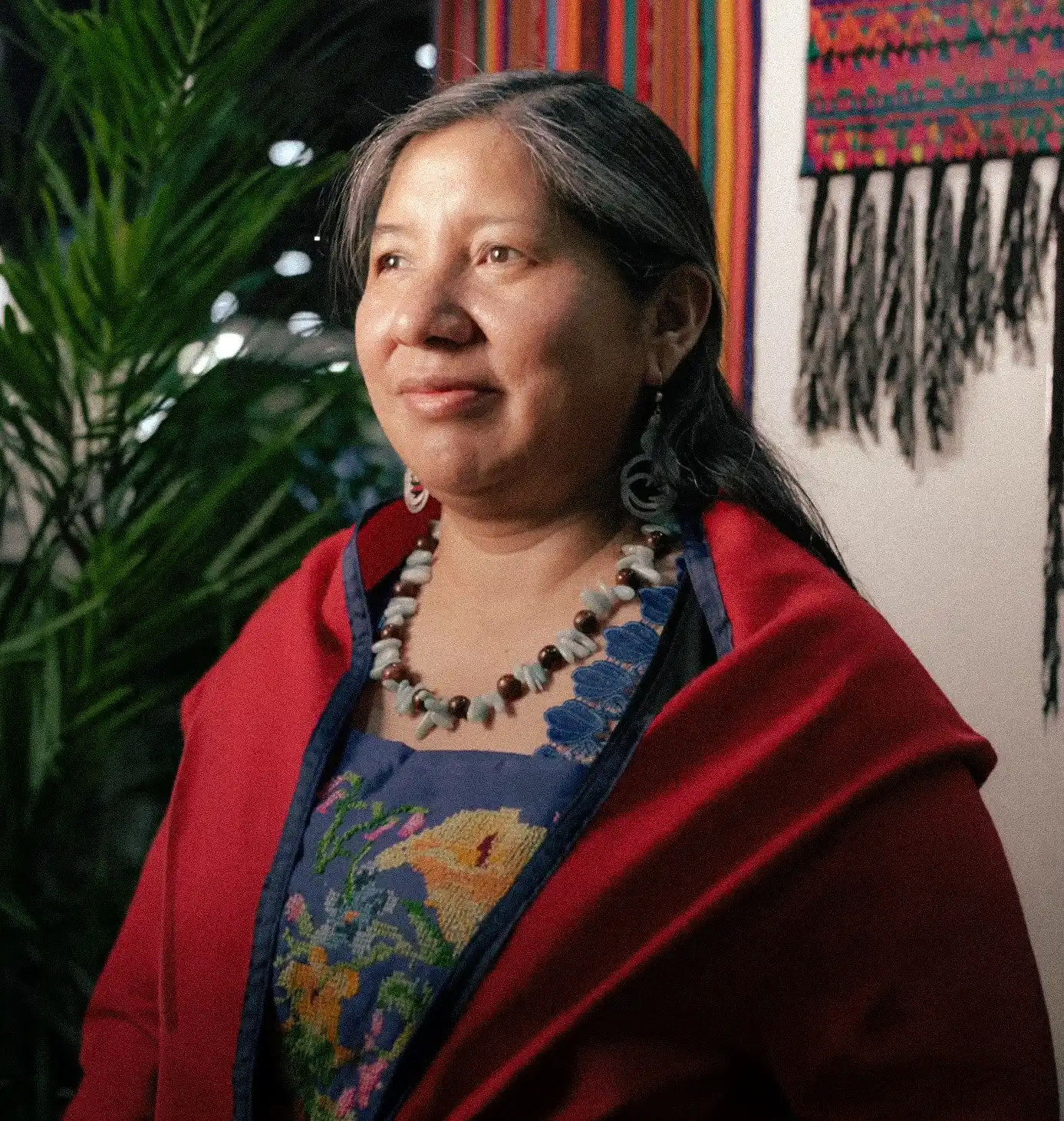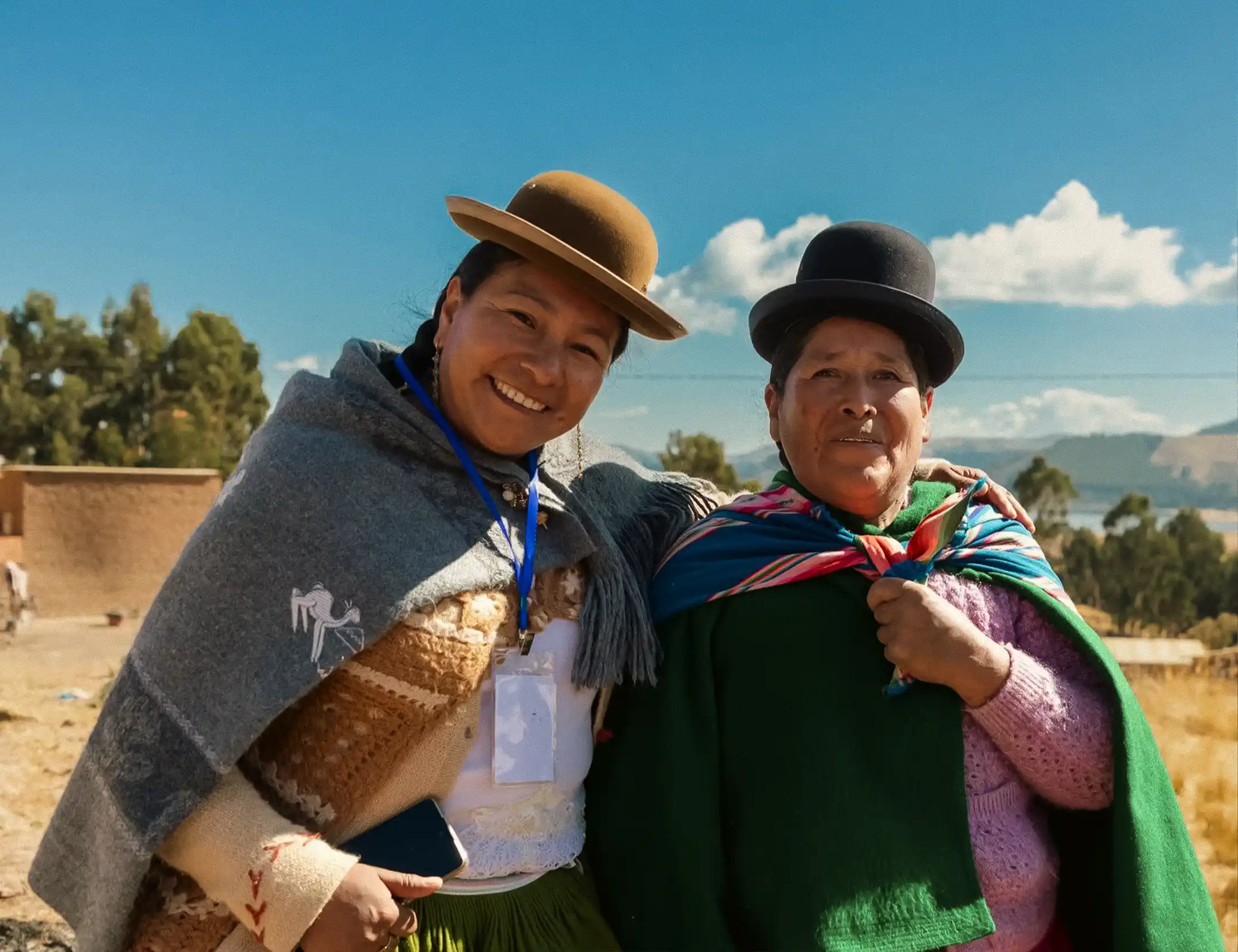

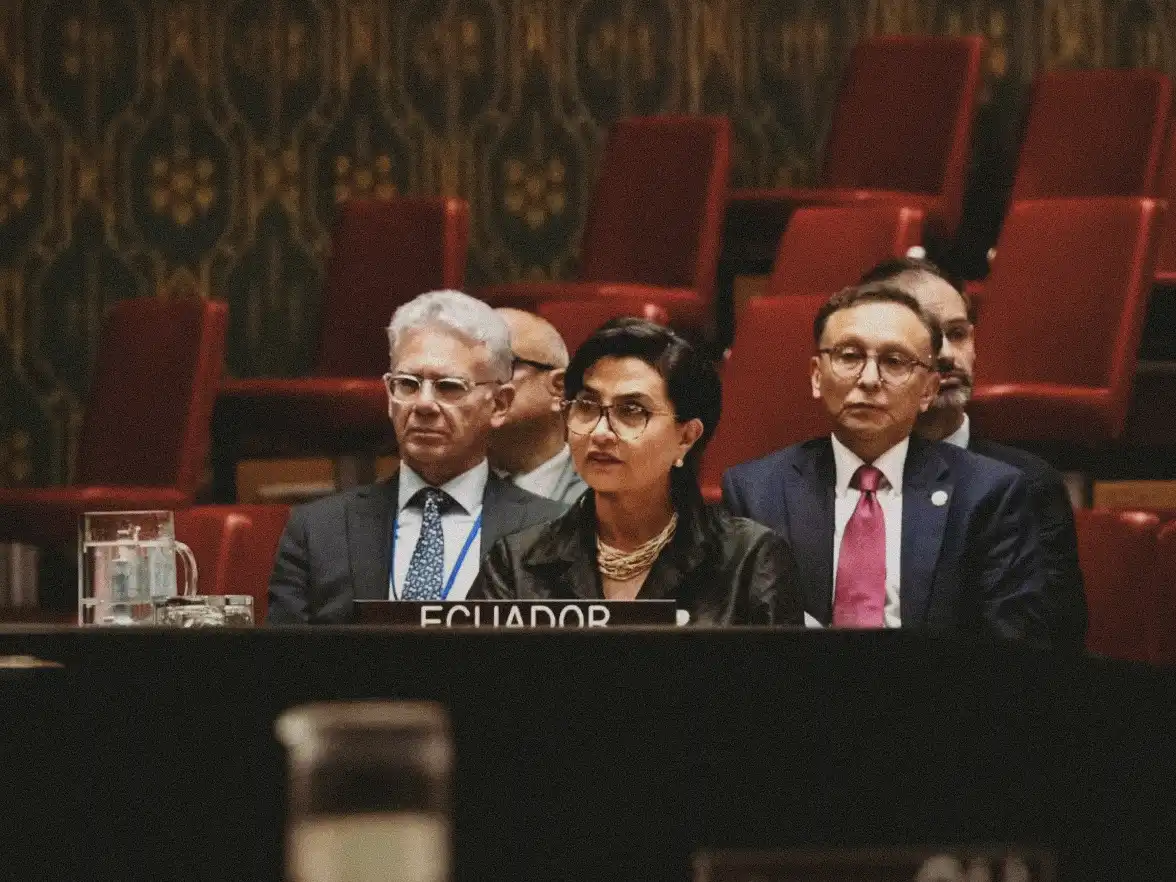
While Ecuador’s foreign ministry participated in the UN General Assembly speaking about human rights and sustainable development, outside, in the streets of New York, leaders of the indigenous nations of Pastaza arrived from the other end of the continent to expose what the government omitted from its speeches.
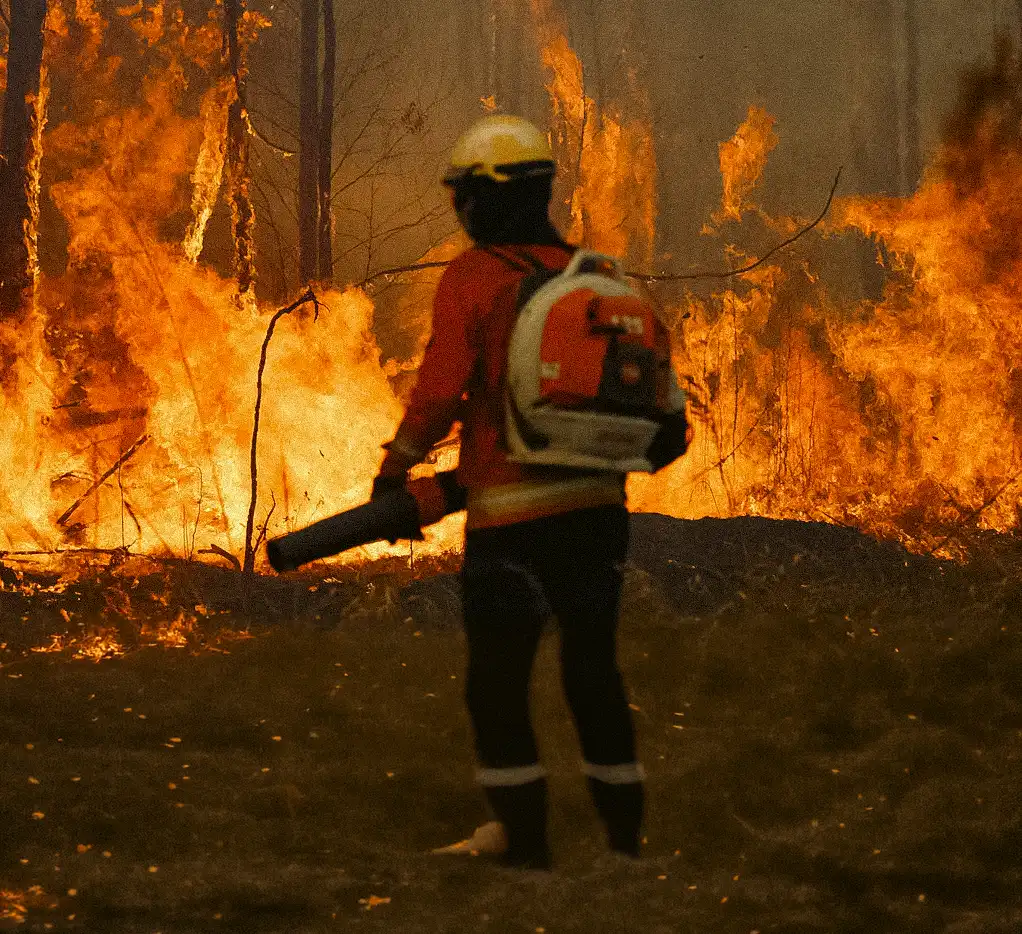
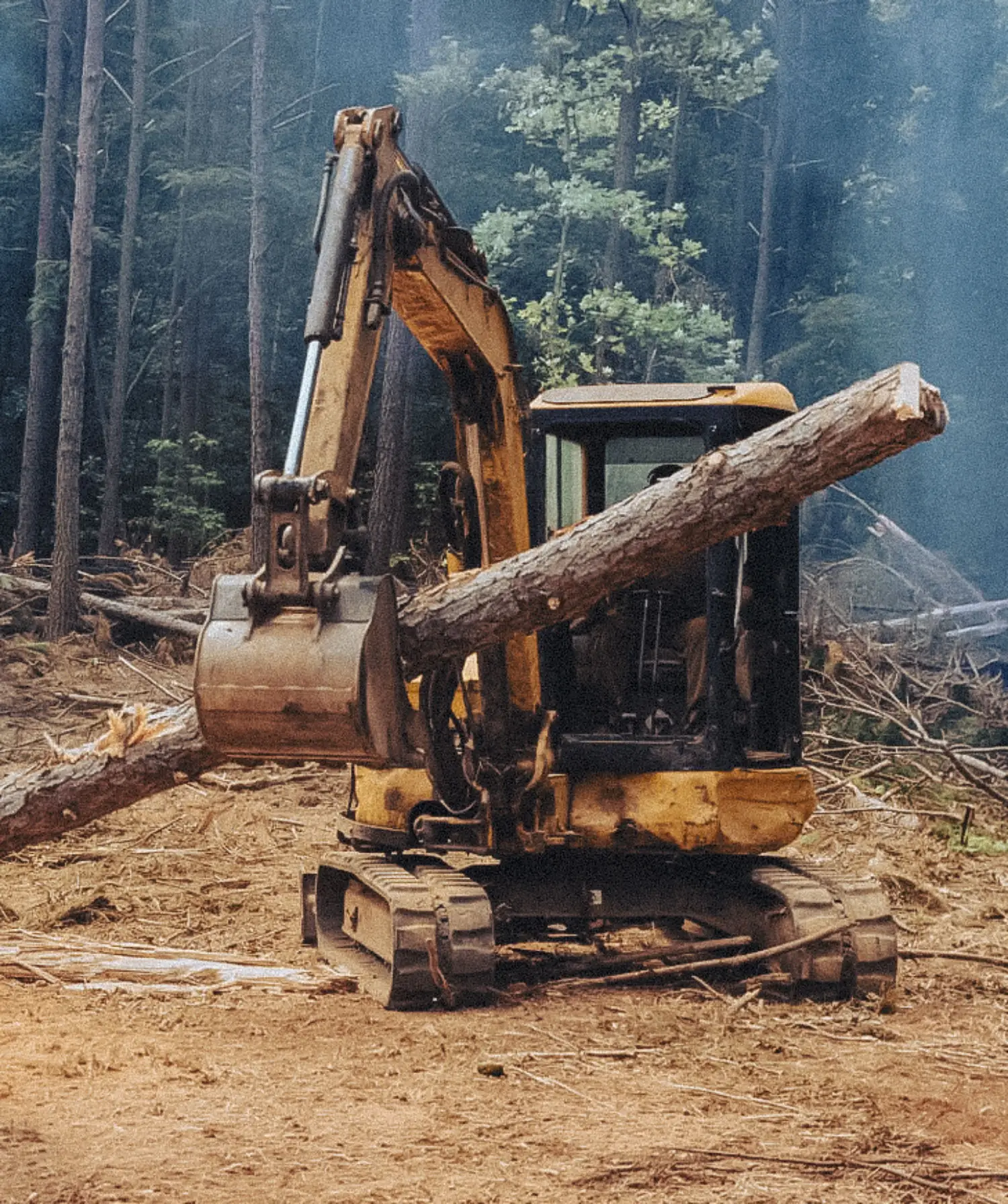
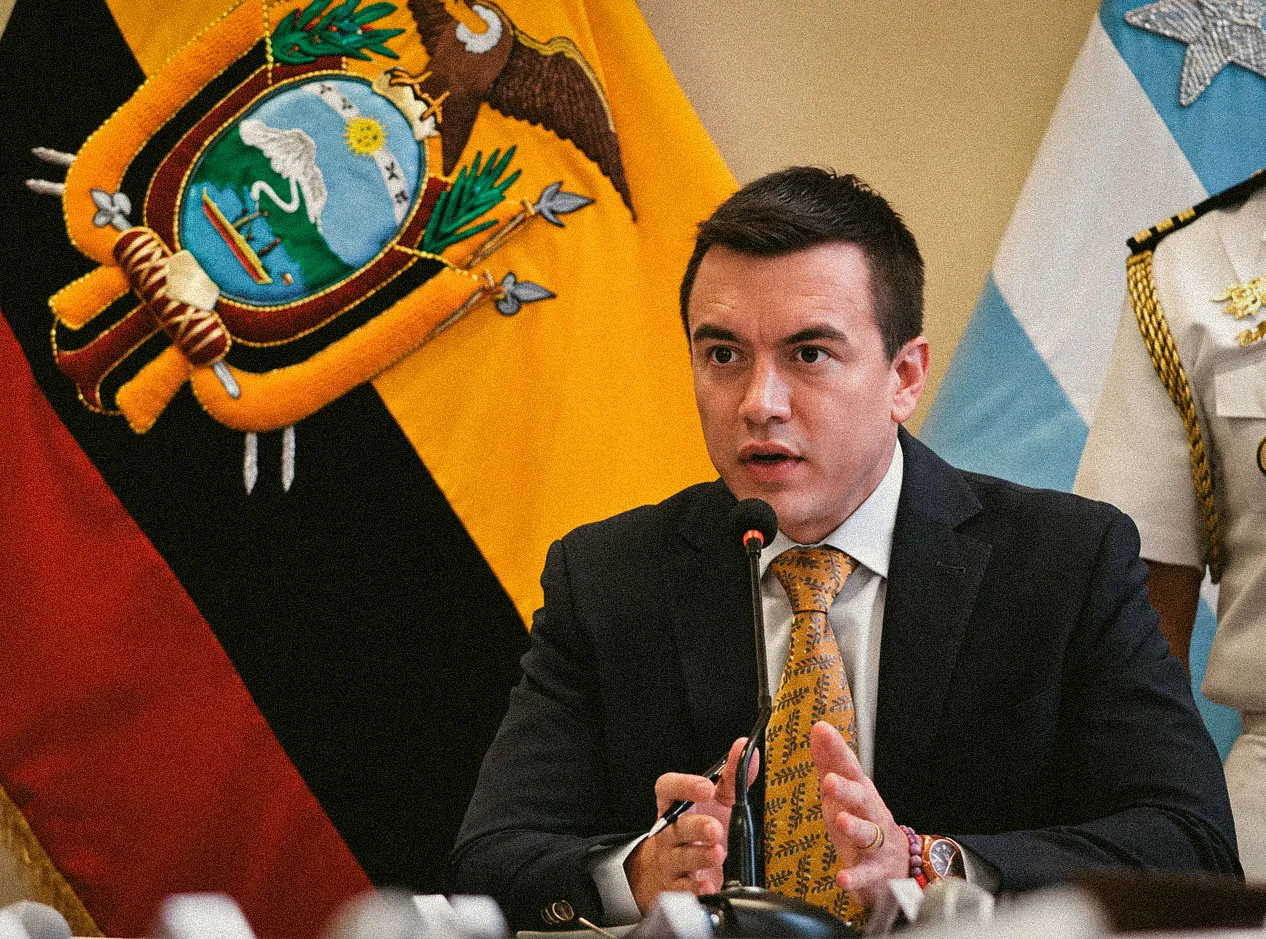
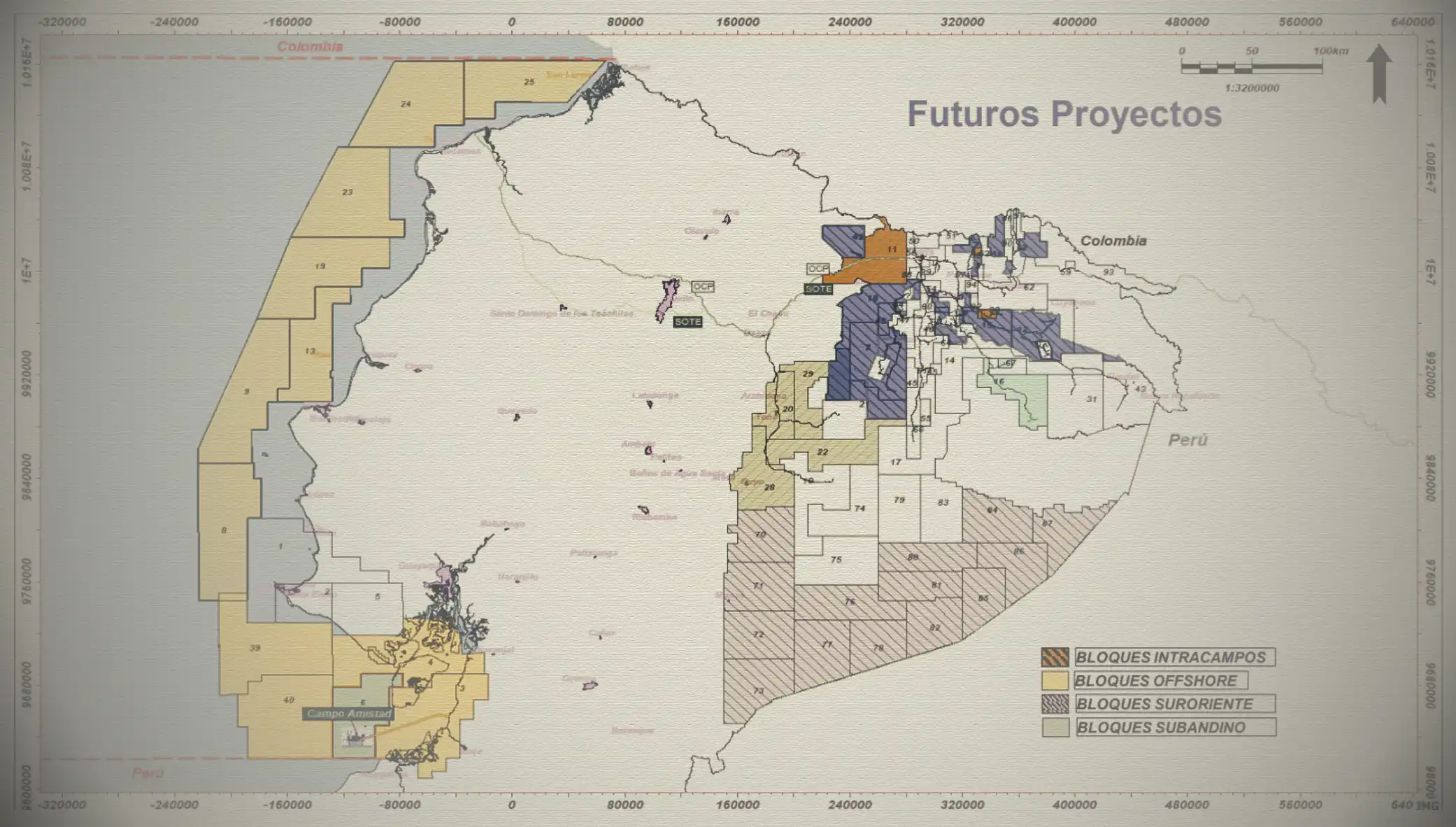
What brought them there was President Daniel Noboa’s announcement of the “Hydrocarbon Roadmap,” a portfolio of 49 projects with projected investment exceeding $47 billion. Of those, 18 of the 22 blocks to be auctioned starting in August 2025 cover an area equivalent to all of Belgium, almost 37 times larger than New York.
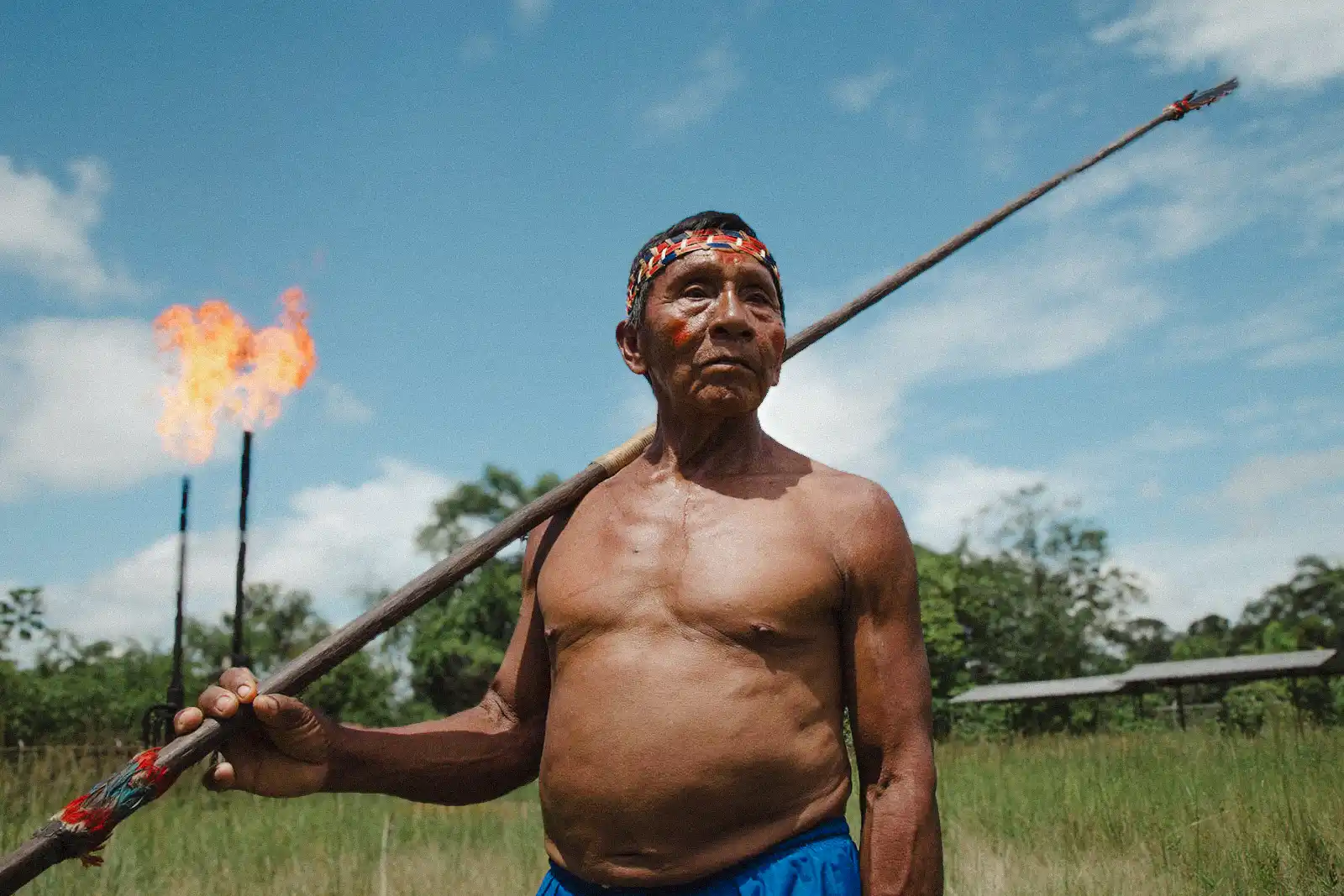
The scale of the bet is also geographic. One hundred percent of Achuar, Andwa, Sapara and Shiwiar territories would be affected by the auctions. The expansion also overlaps with significant portions of Shuar, Kichwa and Waorani lands. In total, seven indigenous peoples united in their complaint.
A consultation already annulled
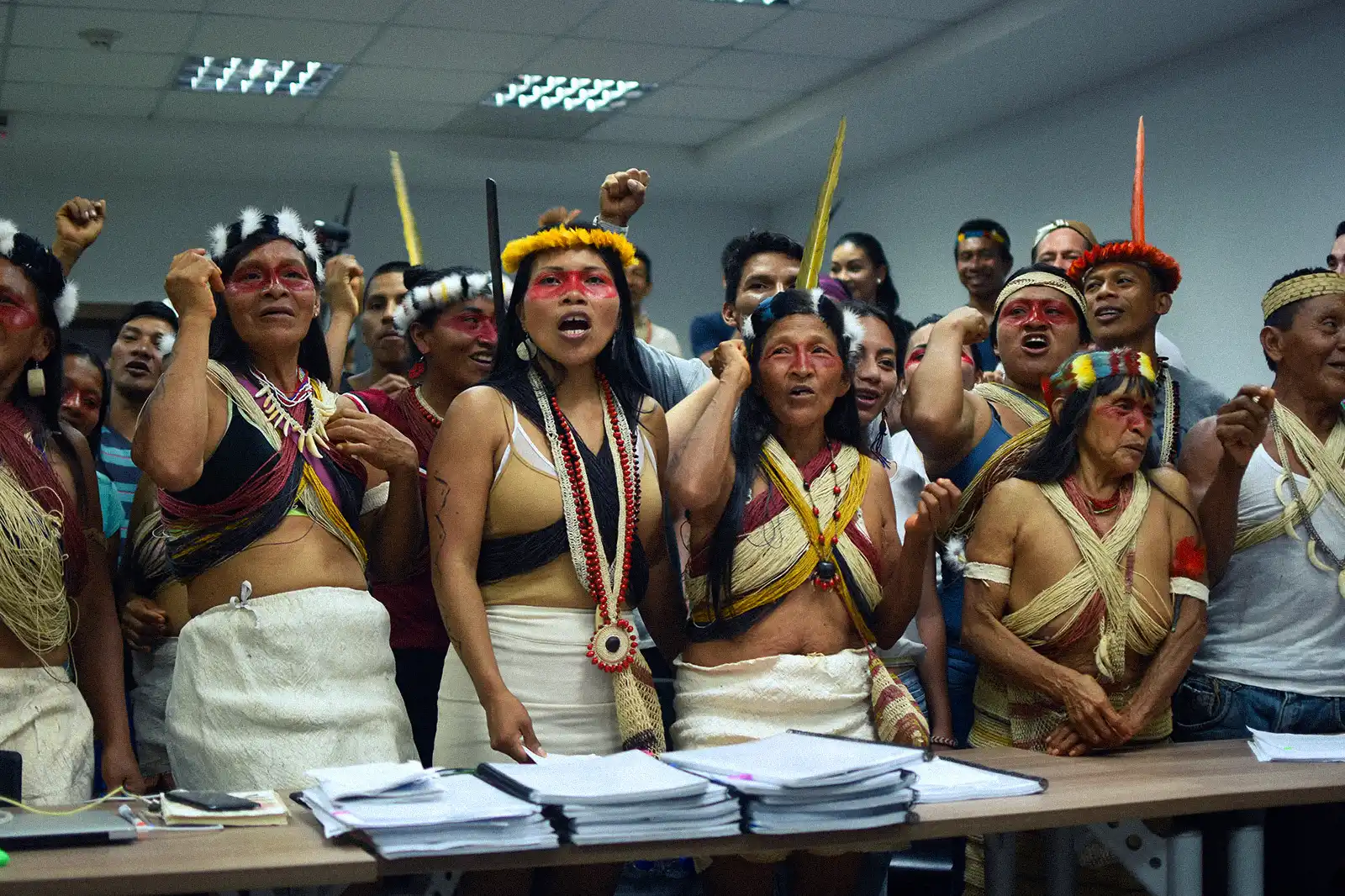
“Block 22 should not go ahead because we indigenous Waorani people live within that territory,” declared Nemonte Nenquimo, a Waorani leader and one of the most recognized voices of Amazon resistance, in an interview with Sapiens.
Nenquimo’s battle with the Ecuadorian government goes back far. In 2012, the Ecuadorian government held a consultation on Block 22 with Waorani communities. The process was flawed. The State brought soft drinks and bread to remote communities, made attendance lists and presented them as proof of informed consent. In 2019, the Constitutional Court annulled that false consultation. The ruling was historic, and Nenquimo and other Waorani leaders won it.
Now the Noboa government wants to use that same annulled consultation as legal backing to auction Block 22. It’s a move that directly contradicts the 2019 ruling. The Constitutional Court has the case among its pending matters since 2020 and hasn’t yet ruled.
Decades of oil and poverty
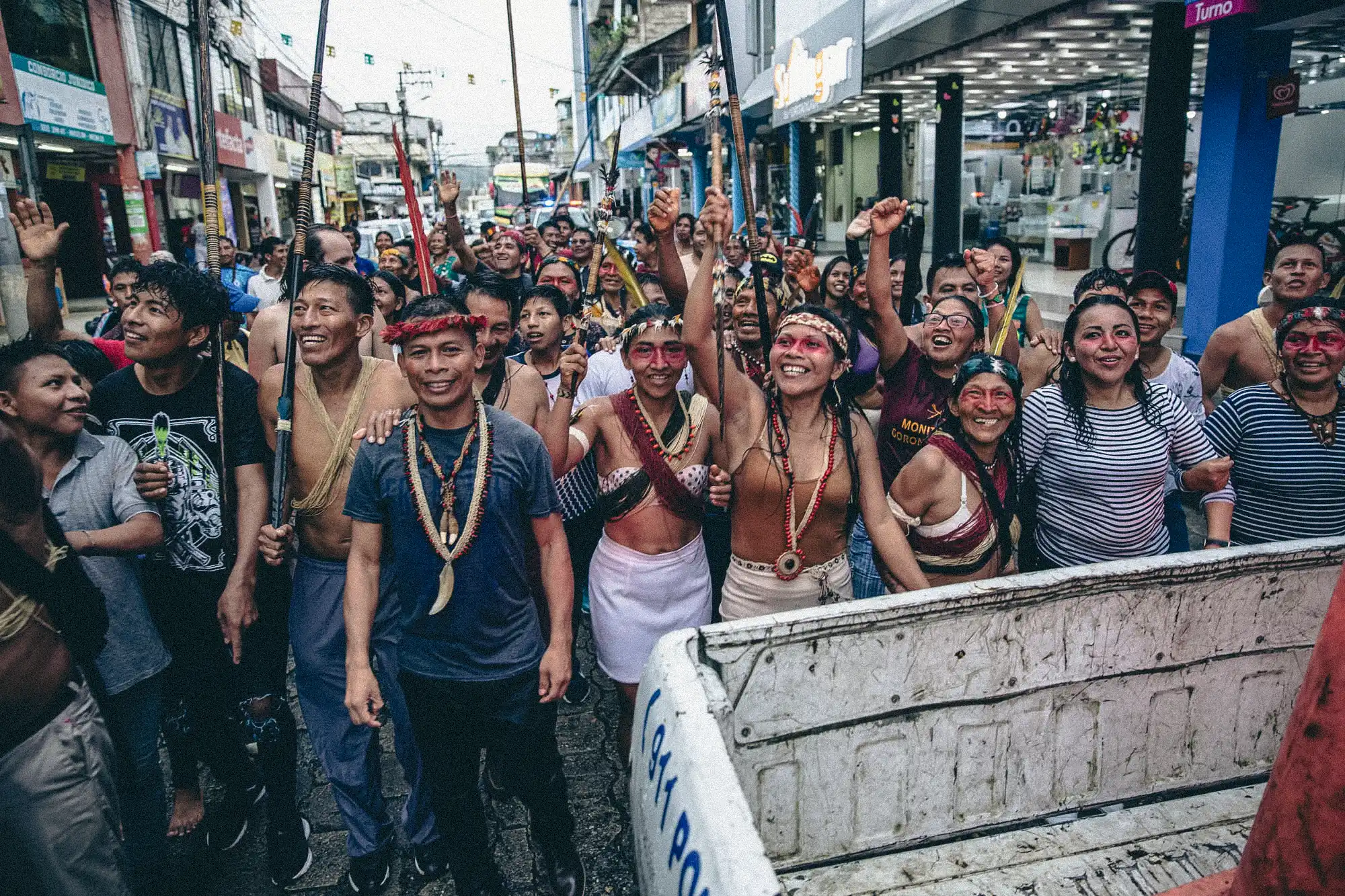
The question Ecuadorian officials use to frame the debate is whether indigenous peoples oppose the country’s economic development. José Gualinga, from the Kichwa people, answered at the protest: “We don’t oppose development. Rather, they are leading us into poverty, destroying life, culture, the wealth of the ecosystem.”
But is there a direct relationship between oil extraction and the economic well-being of those who live near or within concession areas? In the five provinces where oil has been extracted for over 50 years (Sucumbíos, Orellana, Napo, Pastaza and Morona Santiago), social indicators are Ecuador’s most critical. Morona Santiago registers 71% poverty and 60% extreme poverty. In those same provinces, between 70% and 83% of workers are in informal employment, while adequate employment barely reaches 10-20%, far below the national average of 36%. Mitch Anderson, co-founder of Amazon Frontlines, sums it up: “Look at the data from provinces that have produced oil for decades. They are the country’s poorest.”
Voices from New York
The protest was no minor symbolic gesture. It had the public backing of more than thirty international figures, including Jane Fonda, Lupita Nyong’o, Emma Thompson, Mark Ruffalo, Cate Blanchett, Viggo Mortensen, Gael García Bernal, David Suzuki and Gillian Anderson, gathered under the #TheAmazonIsNotForSale campaign driven by Amazon Frontlines.
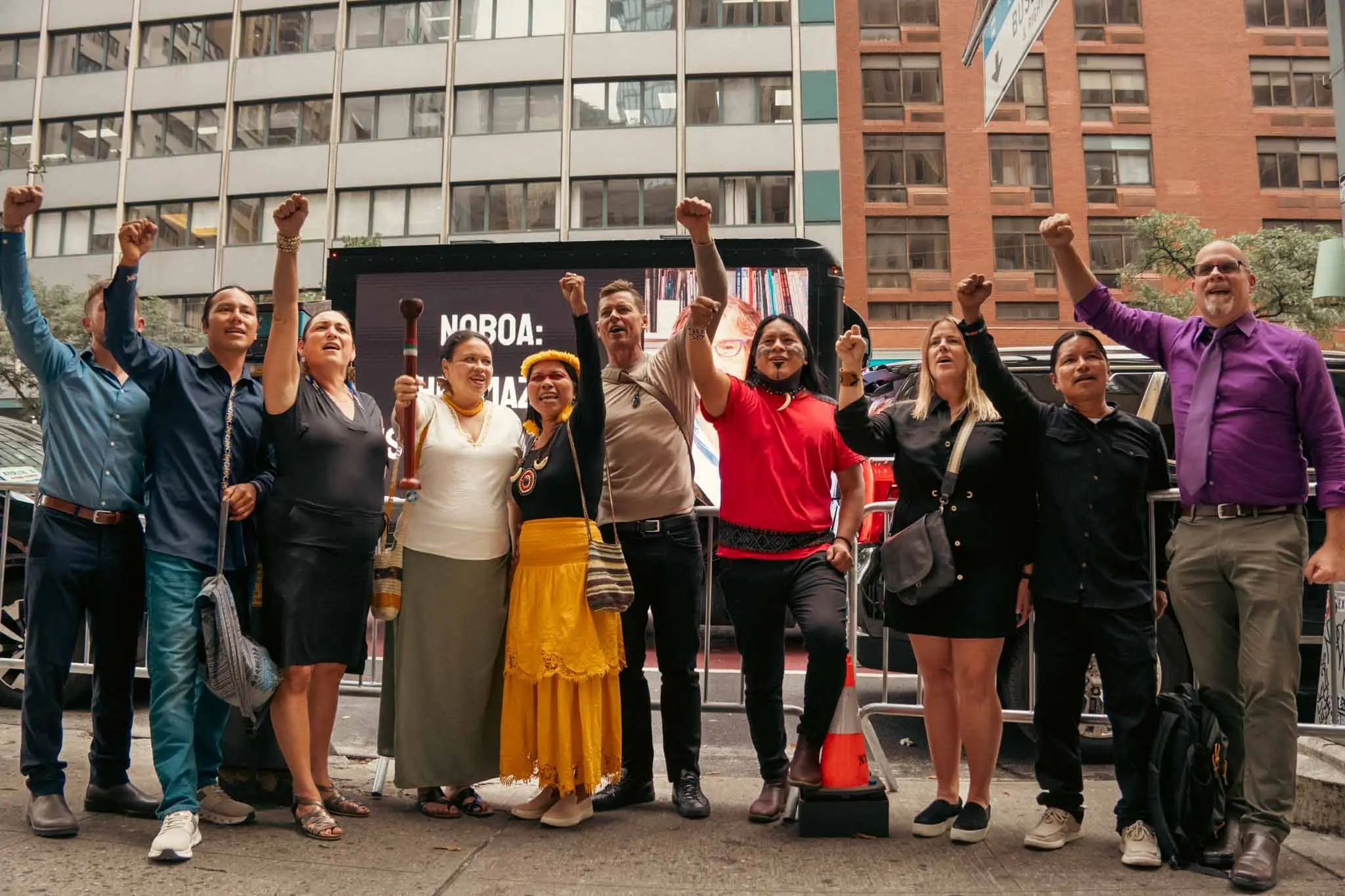
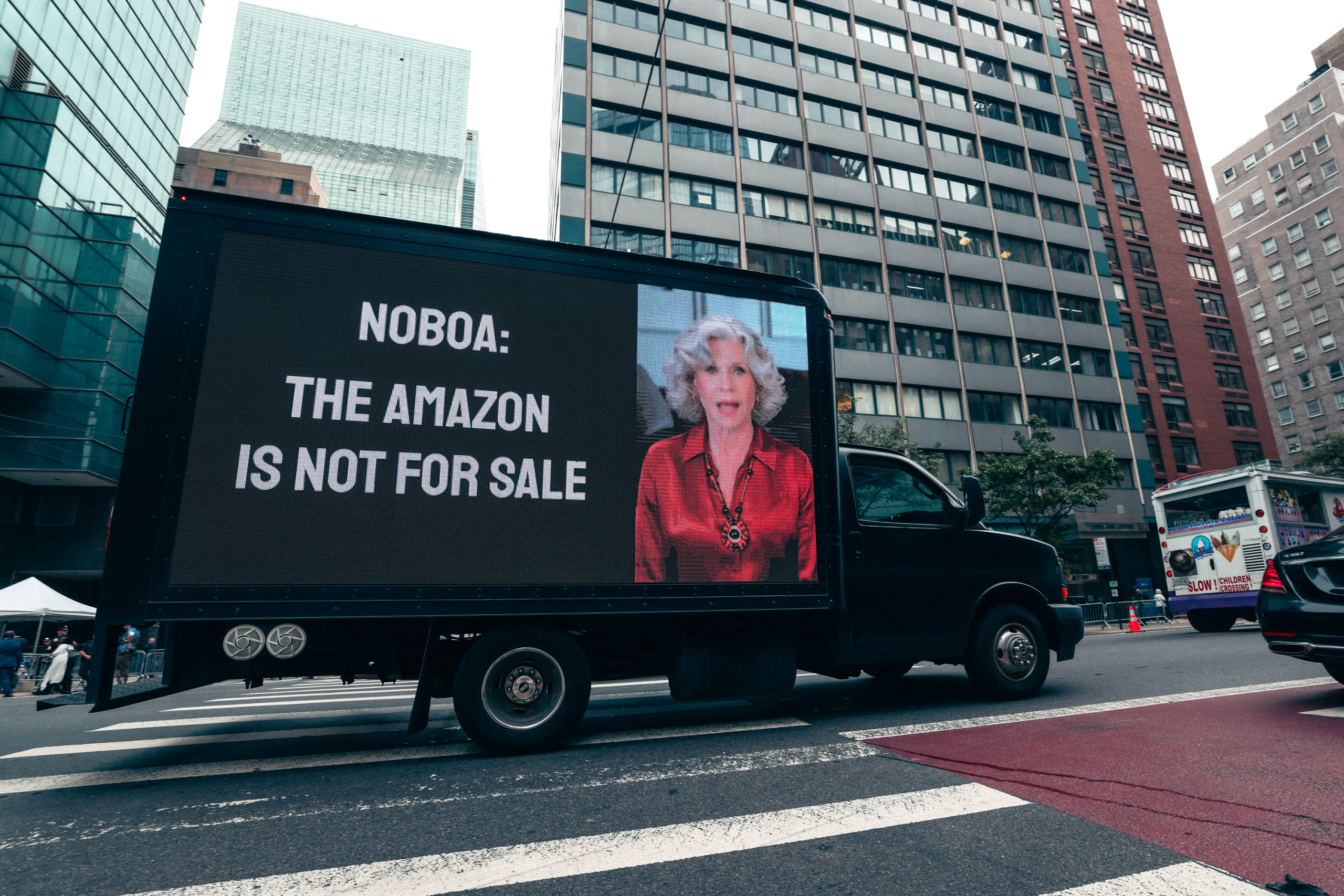
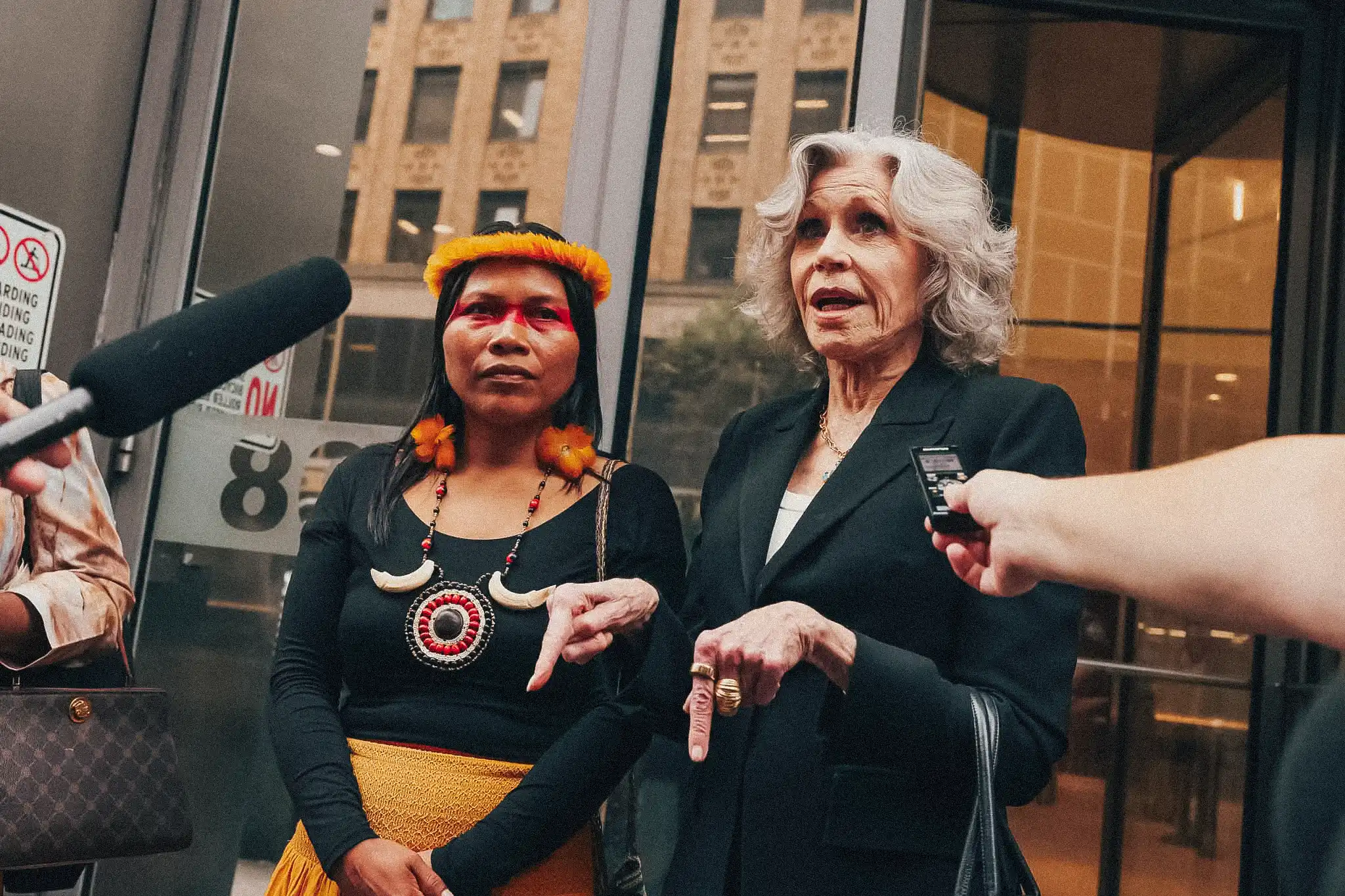
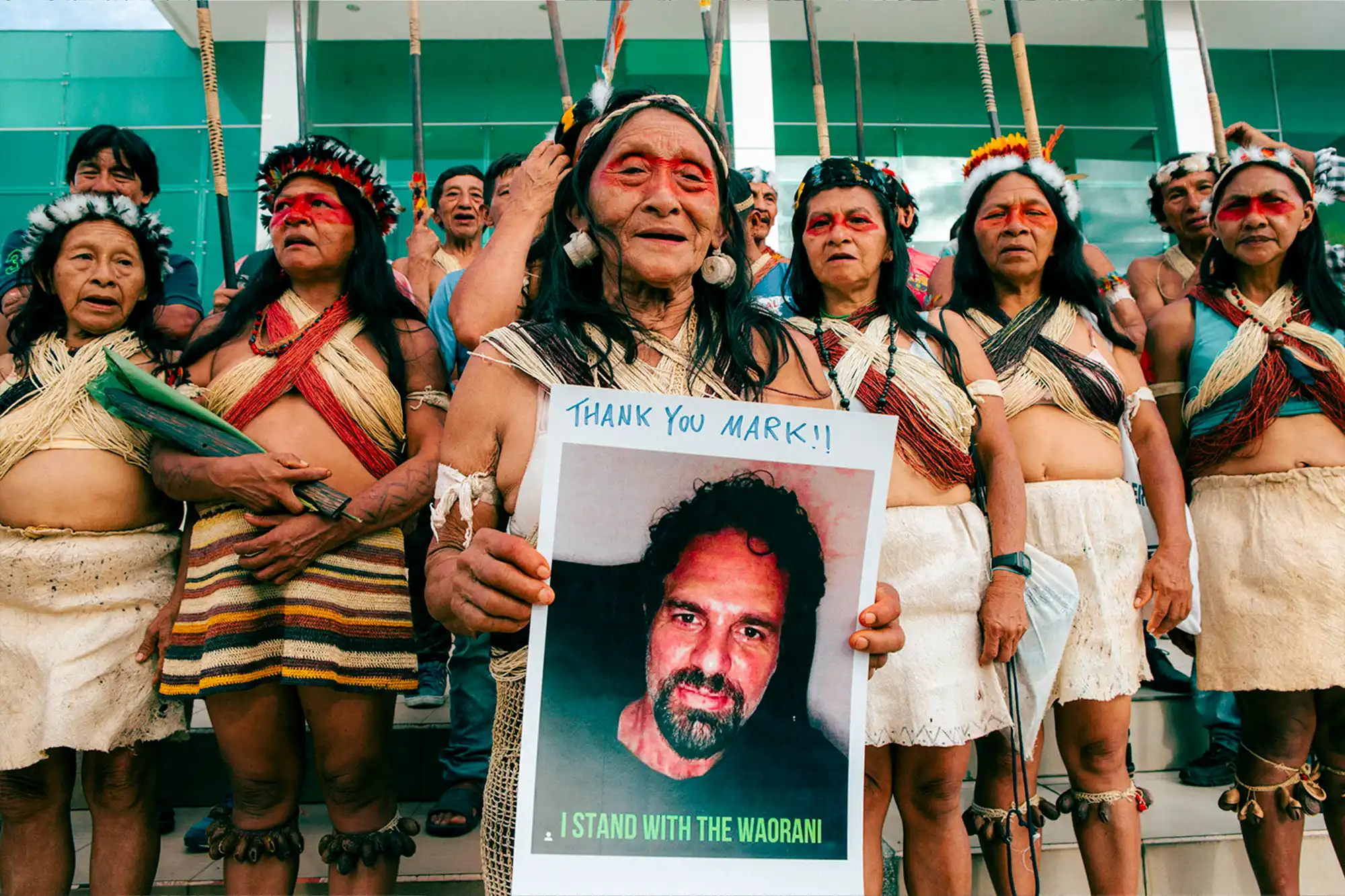
“If we want to save the forest for our survival, we need to protect indigenous peoples, because they are the ones who care for it,” said Jane Fonda, actress and Amazon Frontlines ambassador.
The Constitutional Court can still change the game. If it enshrines free, prior and informed consent as binding jurisprudence, no block could be opened without the actual agreement of the communities that inhabit it. That ruling has been pending since 2020 and could be decided before drilling begins.
Sign the petition at TheAmazonIsNotForSale.org