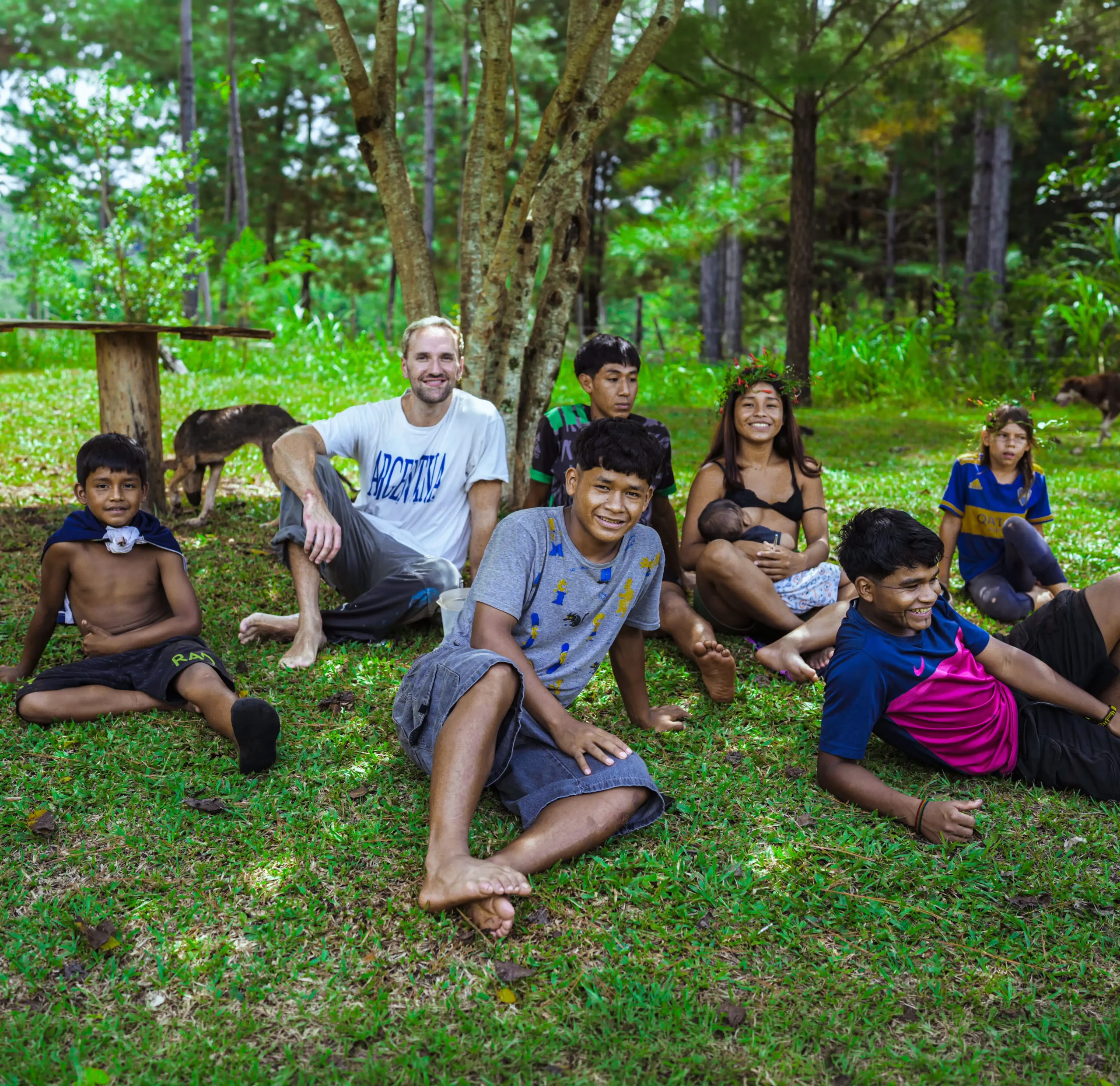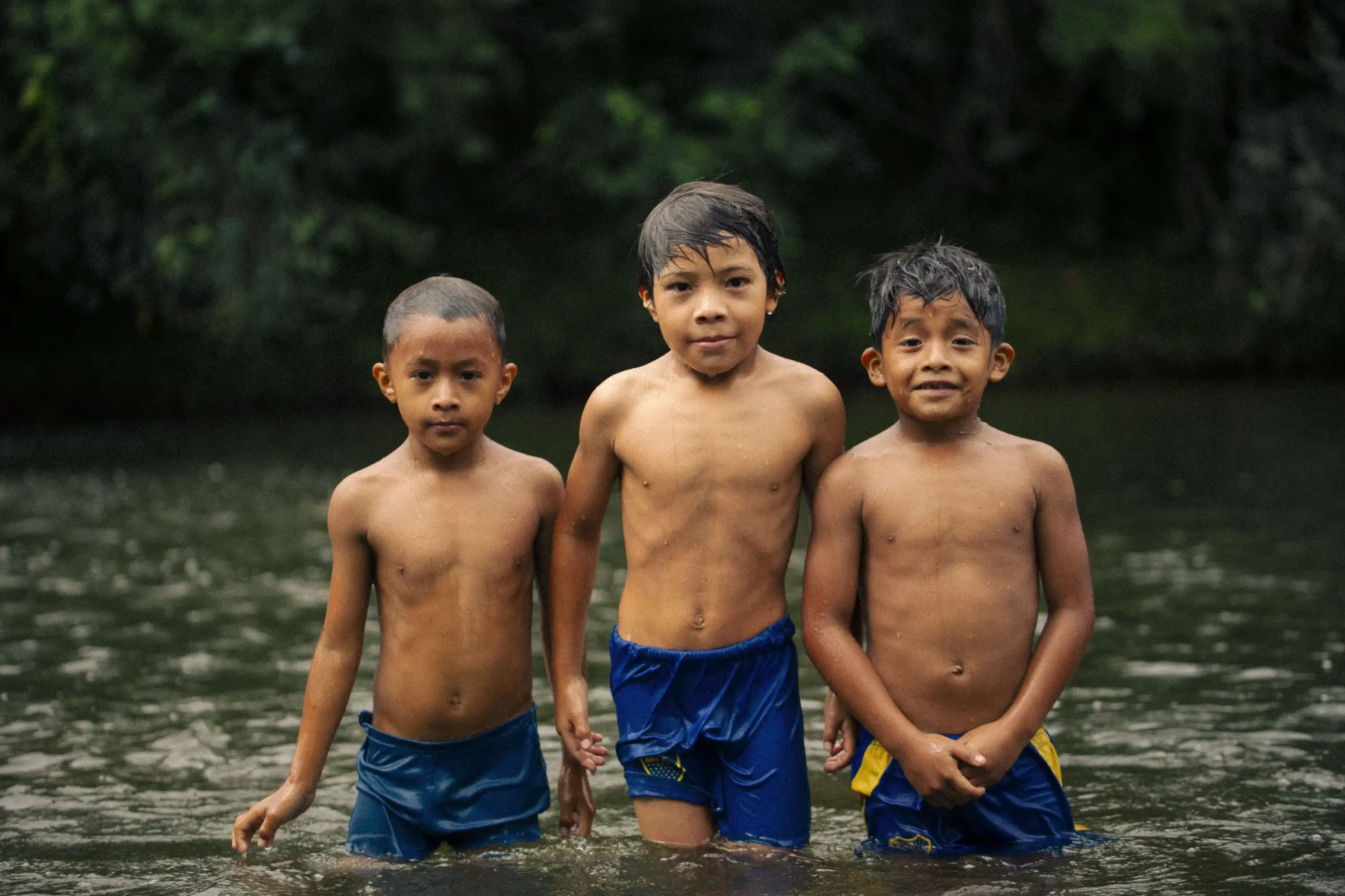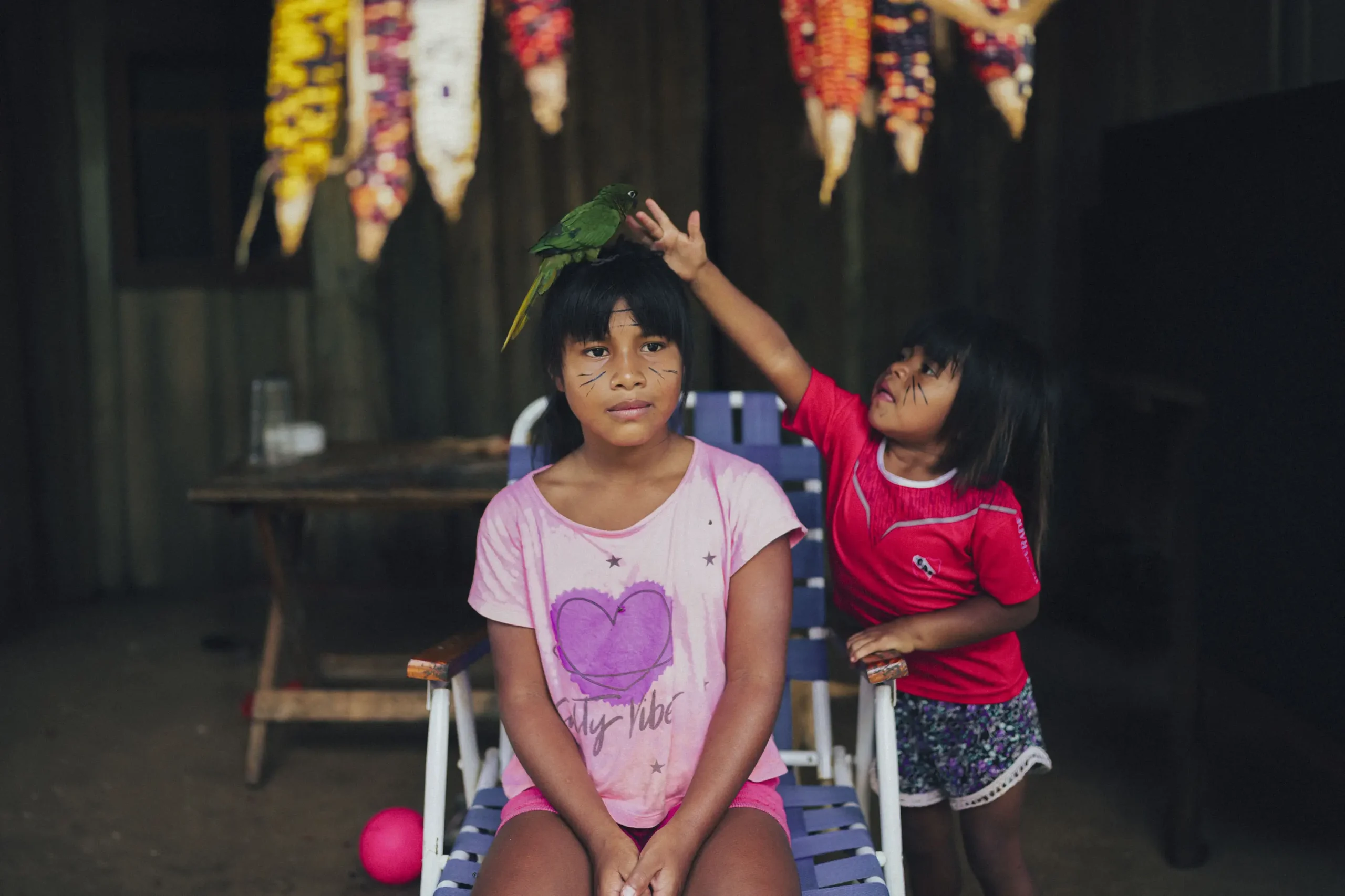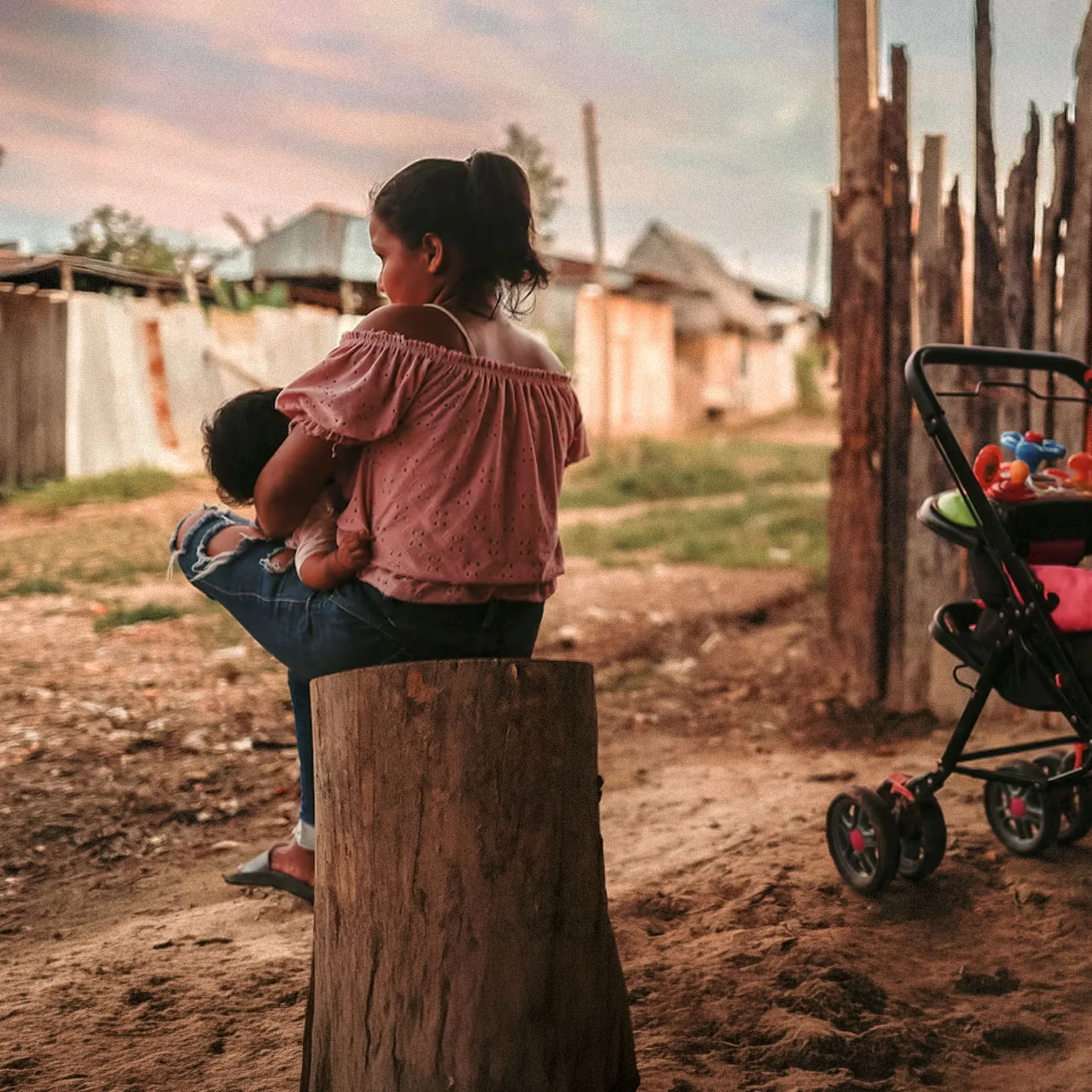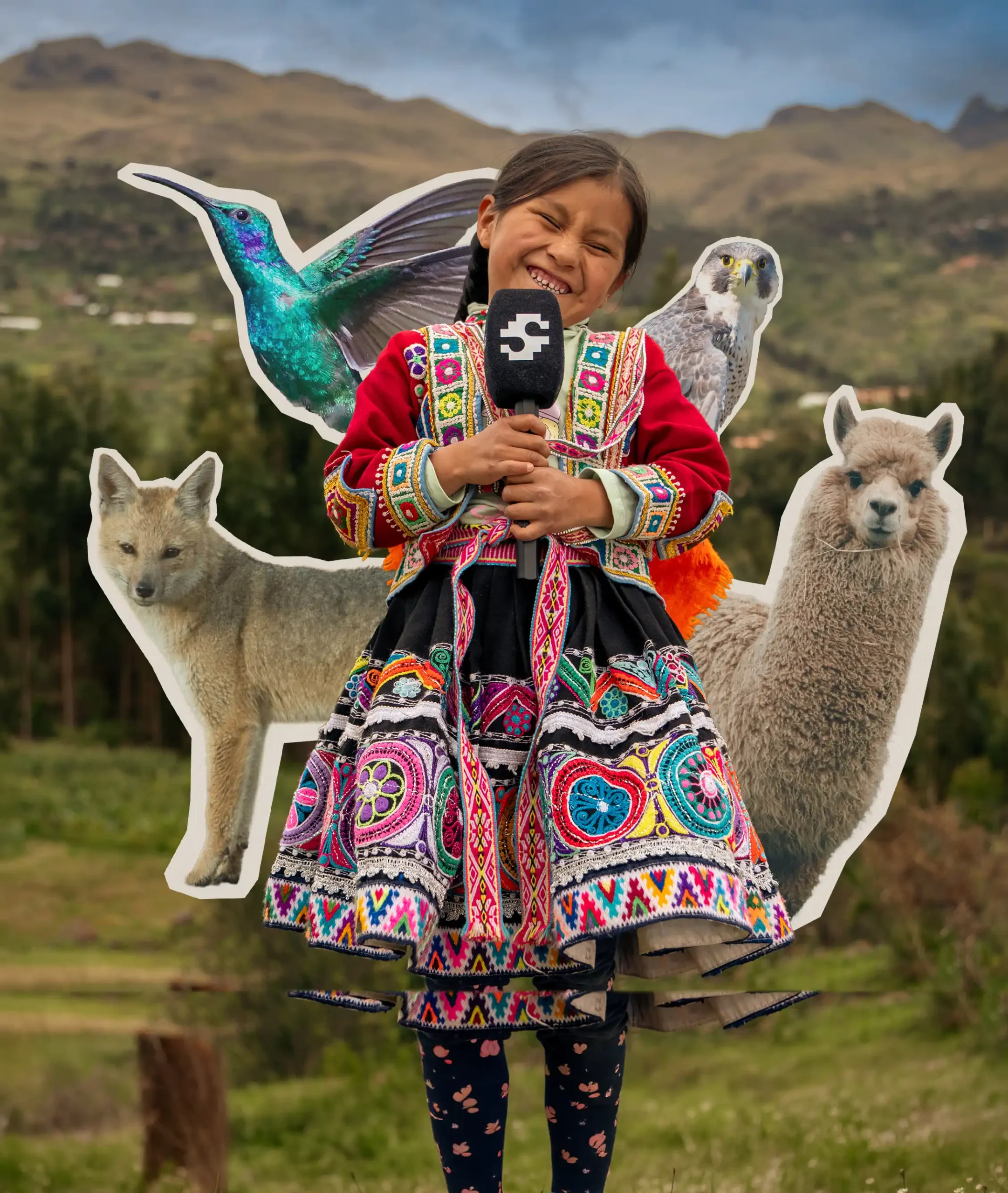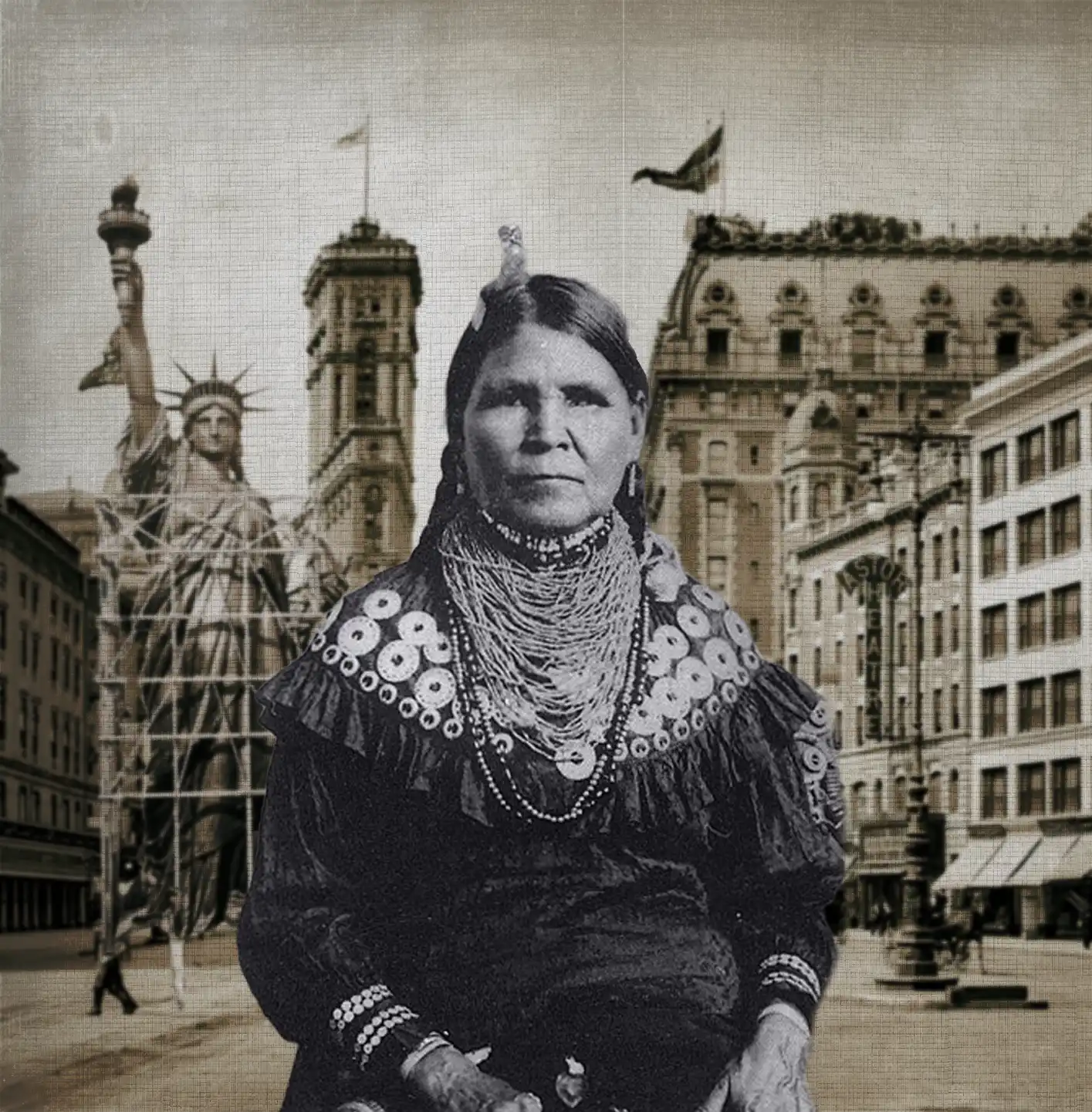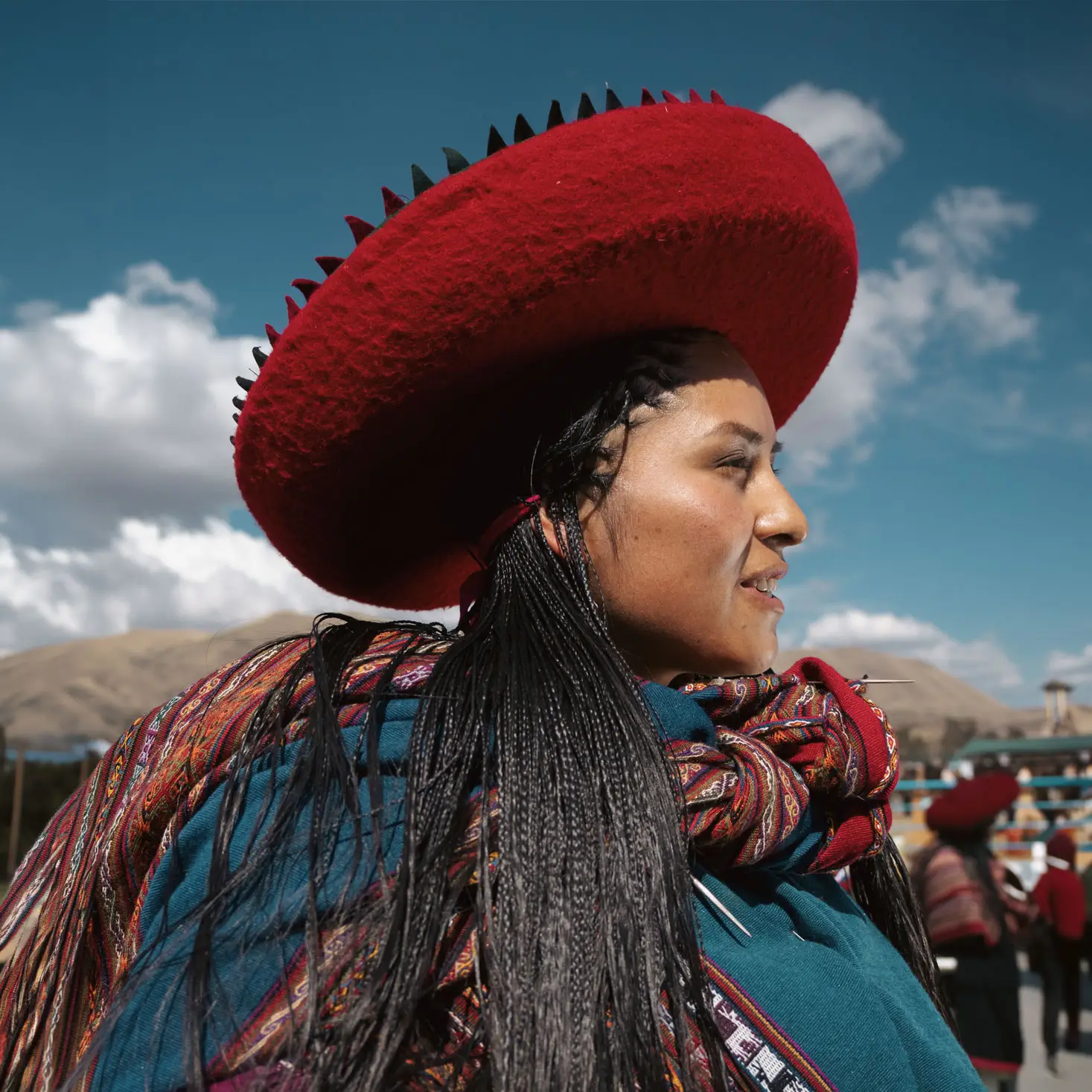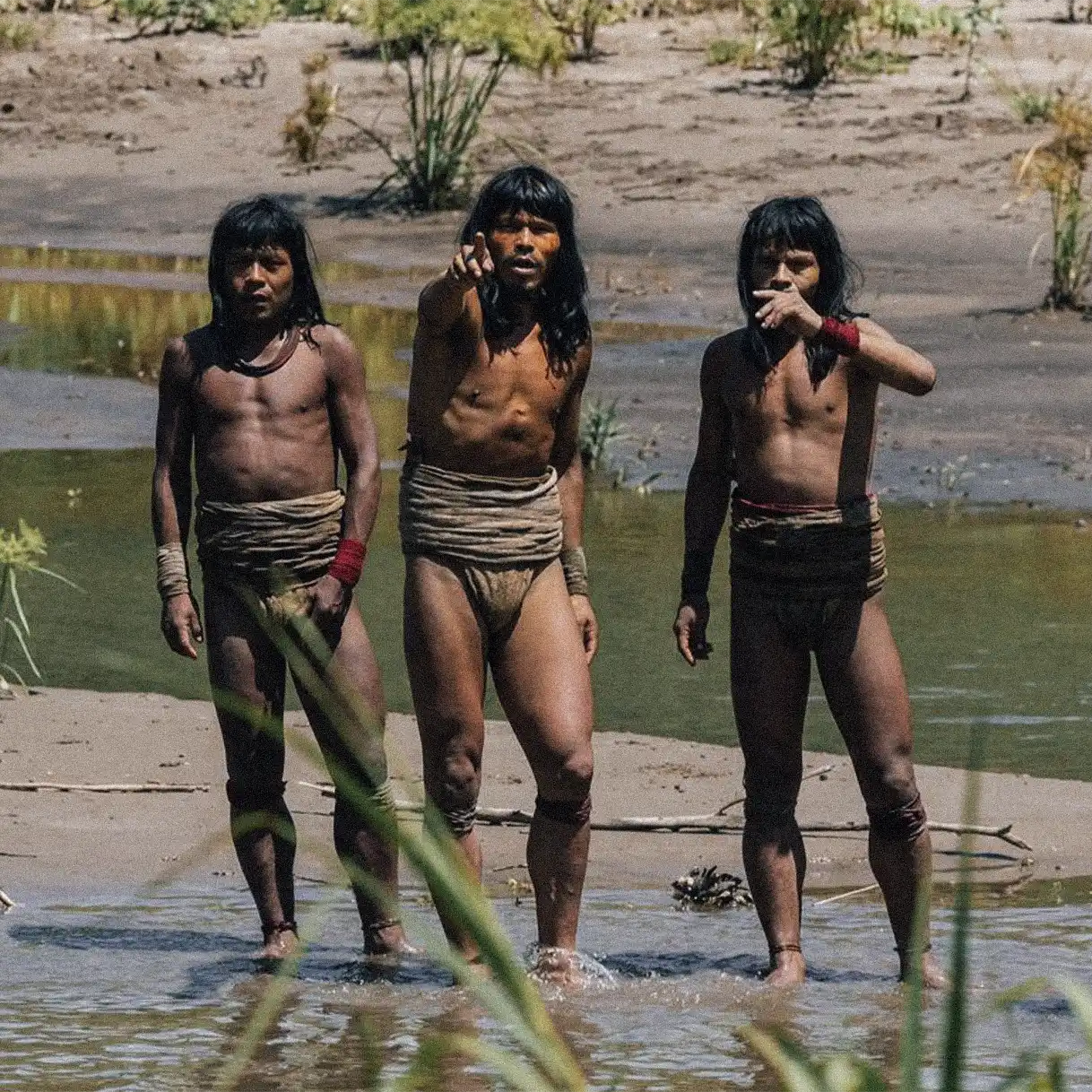

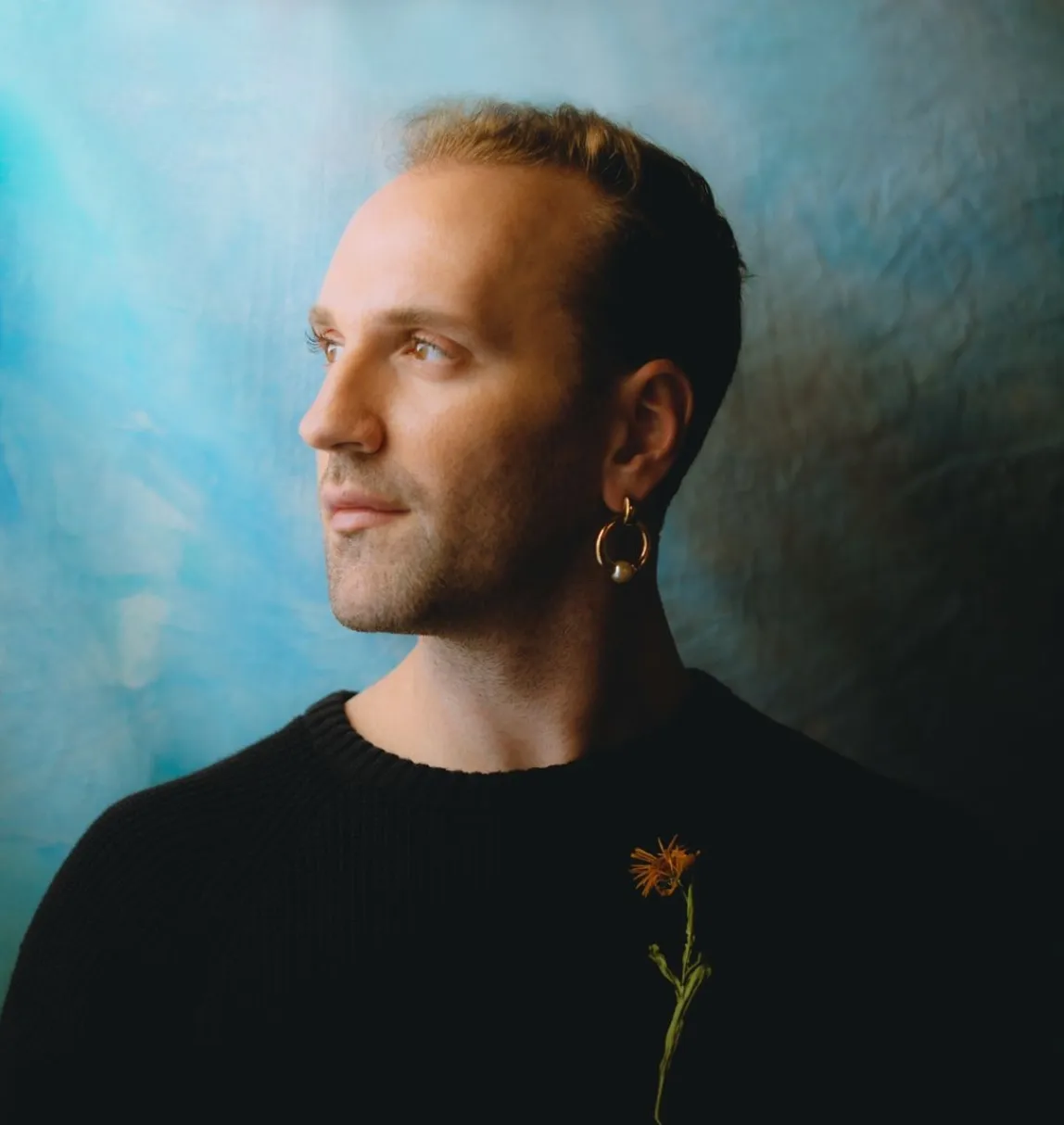
When Holc arrives at the community, Lupita is the first to greet him. She runs out and calls him Mauriiiii. The Argentine photographer has known her since she was very small, and she thinks of him as an uncle. So says the man who, for more than eight years, has kept returning to Tekoa El Chapá, a community of the Mbyá Guaraní people in Misiones.
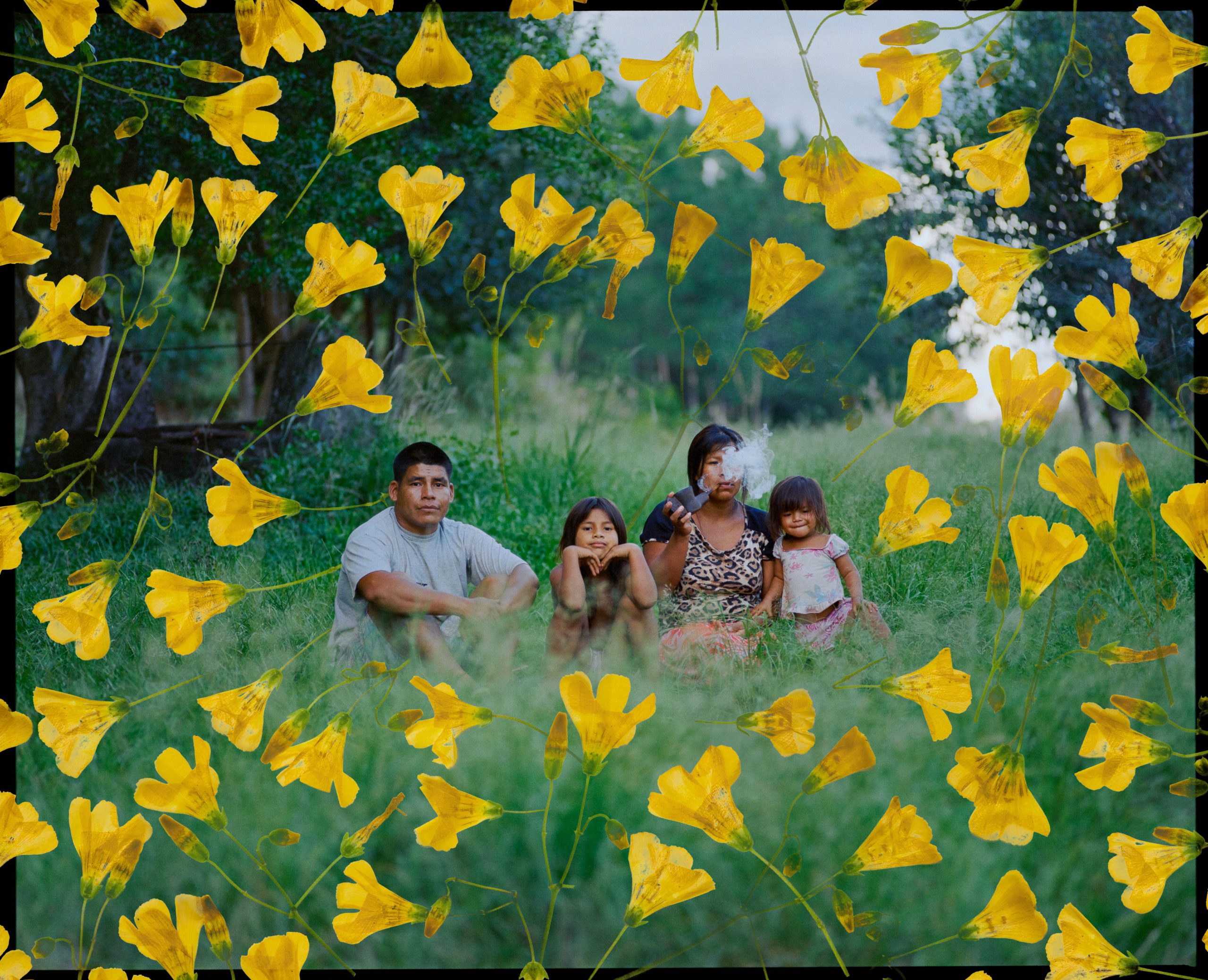
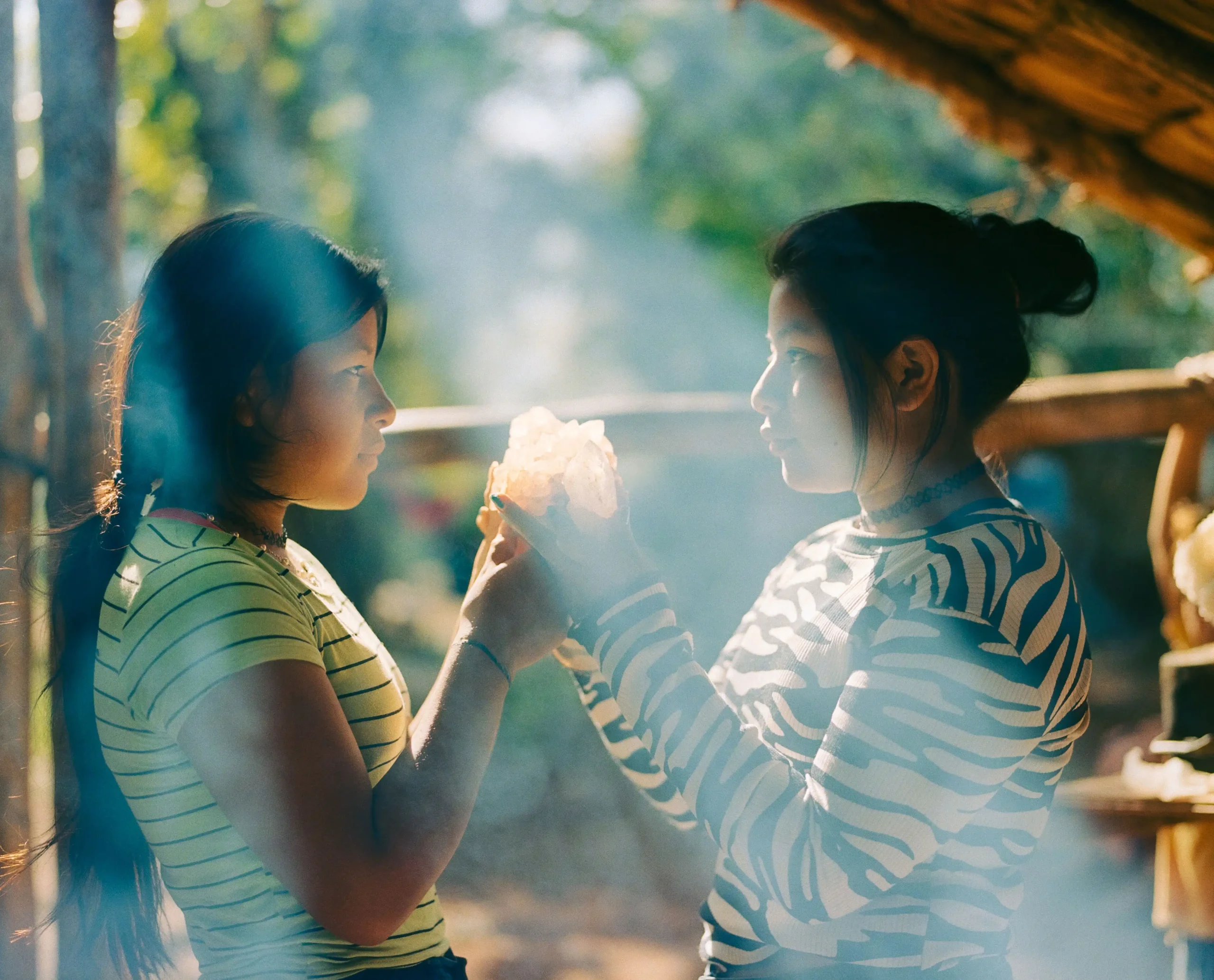
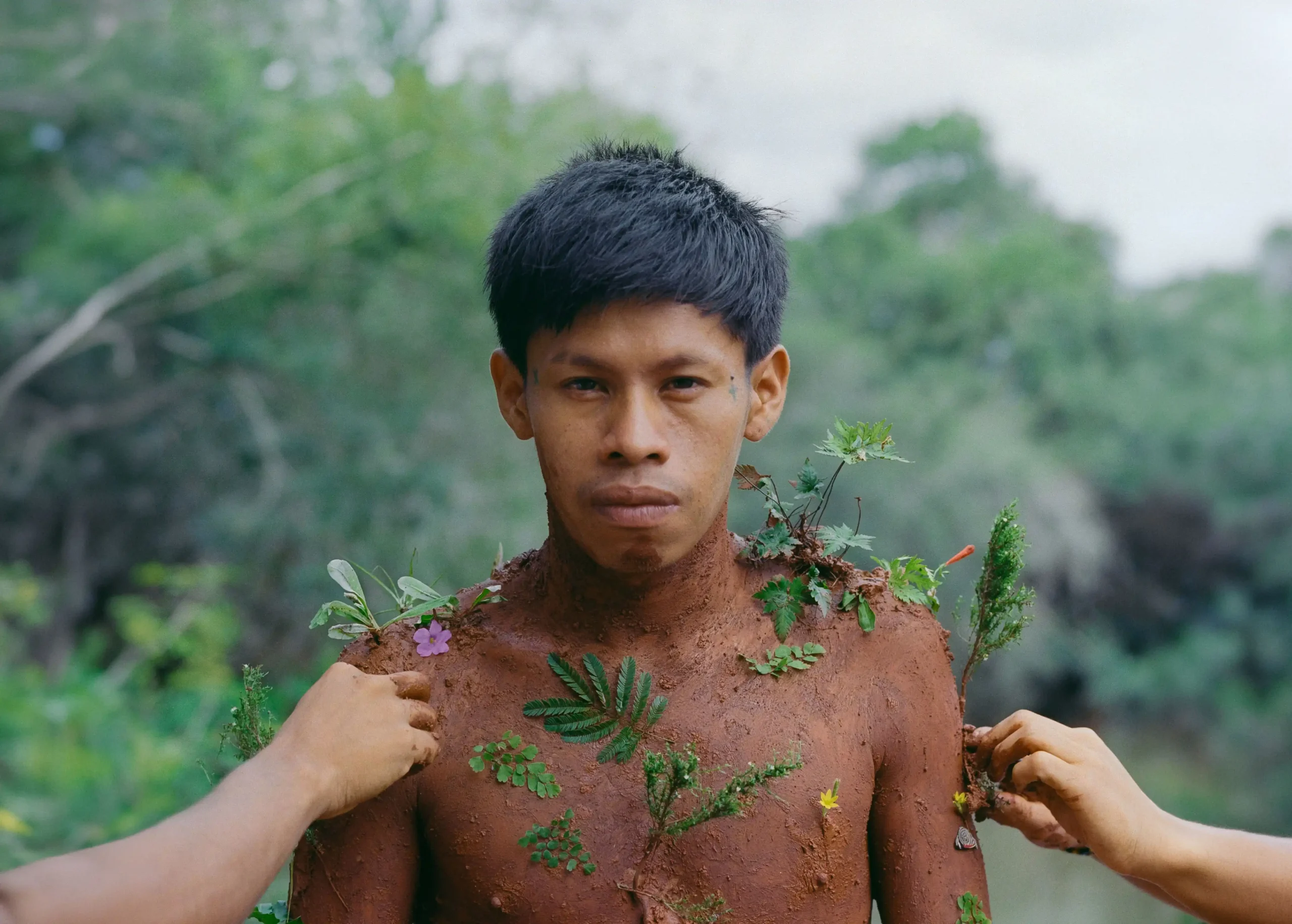
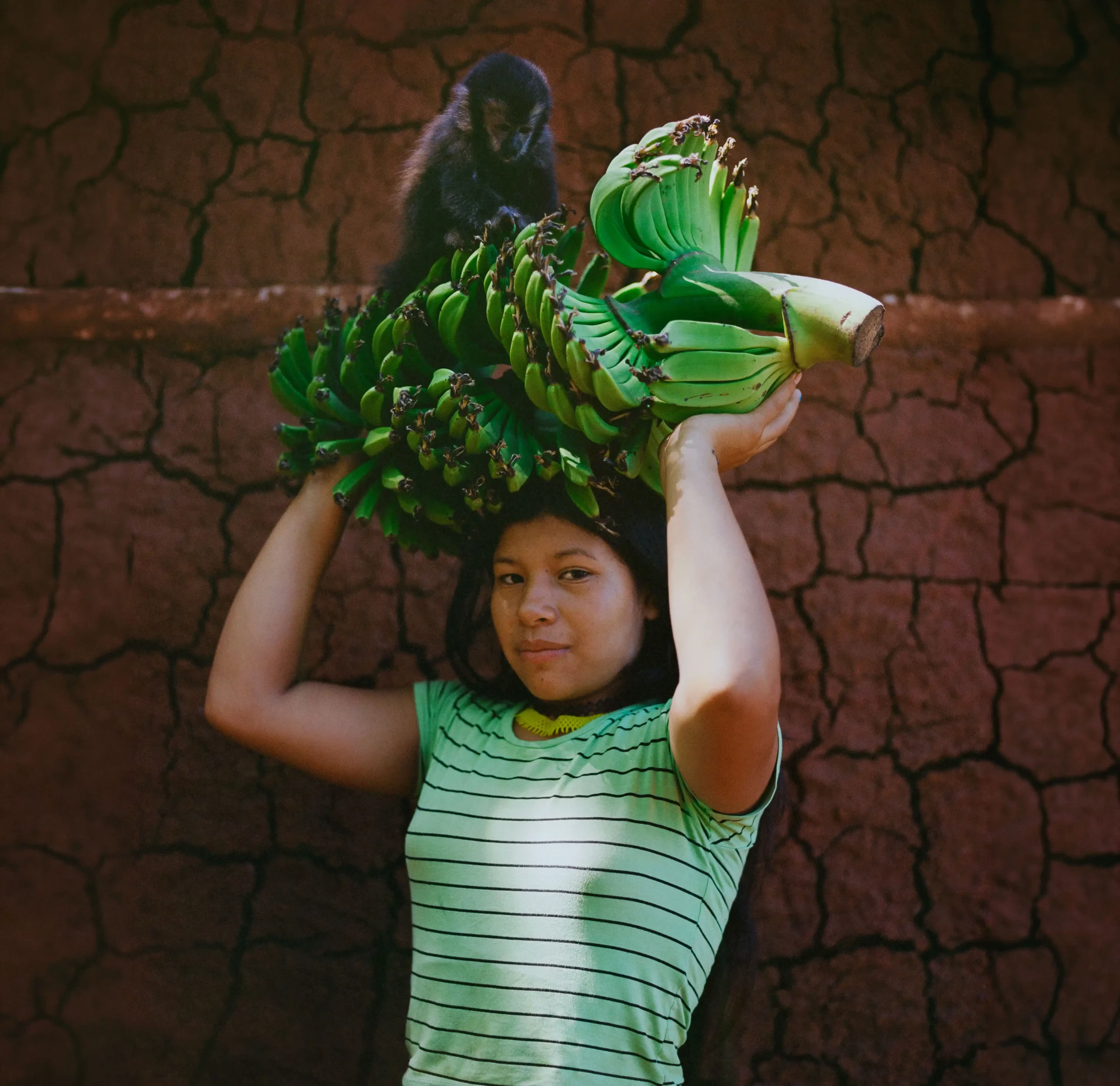
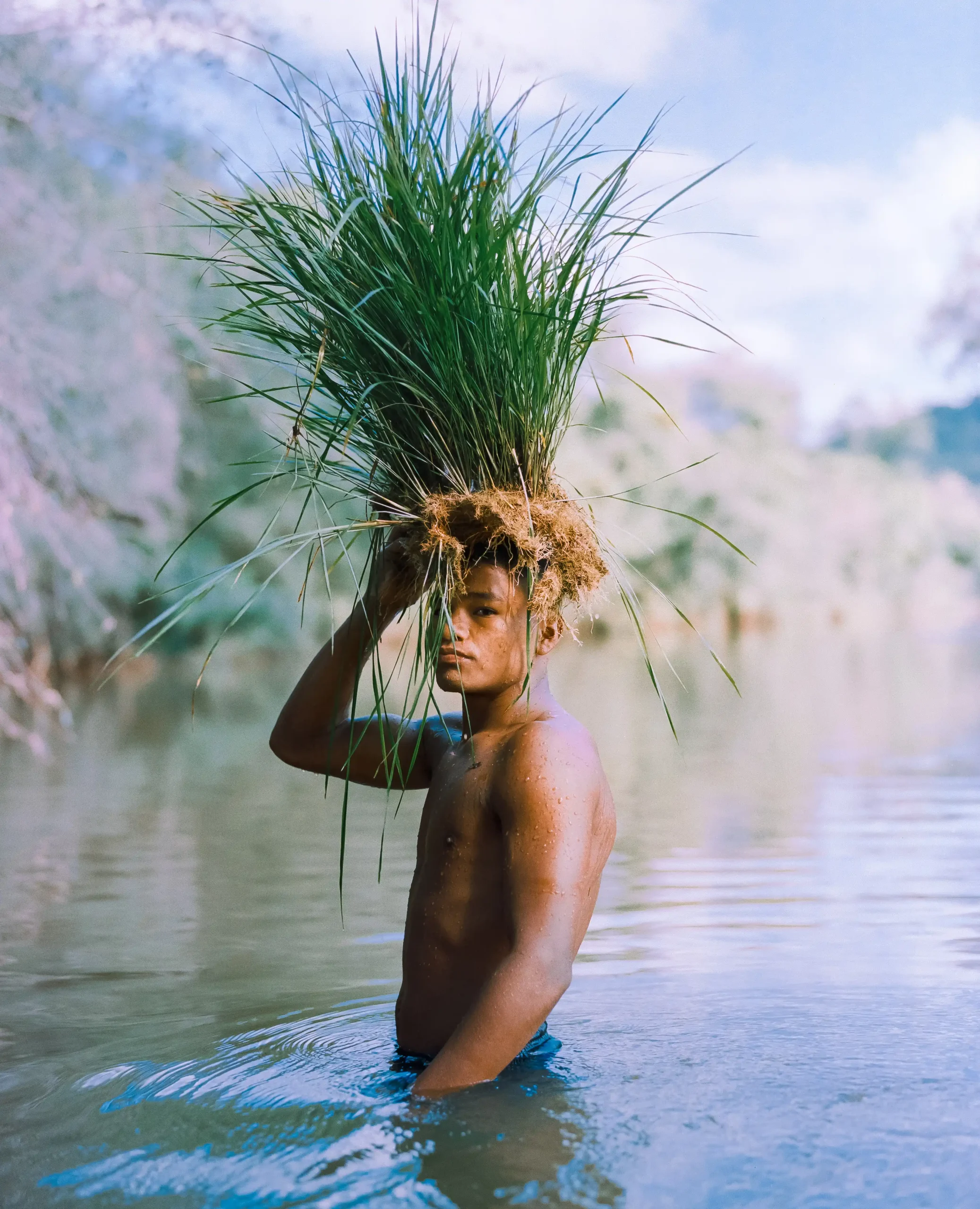
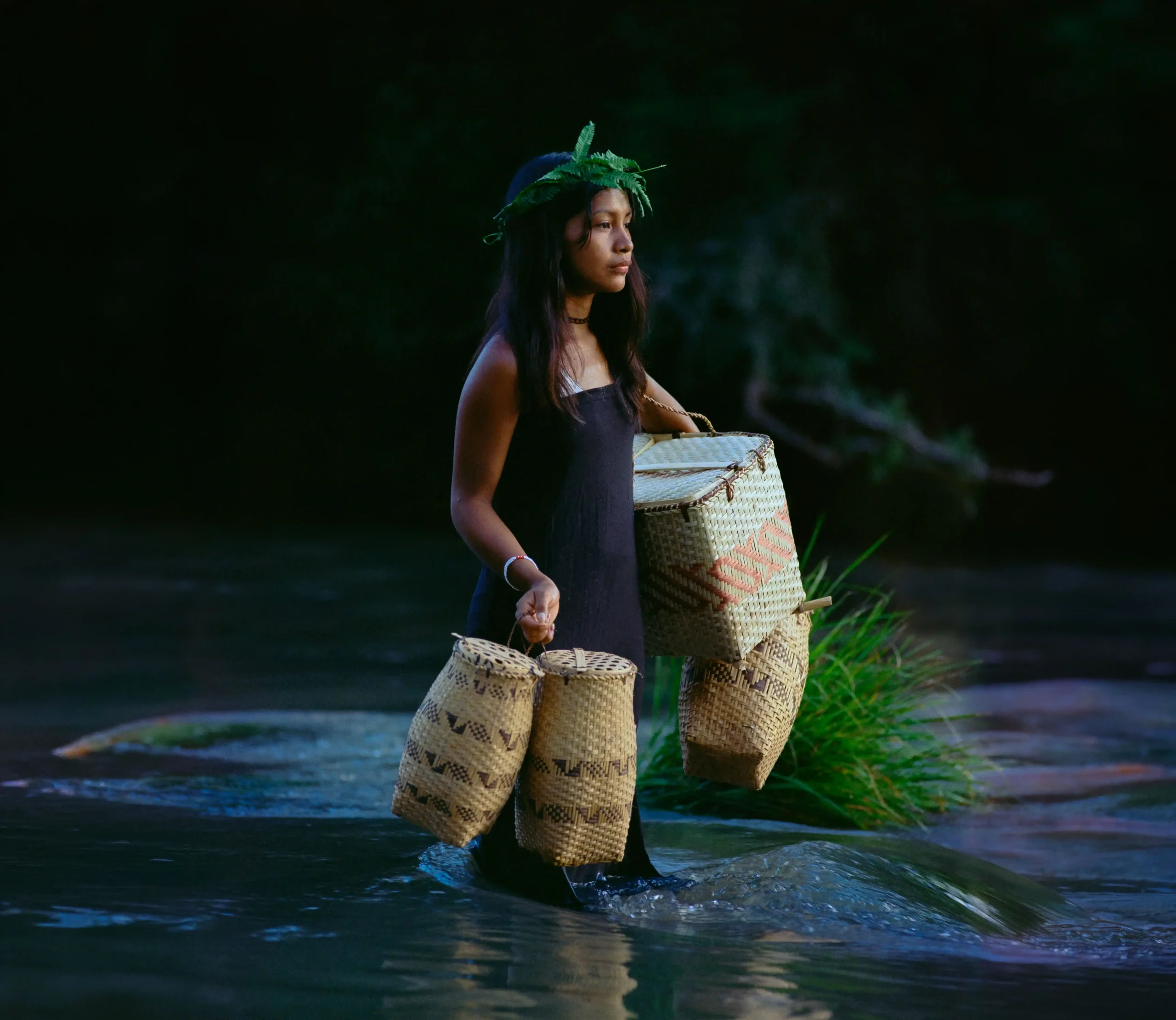
The result of his time sharing life with the Mbyá and accompanying them is this analog record, one that runs through collective memory, everyday life, and the search for the Yvy Marãe’ỹ, the “land without evil.”
The land without evil
In old Guaraní, Yvy Marãe’ỹ refers to a place where the earth bears fruit in abundance and celebration never ends, where no one falls ill and neither suffering nor death exists. For some Guaraní groups it lies in this world and is reached on foot, heading east, beyond the sea. For others, it is hidden at the center of the earth. And there are those who hold that the way is to follow the steps of the hero Guyraypotý: to fast, to sing and to dance until the body grows light enough to rise to the sky. So the written records explain it.

Argentina as Indigenous land
Searching for the land without evil today is not a nostalgic gesture toward the past. Their way of being in the world cannot be understood without territory, or tekoa, that which binds together the land, nature and the community, a space that is neither owned nor turned into merchandise.
But that territory now amounts to a tiny fraction of their original lands. A study by the University of Buenos Aires tracked the Misiones rainforest between 1990 and 2020 and found that nearly 130,000 hectares of native forest were lost. It is a forest broken into fragments that grow ever smaller and more isolated from one another.
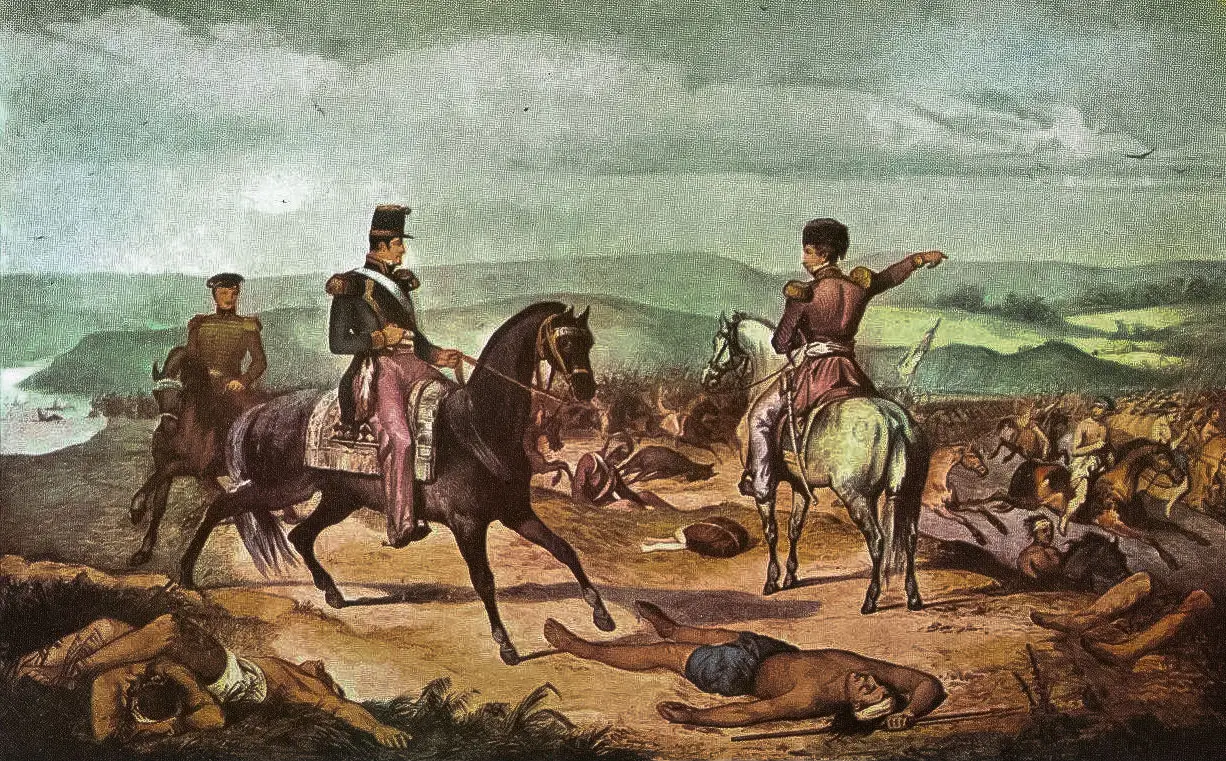
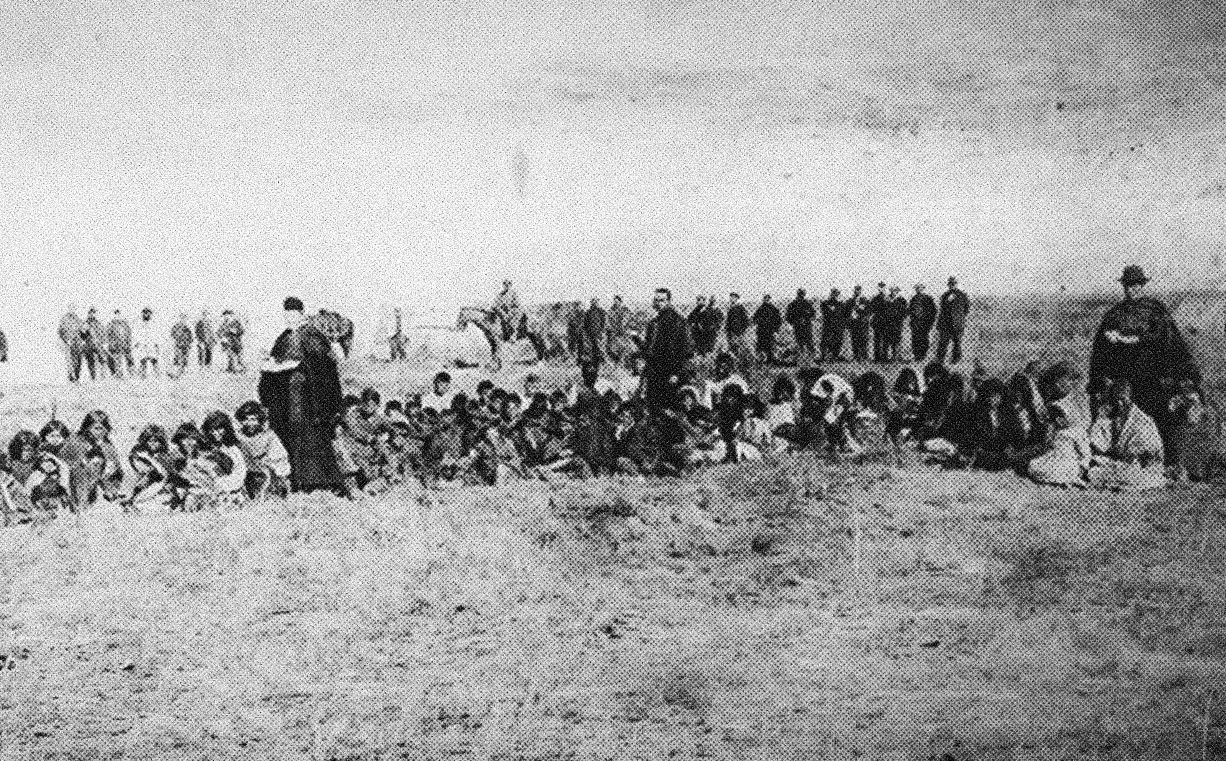
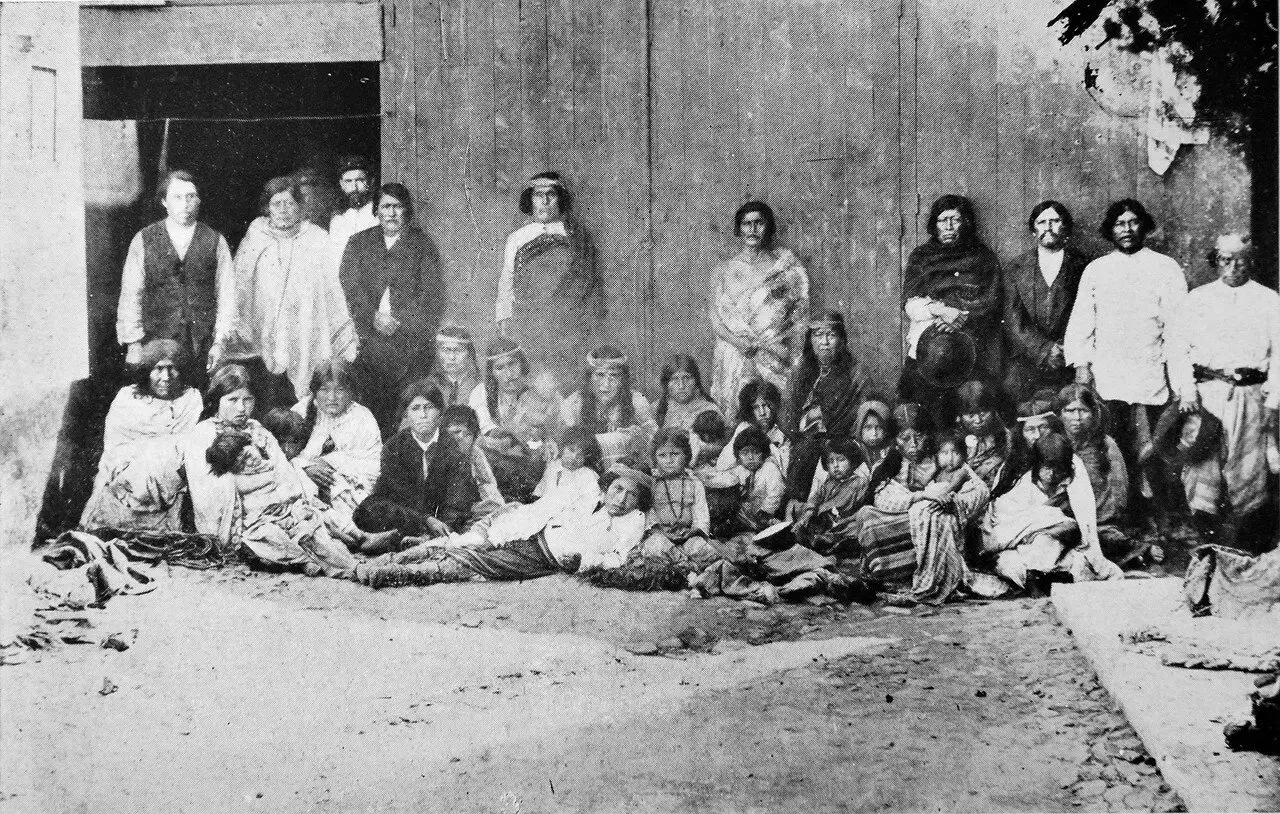
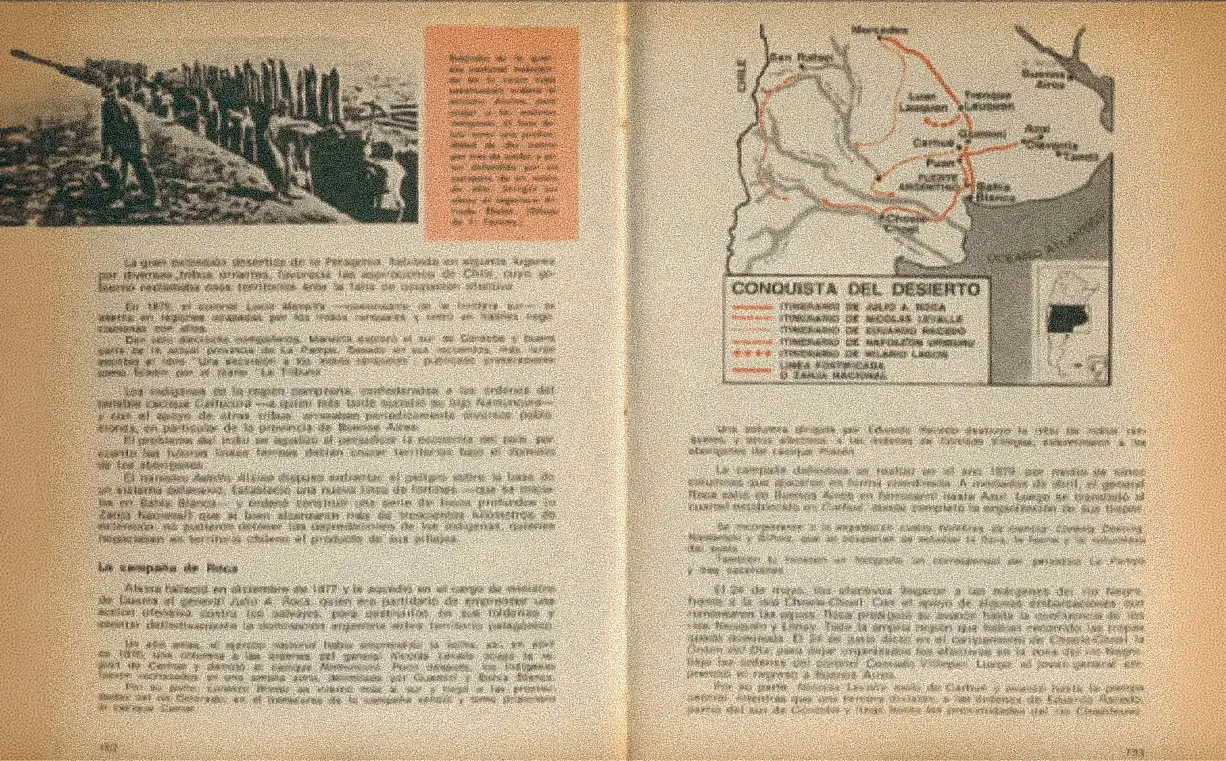
This loss of territory has to do as well with the way Argentina sees itself. In Patagonia and the Chaco, the State subjected Indigenous peoples through military campaigns at the end of the nineteenth century, while in Misiones the dispossession came through settlers and plantations that gradually took over the forests. The national narrative was the same across the whole country, and it declared Indigenous peoples “extinct.” Historians such as Walter Delrío argue that this erasure was a strategy of domination that made dispossession easier. If Indigenous peoples no longer exist, their lands have no owner, and nature becomes a resource available for exploitation.
For the Mbyá, by contrast, nature is not vacant territory. It is a gift from Ñanderú, their creator. A world of abundance that they received, to which they are bound and which they must care for. Their resistance is a claim for memory, for their autonomy as a people, and for the protection of all they hold sacred.
The work that follows
Holc works in analog. He shoots with a medium format camera, develops the rolls, and makes the prints by hand in his darkroom. It is a slow process, against the grain of the photography produced today in seconds. The images, Holc says, are built through long, sustained contact with the community, that collective bond that, for him, gives art its meaning.
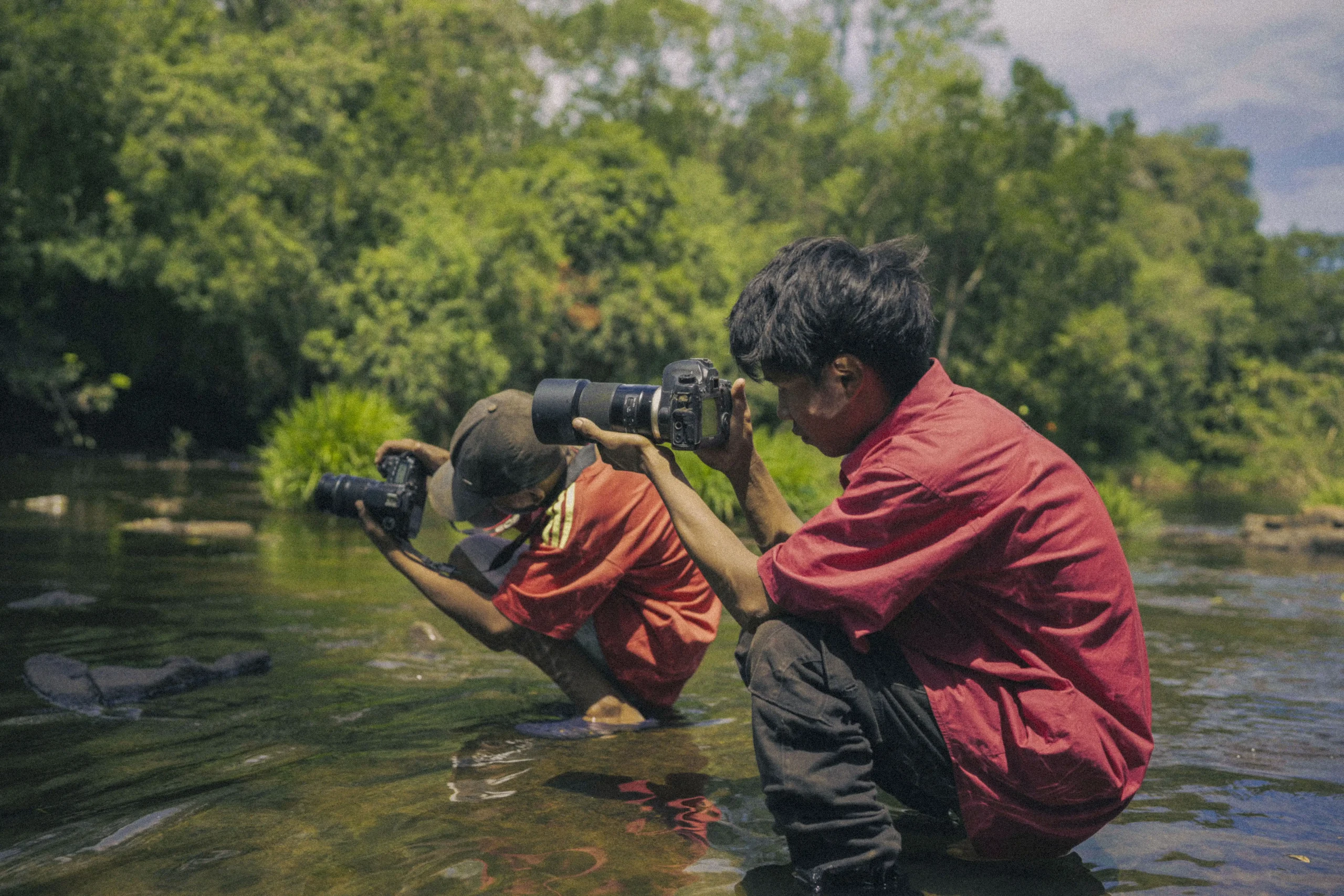
Now Holc is giving the cameras back. Part of the project consists of photography and audiovisual workshops within the community. His photos, he suggests, do not try to explain anything. They try to share what it feels like to be close.