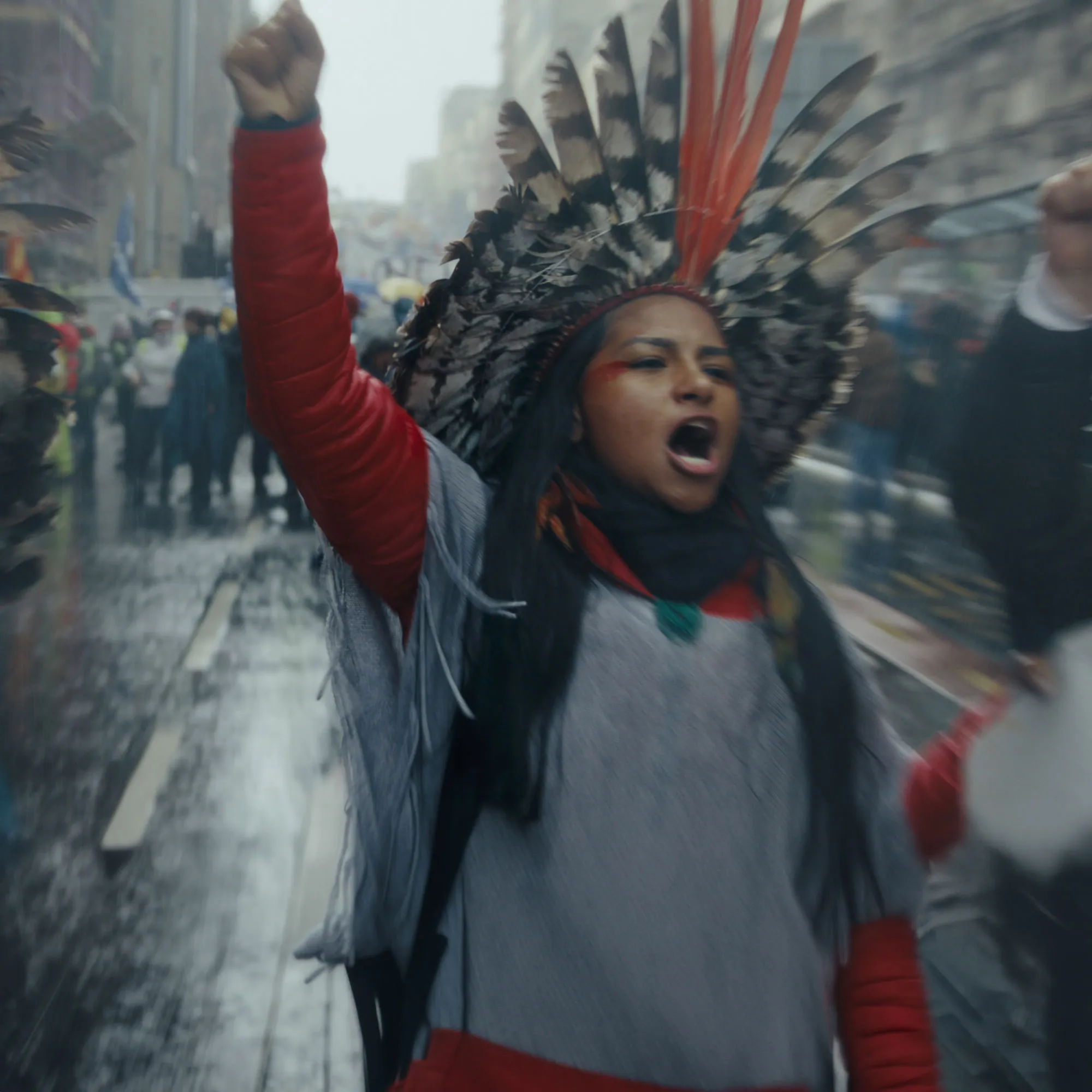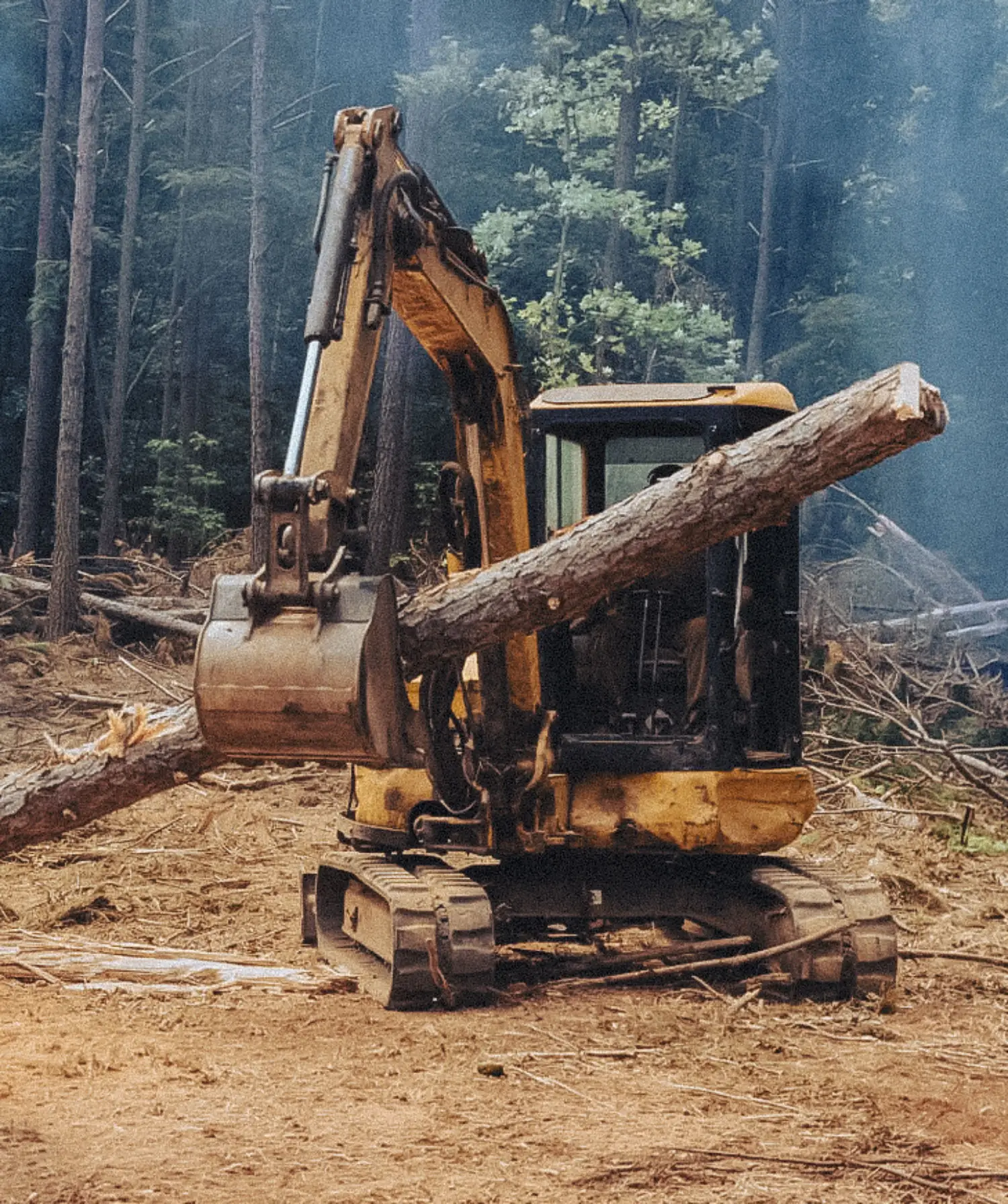


In the Peruvian Amazon, defending one’s territory is deadly work. In 2025, at least 161 environmental defenders faced dangerous situations according to records from the Ministry of Justice, and the country ranks among the most dangerous in the world for those who defend the land, alongside Colombia, Guatemala, Mexico, Brazil and the Philippines. But for the women who defend their territory, the danger runs deeper.
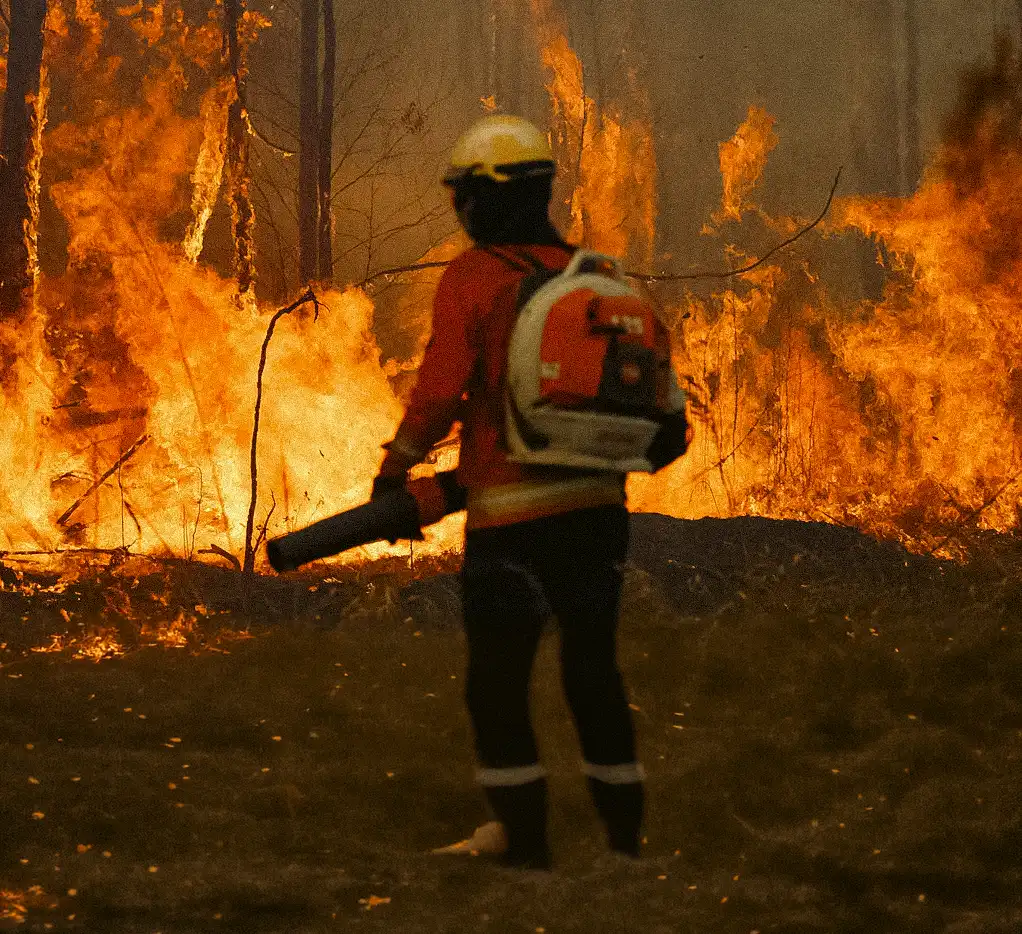
What do you do when your house is on fire?
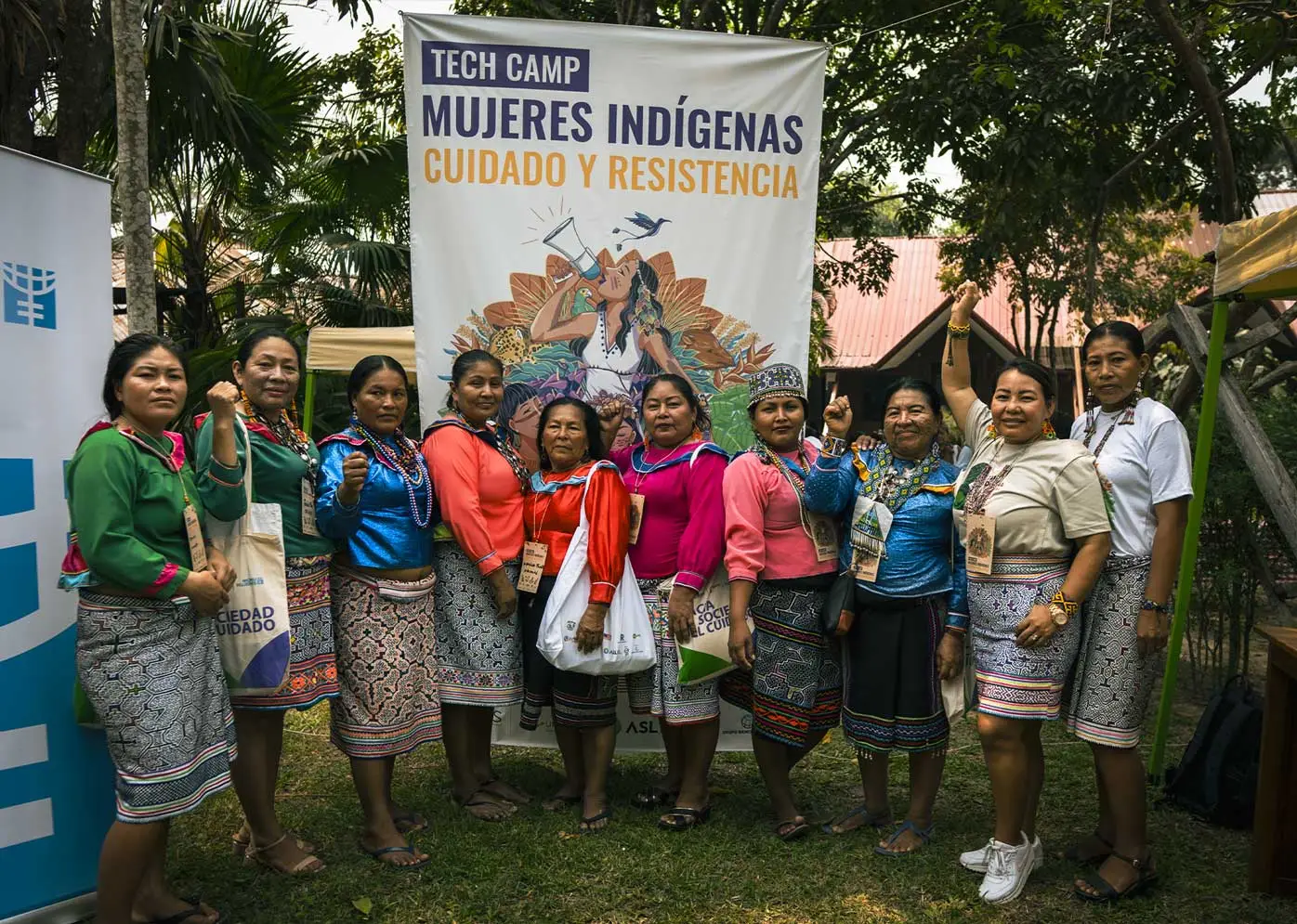
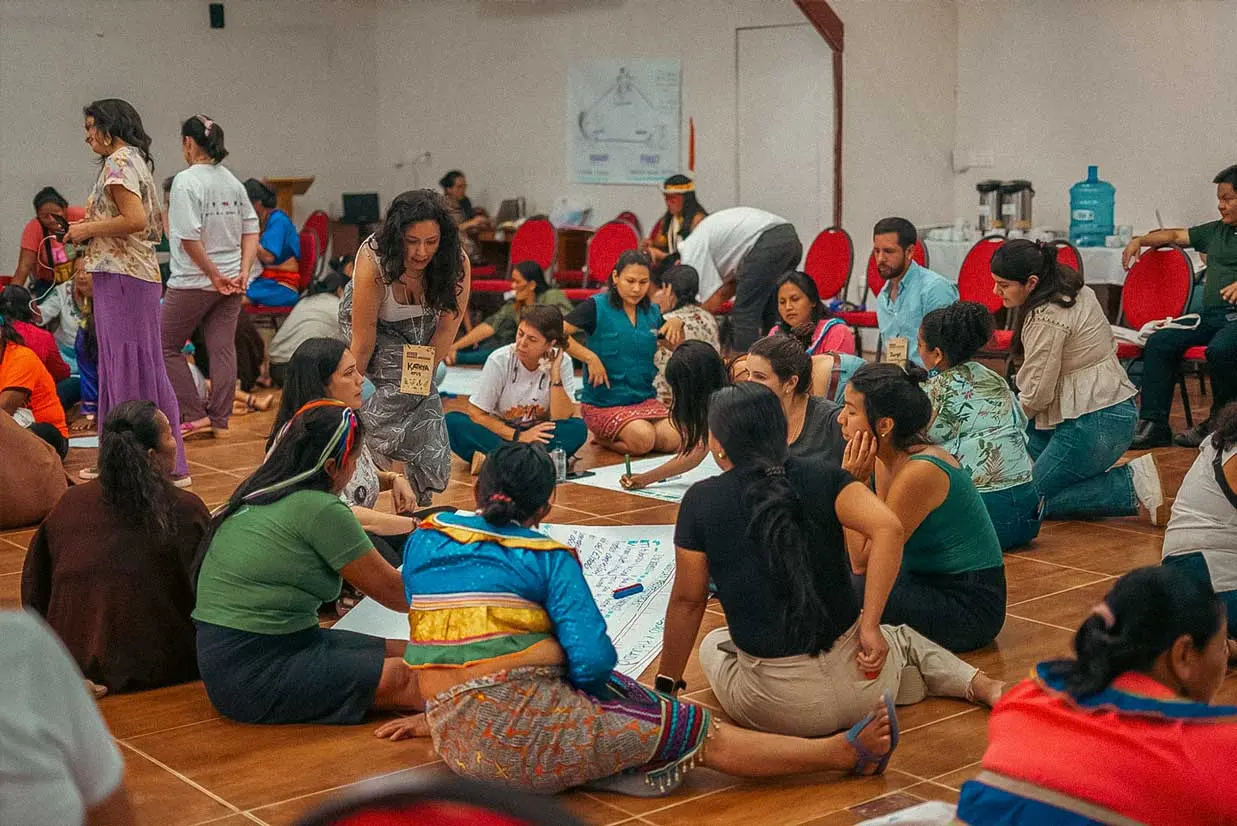
More than 70 Indigenous women leaders from Peru and Ecuador gathered on September 4 and 5 in Pucallpa (Ucayali) to devise strategies together at the TechCamp “Indigenous Women: Care and Resistance,” organized by the Interethnic Association for the Development of the Peruvian Rainforest (AIDESEP) and the Ucayali Regional Organization of AIDESEP (ORAU).
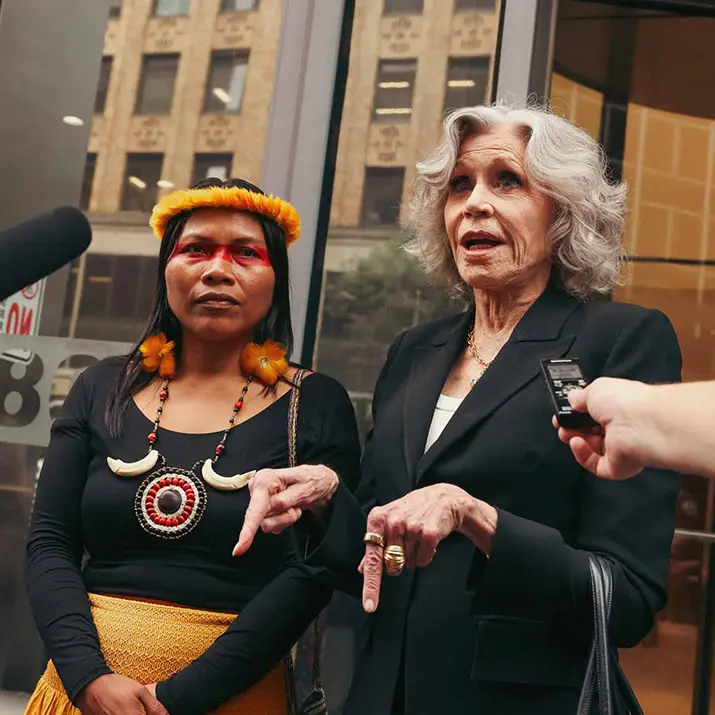
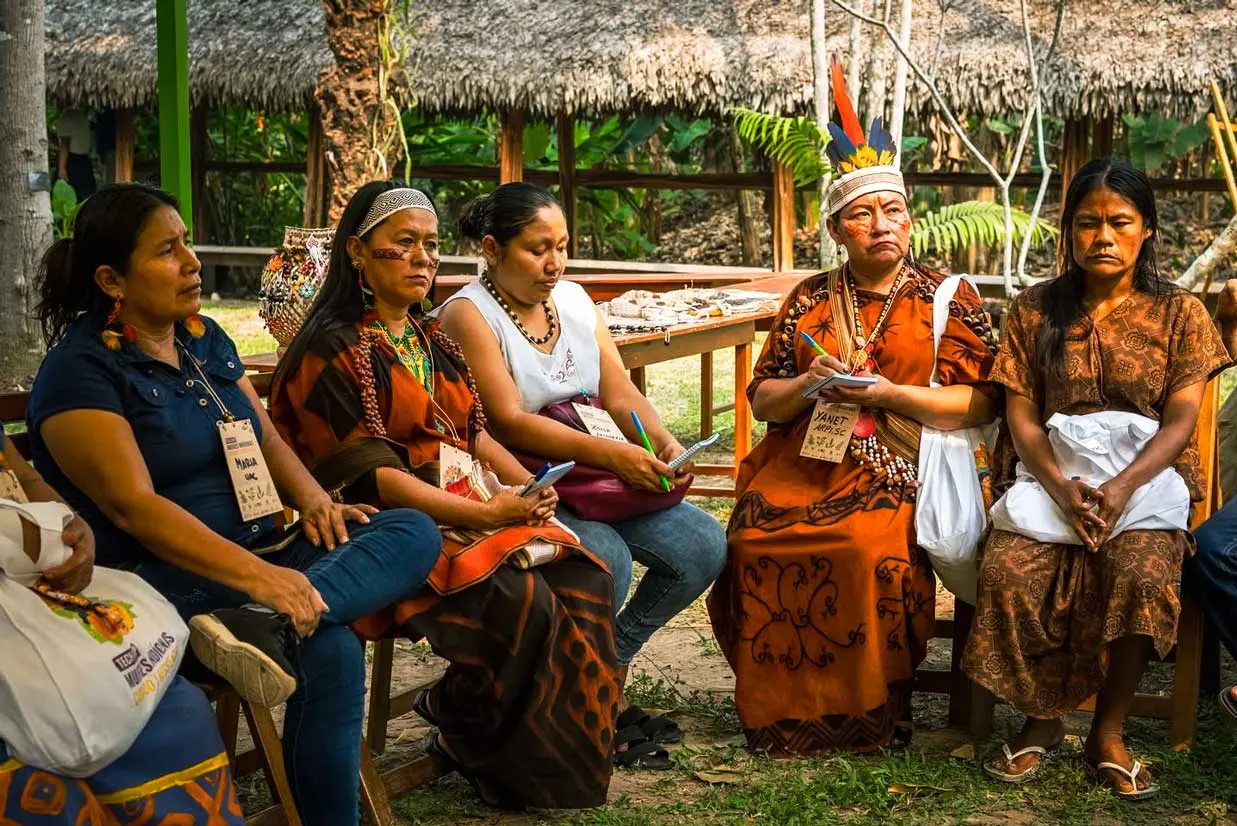
Over the two days of the gathering, Asháninka, Awajún, Shipibo, Yine and Waorani women exchanged experiences about what defending their territory means to them, as illegal mining, logging and other illicit economies carve their way into their communities.
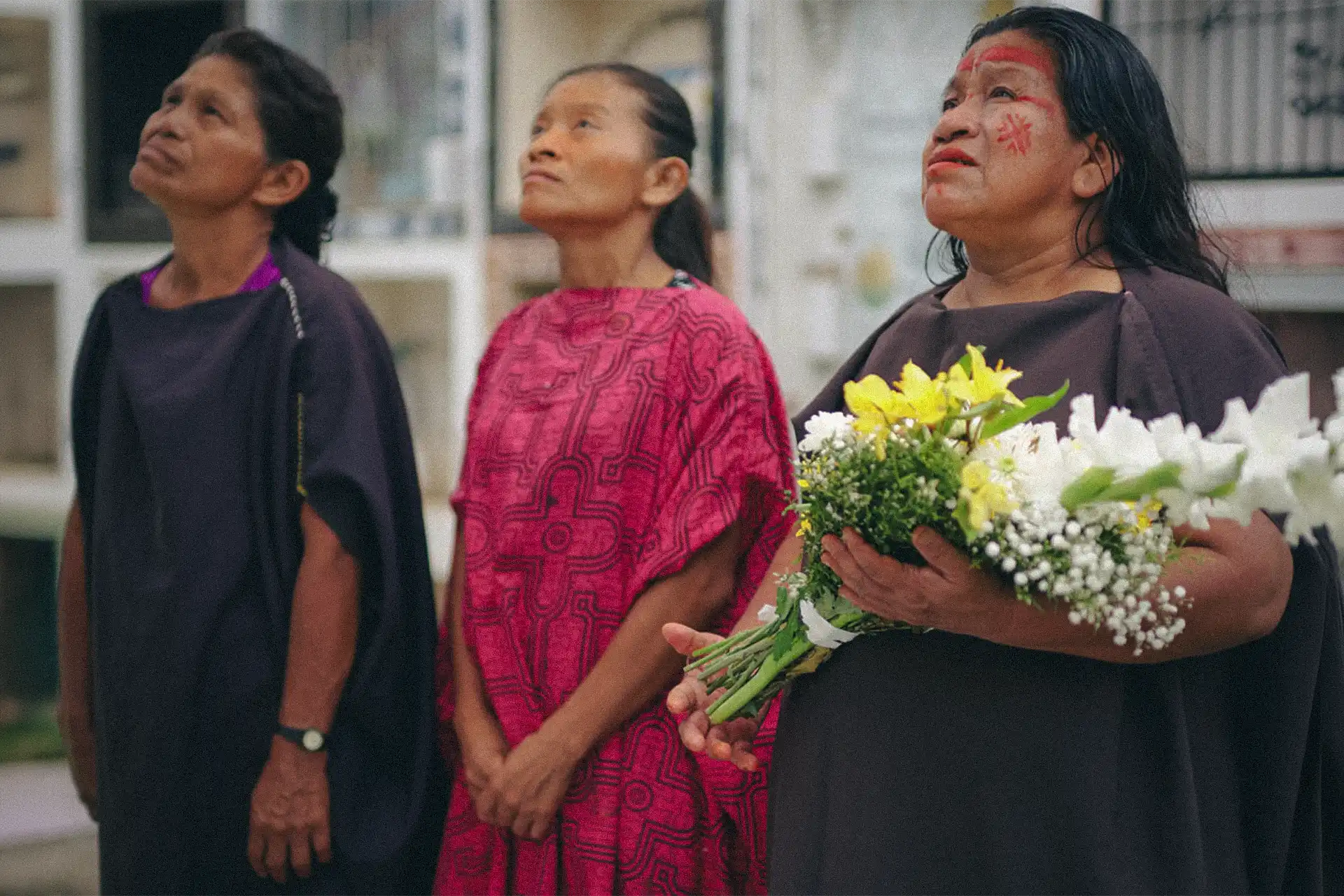
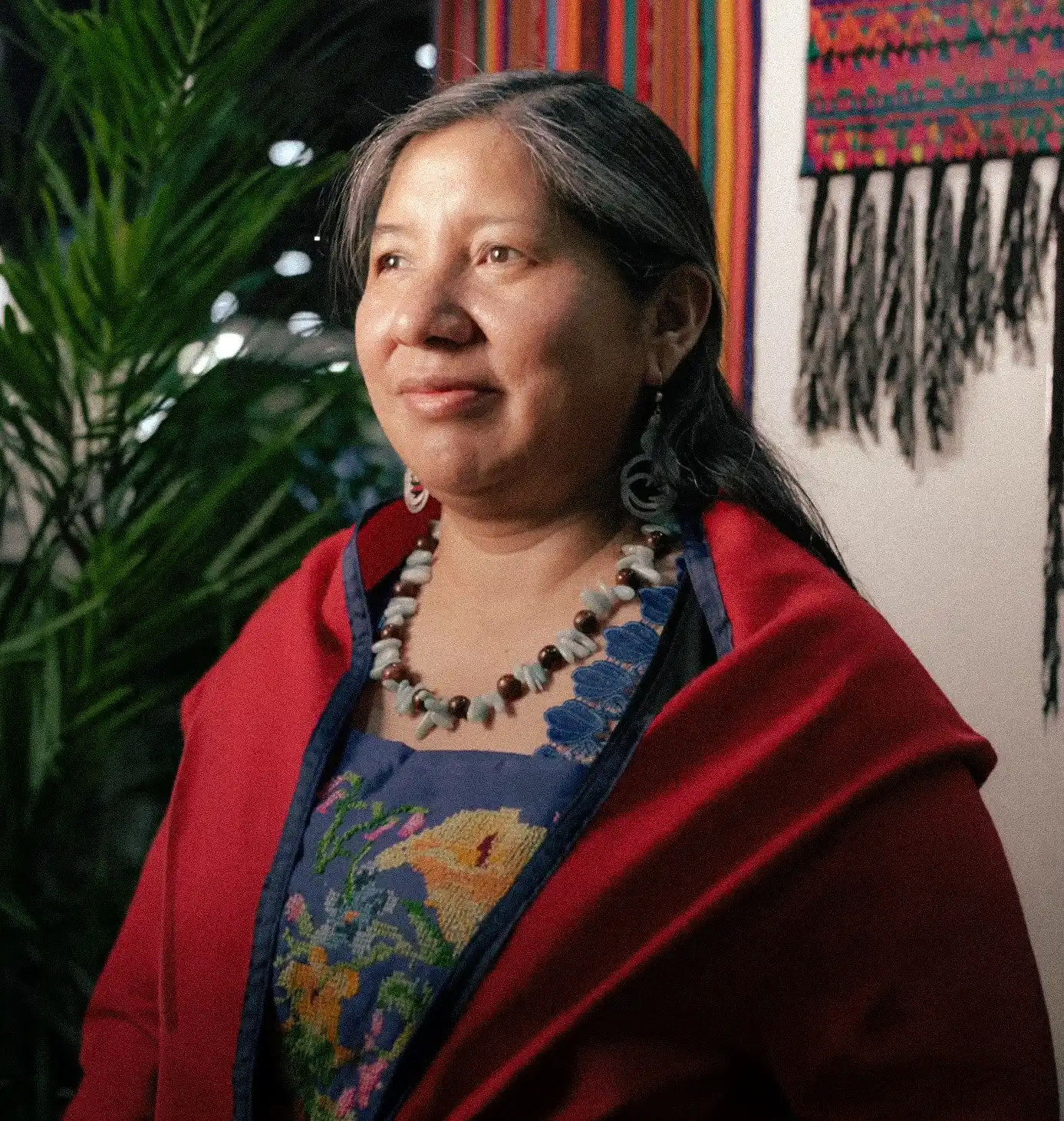
Teresita Antazú, Board of Directors – AIDESEP.
Holding their ground
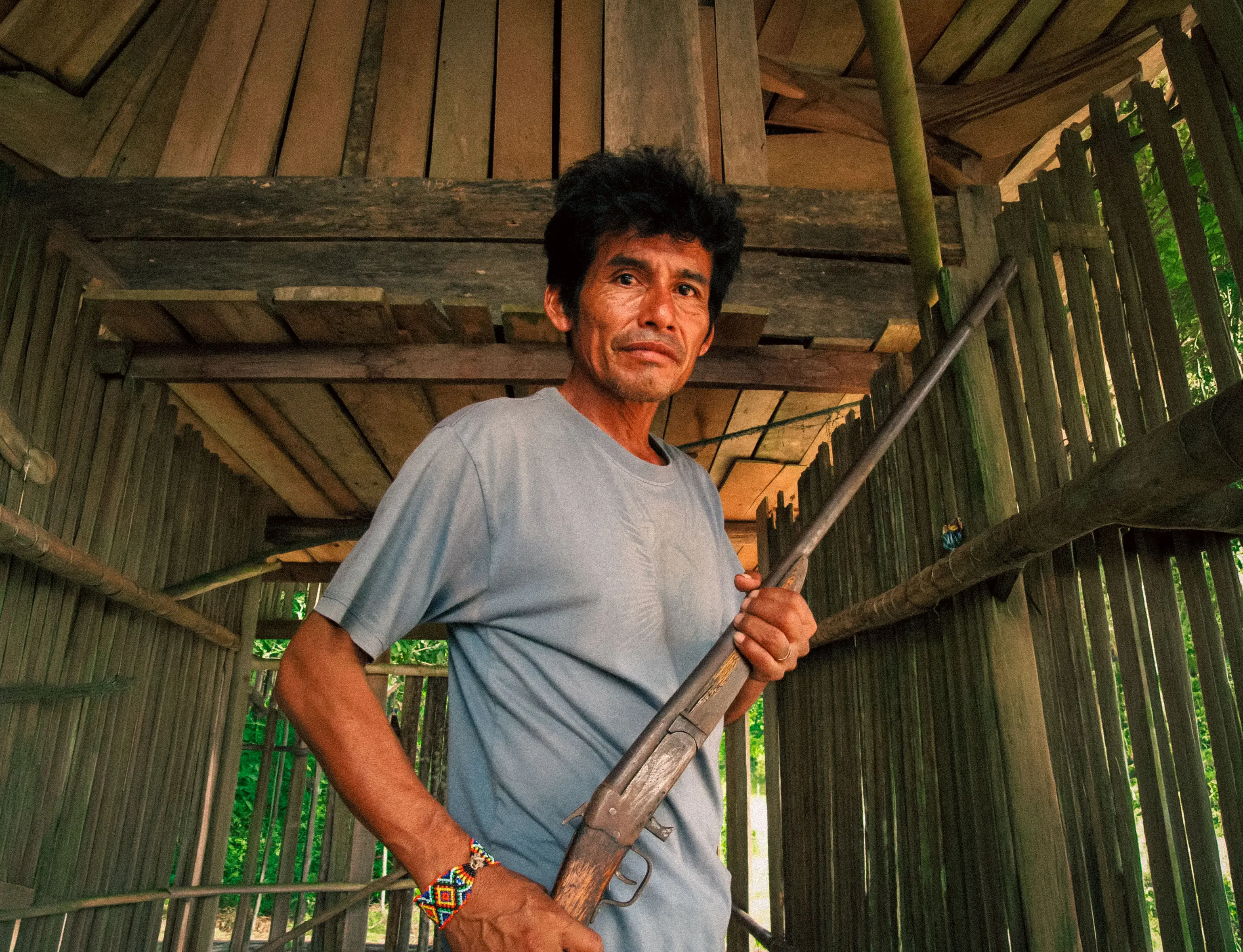
“They want us extinct,” was the first thing one of the leaders told us, a woman who asked that her identity be kept private. She had watched mining move into her territory and decided to go to the invaders herself to demand their permits. They responded by asking her for her community’s land titles. She didn’t have them.
This is not an isolated case. In Peru, most Indigenous territories are still untitled. The Ministry of Agriculture counts 692 communities pending, some 15 million hectares, though AIDESEP estimates the debt reaches 20 million. Without a title to back them, these territories are left exposed to the encroachment of illicit economies.
But the lack of papers didn’t stop her. She pointed to the water their mining had contaminated and told them to drink it. One of them, trying to make light of her claims, took a sip and couldn’t go on.
Another participant said she was at the gathering for justice for her father. She comes from Alto Saweto, the community where in 2014 Edwin Chota, Jorge Ríos, Leoncio Quintisima and Francisco Pinedo were murdered, four Ashéninka leaders who had denounced illegal logging along the border with Brazil. Their community was only granted its land title in 2015, seven months after the crime. In May 2026, one of those responsible was captured in Ucayali. The other three remain at large.
Another leader, Asháninka, explained that Indigenous peoples in isolation and initial contact (known by the Spanish acronym PIACI) still live in her territory. Having had no sustained contact with the rest of society, they haven’t developed the same immune defenses as most people, and an illness as common as the flu can be fatal to them. Every road opened in the rainforest brings that danger closer, which is why they oppose the highways. “That’s the path the outsiders and businessmen come in through,” she said.
The place of women
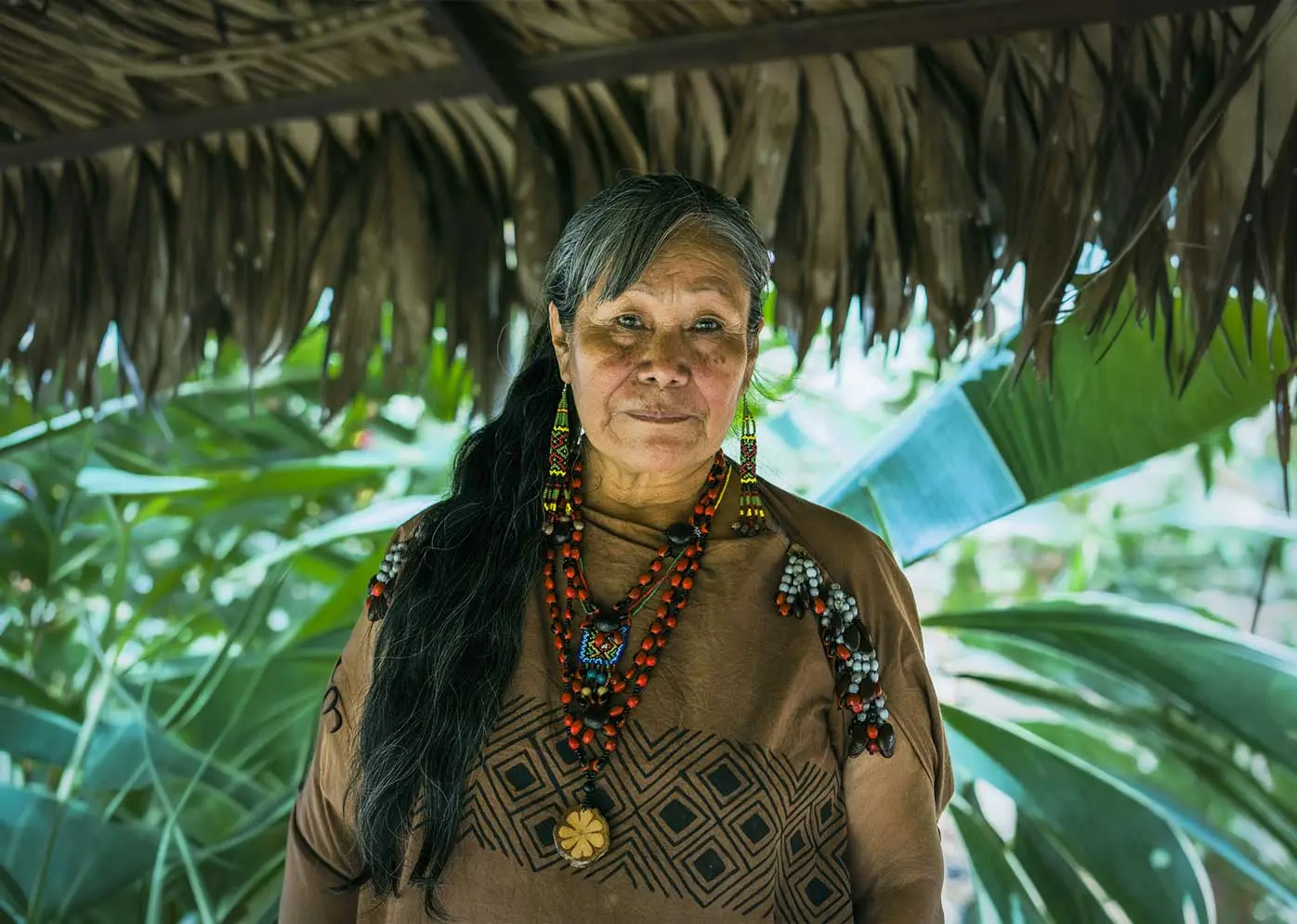
The gathering also opened space to discuss the place of women within the Indigenous movement and the barriers they still face to fully participate in decision-making. According to a report by Oxfam, many are questioned when they step away from household and caregiving duties to take on leadership roles, and have to work harder than men to be heard. “We wouldn’t survive if we didn’t have territory. We women raise our voices and we will keep demanding, because we have to protect our resources for our children and for the future,” said Teresita Antazú, a member of AIDESEP’s board.
According to the same Oxfam report on environmental defenders in the Peruvian Amazon, this work involves a kind of violence that goes beyond what men face. On top of the threats for defending the land come harassment and intimidation, which often come from their own families or communities. Much of that abuse never gets recorded, and that silence can render the true scale of the problem invisible.
These women don’t aspire to the model of “development” pitched from the cities. What they want is to live in peace in an Amazon without borders, in a territory that for centuries has provided them with wealth and sustenance. A place where they have learned to confront and to negotiate, to protect their own despite the fear and the threats. And they still refuse to accept violence as the norm.
What we call “sustainability” is hard to grasp if it’s decided in a few hands and discussed only in English or in Spanish, far from the territories and from the women who sustain them.