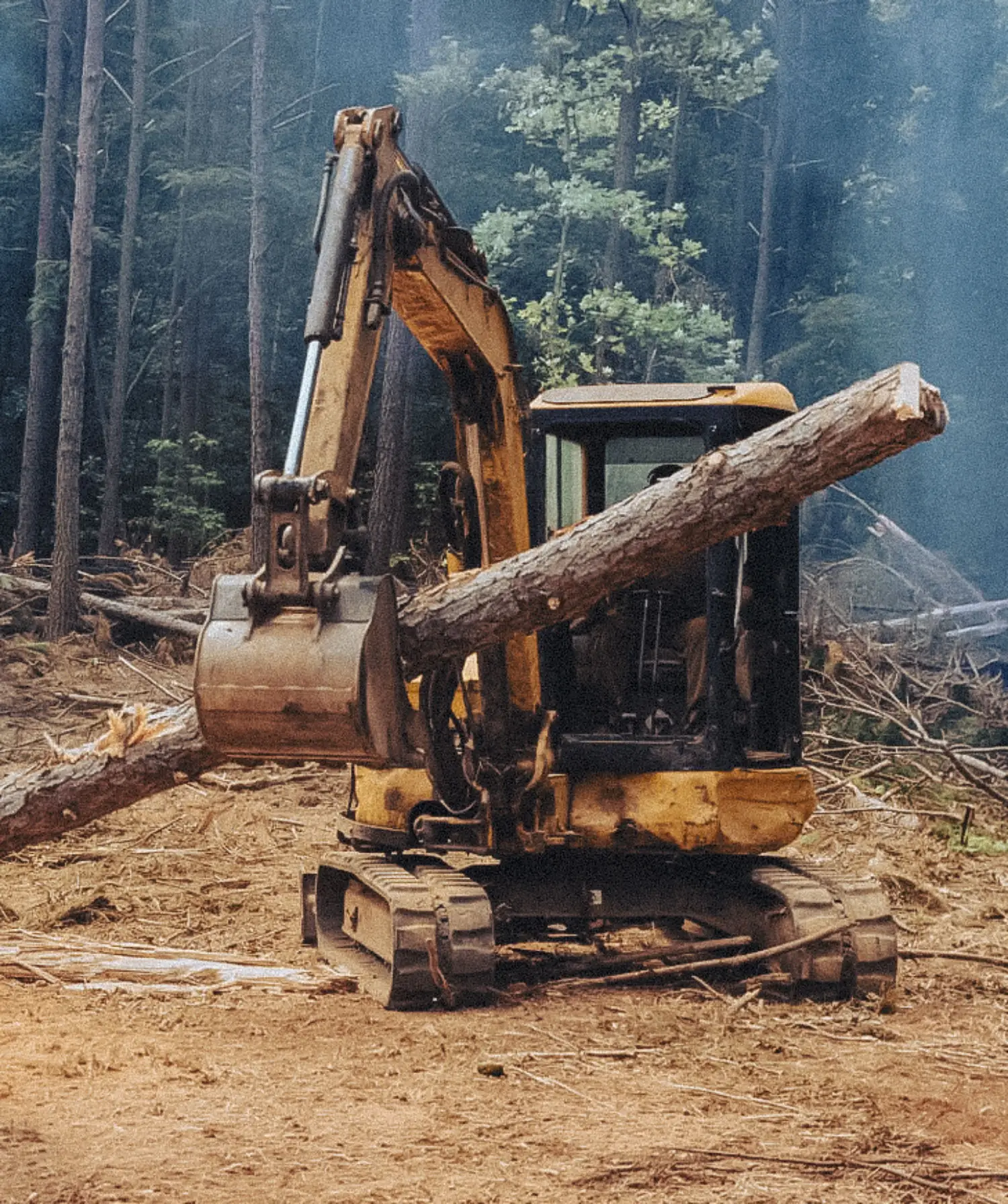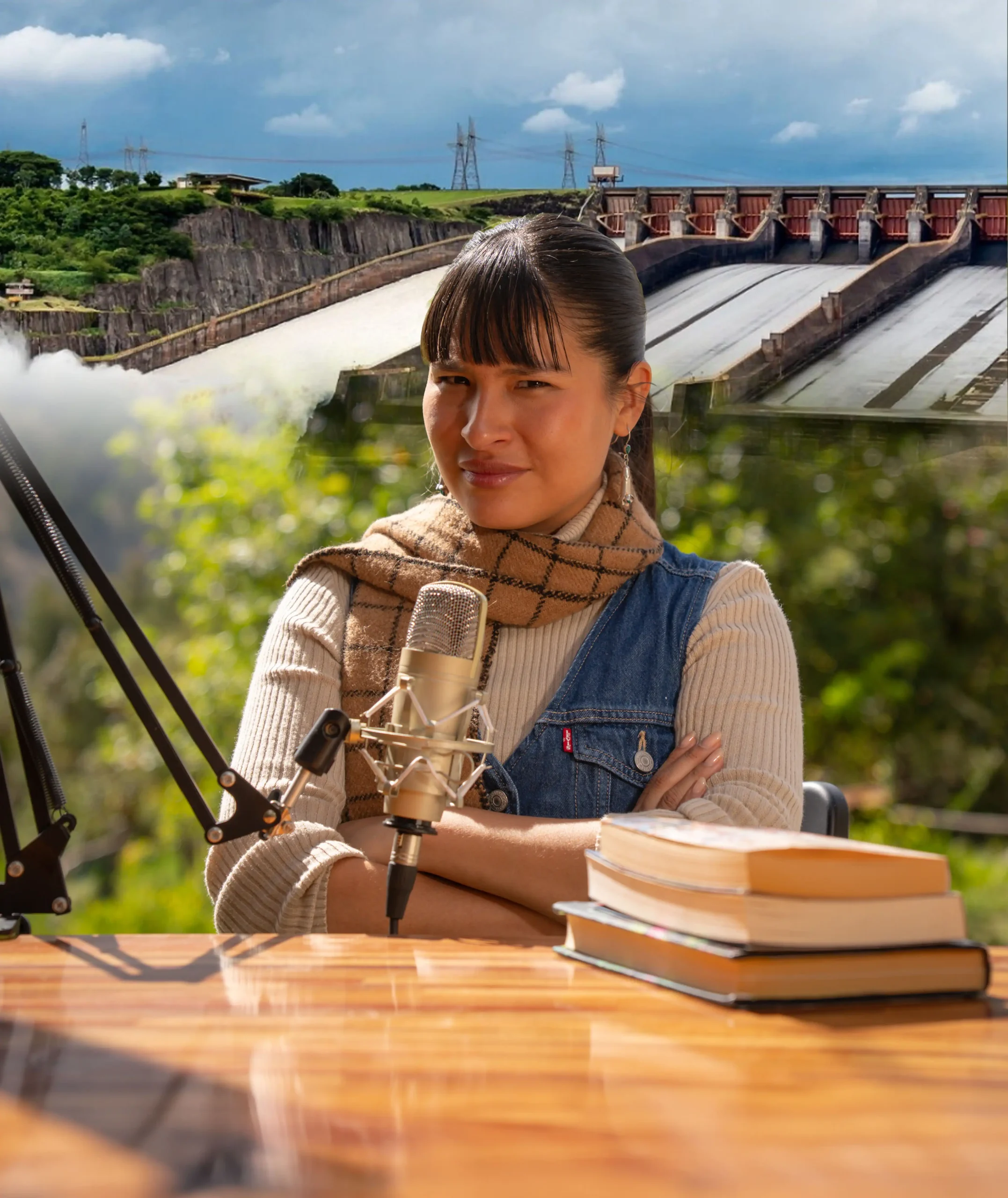

In June 2025, Peru’s Congress approved the creation of the district of Santa Rosa de Loreto, in the tri-border area between Peru, Colombia and Brazil. On August 5, former president Petro accused Peru of violating the Rio de Janeiro Protocol, which establishes that when a new island forms in the shared zone, the two governments must agree between themselves whom it belongs to. Two days later, Colombia declared that it did not recognize Peruvian sovereignty over the island. But while the governments argued over where one country ends and the other begins, and worked the conflict for media attention, the ones who really rule the tri-border are the criminal networks.
Leticia, Tabatinga, and Santa Rosa form one of the most biodiverse convergence points on the planet. And one of the most violent. In 2023, Tabatinga recorded a homicide rate of 95.9 per 100,000 inhabitants. Leticia reached 31.4. Two of the most dangerous cities in the Americas, separated by nothing but a river.
In the Amazon, gold and cocaine travel together. One generates fast cash. The other launders it until it gleams as jewelry, devices, and financial reserves in the Global North. Drug trafficking organizations are increasingly violating the human rights, security, and wellbeing of rural populations, according to the UNODC.
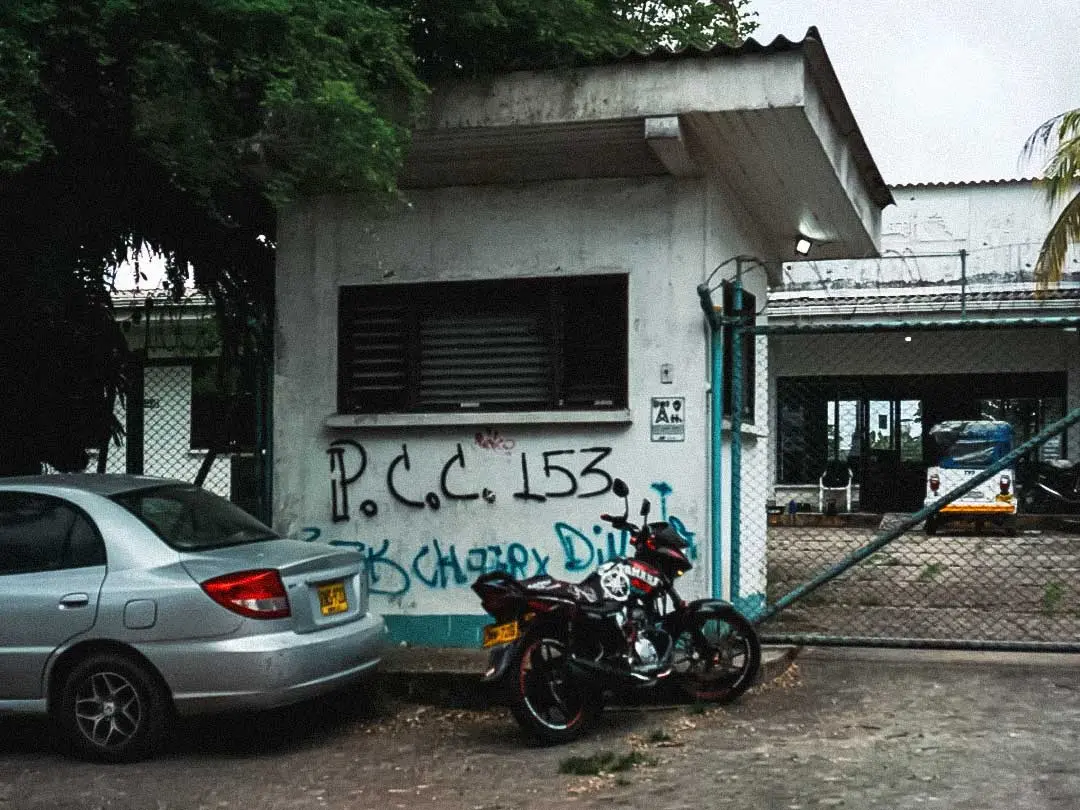
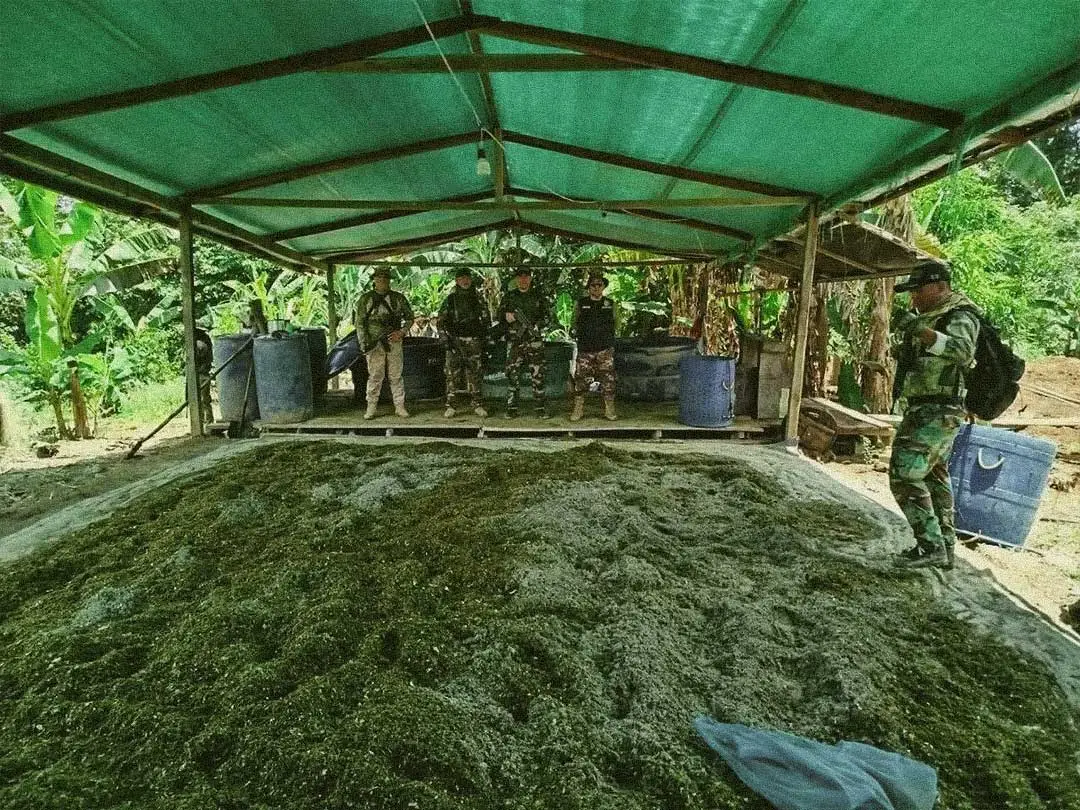
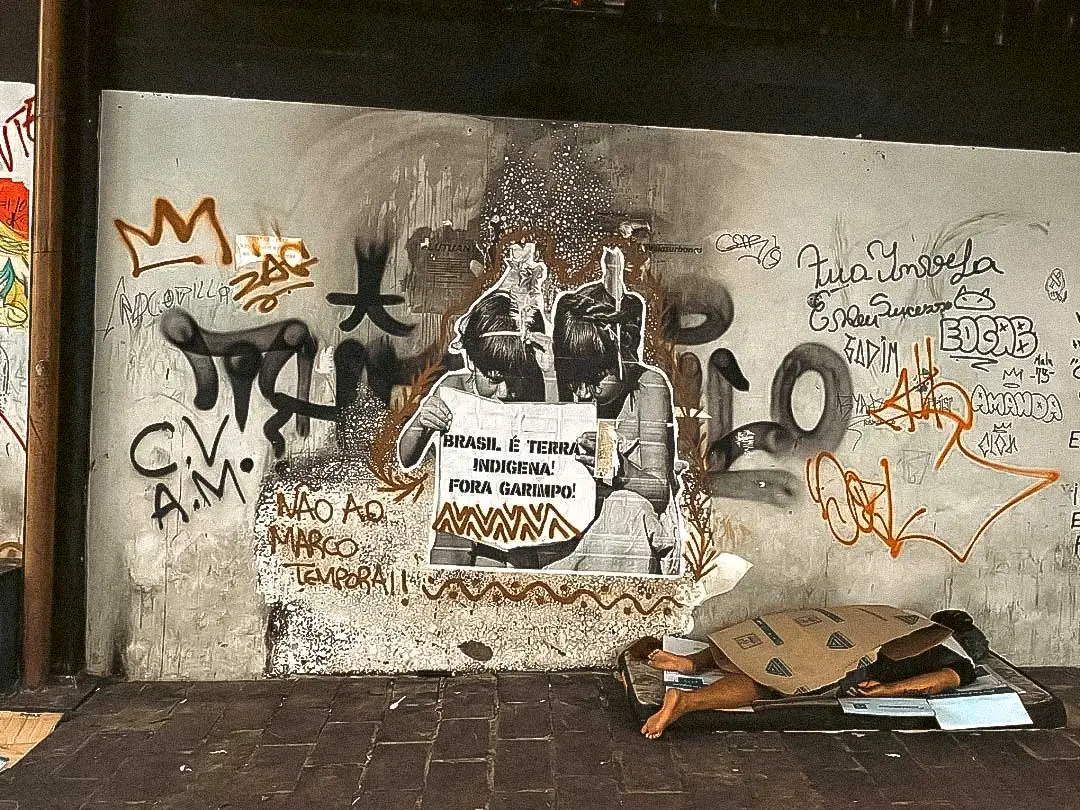
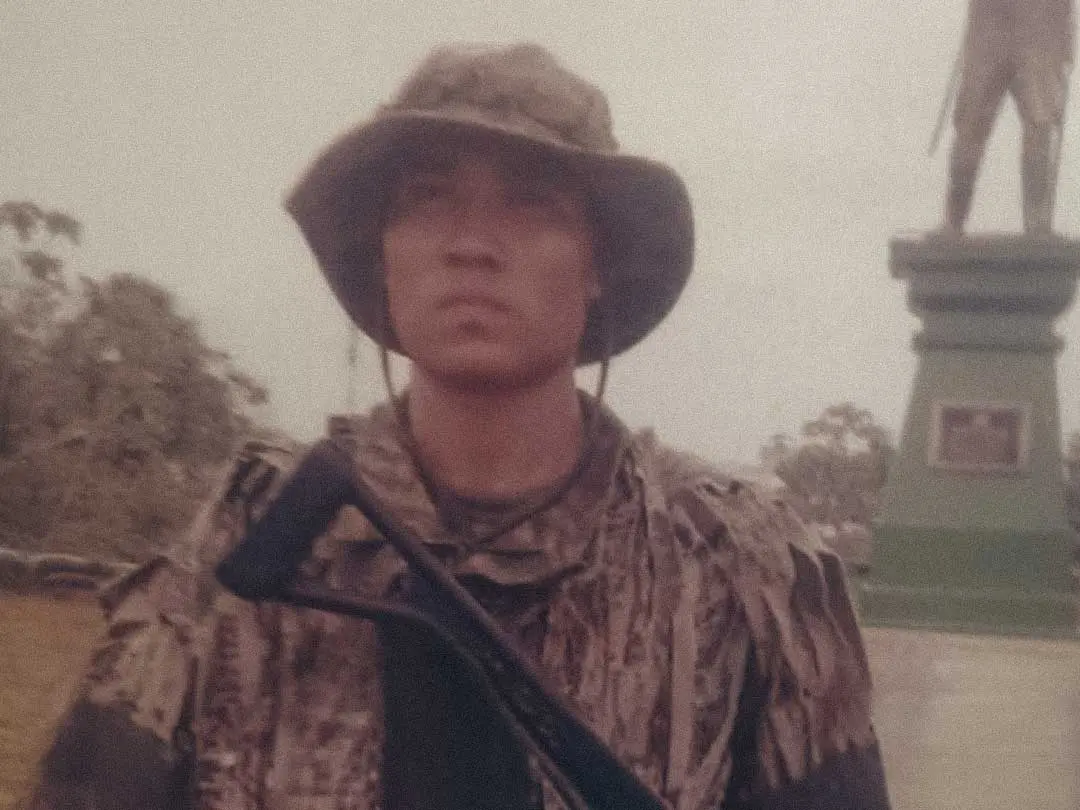
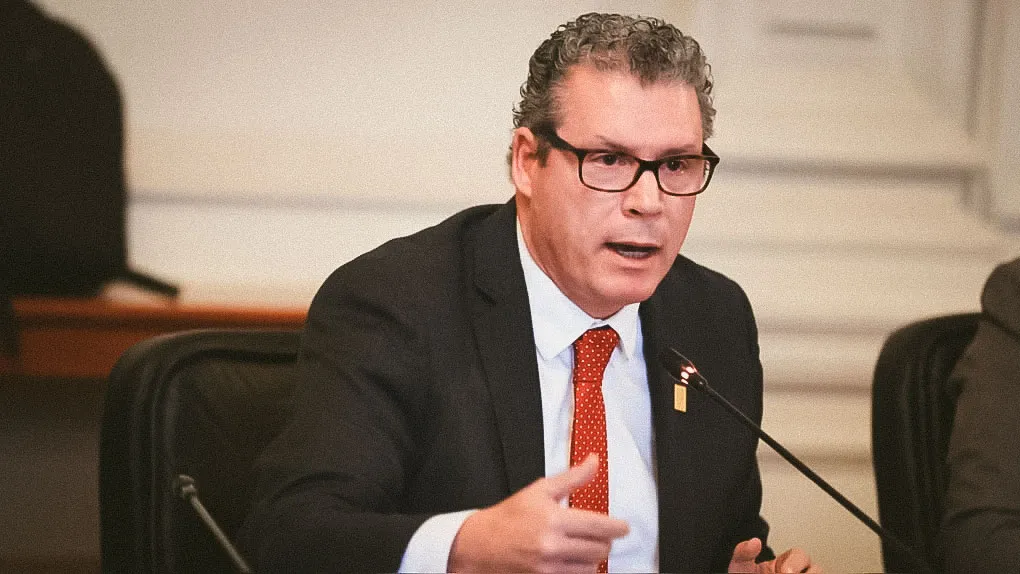
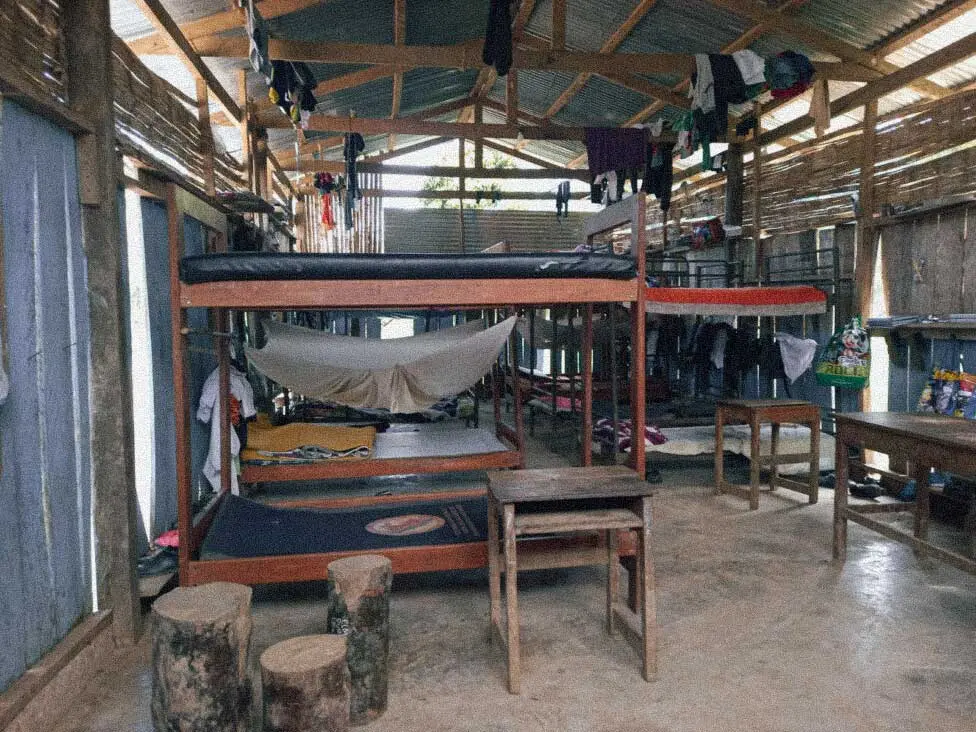
And the sovereign governments? All absent.
In Peru, Awajún girls have reported sexual abuse in communities where neither police nor justice arrive in time. From reports of more than 500 child victims in Condorcanqui (Amazonas region), the government announced investigations and removed teachers: 459 implicated educators were suspended. New cases continue to emerge in 2025, at least four additional ones, including perpetrators among immediate family members. Community leader Georgina Rivera Paz, who reported the abuse, was briefly detained and faced threats, exposing the system’s fragility in the face of these crimes.
In Colombia, communities in Leticia and Puerto Nariño experienced their worst drought in over a century. The Amazon River dropped by 82%, cutting off access to drinking water and river transport while threatening food security. And recently, warnings emerged that the port of Leticia could lose access to the river altogether if nothing changes: flow has dropped from 30% in 1993 to just 19.5% in 2025, jeopardizing connectivity and fueling diplomatic tensions with Peru over Santa Rosa island.
In Ecuador, Kichwa and Shuar peoples face rivers contaminated by illegal mining, despite court rulings. In the case of illegal mining on the Santiago River (Shuar Arutam territory), at least 134 hectares were documented as devastated, with destruction of the riverbed and persistent contamination. In the Shuar-Panantza case, the Constitutional Court annulled a mining concession for failure to obtain prior consultation, ordered public apologies and oversight by the Ombudsman’s Office, but compliance remains unclear.
So who governs the ungoverned? Criminal organizations that kill anyone who refuses to submit, sexually abuse indigenous girls, recruit and arm minors, surveil with drones, and dictate their own “laws” on rivers and roads. In return, they deliver what states do not: fuel, infrastructure, protection.
So who governs the ungoverned?
Criminal organizations that kill anyone who refuses to submit, sexually abuse indigenous girls, recruit and arm minors, surveil with drones, and dictate their own “laws” on rivers and roads. In return, they deliver what states do not: fuel, infrastructure, protection.
Every gram of gold or cocaine leaves dead forests, poisoned rivers, and communities condemned to disease and displacement. In the Nanay River, 79% of residents already carry mercury levels above the WHO safety threshold. Children under four register levels up to six times higher than permitted. Meanwhile, states keep betting on militarizing borders without touching the roots of criminal power.
Organized crime has spent decades cooperating across borders. The Comandos de la Frontera, Los Lobos, Los Choneros, and FARC dissidents recognize no national sovereignty: they share corridors, compete over rivers, and ally when it suits them.
The report In the Shadows of the State, by Amazon Watch and Amazon Underworld, documents in detail how these armed groups control drug trafficking corridors and illegal mining territories. And indigenous peoples have spent decades demanding land titling, healthcare, education, and justice.
The ACTO brings together the eight Amazonian countries and has not convened a heads-of-state summit since 2009. In 2023, there was a declaration in Belém do Pará, with no binding mechanisms. The spaces exist. Indigenous peoples, who know better than anyone how to protect their territories, must be brought inside the room.