The death of a river
In December 1971, at age 17, Juliane Koepcke was the sole survivor of LANSA Flight 508 and walked for eleven days through the rainforest until she was rescued. After the tragic crash that would shape her life, Koepcke earned a PhD in biology in Germany and devoted her career to studying and protecting the Peruvian Amazon. Today she leads the Panguana Foundation and is sounding the alarm as illegal gold mining closes in on the biological station her parents founded in 1968, on the banks of the Yuyapichis River in the province of Puerto Inca, in Peru’s Huánuco region.
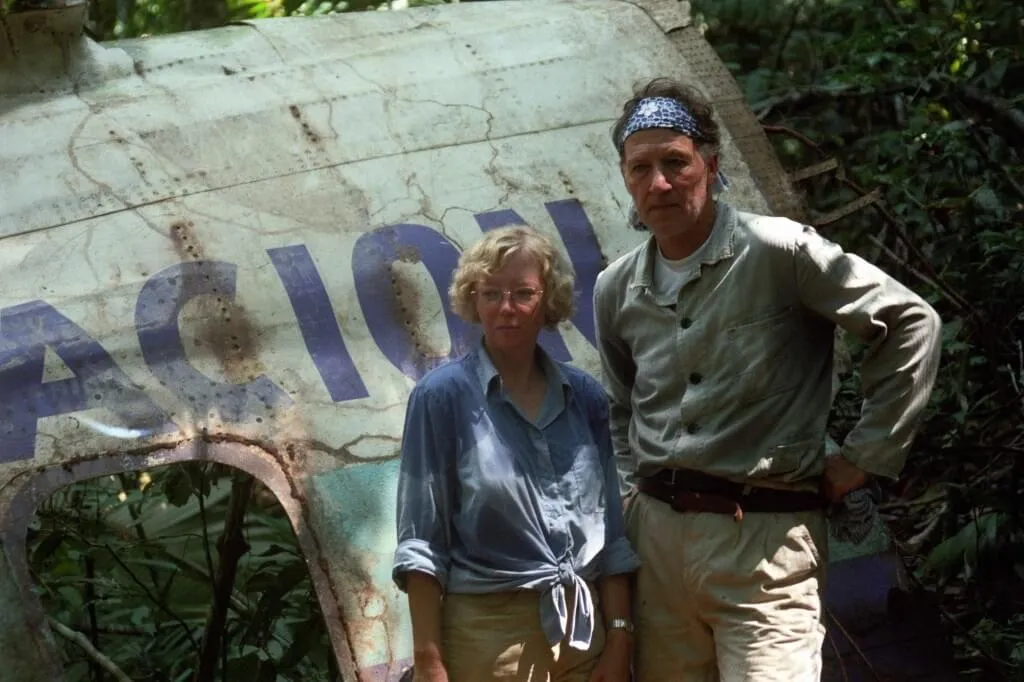
Juliane Koepcke next to the wreckage of a plane in the jungle, in an image from the documentary Wings of Hope.
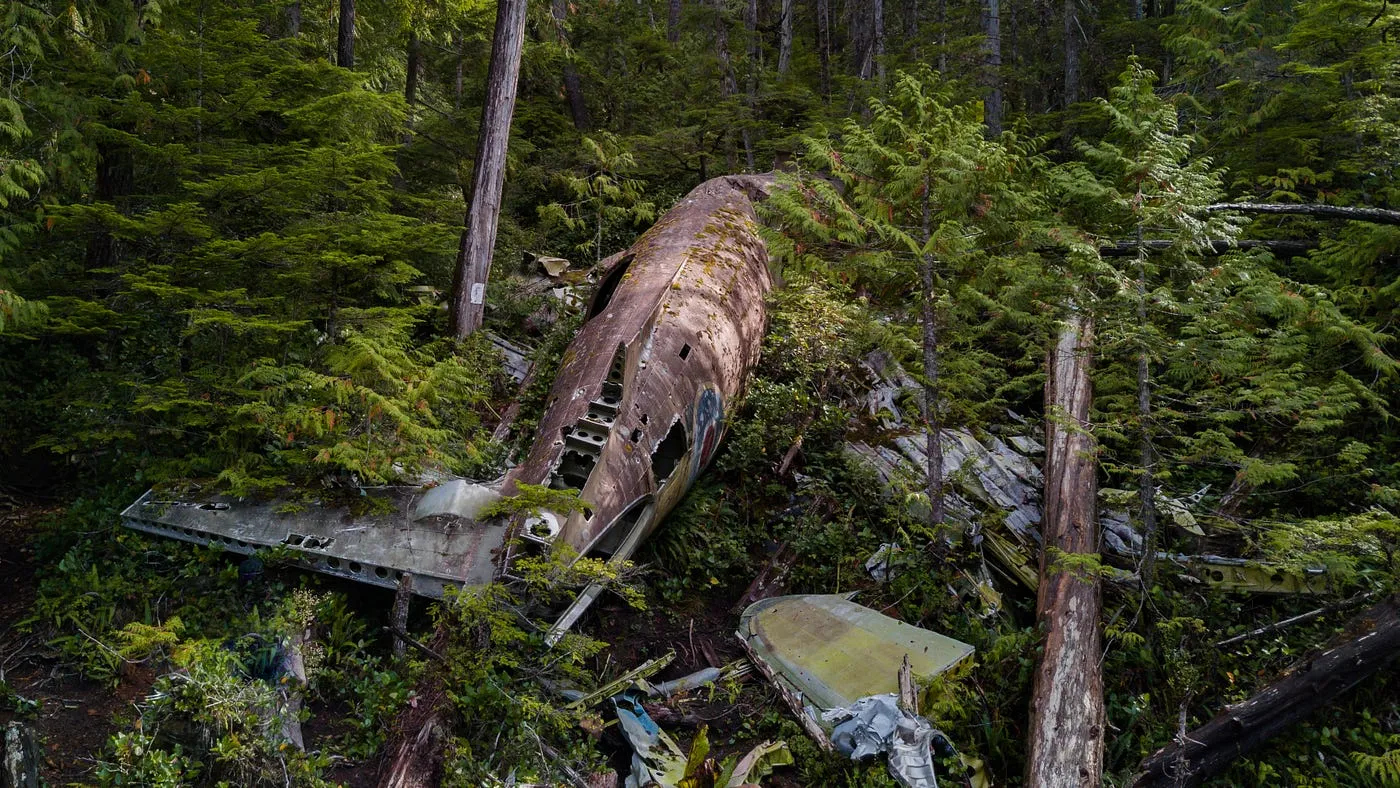
Plane wreckage covered by the jungle. Photo: Lennart Heim / Unsplash
Peru’s first biological station
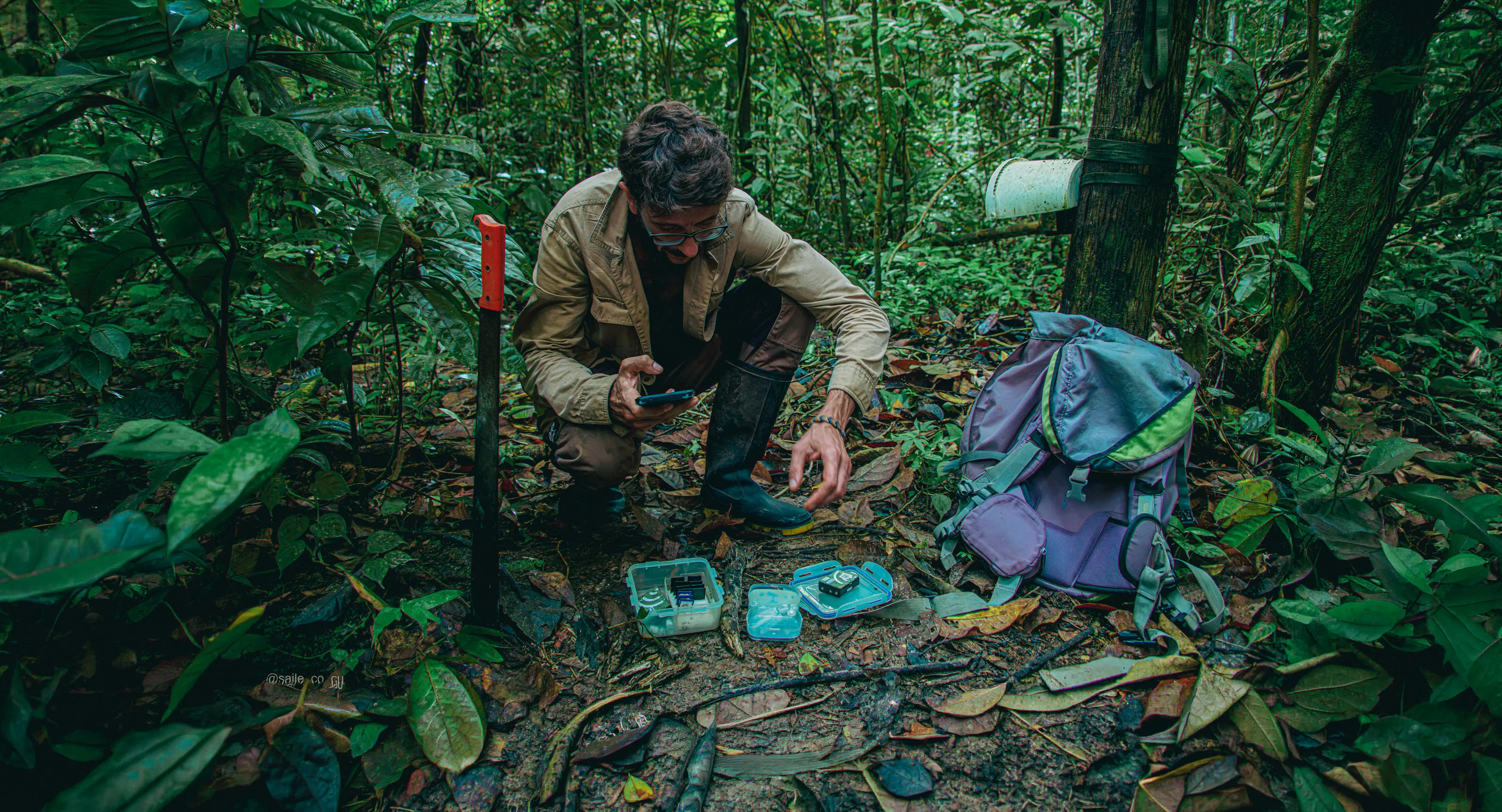
Panguana is the oldest biological station in Peru, a nature reserve located in the district of Yuyapichis, in the province of Puerto Inca, Huánuco. Over nearly 60 years it has hosted scientists from around 30 countries and supports long-term studies on biodiversity, Amazonian ecosystems and climate, along with environmental education and restoration programs. Since 2011 it has also been a Private Conservation Area recognized by Peru’s Ministry of the Environment, covering [XX] hectares, with a wider zone managed by the foundation that protects a continuous ecosystem of up to 700 hectares in total.
This forest is home to more than 600 species of vertebrates, including jaguars, pumas, ocelots and monkeys, and some 353 bird species such as eagles, curassows and the curl-crested aracari. There are around a hundred mammal species, 78 amphibians and 53 species of bats. Some 500 tree species, among them mahogany, cedar and kapok. Plus more than 300 kinds of ants and 232 kinds of butterflies. All of this richness, documented through decades of research, is now under serious threat from the unchecked spread of illegal mining in Huánuco.
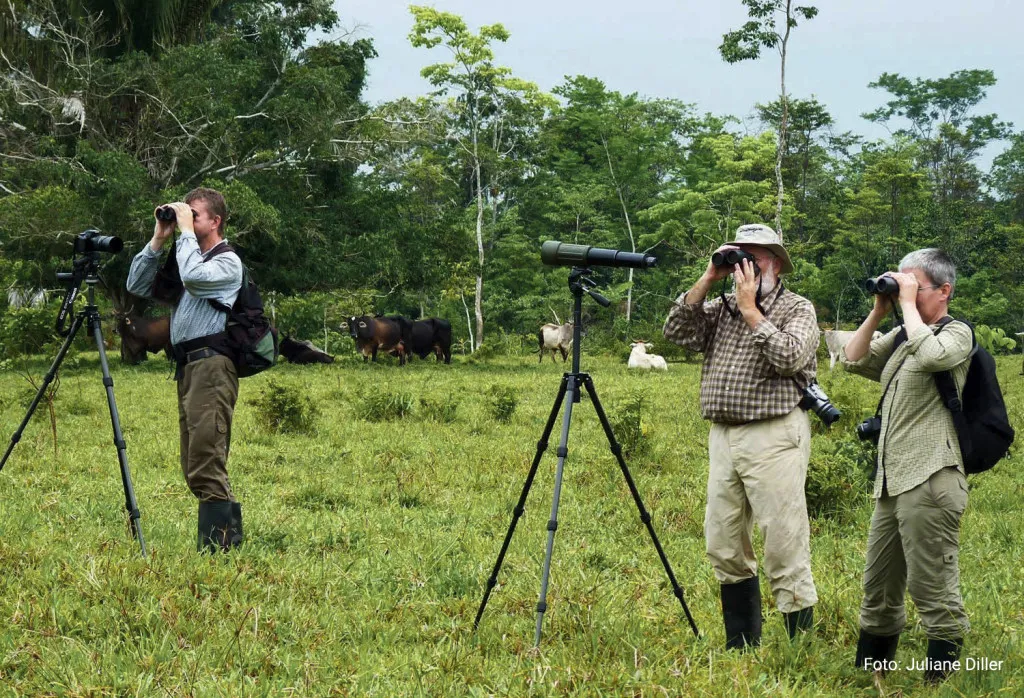
Birdwatchers at the biological station. Photo: Julianne Diller

The hoatzin, one of the species that live in Panguana. Photo: Angus Pritchard / eBird
“
Amost 100 hectares have been affected by forest loss, illegal roads and mining activity.
Koepcke described the scale of the damage at the event “Panguana Under Threat,” held in Lima in October and organized by GRADE’s Resilient Amazon initiative, the Panguana Foundation, the German Embassy and the Illegal Mining Observatory. Using satellite images, she showed that since 2025 alone, almost 100 hectares have been affected by forest loss, illegal roads and mining activity.
Fernando Malatesta, the foundation’s representative in the area, also delivered a moving message at the event. “We got a response from the Yuyapichis police, but sadly it wasn’t in our favor. It was in favor of illegal mining. Instead of feeling protected by the State, honestly, we have felt abandoned.”
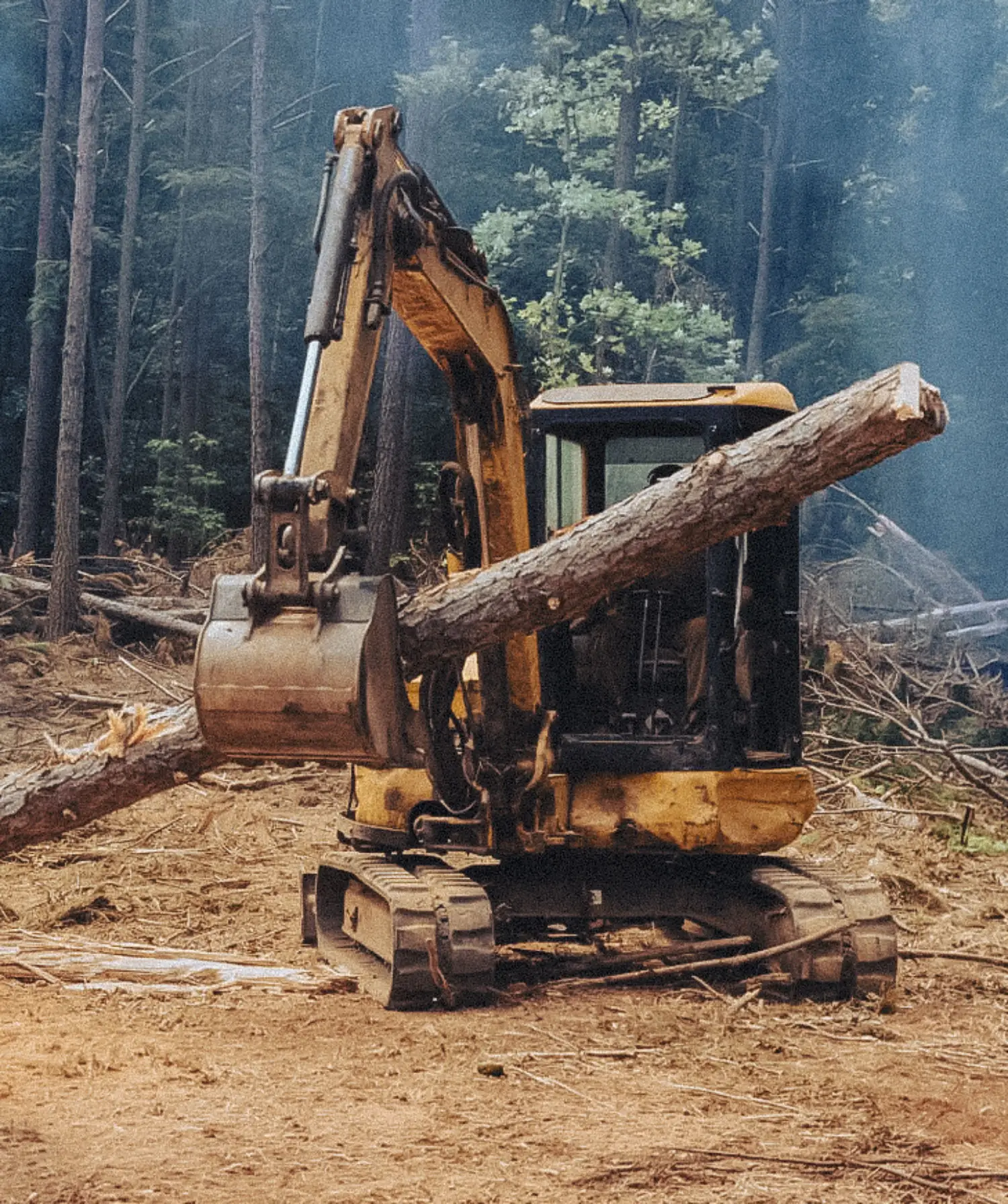
According to the Panguana team, the miners arrived “overnight.” Drone footage released by the foundation showed up to 30 excavators operating in the area around the station alone. Earlier this year, Panguana’s lawyer, César Ipenza, described the river as “practically dead.”
After receiving multiple death threats, researchers, students and staff had to leave the station for their safety, and the research stopped with them. The foundation was forced to hire private security to keep machinery out of some areas, but Koepcke warns they don’t have the resources to keep paying for it over time.
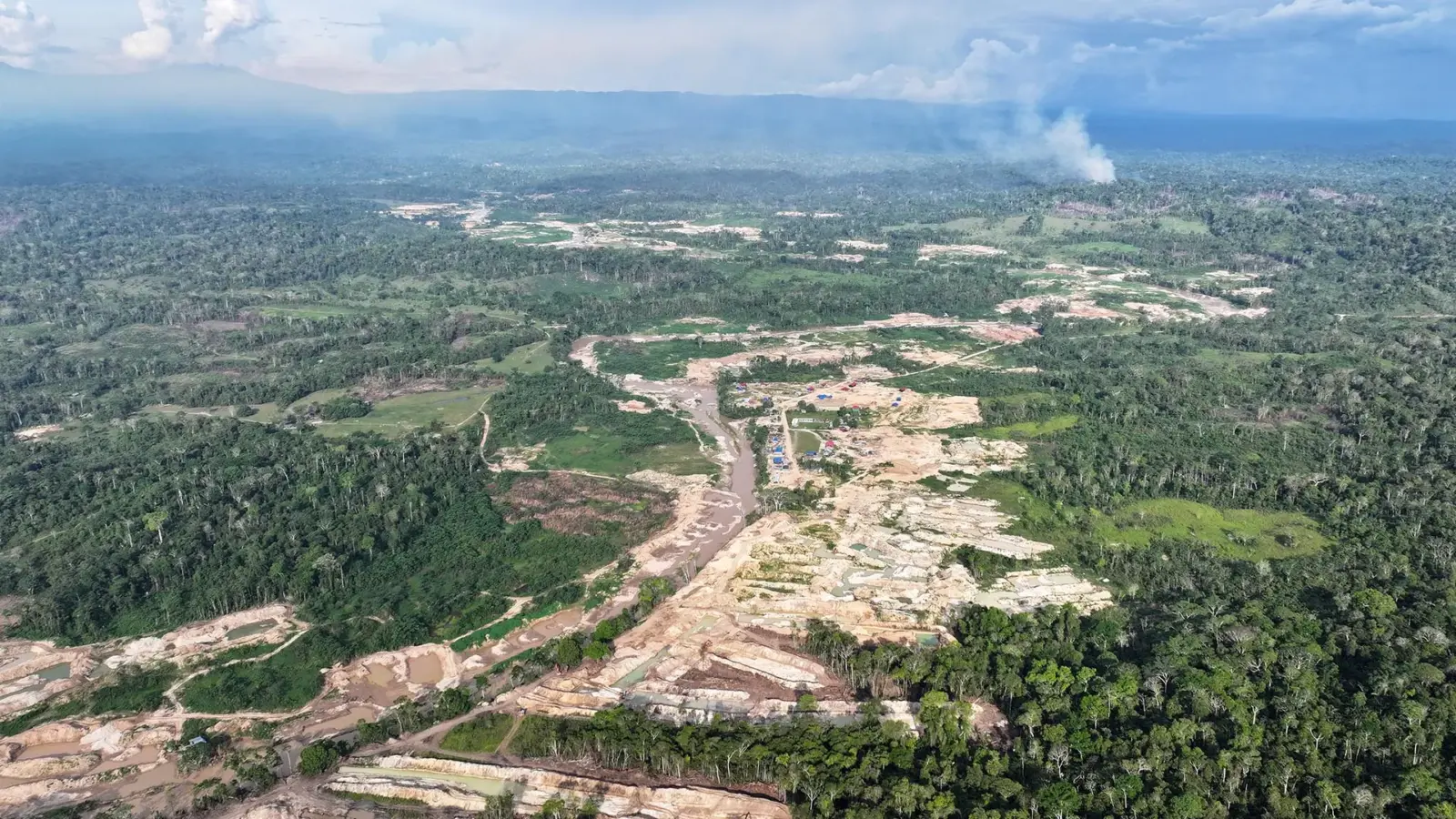
Photo: Dr. Armin Niessner, Panguana Foundation
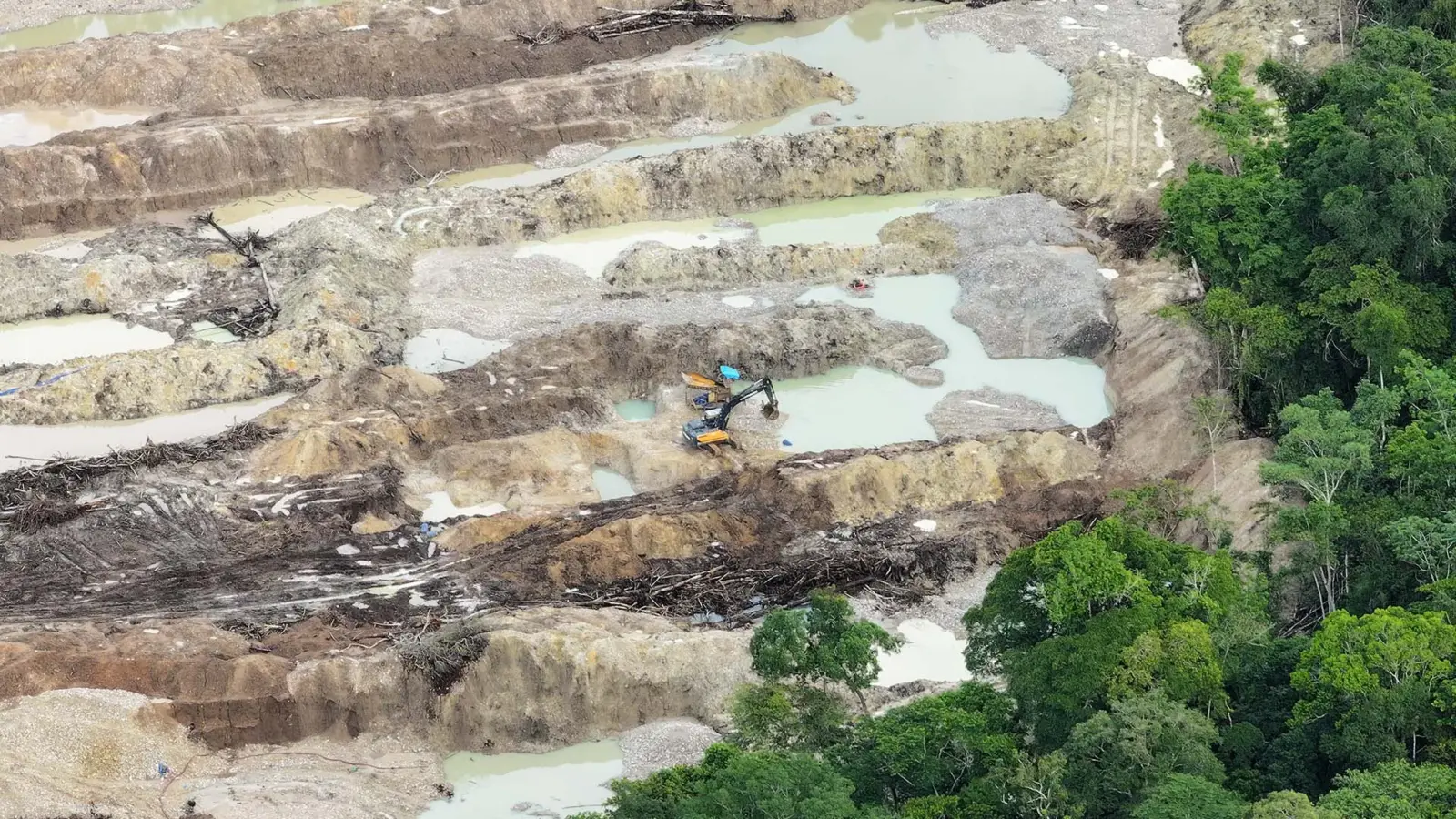
Photo: Dr. Armin Niessner, Panguana Foundation
“
Days after the meeting, the Obras and Juntos por el Perú caucuses have introduced bills in Congress to extend Reinfo until 2028.
Panguana’s demand
The High Commissioner for Combating Illegal Mining, General Raúl Hoyos, acknowledged that interdiction operations were carried out in the area in 2025, destroying excavators, camps and water pumps. He announced that he will seek to set up a mobile river checkpoint with the Peruvian Navy and later evaluate a permanent one.
Mariano Castro, director of GRADE’s Resilient and Just Amazon initiative, called for guaranteeing the safety of Koepcke and her team, going after those who finance the machinery and remediating the river. He argued that “the value of Panguana certainly warrants a dedicated checkpoint.”
Castro also criticized the unconditional extensions of the Comprehensive Registry for Mining Formalization (Reinfo). Days after the meeting, the Obras and Juntos por el Perú caucuses have introduced bills in Congress to extend Reinfo until 2028, a registry that the Ministry of Energy and Mines itself considers a legal umbrella for illegal mining.
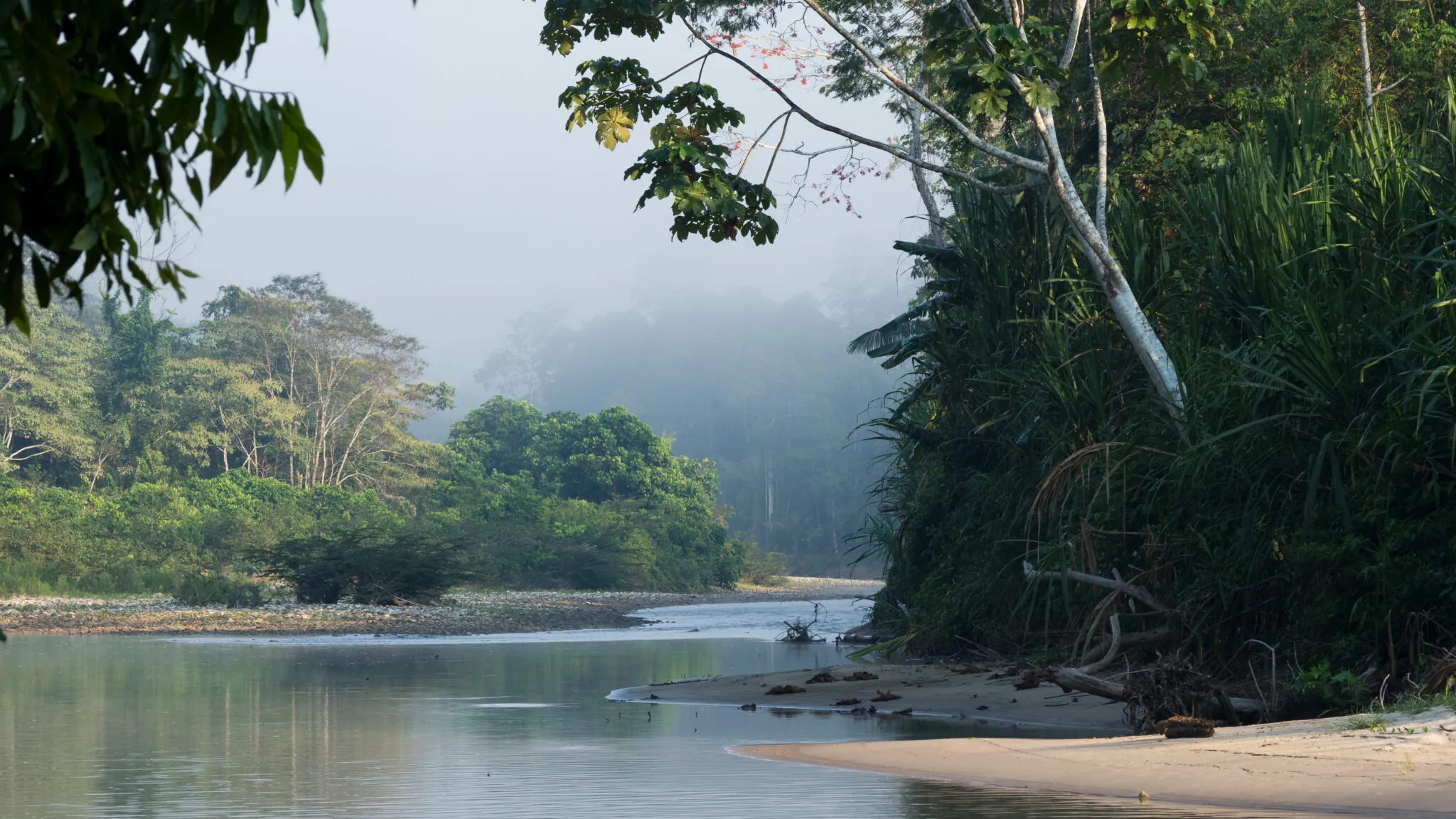
Photo: Dr. Armin Niessner, Panguana Foundation
other articles