
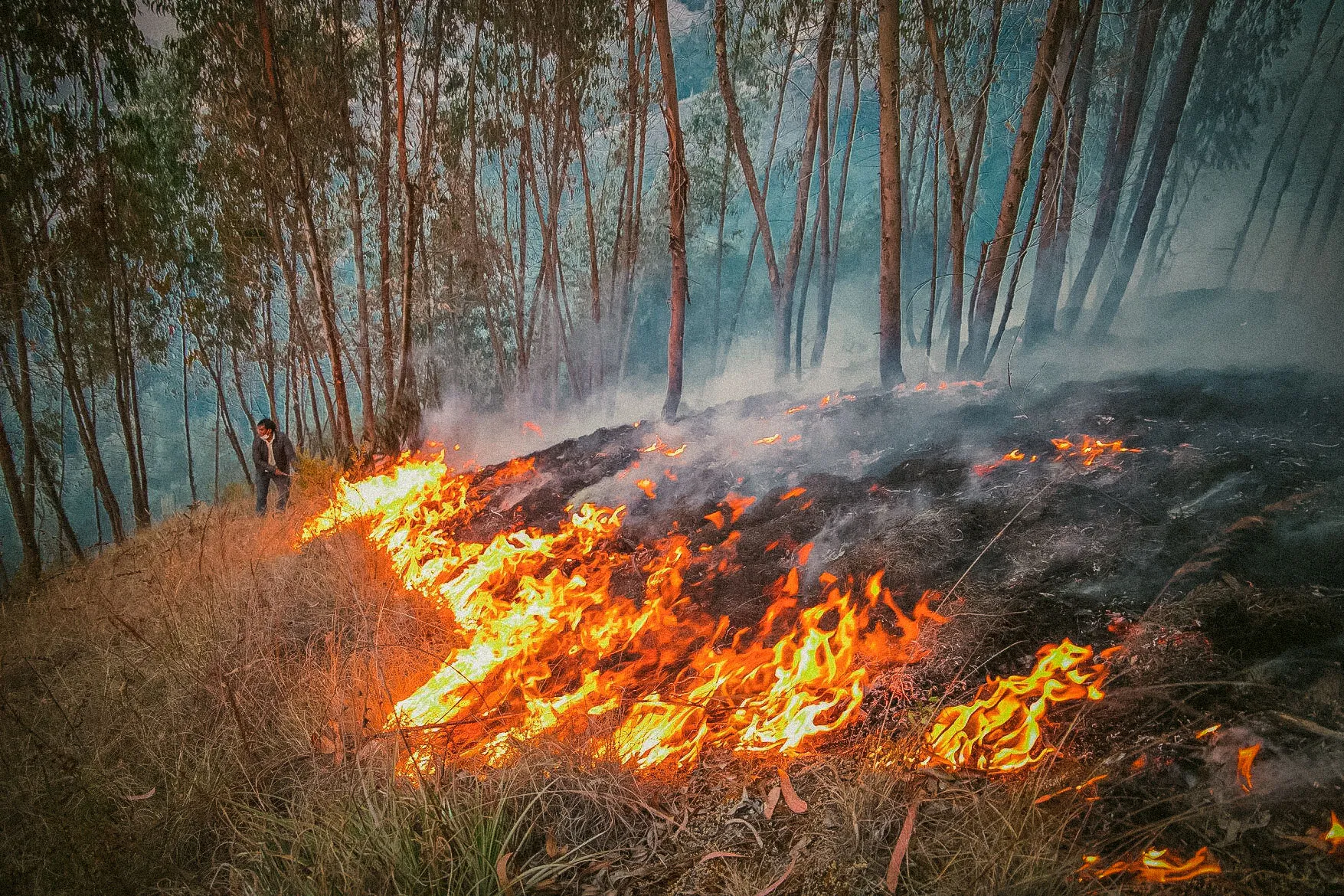
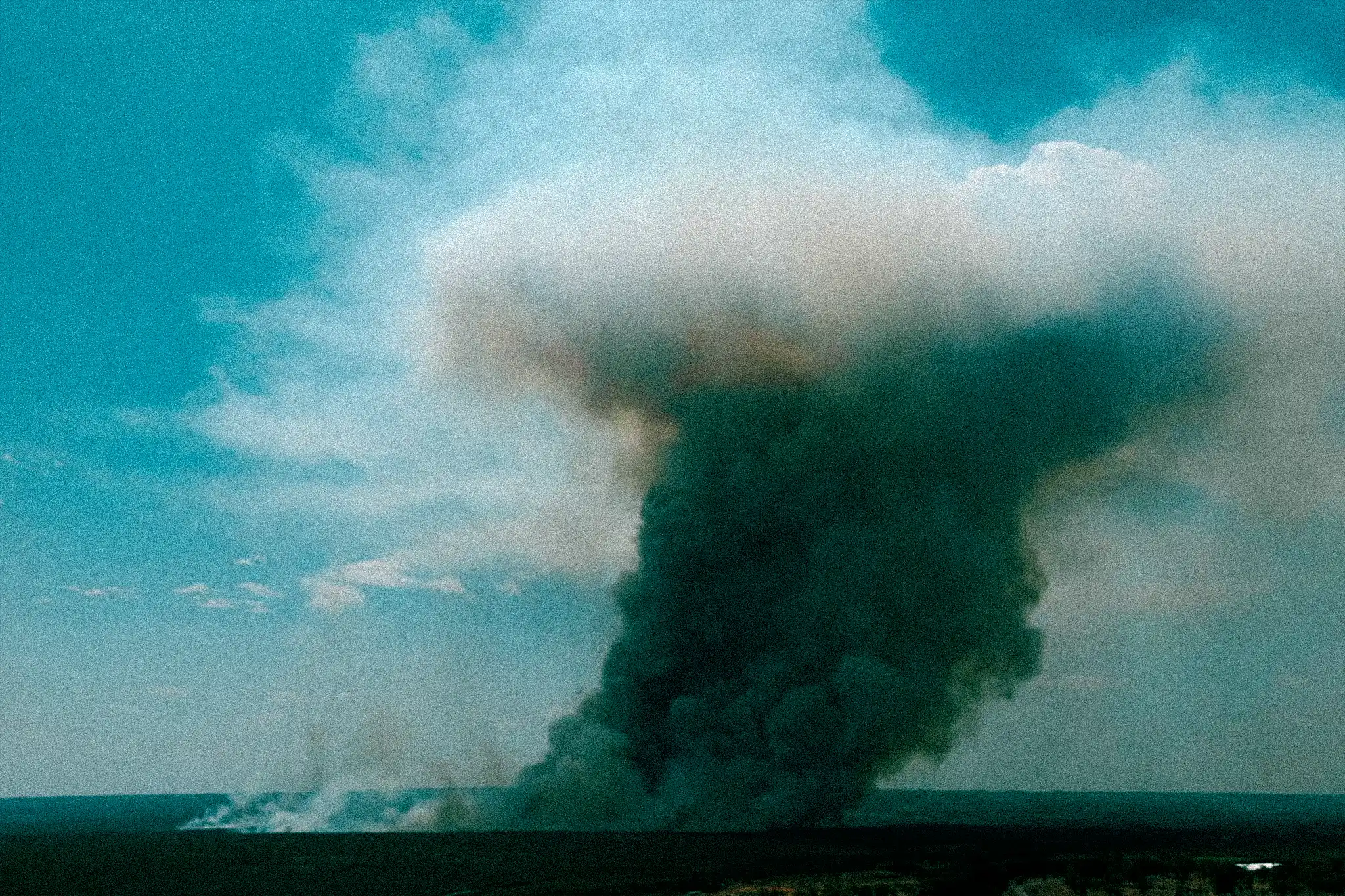
Since records began, fires had never been as extensive, as severe, or covered as much territory as in the historic crisis of 2024. At the peak of the catastrophe, 7,821 hotspots were active simultaneously across Bolivia, Brazil, Paraguay, Argentina, and Peru, according to data from the Brazilian National Institute for Space Research (INPE). In total, the fire ravaged 2.8 million hectares of tropical forest, over a million more than the 2016 record.

It Is Not Natural for the Amazon to Burn
The Amazon is one of the most humid regions on the planet, a place where fire, under normal conditions, does not take hold. The roughly 390 billion trees that inhabit it release 20 billion tons of water into the air every day. The immense amount of water the trees transpire combines with the vapor that arrives from the Atlantic. Together they form the flying rivers, vast currents that the wind carries until they fall as rain thousands of kilometers away. 670 million people in Latin America depend on that invisible cycle.
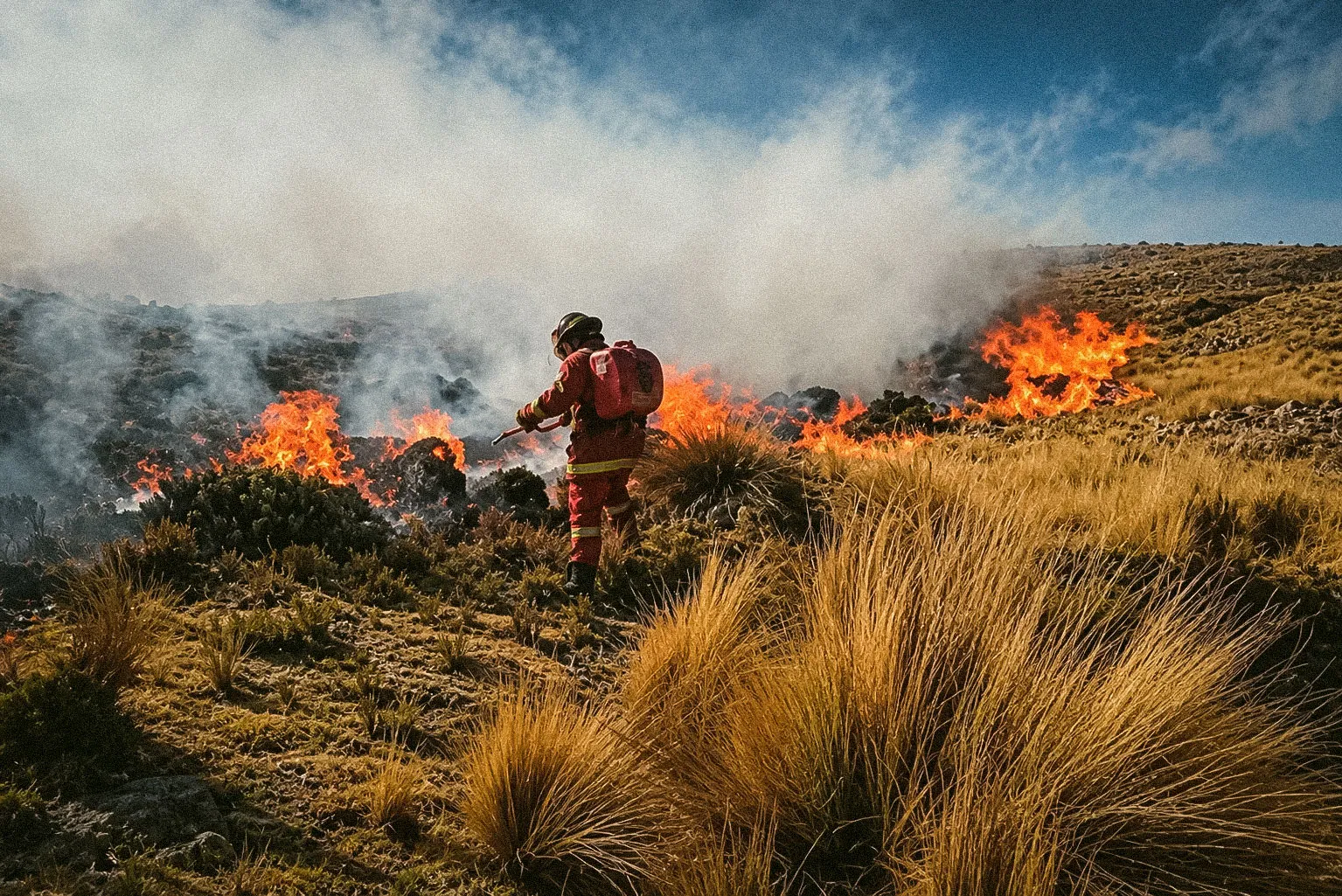
But when this balance breaks, fire advances. The drought that gripped the Amazon in 2024, the worst in more than half a century, was driven above all by climate change, with El Niño as an aggravating factor, according to the World Meteorological Organization. On top of this, across the region, the vast majority of fires are human in origin. In Peru they account for 98%, according to the Ministry of the Environment.
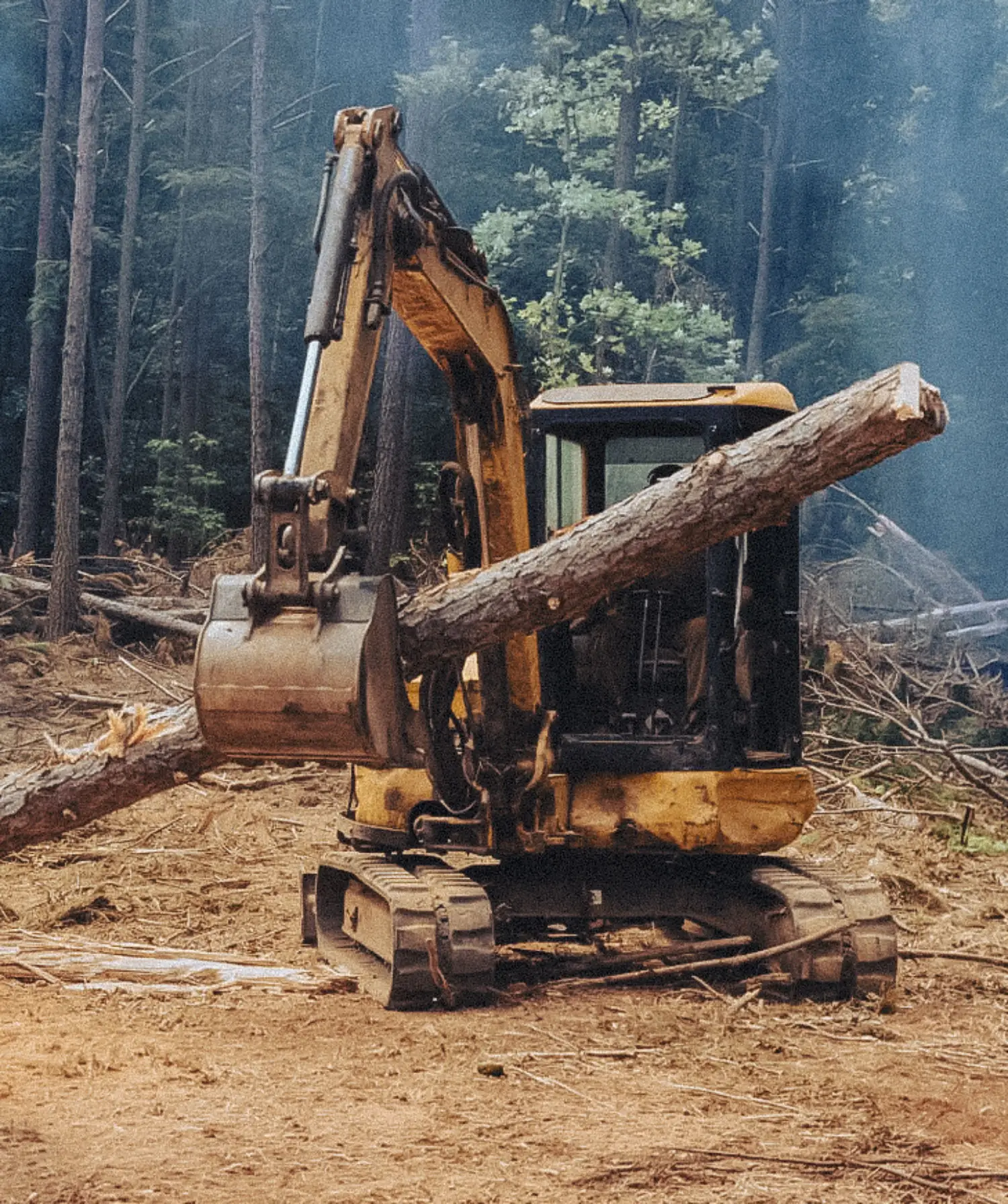
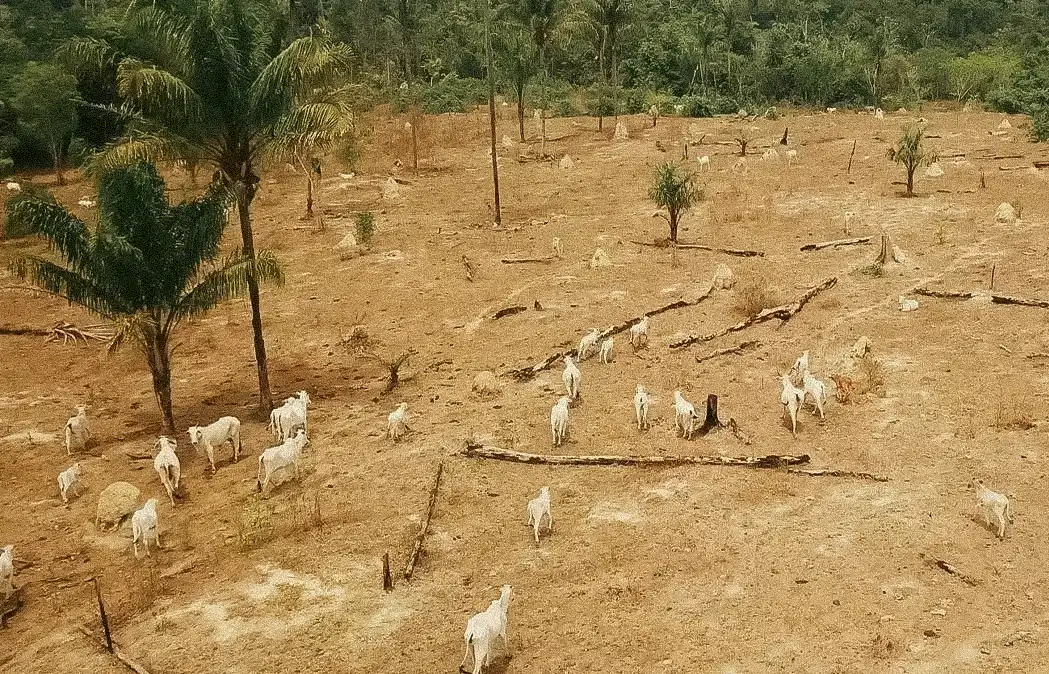
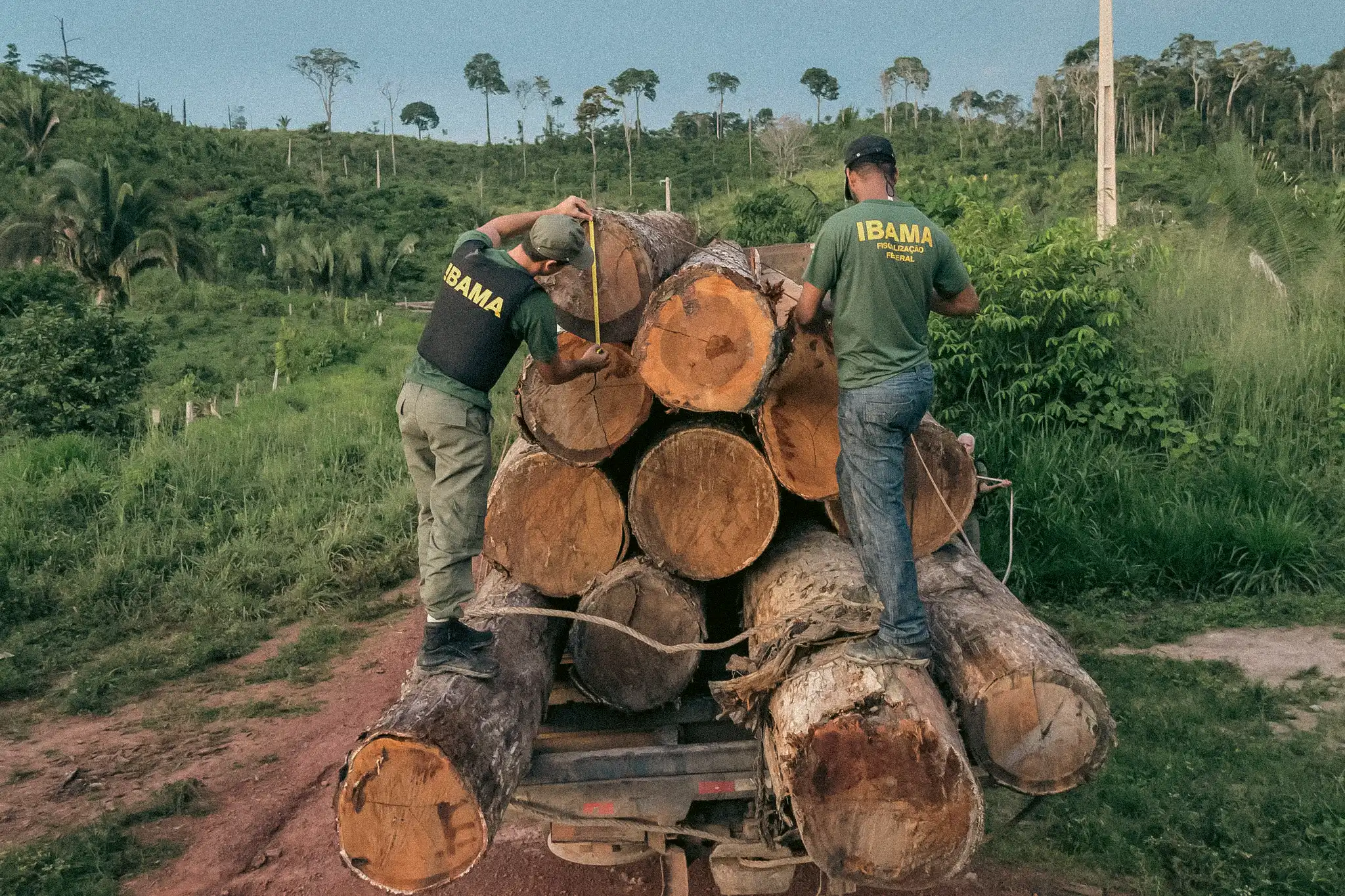
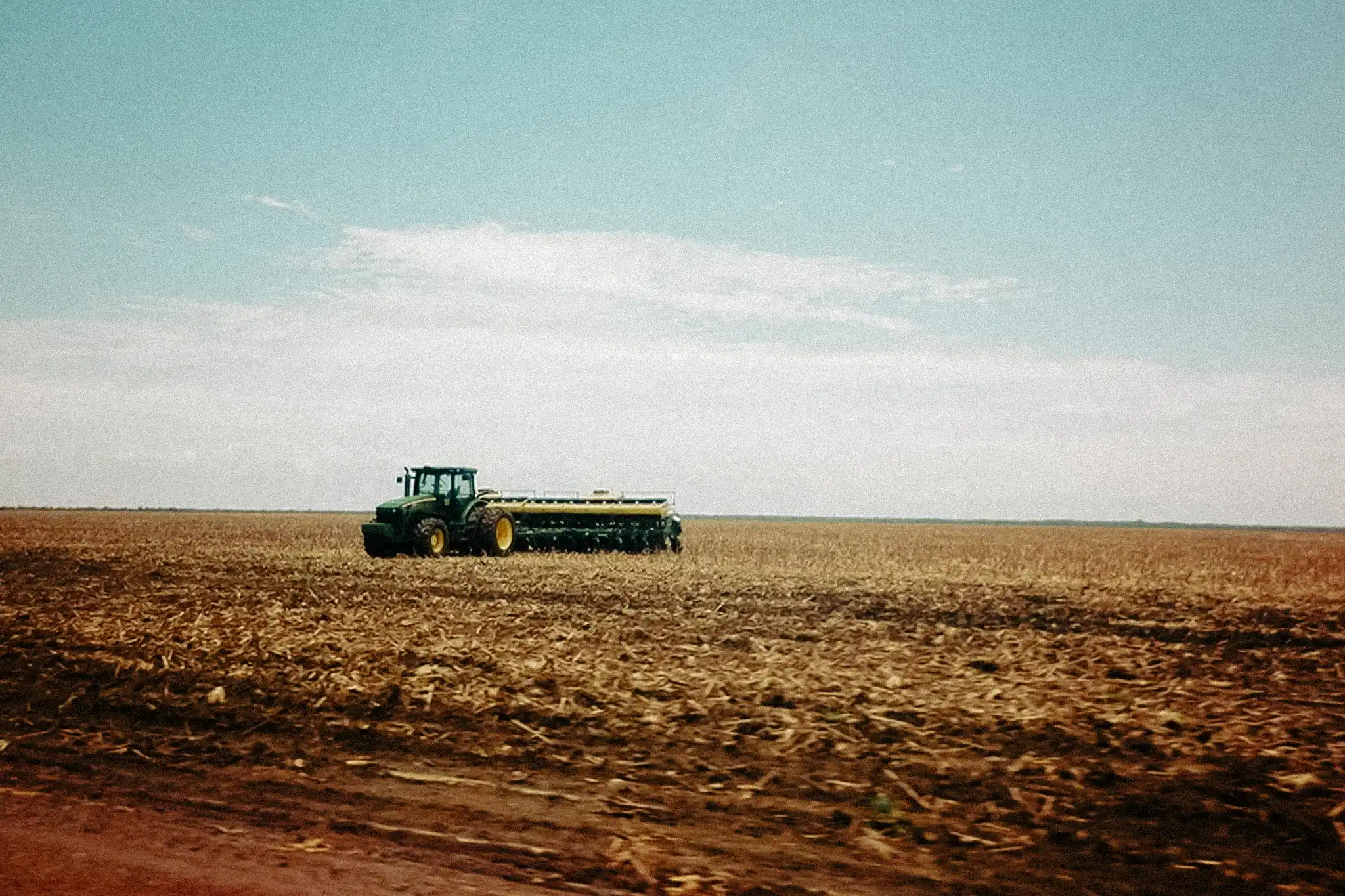
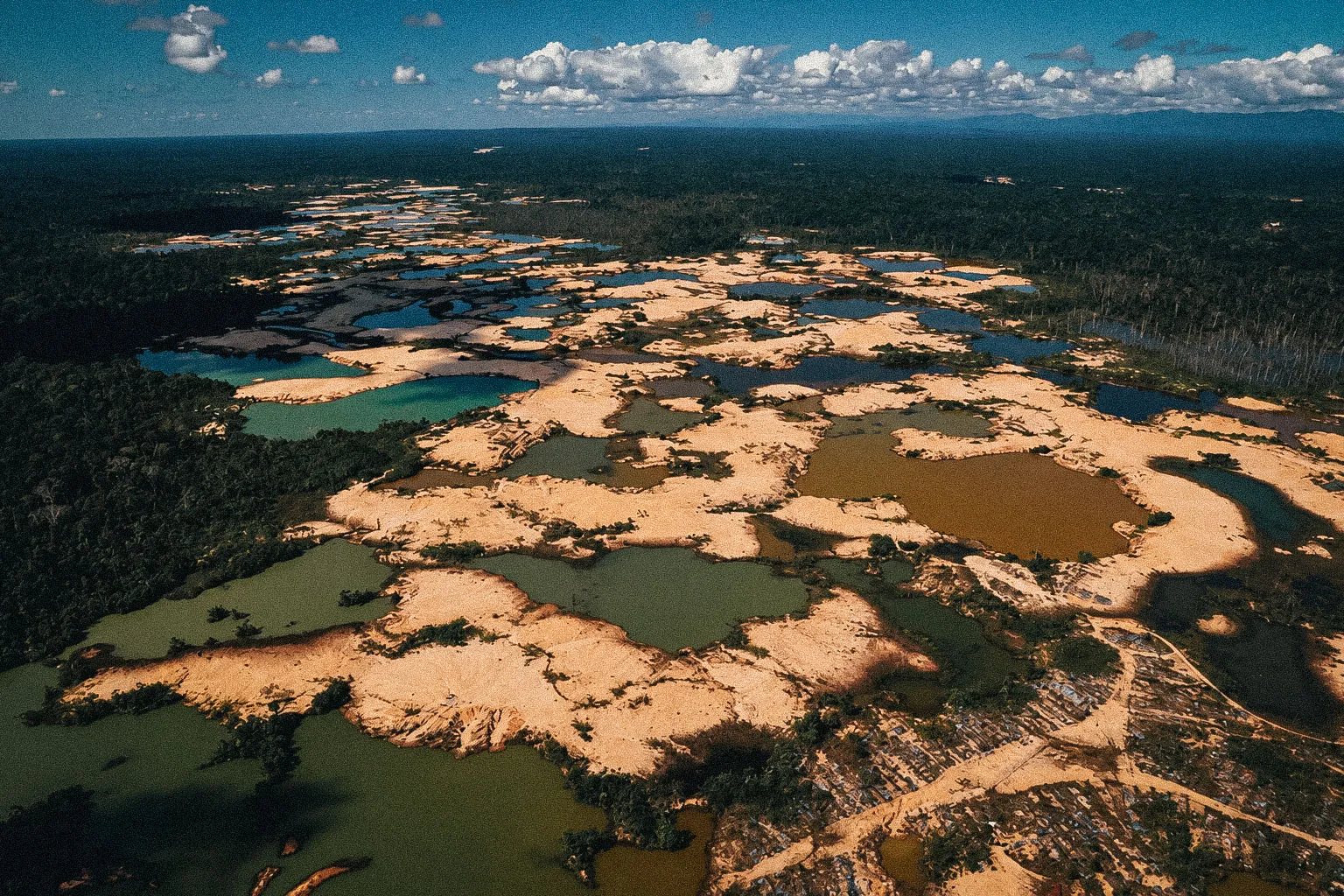
Behind that hand lies a model that measures the Amazon by the square meters that can be wrung from it for production. For industries like cattle ranching and agribusiness, burning is the fastest and cheapest way to clear land and maximize their profit margins. In 2024, with environmental regulations weakened across several countries and, in Peru, with the Anti-Forest Law taking effect, that model operated unchecked.
The losses in Peru
In Peru, fire reached 22 of the 24 regions. Even so, the government took weeks to declare a state of emergency in Amazonas, San Martín, and Ucayali. Twenty people lost their lives, and an estimated 17,000 more were affected. Wildlife losses are estimated at 370 animals, including endemic and endangered species. The forest fire prevention and reduction plan run by SERFOR expired in 2022 and was never renewed.
The Green Wave: From outrage to action
When the fire goes out and the cameras leave, the real challenge is just beginning. The figures of devastation and the lack of official prevention plans made it clear that documenting the crisis was no longer enough. The emergency demanded tangible solutions.
Restoring means understanding the logic of each ecosystem before intervening, because each one lost something different and needs something different to function again. And the animals that survived the fire, hundreds of them, need specialized care. A primate does not recover the same way as a bird, and a species under severe stress can worsen due to mishandling. None of this is easy, and yet, it is worth it. Nature has an extraordinary capacity to regenerate, and our role is to support and defend it.
That is why we joined La Ola Verde together with Yunkawasi, an organization with 17 years of work in biodiversity conservation, with the goal of turning donations into technical, sustained responses.
Our coverage reached more than 7 million people on social media and, thanks to the support of those who joined La Ola Verde, we raised more than $42,000 in donations for Yunkawasi. 100% of that amount was turned into:
- A rescue center for wildlife affected by the fire, set up as permanent infrastructure for species rescued from illegal trafficking.
- 8 community forest brigades trained in wildfire prevention and response across 8 localities, each equipped with full forest-firefighter gear.