
Hace unos 200 mil años, los primeros Homo sapiens habitaban África, la cuna de la humanidad. Desde allí, pequeños grupos comenzaron a desplazarse hacia Europa y Asia.
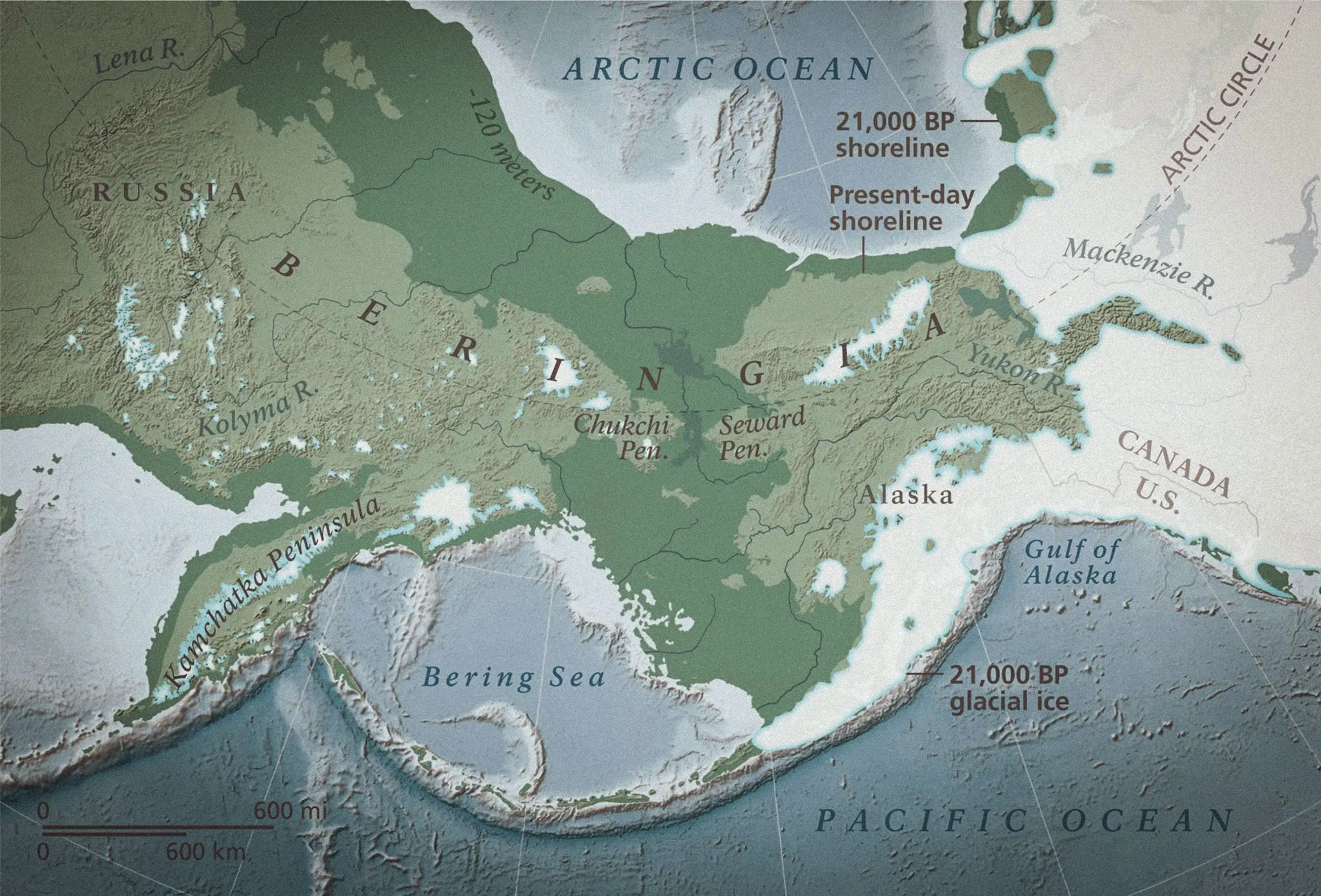
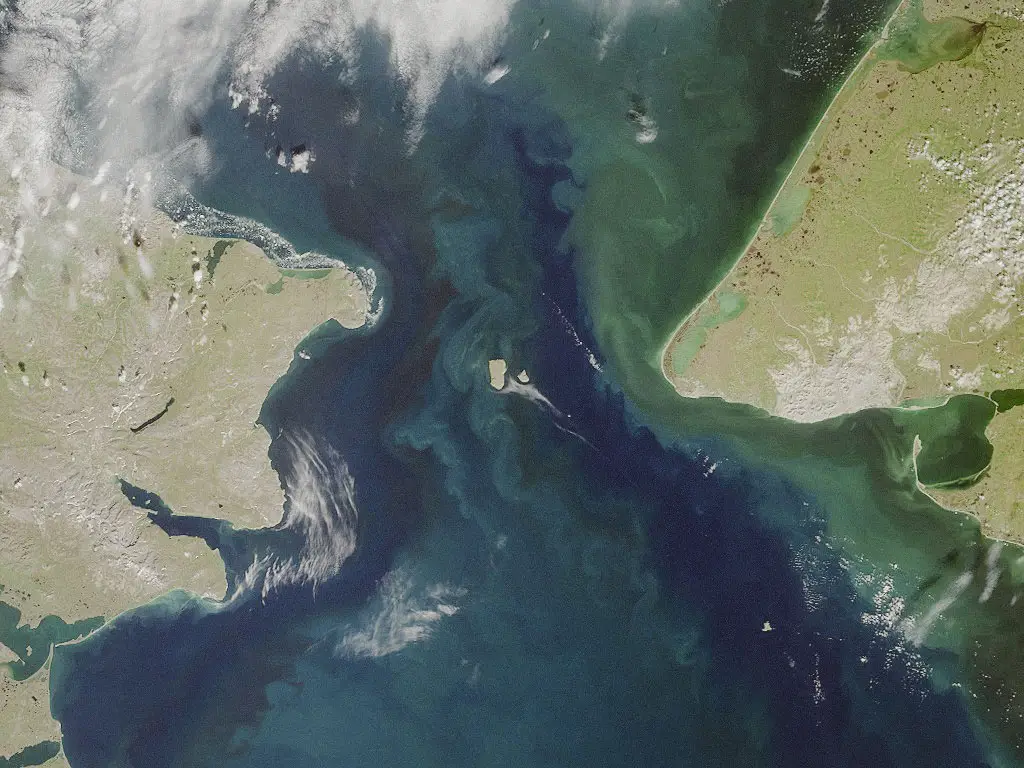
Durante la última glaciación, el nivel del mar descendió hasta 120 metros y dejó expuesto un territorio que hoy permanece bajo el agua: el puente de Beringia. Por esa franja de tierra habrían cruzado algunas de las primeras poblaciones que llegaron al continente americano. Esta es una de las muchas hipótesis que intentan explicar cómo los homo sapiens llegamos a esta región.
¿Y qué tiene que ver eso con los llamados “ojos rasgados”?
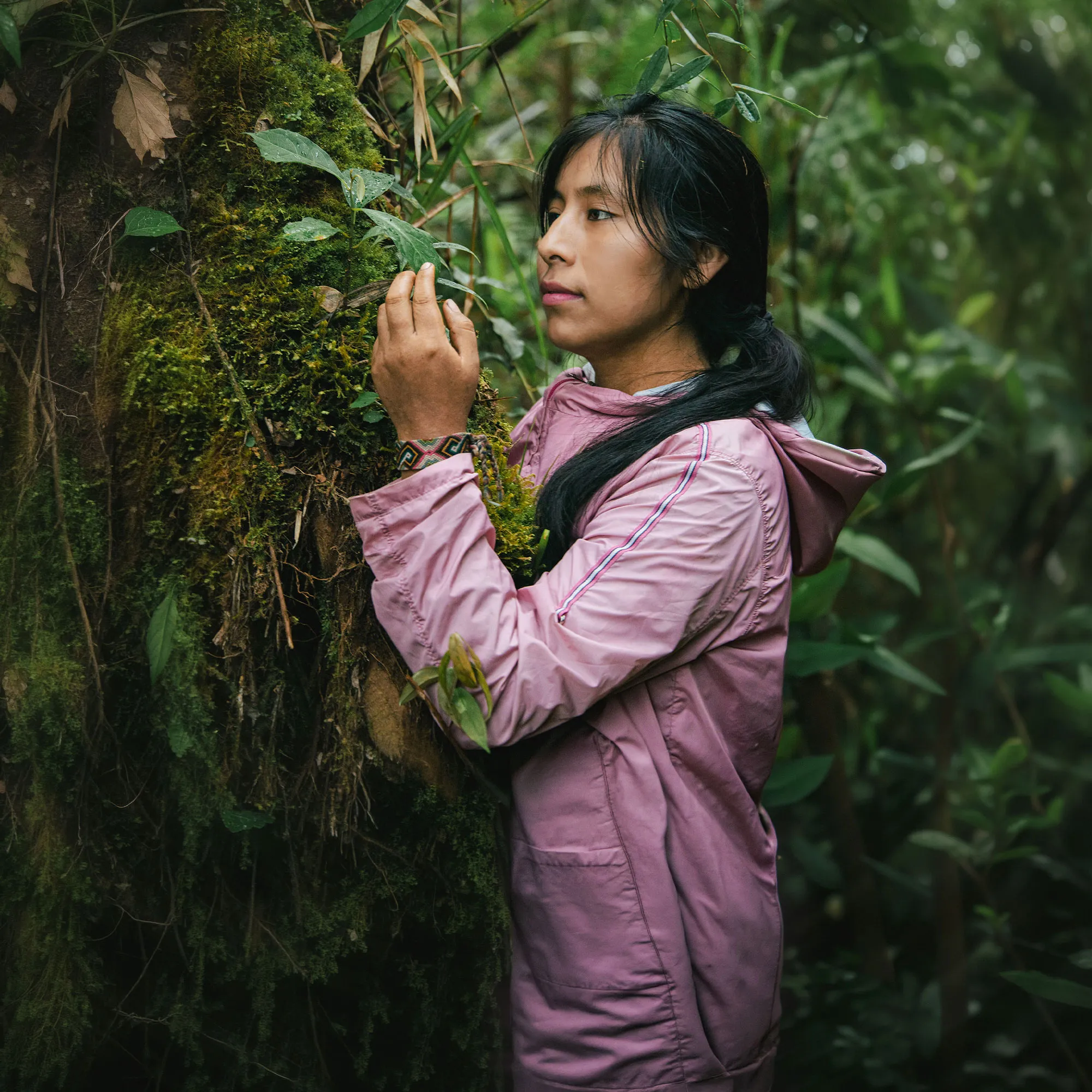
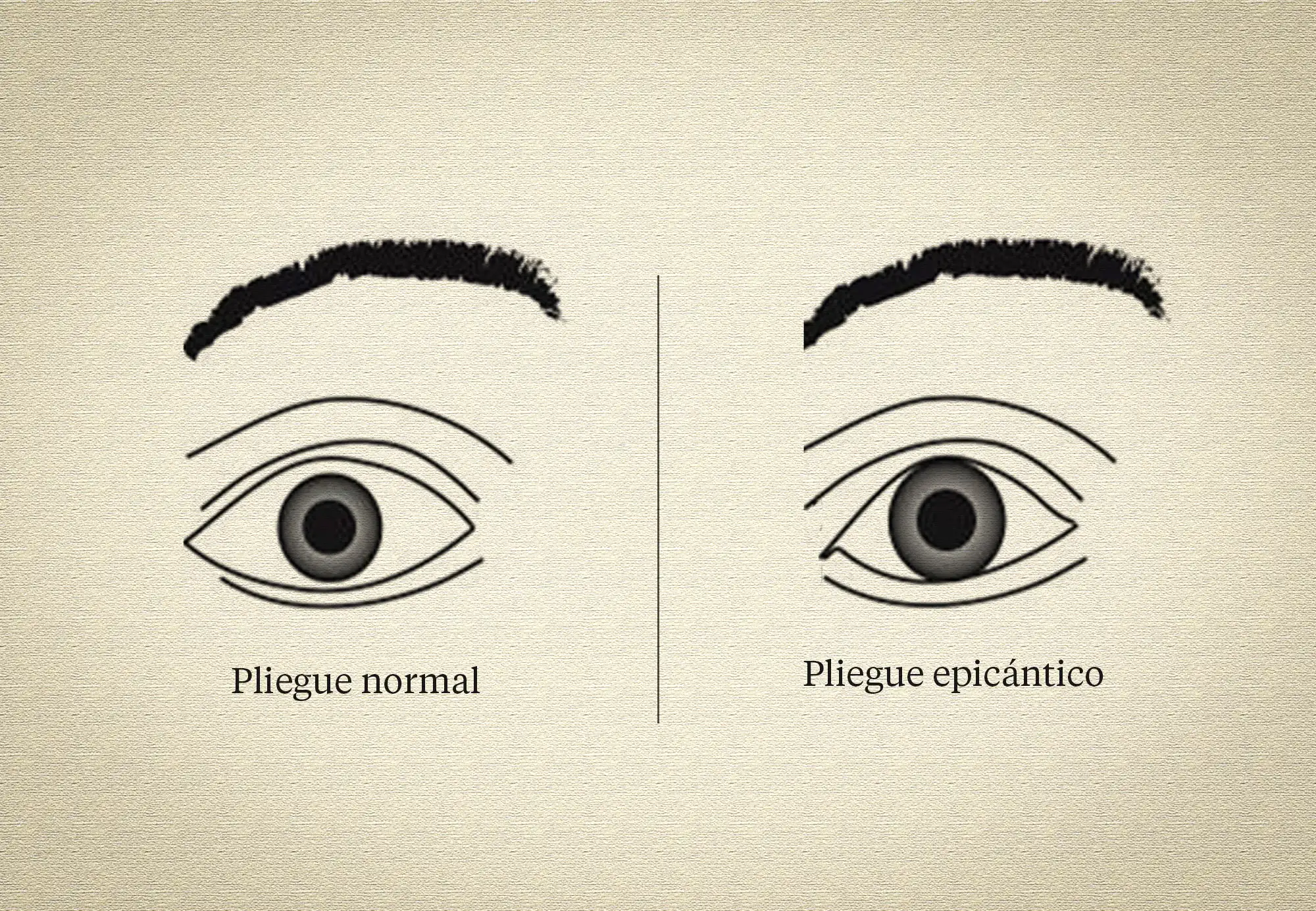
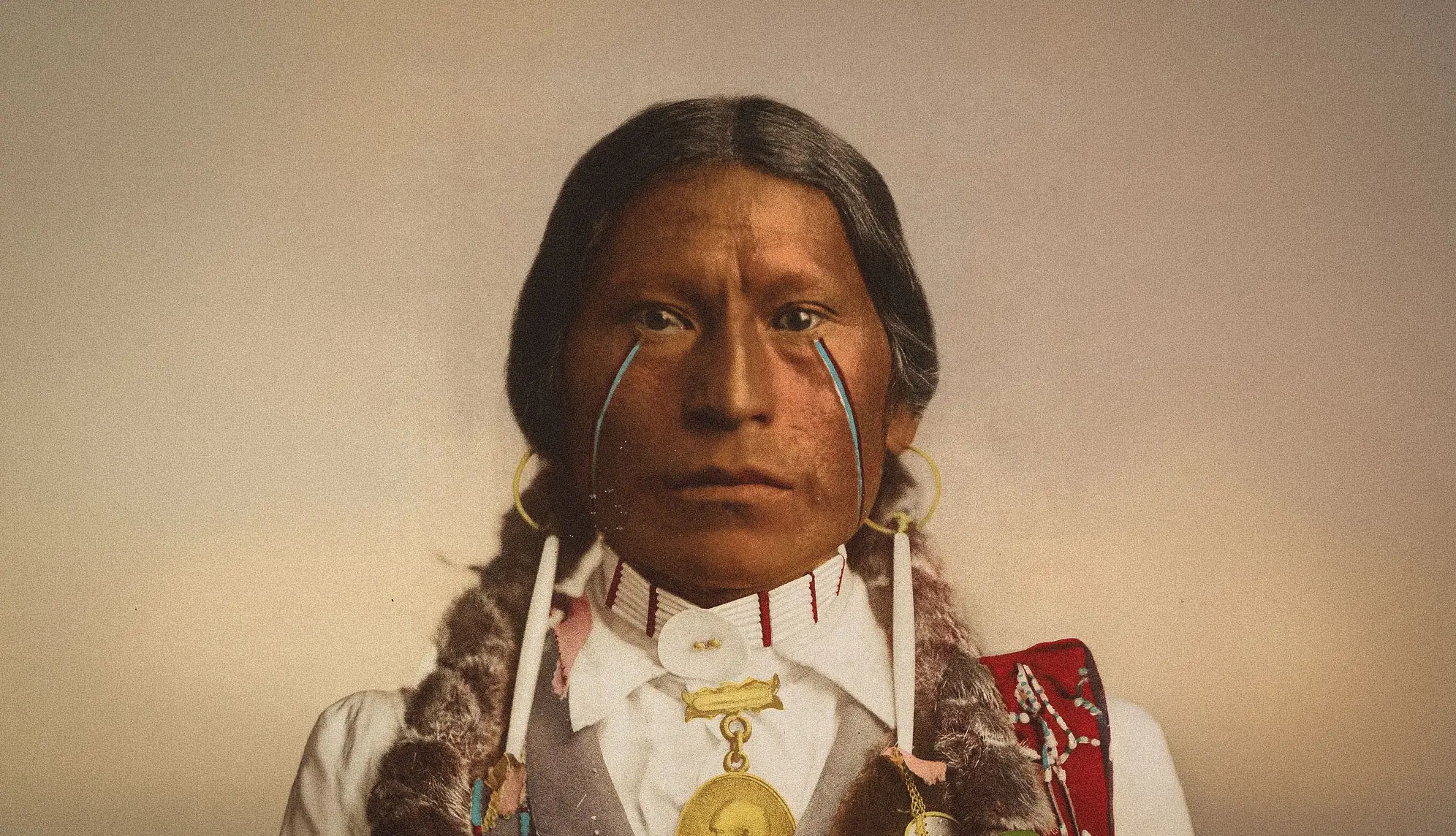
La respuesta podría encontrarse, en parte, en estas migraciones. Algunos pueblos indígenas de América presentan el pliegue epicántico, un rasgo anatómico del párpado superior que da a los ojos una apariencia rasgada. Si parte de los primeros pobladores del continente llegó desde Asia, es posible que determinadas características genéticas presentes en esas poblaciones hayan perdurado entre sus descendientes hasta la actualidad.
Nos adaptamos a entornos extremos
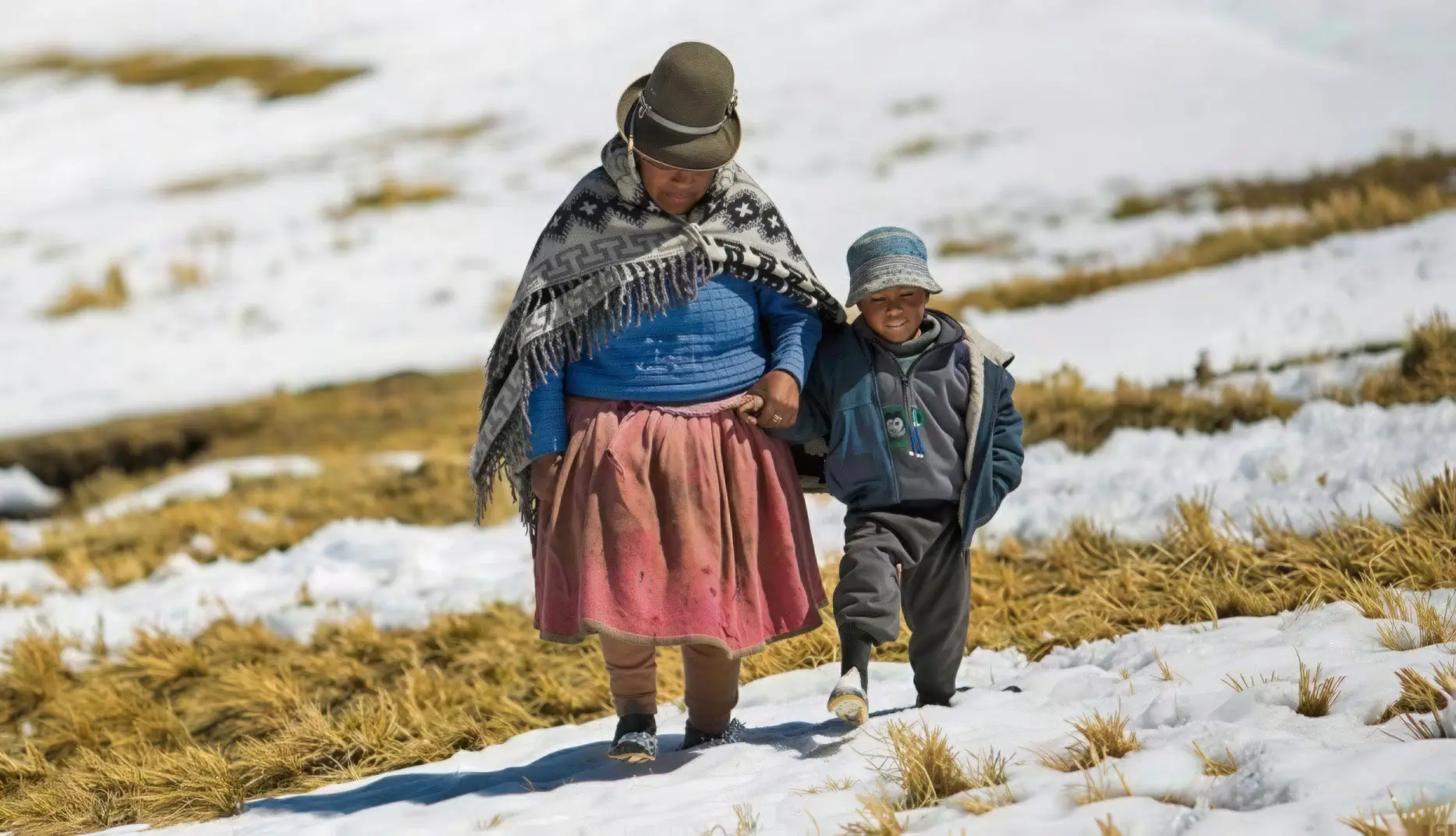
Otra hipótesis apunta a la selección natural. En biología, las condiciones ambientales pueden influir en la frecuencia de determinados rasgos físicos dentro de una población. Algunos investigadores han planteado que el pliegue epicántico pudo ofrecer cierta protección adicional para los ojos en entornos con intensa radiación solar, fuertes vientos y una elevada reflexión de la luz sobre la nieve.
En los Andes, por ejemplo, está bien documentado que las poblaciones humanas han desarrollado diversas adaptaciones para vivir en ambientes extremos. En los Andes, por ejemplo, se han observado cambios fisiológicos asociados a la vida en altura, como una mayor capacidad pulmonar y diferencias en la forma en que el organismo transporta y utiliza el oxígeno. Estas características son el resultado de largos procesos de adaptación a condiciones exigentes.
Las hipótesis de migración y adaptación no se excluyen entre sí. Es posible que ambas hayan contribuido, en distinta medida, a la distribución actual de este rasgo.
El estudio genográfico peruano
Entre 2005 y 2015, la National Geographic Society impulsó el Proyecto Genográfico, una iniciativa global que analizó muestras genéticas de más de 830 mil personas en 140 países con el objetivo de reconstruir las rutas migratorias de nuestra especie.
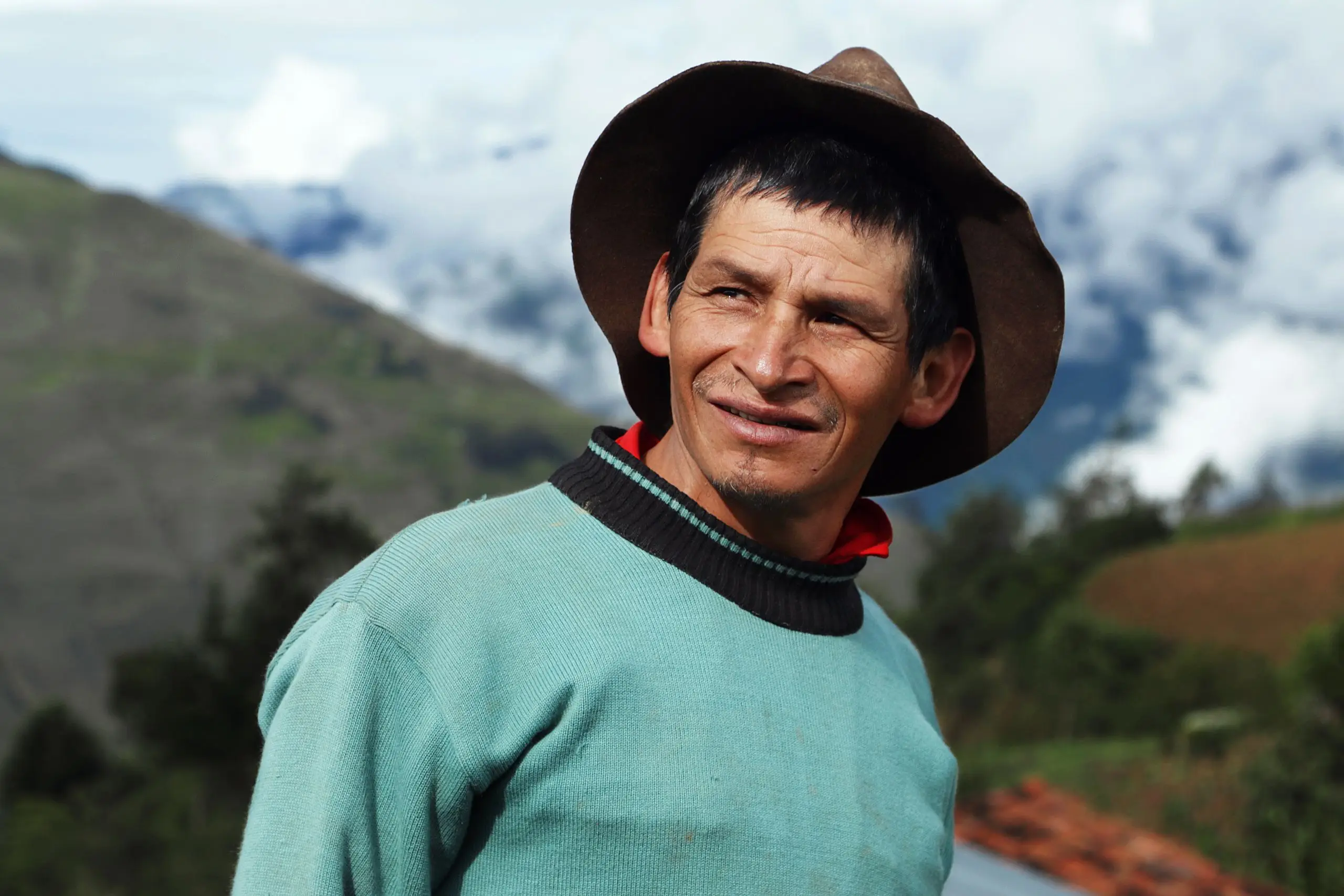
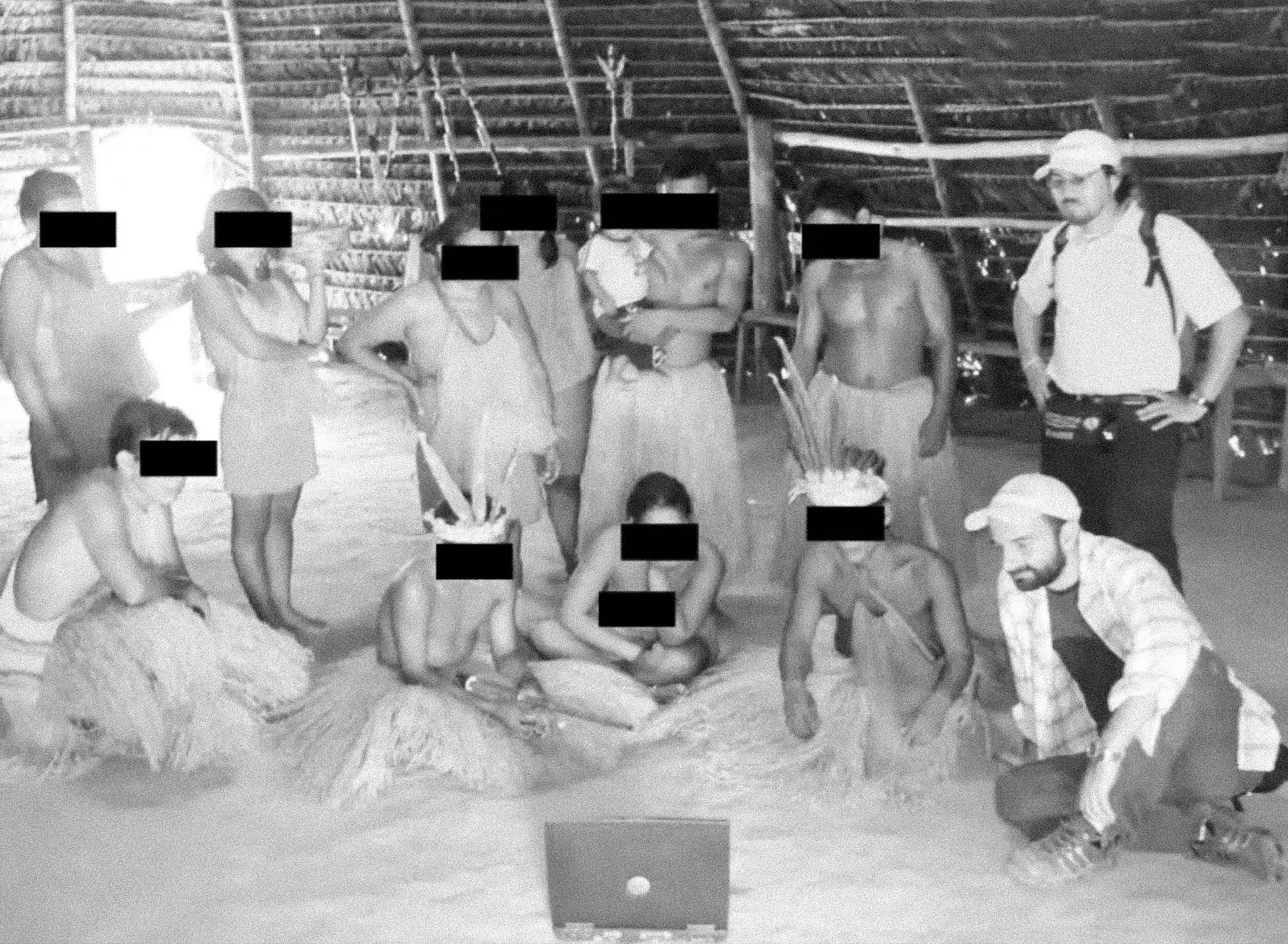
En el Perú, estudios realizados por el biólogo y genetista molecular Ricardo Fujita estiman que alrededor del 70 % del genoma promedio de la población tiene ascendencia indígena. En Lima, la cifra rondaría el 68 %, mientras que en algunas regiones andinas llegaría hasta el 95 %. Detrás de estos porcentajes hay una historia de continuidad que conecta a millones de peruanos con los primeros pobladores del continente. Como señala Fujita, “si metemos a todos los peruanos en una licuadora, el 70 % de nuestro genoma es indígena y andino”.

No somos tan distintos
Desde el punto de vista biológico, el concepto de “raza” no tiene sustento científico. Las diferencias físicas entre poblaciones humanas responden a miles de años de adaptación a distintos ecosistemas. Todos los humanos comparten un origen común en África.
A nivel cultural, la identidad peruana es el resultado de múltiples procesos históricos; civilizaciones precolombinas, colonización, migraciones y globalización. La genética habla de nuestros orígenes; la cultura refleja cómo esos orígenes dialogan con el presente.
La adaptación humana no solo dejó huellas en nuestros cuerpos. También se expresó en conocimientos desarrollados a lo largo de generaciones para habitar entornos complejos. En los Andes, por ejemplo, el manejo de terrazas agrícolas, sistemas hidráulicos y una gran diversidad de cultivos permitió enfrentar variaciones de temperatura, escasez de agua y otros desafíos ambientales. Hoy, en un contexto de cambio climático, un creciente número de estudios ha encontrado que los territorios gestionados por pueblos indígenas suelen mantener altos niveles de biodiversidad, almacenar grandes cantidades de carbono y registrar menores tasas de deforestación que otras áreas comparables. Estas investigaciones sugieren que los conocimientos desarrollados durante generaciones de interacción con ecosistemas específicos pueden complementar las estrategias contemporáneas de conservación y adaptación al cambio climático
Los llamados “ojos rasgados” son mucho más que un rasgo físico. En ellos también se refleja una historia de migraciones, adaptación y supervivencia que comenzó hace miles de años y que todavía forma parte de quienes somos hoy.
Y esto es solo respecto a una pequeña característica humana que despliega milenios de historia, ¿qué otro tema te gustaría que investiguemos después?