In June 2024, the Indigenous leader Mariano Isacama disappeared. Twenty-four days later, his own people found him on the banks of the Yúrac River, near the town of Aguaytía, with clear signs of torture and a bullet wound. With his death, six defenders of the Kakataibo people have now been killed since 2020.
What happened to Mariano was a symptom of a territory where illicit coca crops advance unchecked and criminal groups tied to drug trafficking have turned ancestral lands into spaces of violence. Who pays the real price of the cocaine produced on this land?
The Market
Cocaine is one of the most profitable illegal businesses in the world. Its production reached historic highs in recent years, around 3,708 tons in 2023, nearly 34% more than the year before, according to UNODC. On the record, Peru ranks as the world’s second-largest producer, behind only Colombia.
The business becomes lucrative through a combination of persistent demand and a price that rises at every stage of the production chain. As with other illicit markets, the risks tied to production, transport, and distribution drive up the final cost and generate extraordinary profit margins for those who control the chain.
On the consumption side, the appeal has a chemical root. Cocaine is produced through an aggressive process that mixes macerated coca leaves with inputs like sulfuric acid, kerosene, and acetone. The result is a substance capable of hijacking the brain’s reward system, with a neurochemical alteration that produces feelings of superiority and overwhelming confidence, and erases fatigue in the short term. Its users worldwide grew from 17 million people in 2013 to 25 million in 2023, concentrated in Europe and North America, where the drug’s high cost and its effects turn it into a symbol of status, glamour, and productivity. At that distance, the violence behind its production seems to dissolve.
Indigenous Kakataibo Leader
Kakataibo Lives
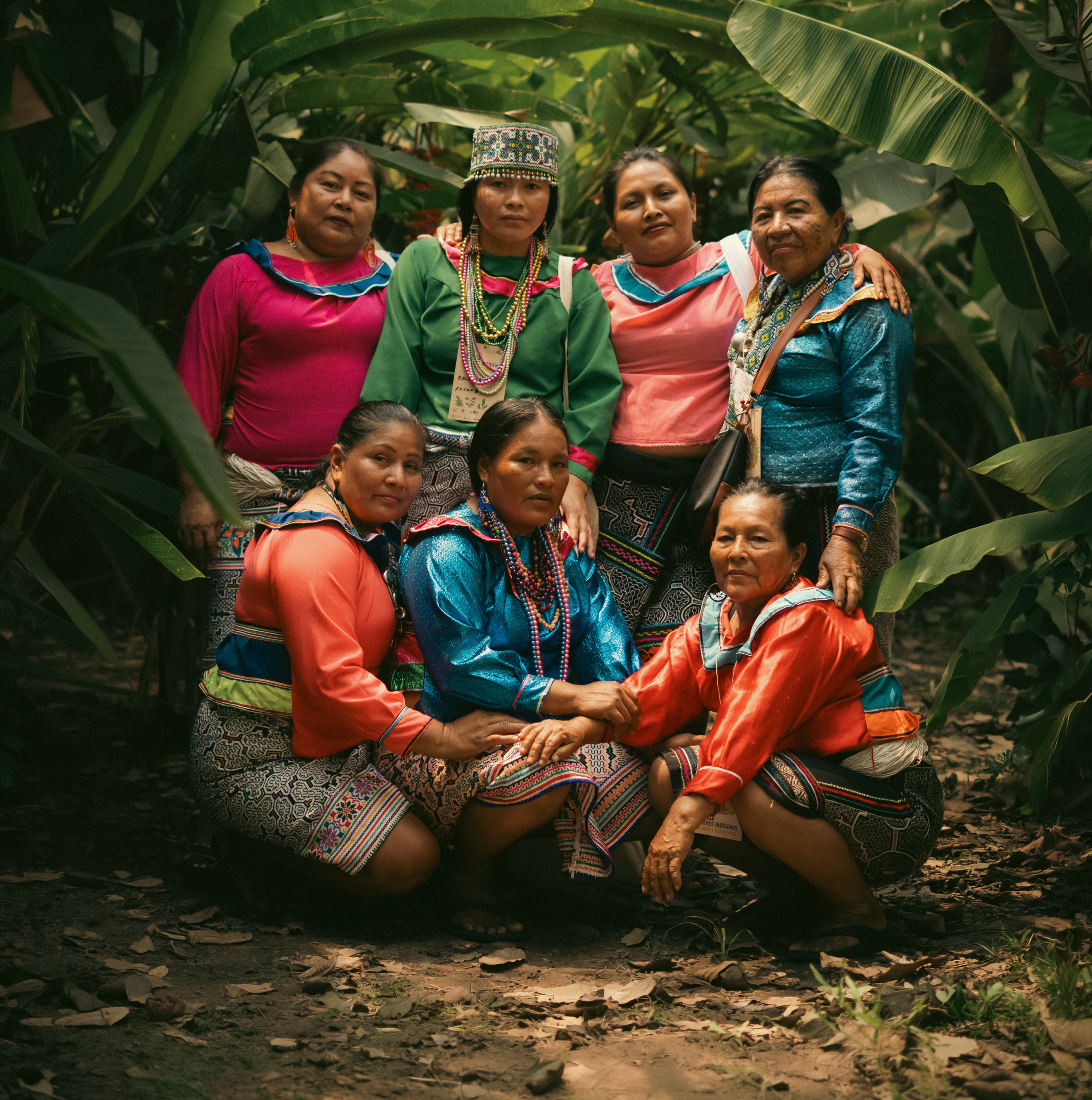
The Kakataibo are an Amazonian people with a reputation as warriors who live along the basins of the Aguaytía, San Alejandro, and Sungaroyacu rivers, between the regions of Ucayali and Huánuco. In their language they call themselves uni, “true men,” and they carry a long history of resistance, earned more than a century ago in their confrontations with other peoples and in their defense against the rubber barons who sought to enslave them.
“Juan Chávez Moquinui was a wise man who could predict the weather. He used to say, ‘the day I’m gone, outsiders will come, they’ll invade the territory. The rivers will dry up, they’ll change,'” recalls one of the Kakataibo leaders in Aguaytía.
The way into their communities runs along roads where drugs and the chemicals to process them flow in and out, but deeper inland, where the communities live, the roads all but vanish. It is one of the hardest areas for the State to control, a region that is vast, bordering the frontier, and very sparsely populated, according to a 2025 report by Amazon Watch, the Instituto del Bien Común, AIDESEP, and ORAU. “We already feel like hostages of this illegal activity,” says one of their leaders.
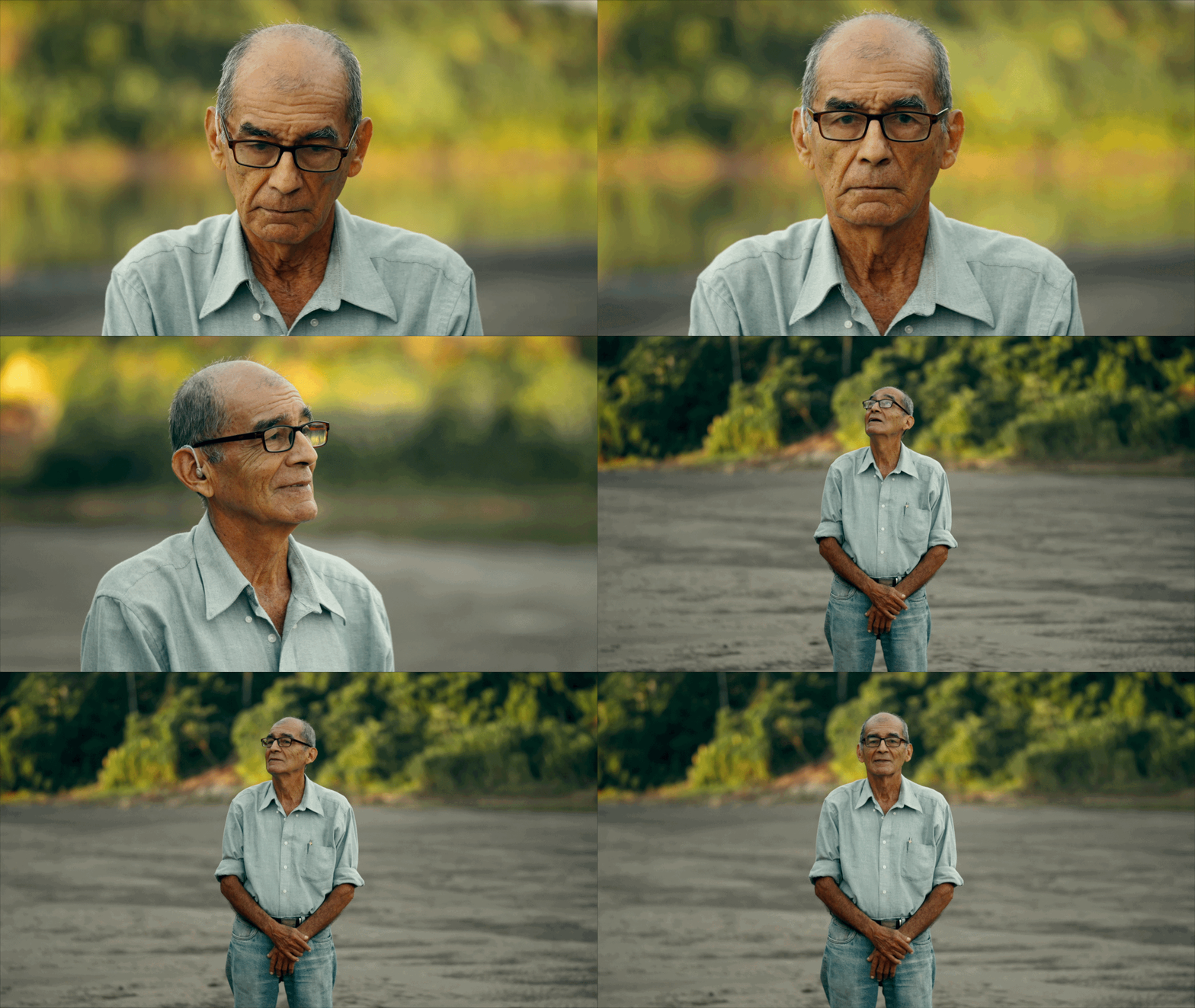
Mariano Isacama was one of the Kakataibo leaders killed for defending their territory. He was a leader of the community of Puerto Azul and a member of the Federación Nativa de Comunidades Kakataibo (FENACOKA). He was also loved for narrating football matches, which earned him the nickname “Perú.”
Before his death, the threats had been direct. “They sent him a bullet over WhatsApp. He always used to say, I’m going to die defending my rights,” a relative of the slain leader told Sapiens.
The community reported his disappearance to the police and the prosecutor’s office, but the authorities did not mount a search. It was his comrades in the Kakataibo guard who went out to patrol for him. After weeks with no trace of his body, the Kakataibo turned to the Shipibo-Konibo, a neighboring people with a long tradition of working with ayahuasca. The ceremony with this master plant, foreign to Kakataibo culture but central to the medicine of several Amazonian peoples, gave them a vision about Mariano. “We went to a Shipibo community and they gave us a prediction, that they were holding Mariano and that they were going to kill him,” recounts one leader.
His body appeared on the banks of the Yúrac River nearly a month after his disappearance, bearing signs of torture. During the wake, the federation’s president, Marcelo Odicio, spoke with Canal N. “He died from a firearm projectile, he has a wound to the skull,” he said of the autopsy. “Justice is out of reach for us as Indigenous leaders. It seems to be an extermination of Kakataibo leaders.” More than a year later, the investigation remains stalled.
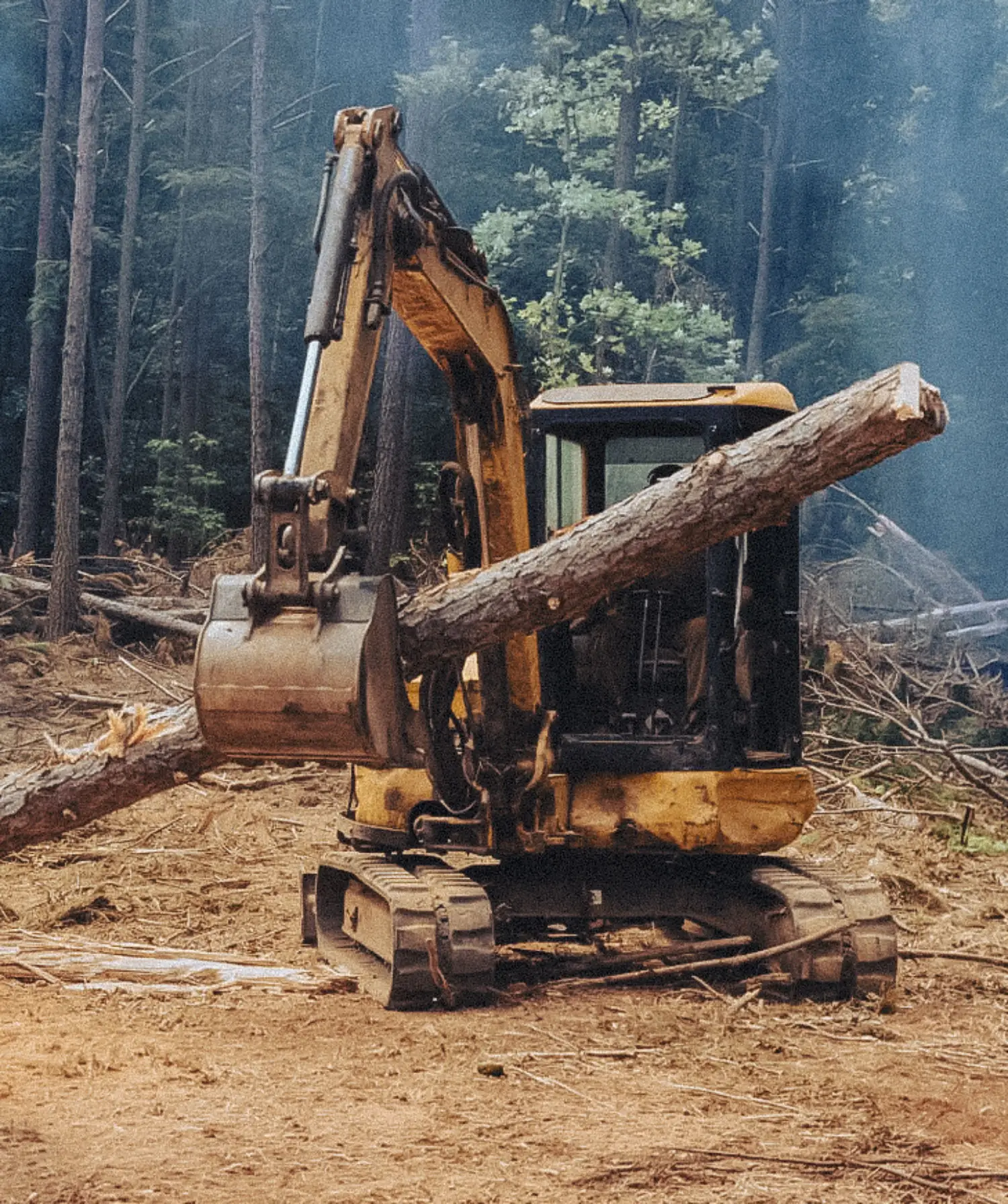
According to data from AIDESEP, at least 36 Indigenous leaders have been killed in the Peruvian Amazon since 2014, six of them Kakataibo. All of them had denounced the advance of drug trafficking, the seizure of their lands, and illegal logging.
Defense Without a State
What the Kakataibo face is the dispossession of the territory where they have lived for hundreds of years, and they are not alone. Drug trafficking routes threaten the territories of 274 Indigenous communities across the Peruvian Amazon. Traffickers invade in organized fashion, rent out land, or directly threaten the leaders who stand in their way. With the dispossession come the coca crops and the clandestine airstrips for the traffickers’ planes. In 2024, an investigation detected as many as 67 airstrips used to transport drugs across Ucayali, Huánuco, and Pasco.
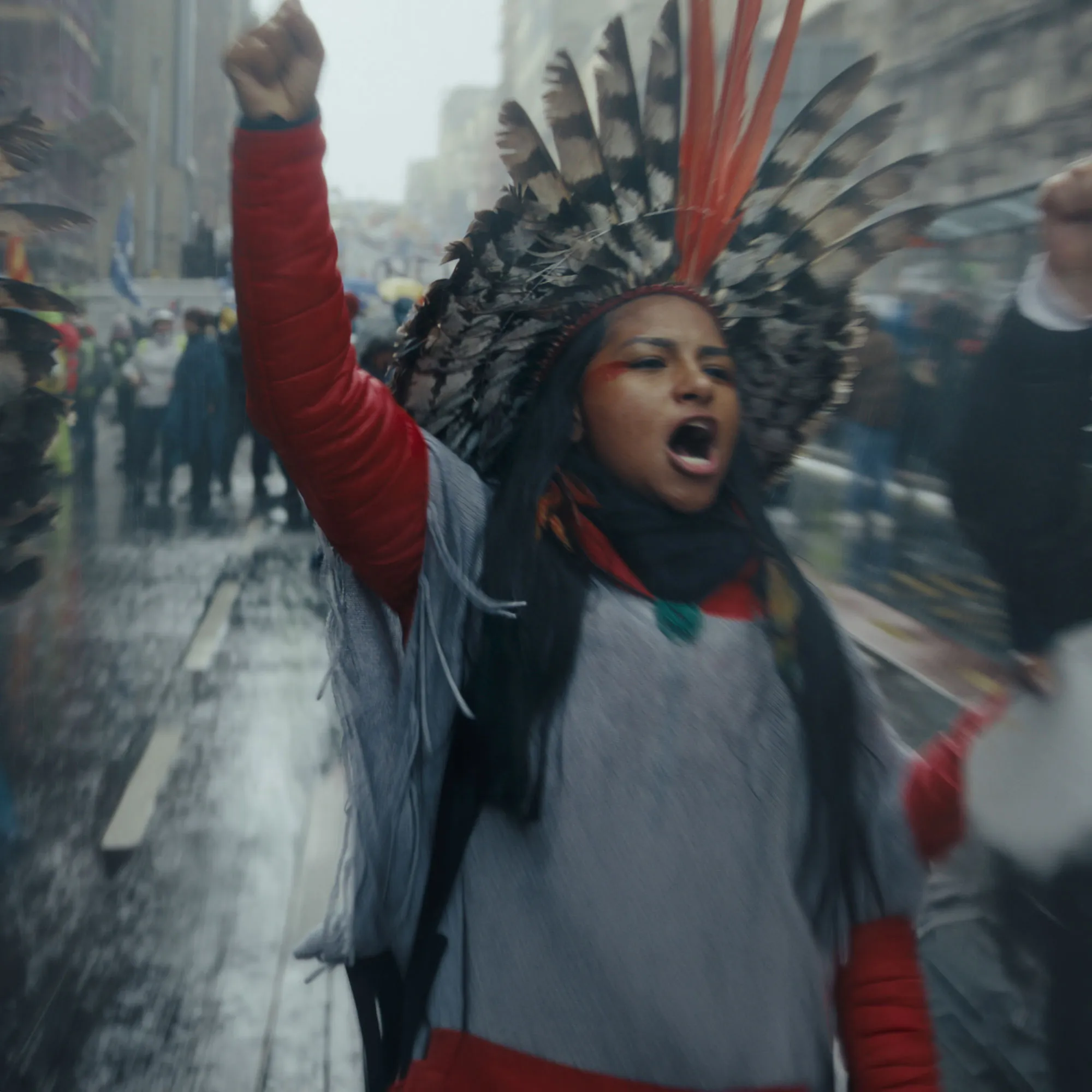
Faced with this, and almost always without legal backing or official protection, the Kakataibo defend themselves alone, exposed to the constant siege of organized crime. Their Indigenous guards organize patrols, travel the rivers, dismantle camps, and identify the invaders.
That is why they demand a basic right, the title to their territory. Many of their communities are recognized by the State, they exist officially, but they do not hold the document that certifies them as owners of their land.
The difference between recognition and titling is more than a technicality. Without title, the territory sits in a legal limbo that the invaders exploit. Coca crops have penetrated even the Kakataibo Norte y Sur Indigenous Reserve, created to protect their brothers living in isolation and initial contact (PIACI). But the most extreme case is Unipacuyacu. This Kakataibo community has spent more than thirty years requesting the title to its territory. The Regional Agriculture Directorate of Huánuco has never granted it. Instead, it allowed dozens of outsider families devoted to mining, logging, and drug trafficking to settle over the years, building hamlets and population centers on the very land the community claims. Today, of the nearly 23,000 hectares of its ancestral territory, the Kakataibo community members control barely four, according to an article by IDL.
Cocaine rests on a machine that feeds on overconsumption in the North and unloads its violence in the South. In the middle stands the Peruvian State, the same one that in thirty years never titled Unipacuyacu and never thoroughly investigated any of the six Kakataibo killings. Organizations like AIDESEP, ORAU, and the Kakataibo federation itself have spent years denouncing this before State institutions, before the press, and before international bodies. Meanwhile, it is the Indigenous guards who risk their lives to do the work that belongs to the State.
Beyond the failed war on drugs, beyond the stigma that pursues the consumer while leaving untouched the system that produces violence, one question remains unanswered. Who answers for the lives and the territories laid waste in the Global South?