
El Congreso Mundial de la Naturaleza de la UICN es la conversación más grande que la humanidad tiene sobre su relación con el planeta. Cada cuatro años, desde 1948, la organización reúne a gobiernos, científicos, comunidades y empresas en una ciudad distinta para trazar el rumbo de la conservación global.
En octubre de 2025, más de 10.000 personas de 140 países participaron en más de mil eventos durante siete días en Abu Dhabi. Entre todo lo que ocurrió esa semana, un momento se distinguió del resto: la primera Cumbre Mundial de Pueblos Indígenas y la Naturaleza, un espacio autogestionado en el que más de 200 representantes indígenas de todo el mundo se reunieron para definir la agenda de conservación en sus propios términos.
Que esto haya ocurrido en 2025 no fue un favor institucional. Fue el resultado de décadas de presión, organización y evidencia acumulada por los propios pueblos indígenas para reclamar su lugar en los espacios donde se decide el futuro del planeta.
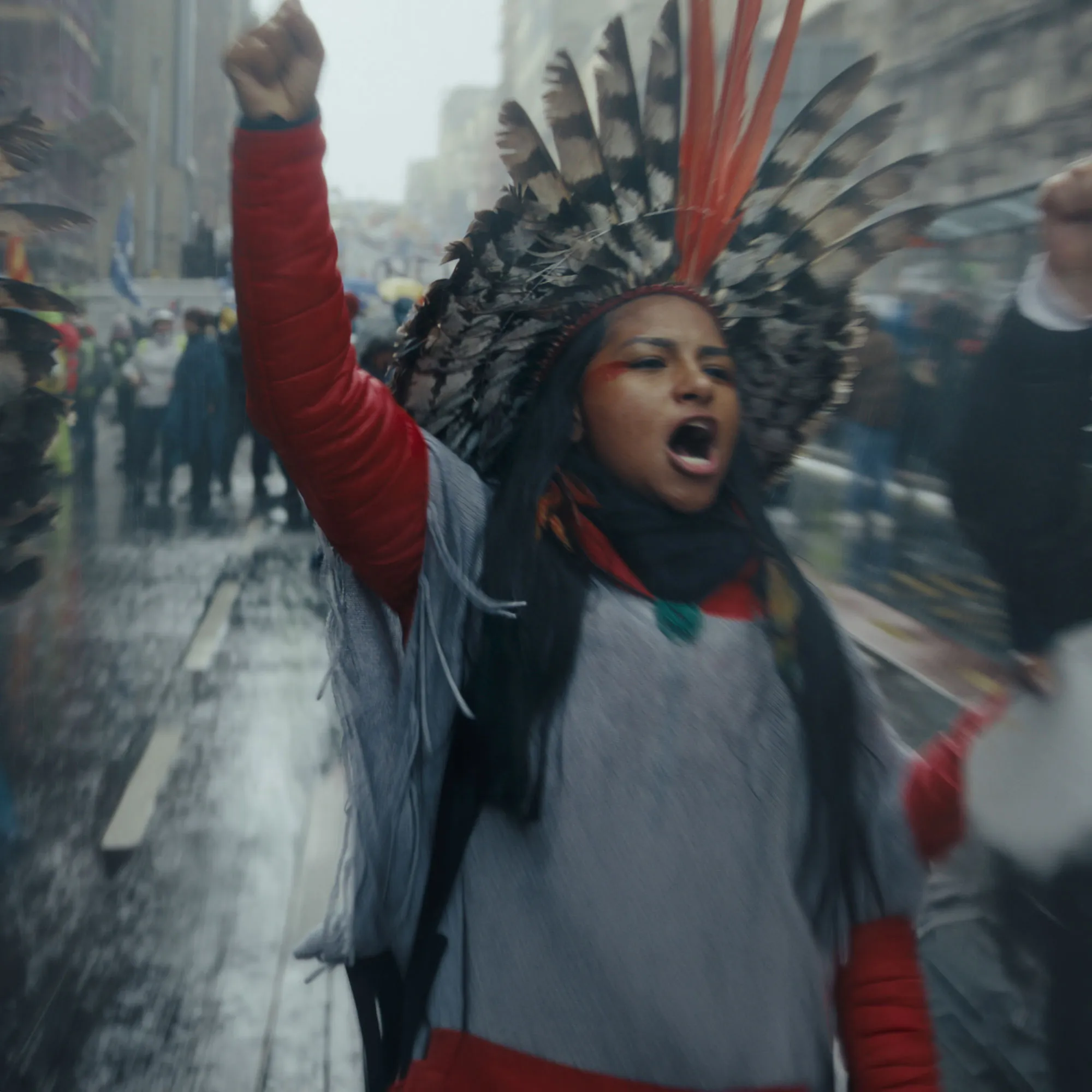
Puyr Tembé, Secretaria de Estado de los Pueblos Indígenas del Pará, Brasil.
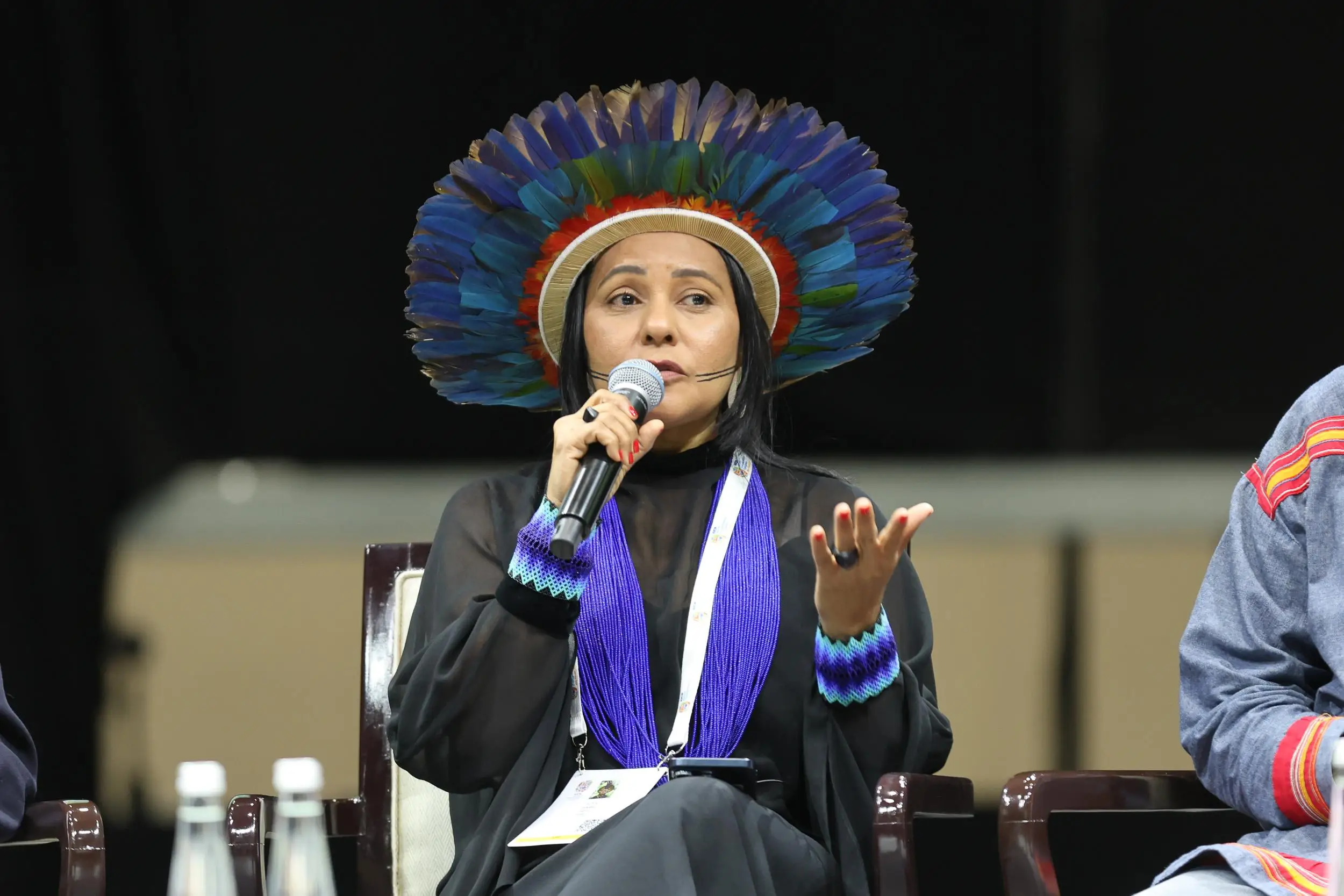
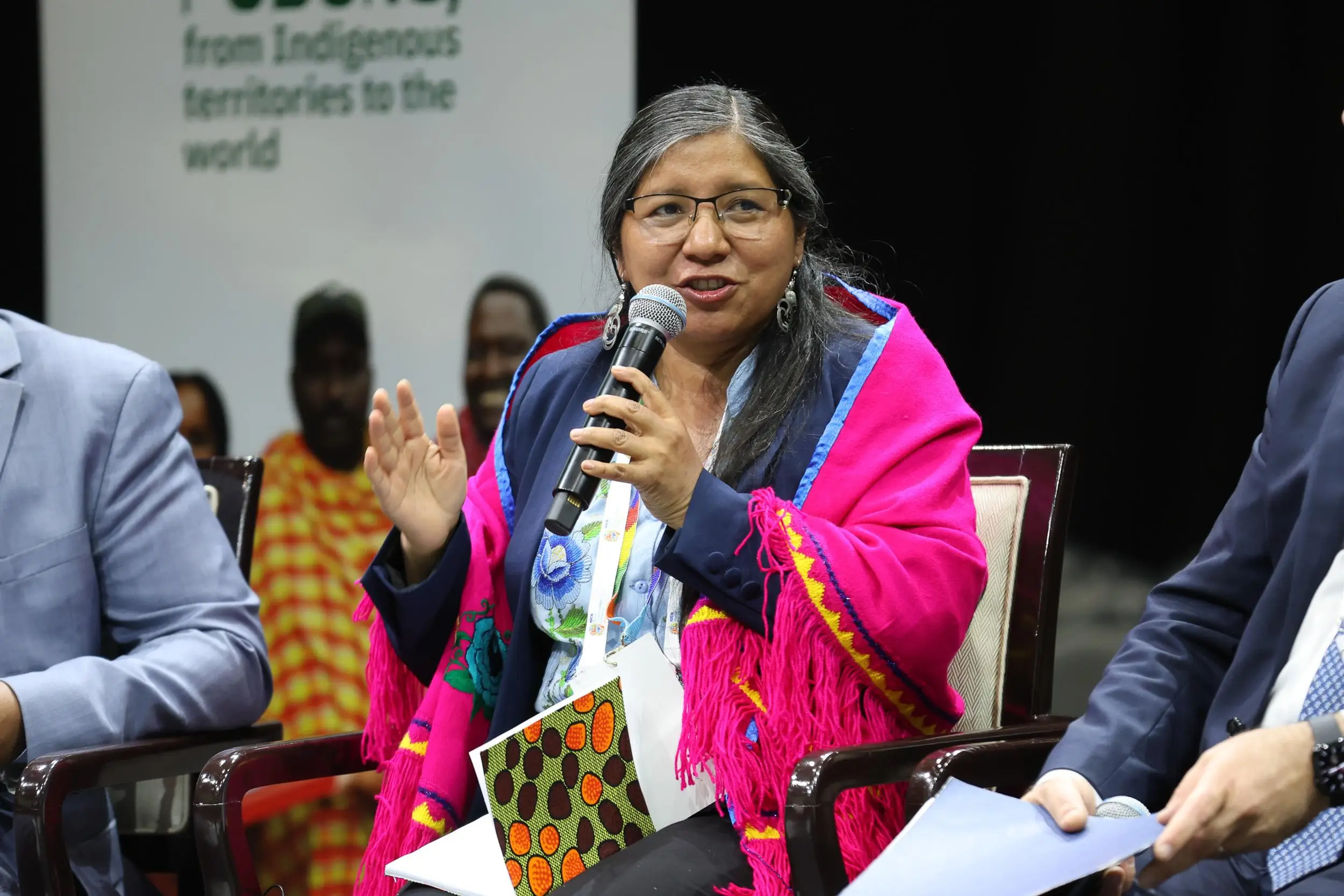
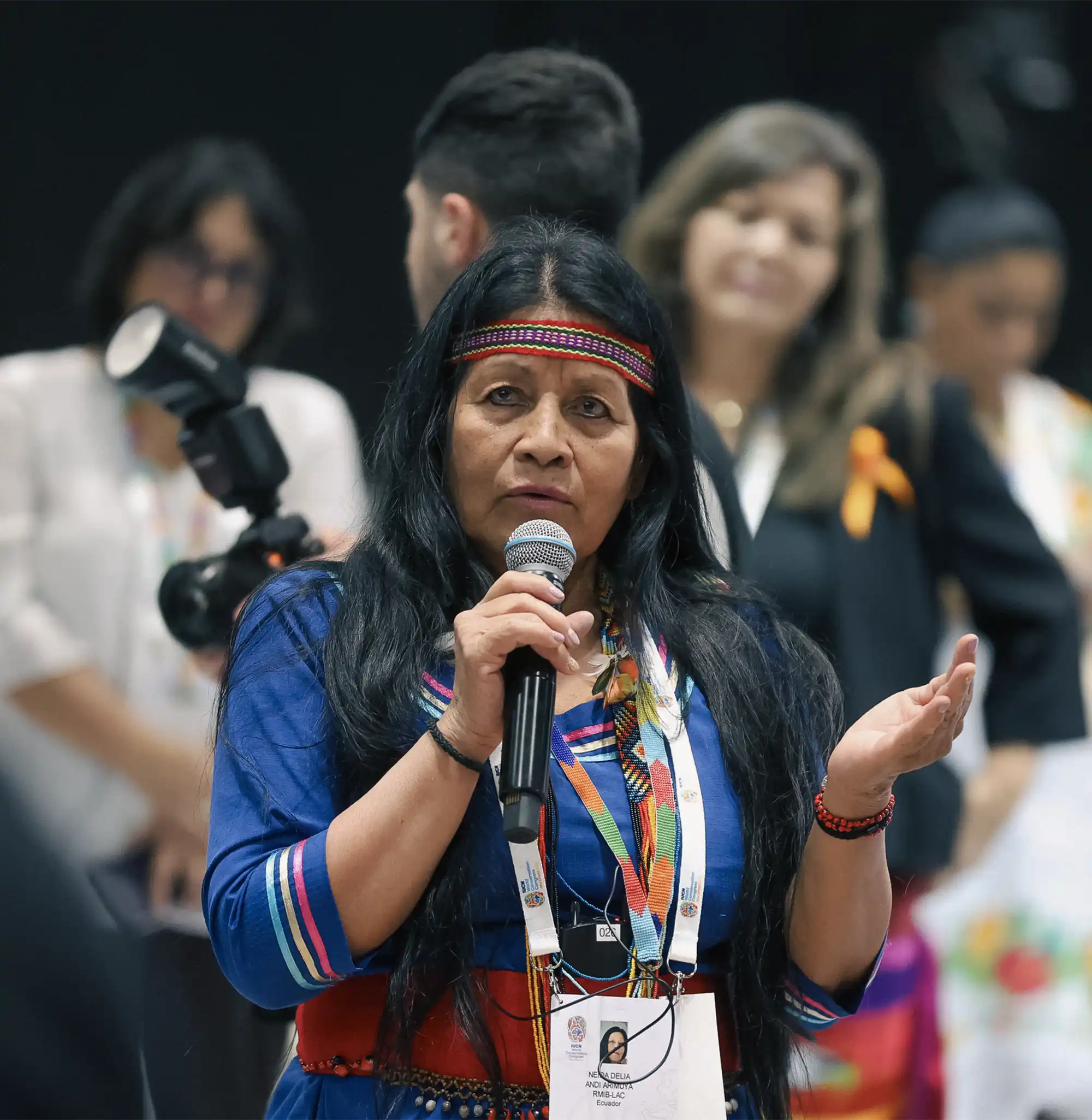
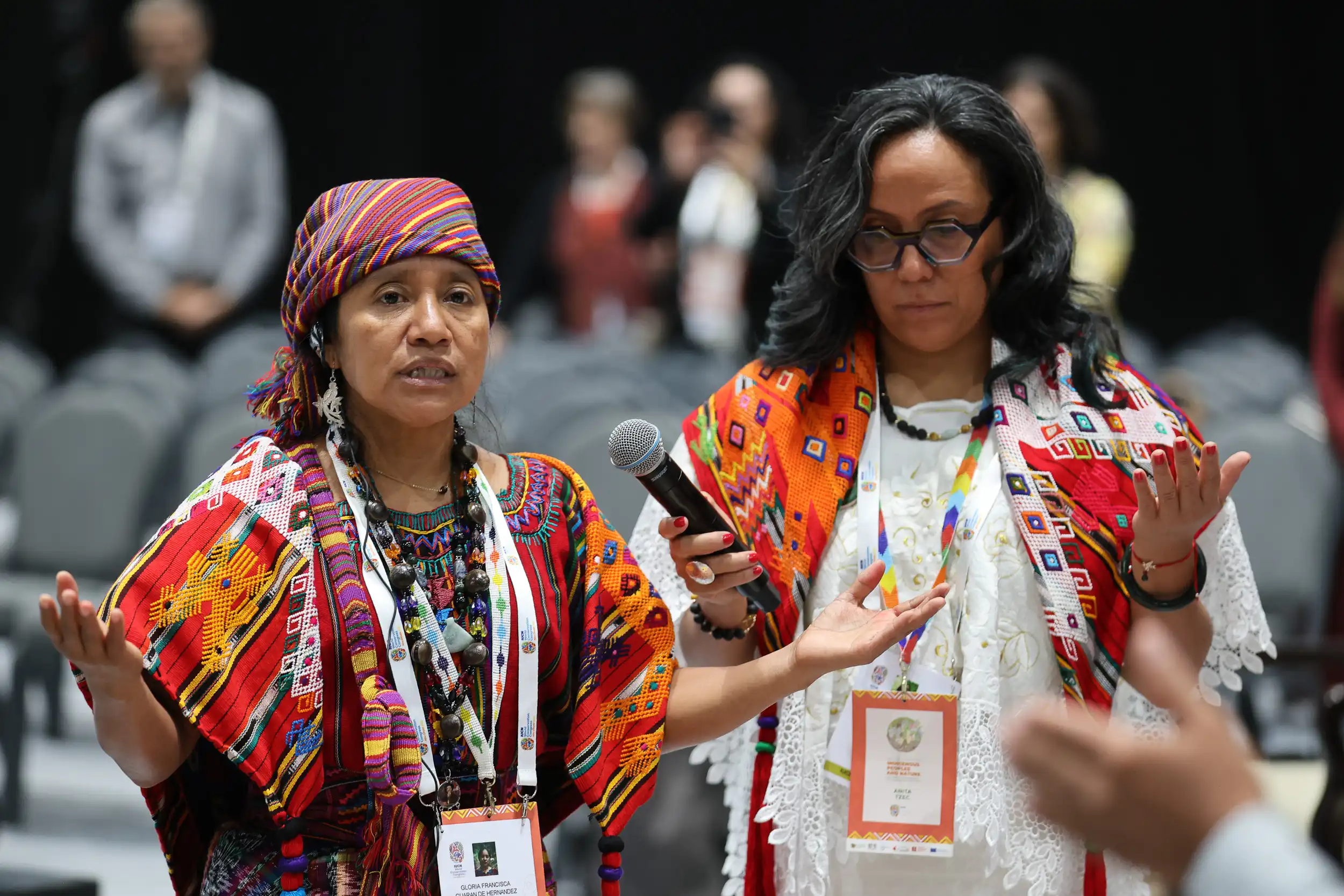
Puyr Tembé, Secretaria de Estado de los Pueblos Indígenas del Pará, Brasil.
El territorio como argumento
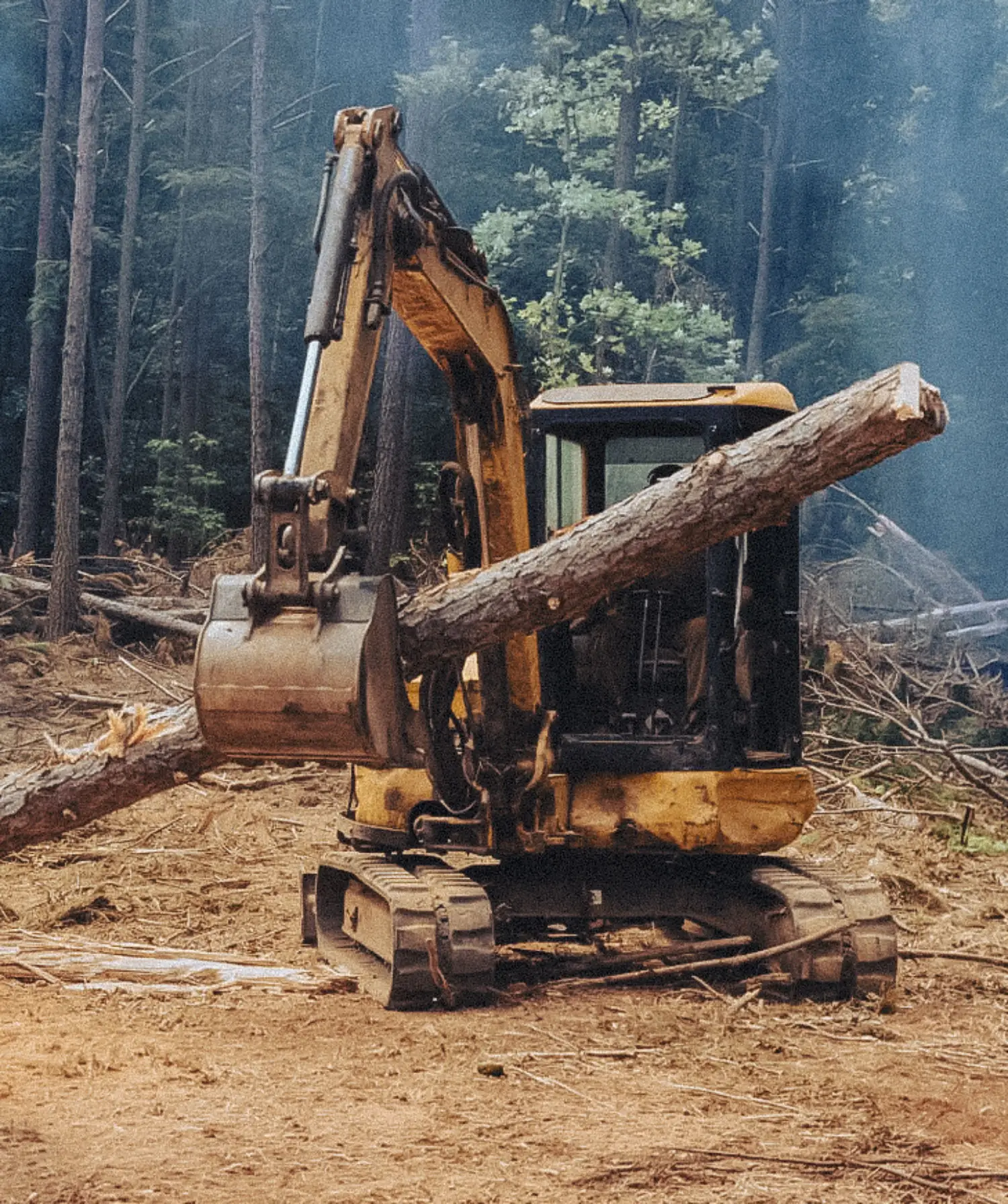
La ciencia lleva años documentando lo que las comunidades indígenas practican desde mucho antes de que existieran las métricas para medirlo. Según el World Resources Institute, los pueblos indígenas custodian el 54% de los bosques intactos del planeta. Un estudio publicado en Environmental Research Letters en 2020 mostró que la deforestación dentro de territorios Kayapó, en el Amazonas central, fue 30 veces menor que en áreas no indígenas vecinas. Once millones de hectáreas conservadas a través de una gobernanza territorial activa sostenida durante generaciones.
Cuando los datos no alcanzan solos
La Lista Roja de Especies Amenazadas de la UICN registra más de 45.000 especies en riesgo de extinción, más de una cuarta parte del total evaluado. Para abordar esa pérdida, la UICN desarrolló STAR, una métrica que mapea oportunidades para reducir el riesgo de extinción a escala territorial. Cuando la herramienta llegó a territorios indígenas de Mesoamérica, encontró algo que los modelos no habían contemplado: las personas que realmente viven ahí.
«El conocimiento indígena mira al mundo de manera completa. La especie es parte de un sistema complejo en el que el espíritu, el trabajo, todo se articula», explicó Arturo Arreola, del Instituto para el Desarrollo Sustentable en Mesoamérica.
Los modelos convencionales de conservación tratan la reducción de amenazas, la restauración ecológica y la gobernanza territorial como categorías separadas. Las comunidades indígenas no lo hacen. Adaptar STAR implicó construir un diálogo primero y dejar que ese diálogo transformara la herramienta.
«Una persona de un pueblo indígena puede ver cómo las cosas van cambiando, con frecuencia con mucho mayor detalle que un biólogo», señaló Randall, científico de conservación de la UICN.
Las comunidades costeras llegan con resultados
El pueblo Garífuna de Honduras llevó ese argumento hasta la costa. Etnia afroindígena formada por la confluencia de caribes, arahuacos y africanos esclavizados, presentaron proyectos de manejo sostenible de manglares, humedales y zonas de pesca basados en el conocimiento ancestral de los ciclos de reproducción de las especies.
«Hemos estado previniendo que las especies no mueran y que nosotros podamos seguir coexistiendo con ellas», dijo Gregoria Jiménez, presidenta de la Organización de Desarrollo Étnico Comunitario (ODECO).
Su trabajo forma parte de lo que el congreso denominó OMEC, Otras Medidas Efectivas de Conservación Basadas en Áreas: territorios que se conservan gracias al manejo sostenible de quienes los habitan, fuera de cualquier marco de protección formal. Para 2030, la meta global es proteger el 30% del planeta. Buena parte de esa cuenta ya la están cargando comunidades que nunca recibieron reconocimiento oficial ni financiamiento directo por hacerlo.
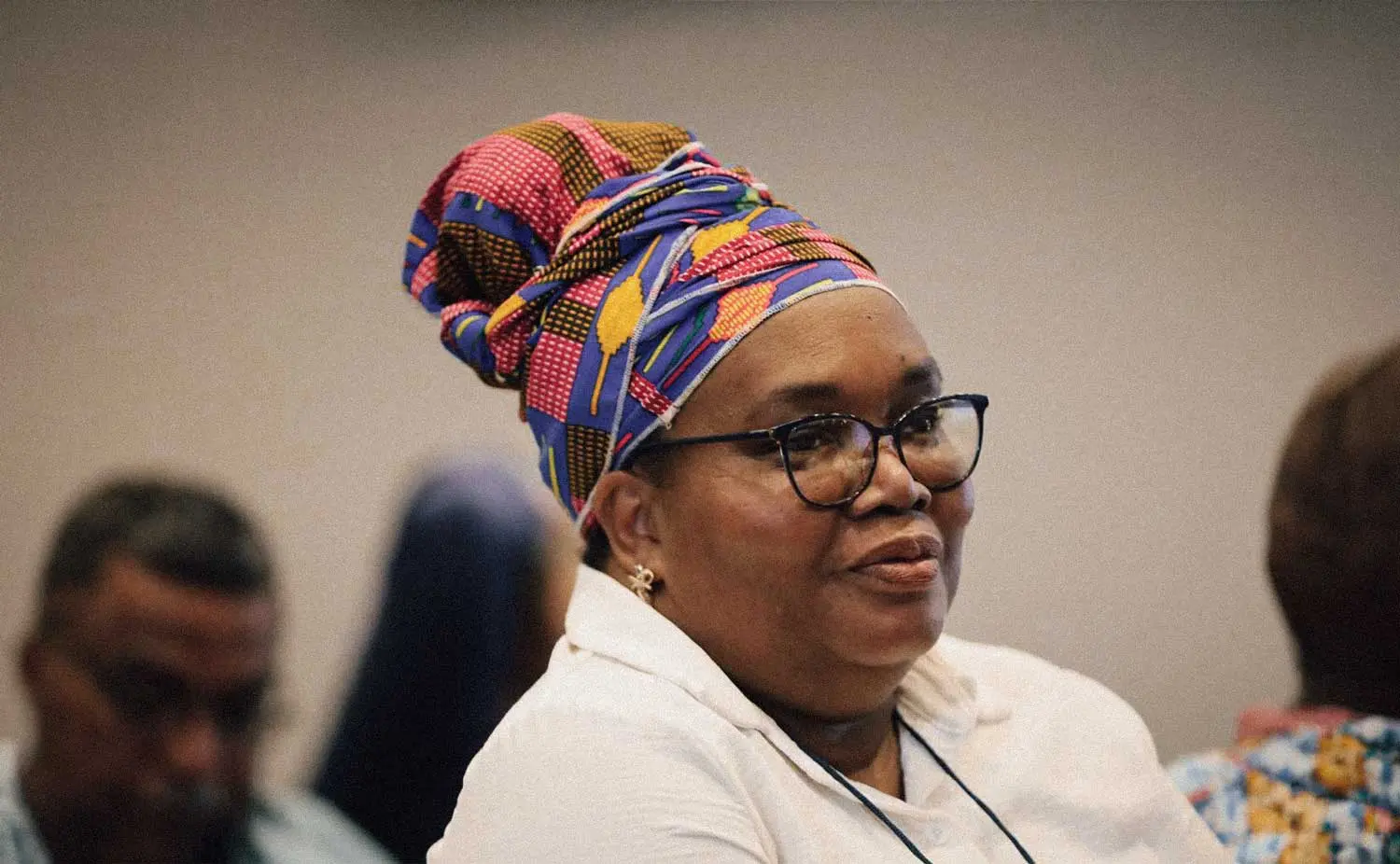
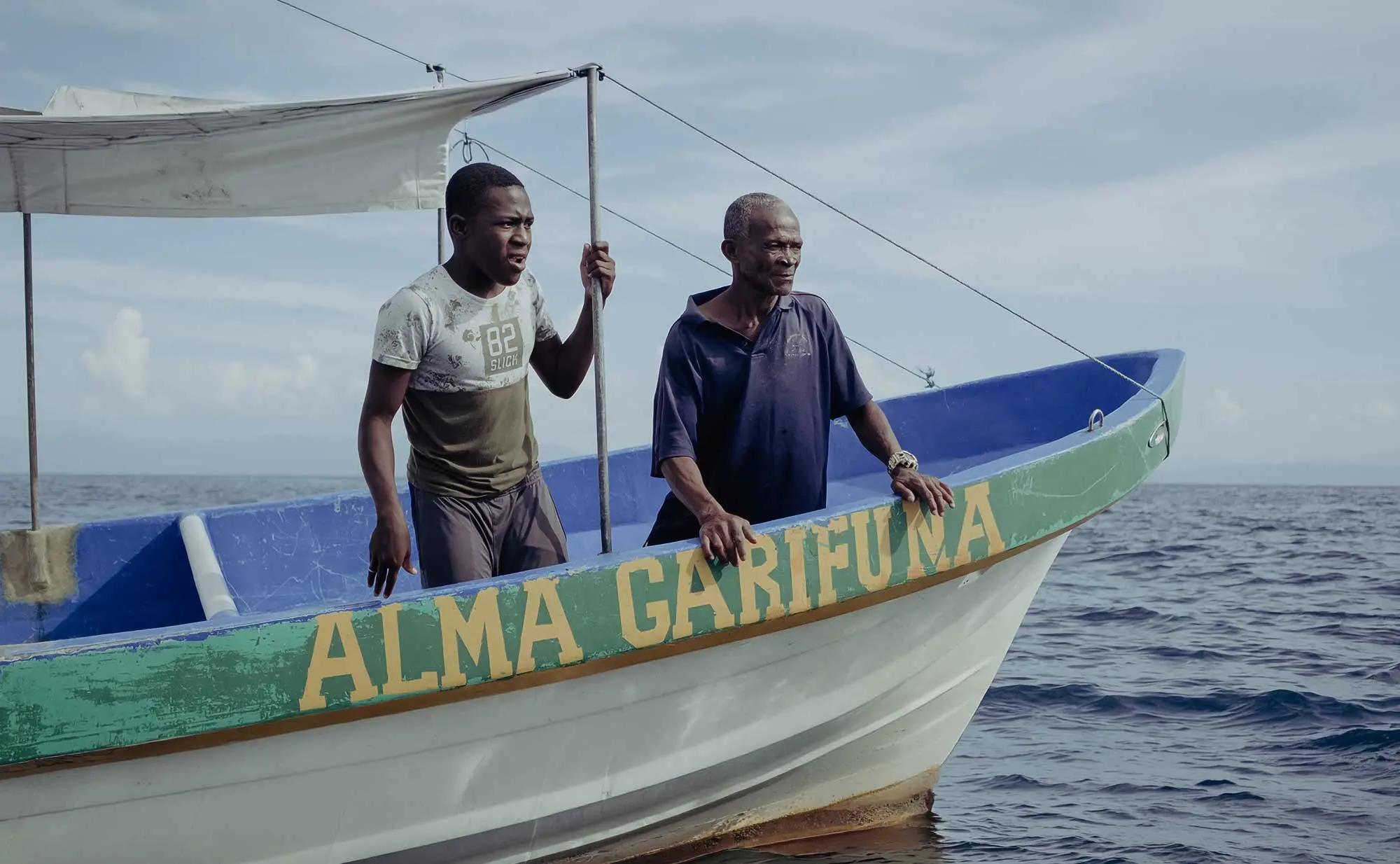
«Hemos estado previniendo que las especies no mueran y que nosotros podamos seguir coexistiendo con ellas», dijo Gregoria Jiménez, presidenta de la Organización de Desarrollo Étnico Comunitario (ODECO).
Su trabajo forma parte de lo que el congreso denominó OMEC, Otras Medidas Efectivas de Conservación Basadas en Áreas: territorios que se conservan gracias al manejo sostenible de quienes los habitan, fuera de cualquier marco de protección formal. Para 2030, la meta global es proteger el 30% del planeta. Buena parte de esa cuenta ya la están cargando comunidades que nunca recibieron reconocimiento oficial ni financiamiento directo por hacerlo.
Lo que nos une
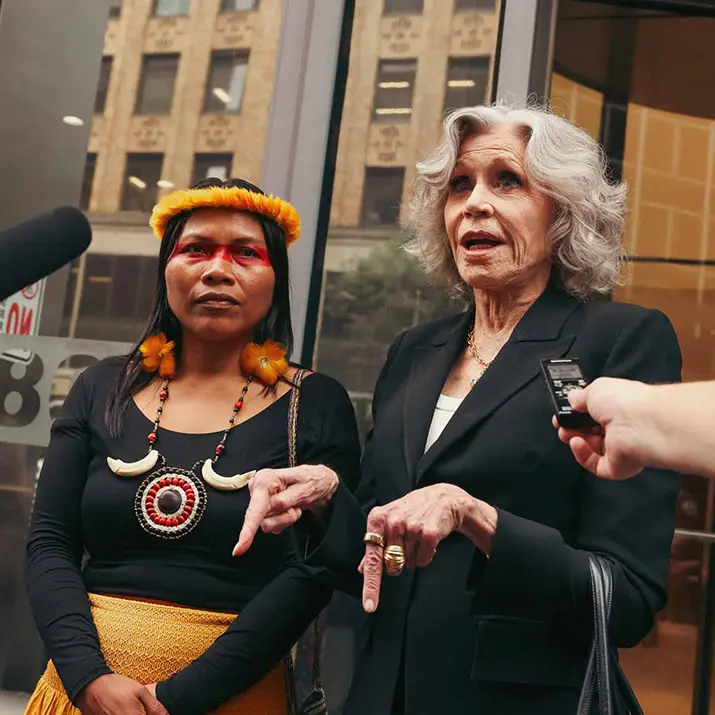
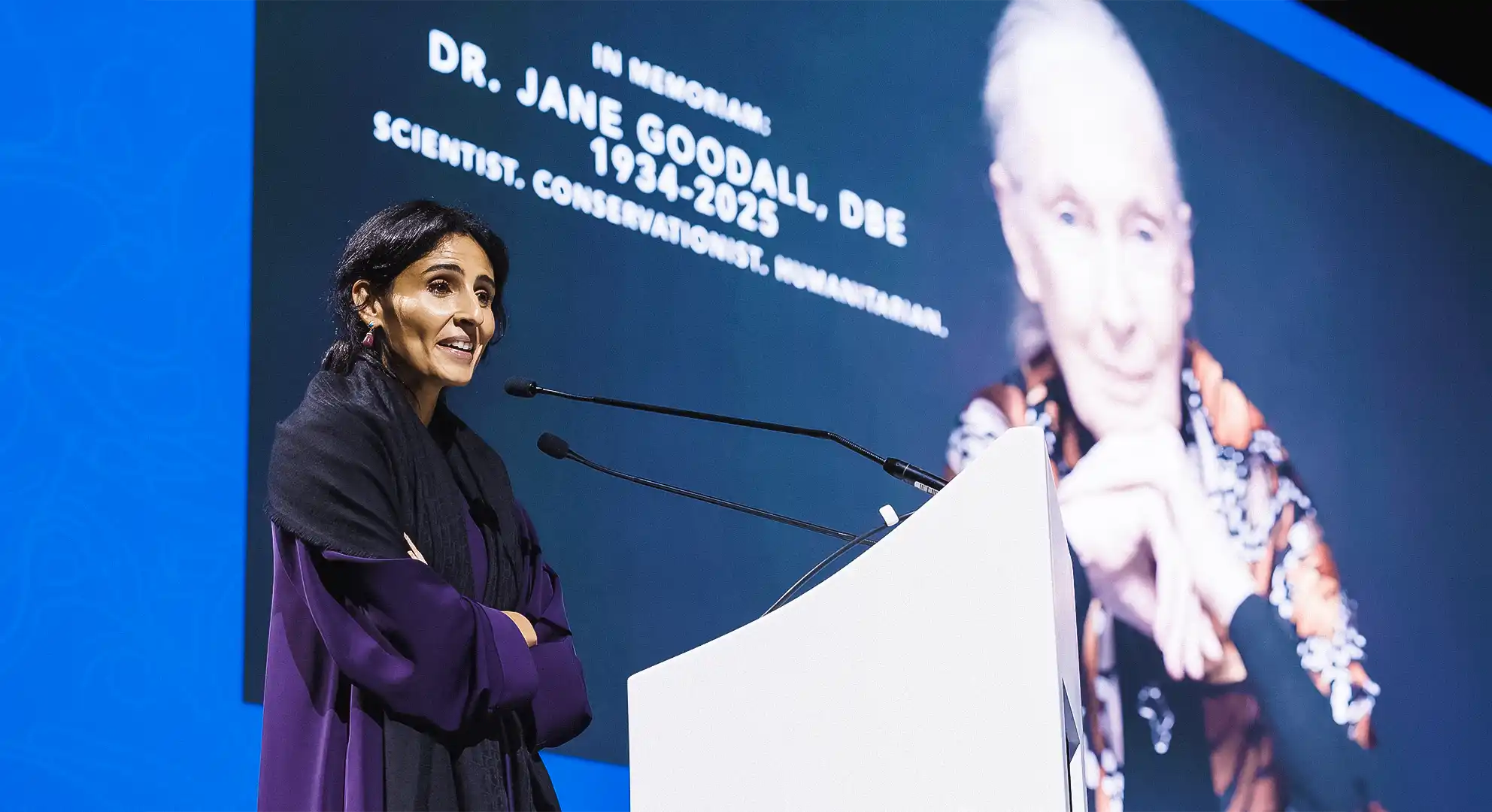
Al cierre del congreso, la presidenta de la UICN, Razan Al Mubarak, habló de un momento de paradoja. El conocimiento sobre la importancia de la naturaleza nunca fue tan profundo, y la pérdida de biodiversidad nunca fue tan acelerada. Esa paradoja tiene un costo humano. Solo en 2023, 177 defensores ambientales fueron asesinados en el mundo, y el 36% eran indígenas, según Global Witness. «Los pueblos que protegen los ecosistemas más intactos del planeta son también los más criminalizados, desplazados y despojados», dijo Alessandra Yupanqui, activista andina y editora en jefe de Sapiens, quien participó como ponente en el congreso.

La naturaleza no necesita que la salvemos. Lleva millones de años reorganizándose sin nosotros, sobreviviendo extinciones masivas, recomponiendo ecosistemas enteros. Lo que está en juego no es el planeta. Es nuestra capacidad de seguir siendo parte de él. Y para eso, al parecer, primero hay que escuchar a quienes nunca dejaron de serlo.